Your lights flicker off mid-task, and the panel downstairs clicks again. That click gets old fast.
I get it, resetting the same switch every other day feels less like a fix and more like a guessing game. A circuit breaker keeps tripping for a reason, and most of the time it is trying to protect your home, not annoy you.
You do not need an electrician on speed dial to make sense of it. You just need to know what your panel is actually telling you.
I have seen breakers trip from something as small as a hair dryer and as serious as damaged wiring. Once you know why your breaker keeps tripping, the fix usually gets a lot simpler.
Understanding How Your Circuit Breaker Works
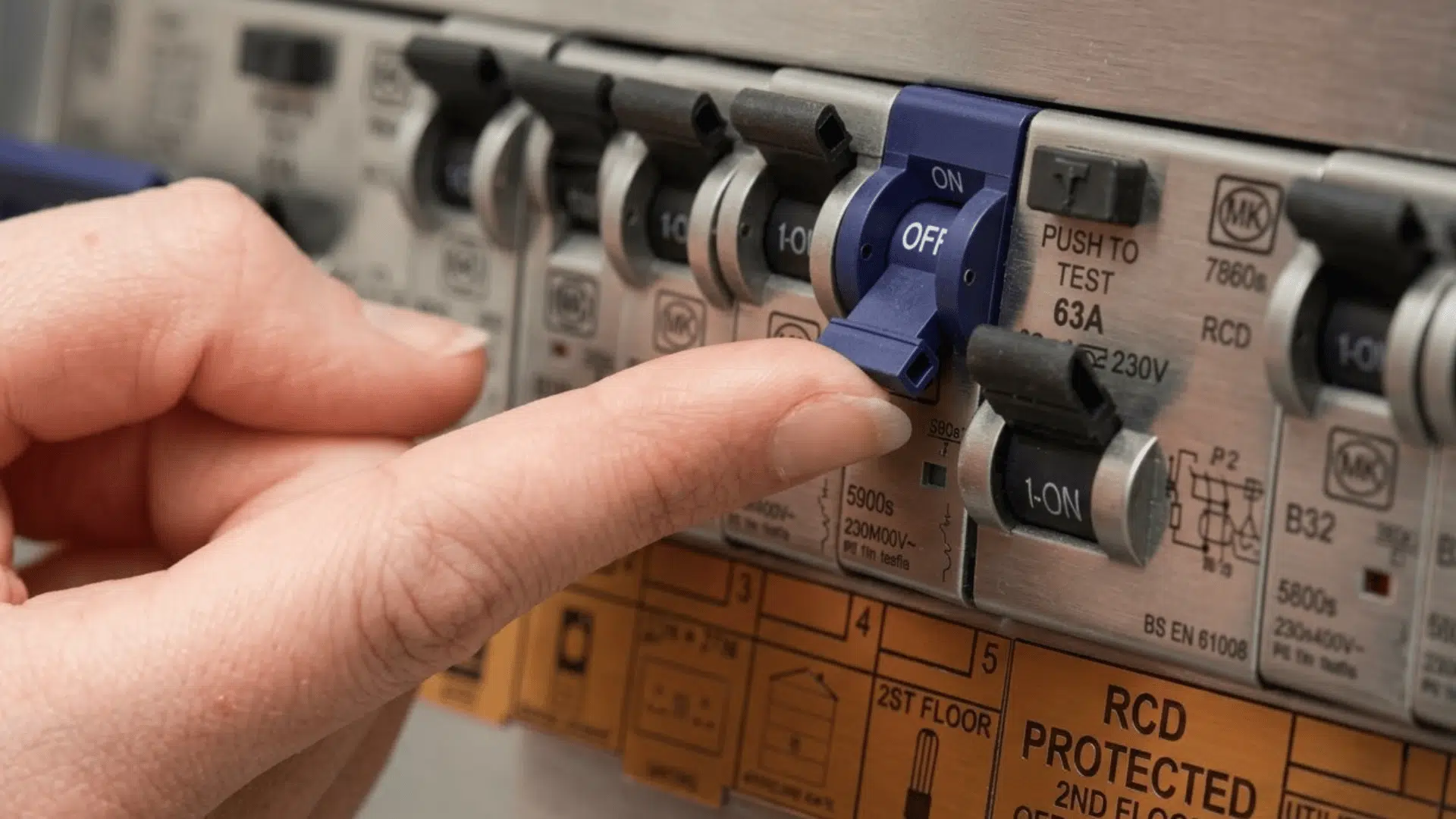
A circuit breaker is a safety switch built into your electrical panel. Its job is to monitor the flow of electricity and shut off power the moment it detects a problem.
Think of it as a guard, not a flaw. When a circuit breaker keeps tripping, it usually means it is doing exactly what it was designed to do: stopping electricity before wires overheat or a fire starts.
Each breaker controls a specific circuit in your home, like your kitchen outlets or bedroom lights. If that circuit draws more current than it can safely handle, the breaker trips and cuts power instantly.
This protective action is normal. The real question is why it keeps happening.
Common Reasons Your Circuit Breaker Keeps Tripping
If your breaker keeps tripping regularly, the cause usually comes down to a few electrical issues. Understanding why your breaker keeps tripping starts with looking at what each circuit is being asked to handle.
1. Overloaded Circuit

An overloaded circuit happens when too many devices pull power from the same line at once, often high-draw appliances like space heaters, microwaves, hair dryers, or portable AC units running together in a kitchen, bedroom, or home office.
- Breaker trips after running multiple appliances together
- Panel resets and works fine until the same combination is used again
- Tripping is more frequent during high-usage times, like mornings or evenings
2. Short Circuit

A short circuit occurs when a hot wire touches a neutral or ground wire, sending a sudden surge of electricity through the system. Because this creates an unsafe spike, the breaker trips almost immediately to stop the flow.
- Instant tripping, often right when a device is plugged in or switched on
- Visible sparks or a burning smell near outlets or the panel
- Cords or plugs that look melted or damaged
3. Ground Fault

A ground fault happens when electricity leaves its intended path and travels somewhere it should not, often through water or a damaged wire. This type of fault is most common in moist areas.
- Trips concentrated in bathrooms
- Trips concentrated in kitchens
- Trips concentrated at outdoor outlets
4. Faulty Circuit Breaker

Sometimes the breaker itself is the problem. If your panel is old enough that an aging or worn-out panel is the likely culprit, it may be time to look at replacement costs
- Trips with no clear cause or pattern
- Feels warm or hot to the touch
- Will not reset, or resets and trips again right away
How to Tell Why Your Breaker Is Tripping
A circuit breaker can trip for different reasons, and the pattern of when it happens is often the fastest clue. Instead of guessing, look at exactly what triggers the trip, how often it happens, and what else is running at the time.
What Happens | Possible Cause | Quick Check |
|---|---|---|
Trips immediately after reset | Short circuit or ground fault | Unplug everything on that circuit, then reset |
Trips after running appliances | Overloaded circuit | Note which devices were running together |
Trips randomly | Wiring issue or failing breaker | Check if it happens even with light loads |
Trips when one appliance runs | Faulty appliance | Test that appliance on a different outlet |
Trips with nothing plugged in | Hidden wiring or breaker problem | Call an electrician; this isn’t a DIY fix |
Some of these, like an overloaded circuit, are simple to fix yourself by spreading devices across outlets. Others, like a hidden wiring issue, need a licensed electrician before you flip that switch again.
What to Check When a Circuit Breaker Keeps Tripping

Before calling an electrician, you can do a few safe checks to figure out why a circuit breaker keeps tripping. Going through these in order helps you narrow down the cause quickly and safely.
- Identify which breaker is tripping. Label the circuit, note what loses power, and check the timing.
- Check the breaker’s position. See whether it sits in a middle “tripped” position or fully off.
- Unplug devices on that circuit. Remove high-power appliances, reset the breaker, then reconnect them one at a time.
- Note the room or area affected. Kitchens, bathrooms, and outdoor circuits trip for different reasons.
- Check for warning signs. Watch for burning smells, warm outlets, buzzing sounds, or scorch marks.
- Inspect visible cords and plugs. Look for fraying, discoloration, or melted plastic.
- Test whether the problem returns. Occasional trips are normal, but repeated resets mean it’s no longer safe.
- Track how often it happens. A pattern of daily or weekly trips points to a bigger underlying issue.
How to Prevent Circuit Breaker Problems
A little routine maintenance goes a long way toward keeping your breakers from tripping in the first place. Here are simple habits that can prevent most common electrical problems before they start.
What You Can Do | Why It Helps | How Often |
|---|---|---|
Avoid overloading outlets | Keeps current draw within safe limits for the circuit | Ongoing habit |
Spread high-wattage appliances across circuits | Prevents multiple heavy loads from stacking on one line | When setting up rooms |
Replace damaged cords | Reduces risk of short circuits from exposed or frayed wires | As soon as damage is noticed |
Inspect older panels | Catches worn parts or outdated wiring before they fail | Every 1 to 2 years |
Test GFCI outlets | Confirms ground fault protection is actually working | Monthly |
When Should You Call an Electrician?
Some situations go beyond simple troubleshooting and need a licensed professional right away. If your circuit breaker keeps tripping despite basic fixes, it may point to a deeper wiring issue that is not safe to handle on your own.
Trust your instincts here. Electrical problems rarely fix themselves, and waiting too long can turn a small issue into a costly repair or a genuine safety hazard.
Call a professional if:
- Breaker trips immediately every time you reset it
- A burning smell is present near the panel or outlets
- The panel feels warm or hot to the touch
- The breaker will not reset at all
- Multiple breakers keep failing at once
- Wiring damage is suspected anywhere in the home
Conclusion
A tripping breaker is not something to shrug off or panic over. It usually sits somewhere in between, a small warning your panel gives you before something bigger happens.
Once you know what to look for, you stop guessing and start noticing patterns. You can tell the difference between a circuit that is simply overloaded and one that needs real attention. That single shift changes how you handle it every time.
I always say the panel is talking to you; you just have to listen. If your circuit breaker keeps tripping, treat it as useful information, not an inconvenience.
Take a look at your own panel today. Test a few outlets, watch for patterns, and trust what you find.
Frequently Asked Questions
Is It Safe to Use a Breaker That Trips Occasionally?
Yes, occasional trips are normal. Problems start when trips become frequent, happen instantly, or occur with no load running.
Can Weather Affect Circuit Breaker Performance?
Extreme heat can make a breaker trip sooner under load. Cold weather rarely causes noticeable tripping in most homes.
How Long Do Circuit Breakers Usually Last?
Most home circuit breakers last twenty to thirty years. Age, moisture, and frequent tripping can shorten that lifespan.
Should You Upgrade An Old Electrical Panel?
Panels older than twenty-five years, or ones using outdated fuses, often benefit from an upgrade for better safety.