On-Site Storage vs Self-Storage Units: What’s Better for Moving or Renovation?
Whether you’re prepping for a big move or finally tackling that home renovation you’ve been putting off, storage is a top priority. Your furniture, appliances, and everyday essentials all need a place to be that’s dry, secure, and easy to access. Two of the most common storage options for relocation and renovation projects are on-site storage with shipping containers or off-site self-storage units.
If you’re trying to decide which one makes the most sense in your situation, the answer depends on the construction timeline, your budget, available space, and how often you need access to your belongings. This guide breaks down the pros and cons of each so you can choose the option that will work best for you.
What Is On-Site Storage?
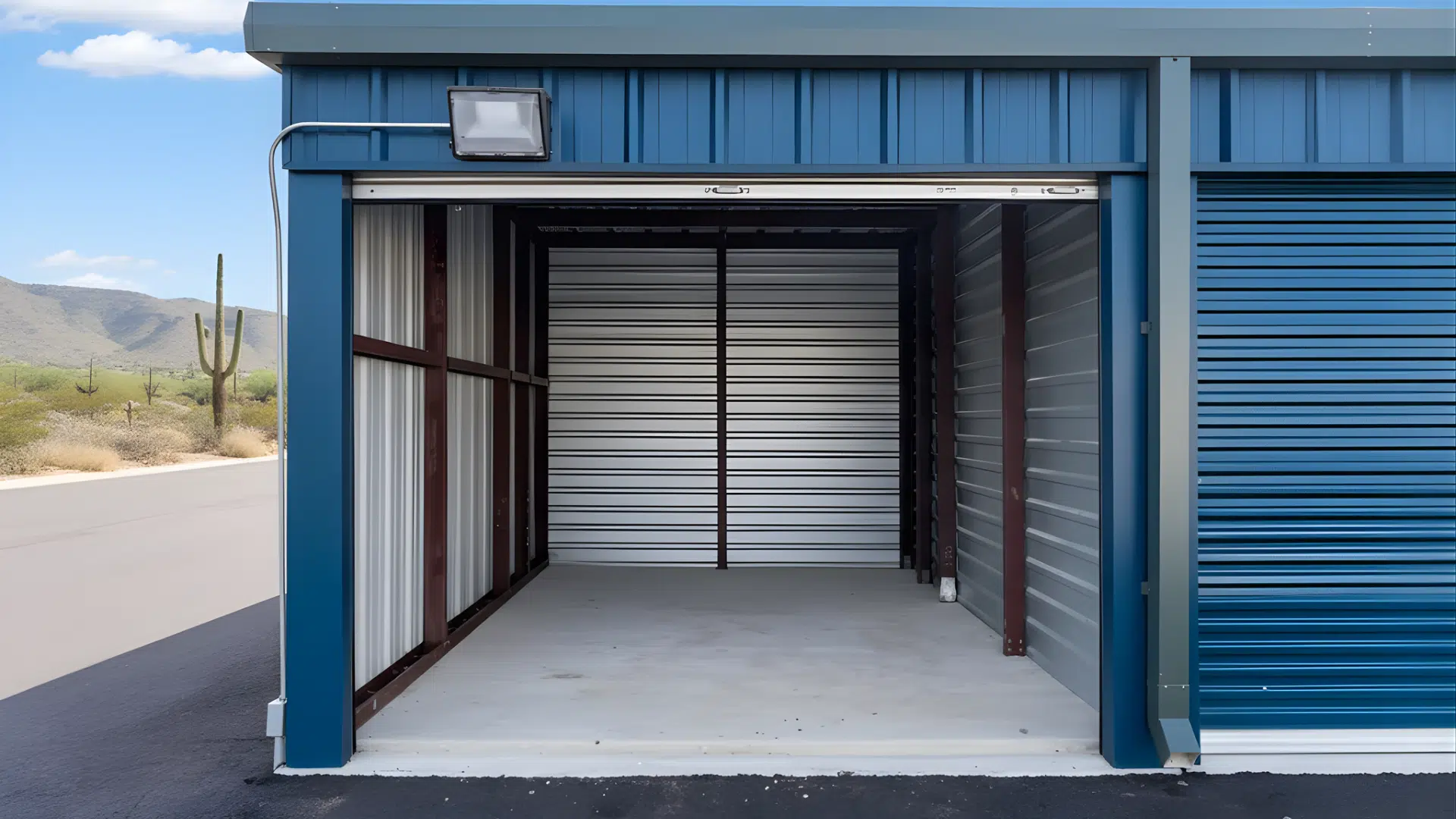
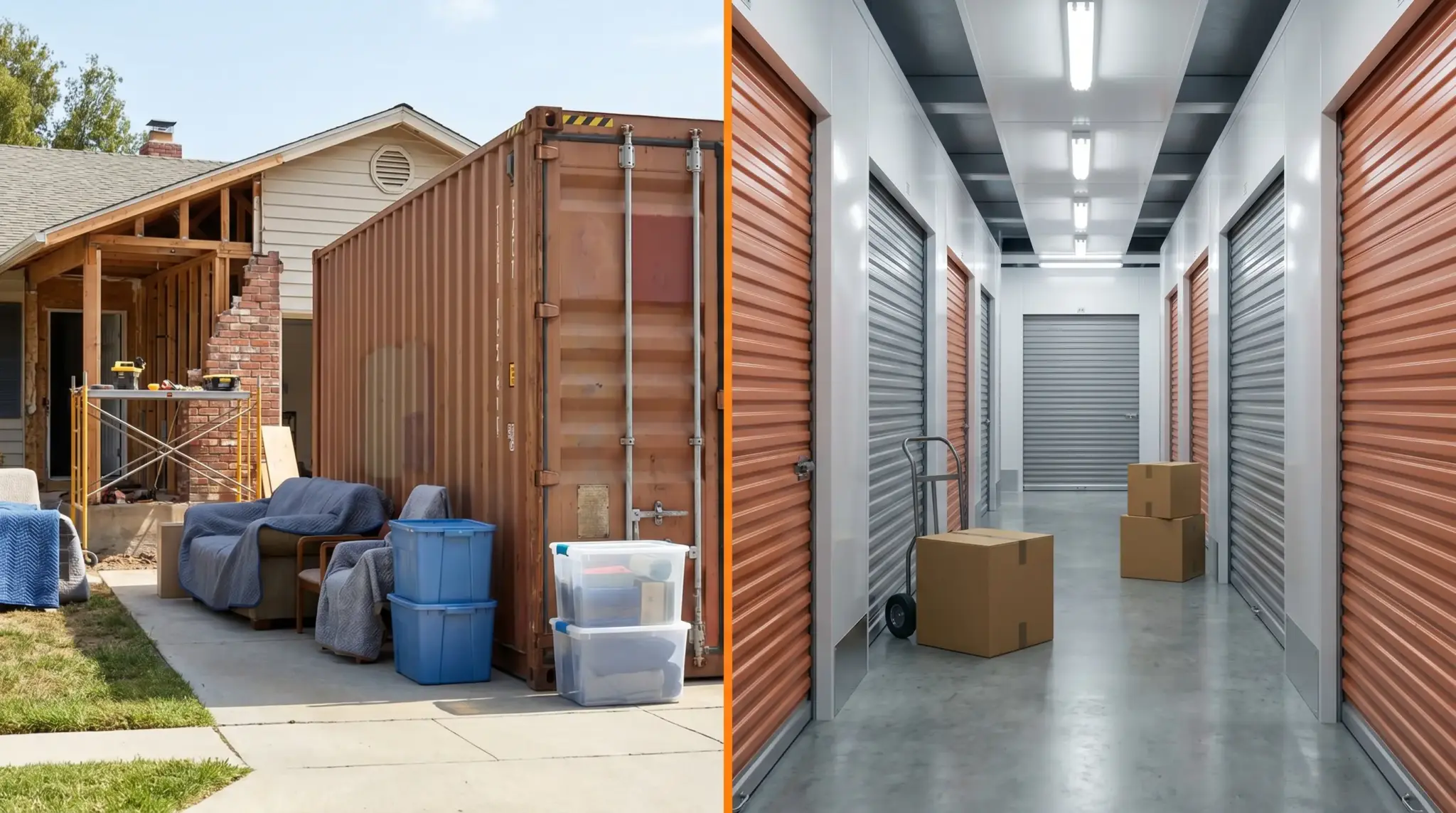
On-site storage typically refers to portable storage containers or shipping containers that are delivered directly to your home. You load the container at your own pace, and it stays on your property for as long as you need it. Some companies also offer the option to pick up the container after you load it and store it at a secure facility until you’re ready for it again.
Benefits of On-Site Storage
The biggest advantage of on-site storage is convenience. Everything you need is just steps away from your door. There’s no need to drive across town or work around limited storage facility hours.
It also gives you flexibility. You can pack gradually instead of rushing to load everything into the container in a single day. This is especially helpful during renovations when you may need to move items out of the house one room at a time.
On-site storage also saves you a lot of work. Instead of loading your belongings into a truck, unloading them into a storage unit, and then repeating the process later, you load once and you’re done. There’s also less risk of damage when your items are being handled fewer times.
For homeowners managing a renovation, having a shipping container on your property makes it easy to rotate items in and out as needed. You can keep tools, materials, or furniture close by without cluttering your living space.
Drawbacks of On-Site Storage
While certainly convenient, on-site storage might not always be the perfect fit.
Space is the first limitation. Not every property has room for a shipping container. If you live in a closely packed neighborhood, an apartment complex, or a community with strict HOA rules, you may not be allowed to keep one on-site.
Security can also be a concern. While most storage containers are built to be durable and lockable, they’re still sitting outside and are vulnerable to damage and theft. If you are storing high-value items, you should consider adding extra security features like motion activated lights and tamper-proof locks.
Exposure to harsh weather is another factor. Shipping containers are designed to protect their contents, but extreme heat, cold, or humidity can still have an impact over time. Items like electronics, artwork, and delicate furniture may require extra care and consideration. You might need a mini-split HVAC unit, extra ventilation, or a dehumidifier.
Finally, costs can add up depending on how long you keep the container. Monthly rental fees, delivery charges, and pick-up fees should all be factored into your decision.
What Are Self-Storage Units?
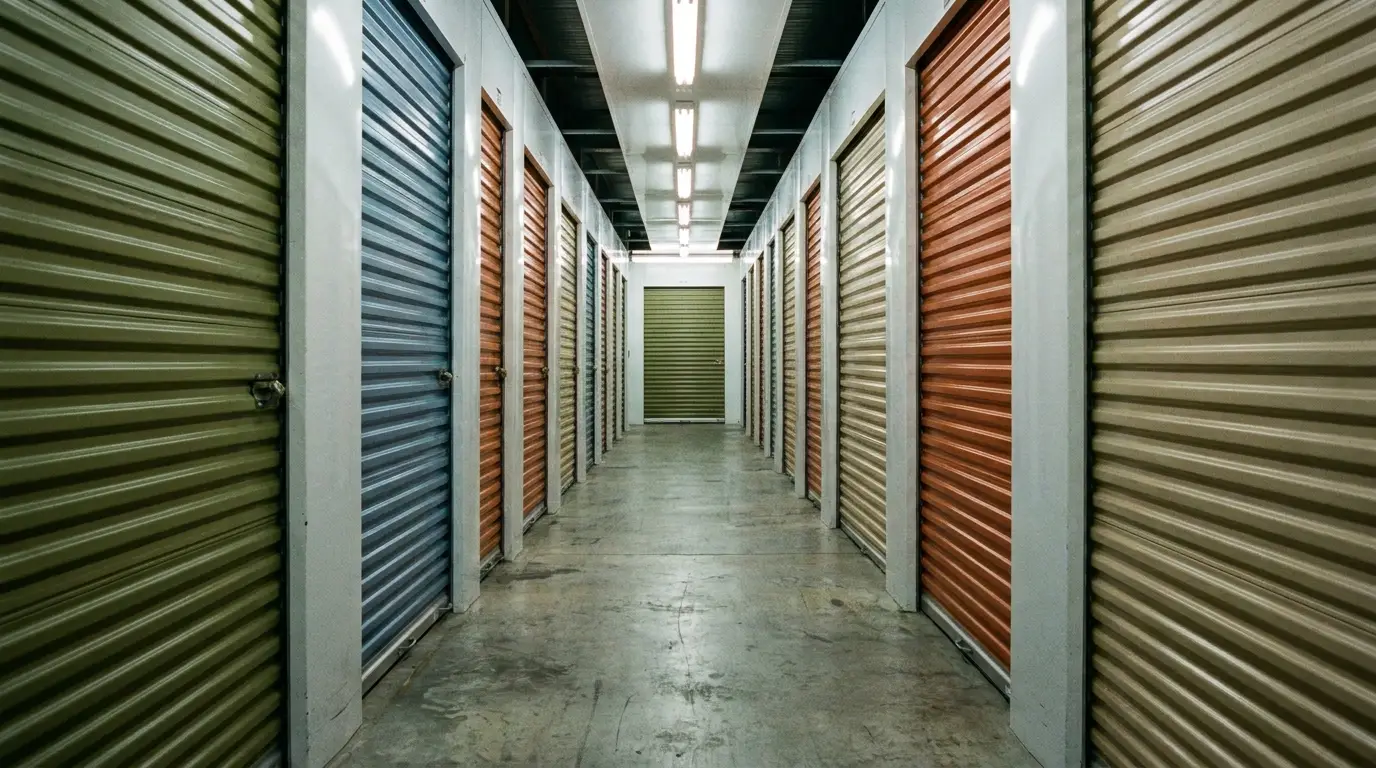
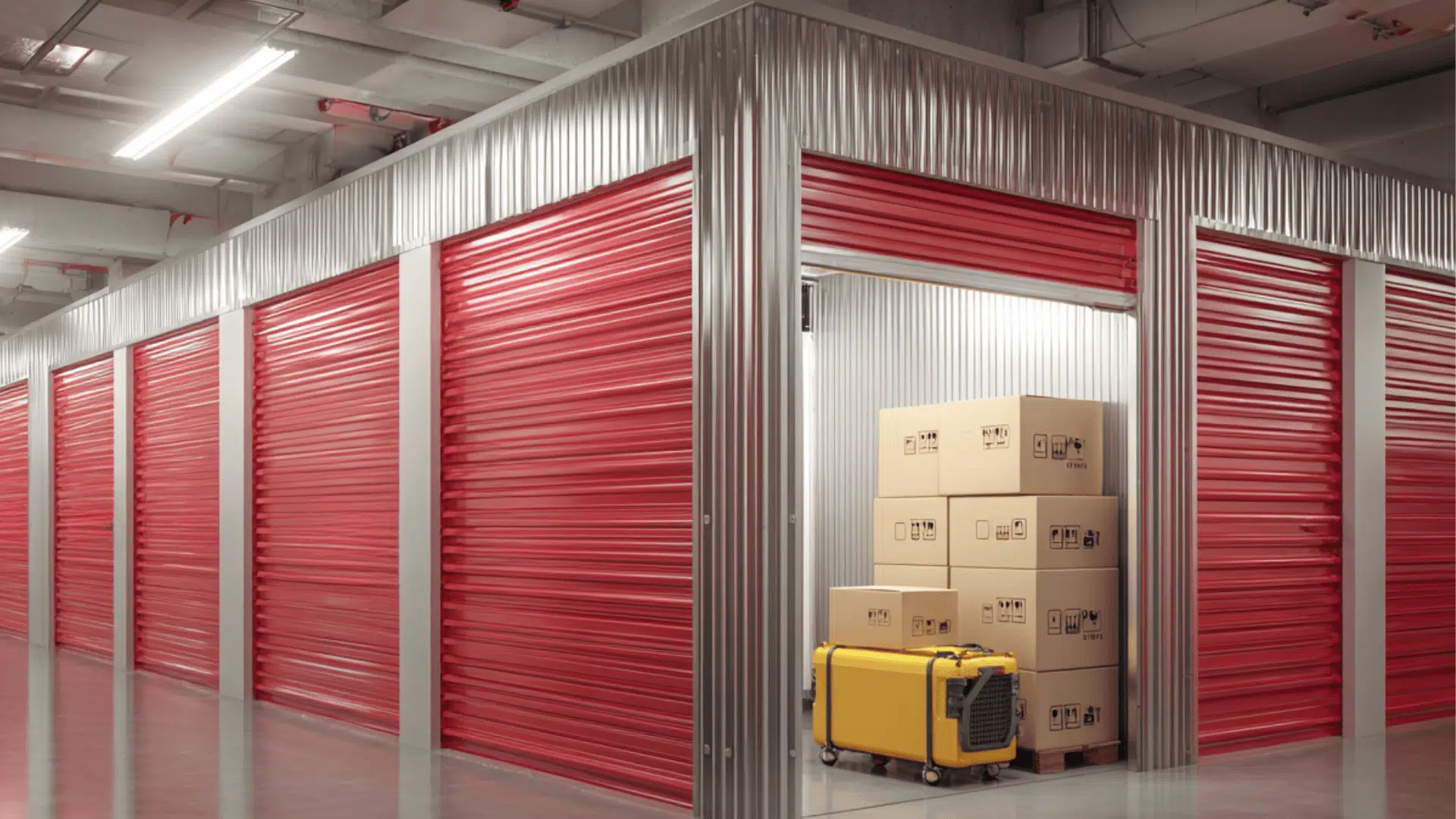
Self-storage units are rented spaces located within a storage facility. You can take your belongings to the unit yourself or hire movers to do it. Units come in a wide range of sizes and often include options like climate control and advanced security features.
For decades, self-storage units were the only real option for temporary storage until portable storage containers entered the market.
Benefits of Self-Storage Units
One of the biggest advantages of self-storage is extra security. Most facilities have gated access, surveillance cameras, and on-site staff. Climate-controlled units also provide protection from temperature swings and humidity, which is important for long-term storage.
Another benefit is flexibility in size and pricing. Whether you need a small unit for a few boxes or a large one for the contents of an entire home, there is usually an option that will fit your needs.
Self-storage facilities are also ideal for people who do not have space on their property for a container.
For short-term projects, self-storage is often more cost-effective. Monthly rates are typically predictable, and you are not paying for delivery or transport unless you hire movers.
Drawbacks of Self-Storage Units
The main downside to storing your belongings in an off-site self-storage unit is the inconvenience of having to make a trip to the facility every time you need something. That may not seem like a big deal at first, but during a renovation or move, the potential cost savings can be outweighed by the time and money you spend going back and forth.
Access to your storage unit can be another limitation. While many facilities offer extended hours, not all are open 24 hours a day. If you need late-night access or early morning flexibility, you should take this into consideration.
Cost Comparison
Cost is an important part of the equation when taking on a major project like a home renovation or a residential move. When making your decision, consider the following:
On-site storage usually involves delivery and pick-up fees for rentals or a one-time purchase price that includes transportation. While these costs can be higher upfront, you might actually save money in the long run if your project takes longer than expected.
Self-storage usually has lower monthly rates, but you need to remember that renting a truck, paying for fuel, or hiring movers can quickly close the gap between the total monthly rental fees and what you would pay for the convenience of having a shipping container on-site.
Security and Peace of Mind
Security is not just about locks and lights and motion sensors. It’s about how comfortable you feel with where your belongings are stored.
On-site storage allows you to keep an eye on your belongings 24/7. You can see your container any time of the day or night. For some people, that’s the best peace of mind money can buy.
Self-storage facilities are designed with safety in mind, and climate-controlled options add an extra layer of protection.
If you are storing valuable or temperature-sensitive items, self-storage may have the edge. If you prioritize convenience and easy access, on-site storage is the clear winner.
Which Option Is Better?
There is no one-size-fits-all answer. The best option for you depends on your priorities.
Choose on-site storage if you want maximum convenience, flexible packing, and easy access during a move or renovation. It works especially well for homeowners with enough space to accommodate a 20’ or 40’ shipping container.
Choose self-storage if you need strong security, climate control, or a long-term solution at a predictable monthly cost. It is also the better choice for those without the necessary space.
The Bottom Line
Moving and renovation projects are stressful. The right storage solution makes them easier.
Whether you choose portable on-site storage or a traditional self-storage facility, the goal is the same: to keep your belongings protected, organized, and easy to access so you can focus on getting through your move or renovation with as little disruption as possible.