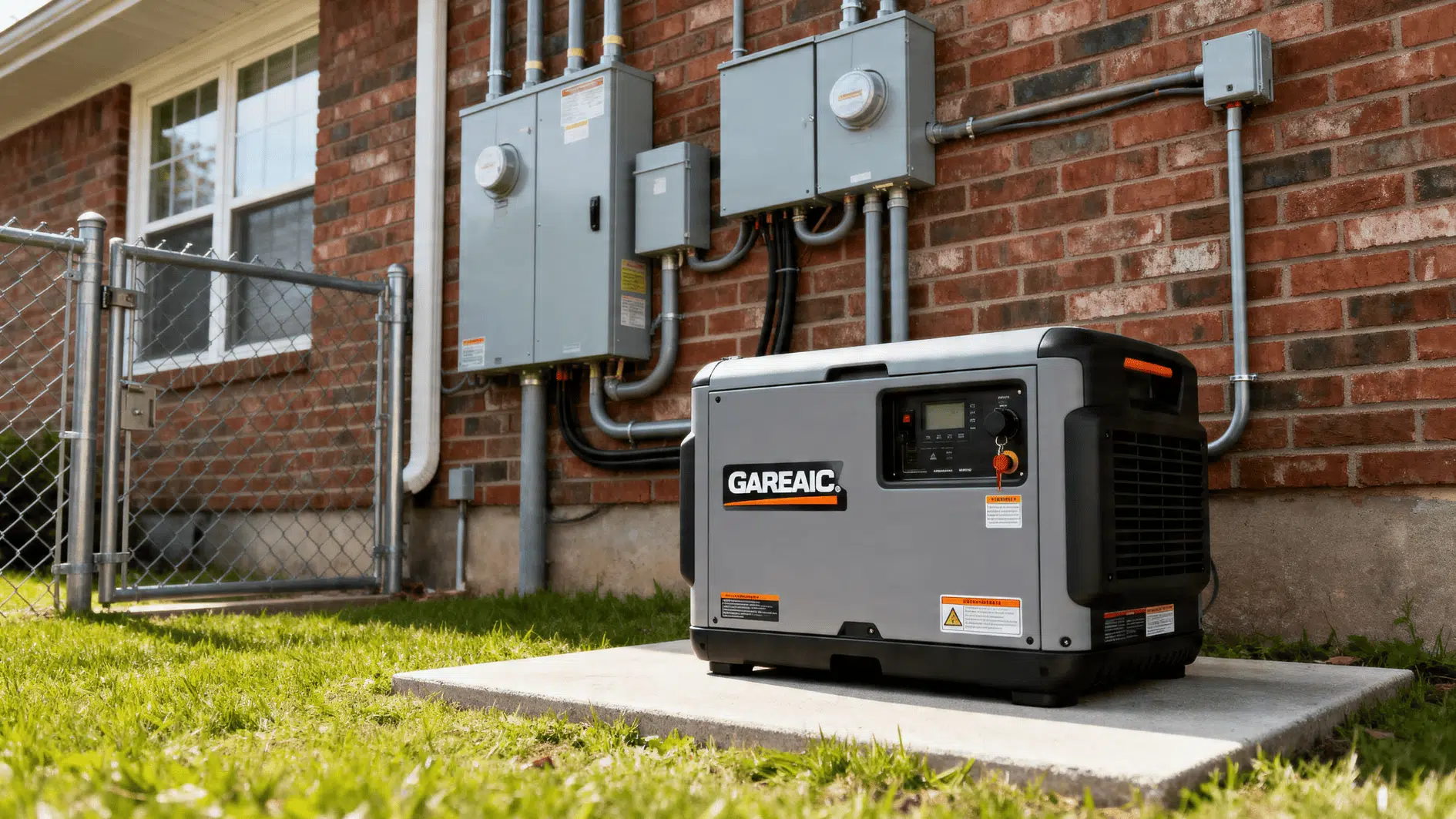
Power outages can interrupt daily routines and create inconvenience at home. Having a backup system in place helps you stay prepared when power is unavailable.
A backup generator supports essential functions like lighting, appliances, and comfort systems. It helps maintain normal living conditions during unexpected situations.
This blog explains backup generator installation in a clear and practical way. It helps you understand what to expect and how to plan for your home.
What is a Backup Generator and How Does It Work?
A backup generator is a system that supplies electricity when your main power source fails. It connects to your home and starts automatically or manually during outages. These systems run on fuel such as natural gas, propane, or diesel.
Once activated, they send power to selected circuits or the entire house, depending on your home generator installation setup.
Once the main power is restored, the system automatically switches back and shuts down the generator.
Why You Need One at Home
A backup generator keeps your home running smoothly during power outages and unexpected disruptions.
- Keeps Essentials Running – Powers lights, appliances, and daily-use devices.
- Maintains Comfort – Supports heating and cooling systems.
- Prevents Food Spoilage – Keeps refrigerators and freezers active.
- Supports Home Safety – Keeps security systems working.
- Reduces Disruption – Helps maintain daily routines.
- Useful in Emergencies – Reliable during storms and power cuts.
Types of Backup Generators
Different generator types are available based on usage and capacity. Choosing the right option is an important part ofinstalling a backup generator.
| Generator Type | Description | Best Use |
|---|---|---|
| Portable Generators | Suitable for short-term use and limited appliances | Temporary power during outages or outdoor use |
| Standby Generators | Fixed units that power multiple systems automatically | Whole-home backup during power failures |
| Inverter Generators | Compact and quieter, used for smaller loads | Light use, camping, or sensitive electronics |
Backup Generator Installation Process
The generator installation process involves several steps to ensure proper setup. It requires technical knowledge and careful planning.
Each step is important for safe and effective operation. A well-executed generator installation performs better and lasts longer.
1. Site Preparation
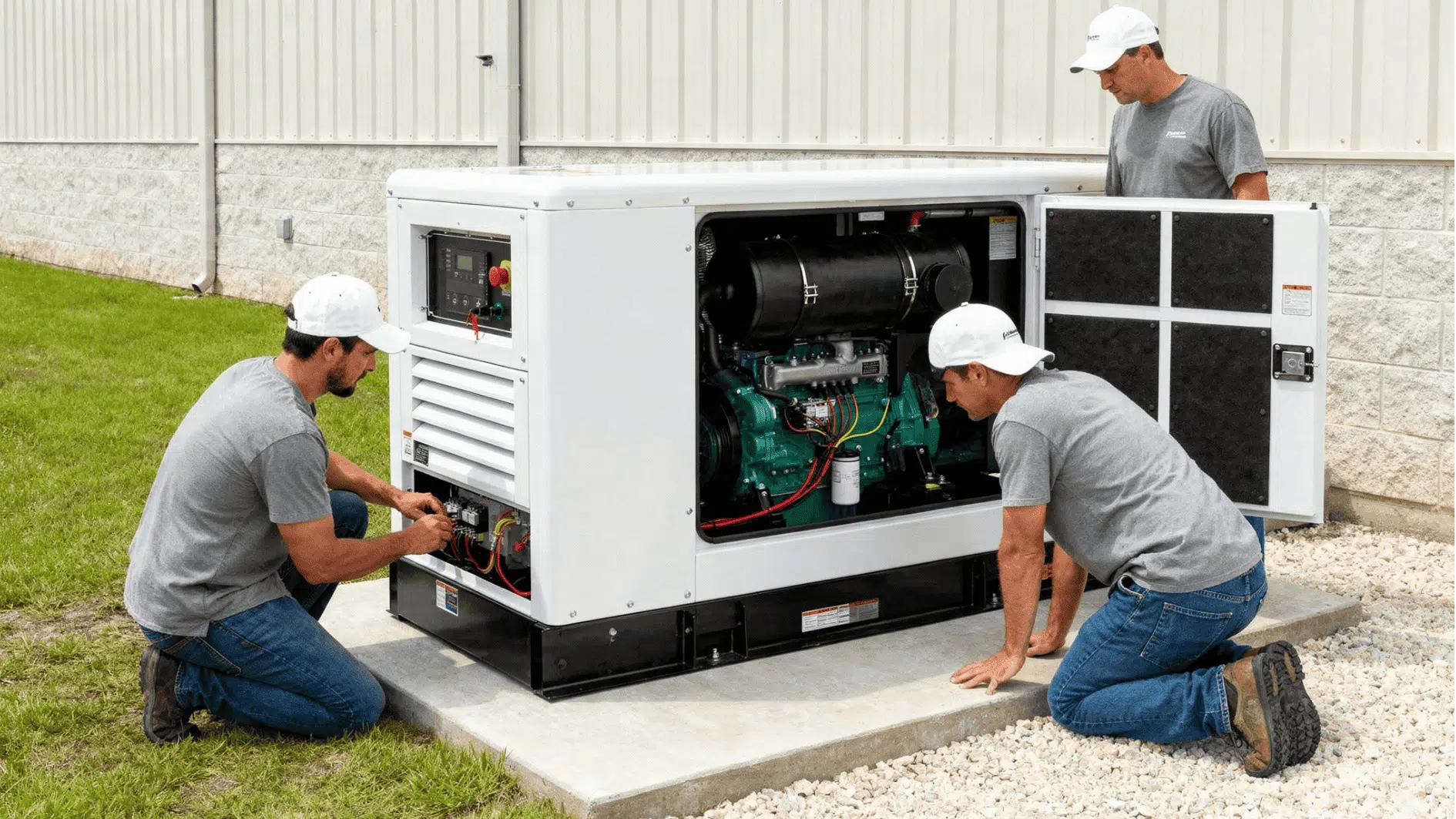
The installation area must be prepared before placing the generator to ensure stability and safety. A solid and level surface prevents shifting and helps the unit operate efficiently over time.
A concrete pad is commonly used because it provides strong support and keeps the generator elevated from ground moisture.
Proper spacing around the unit is also important to allow airflow, reduce overheating, and make future maintenance easier.
2. Electrical and Fuel Connections
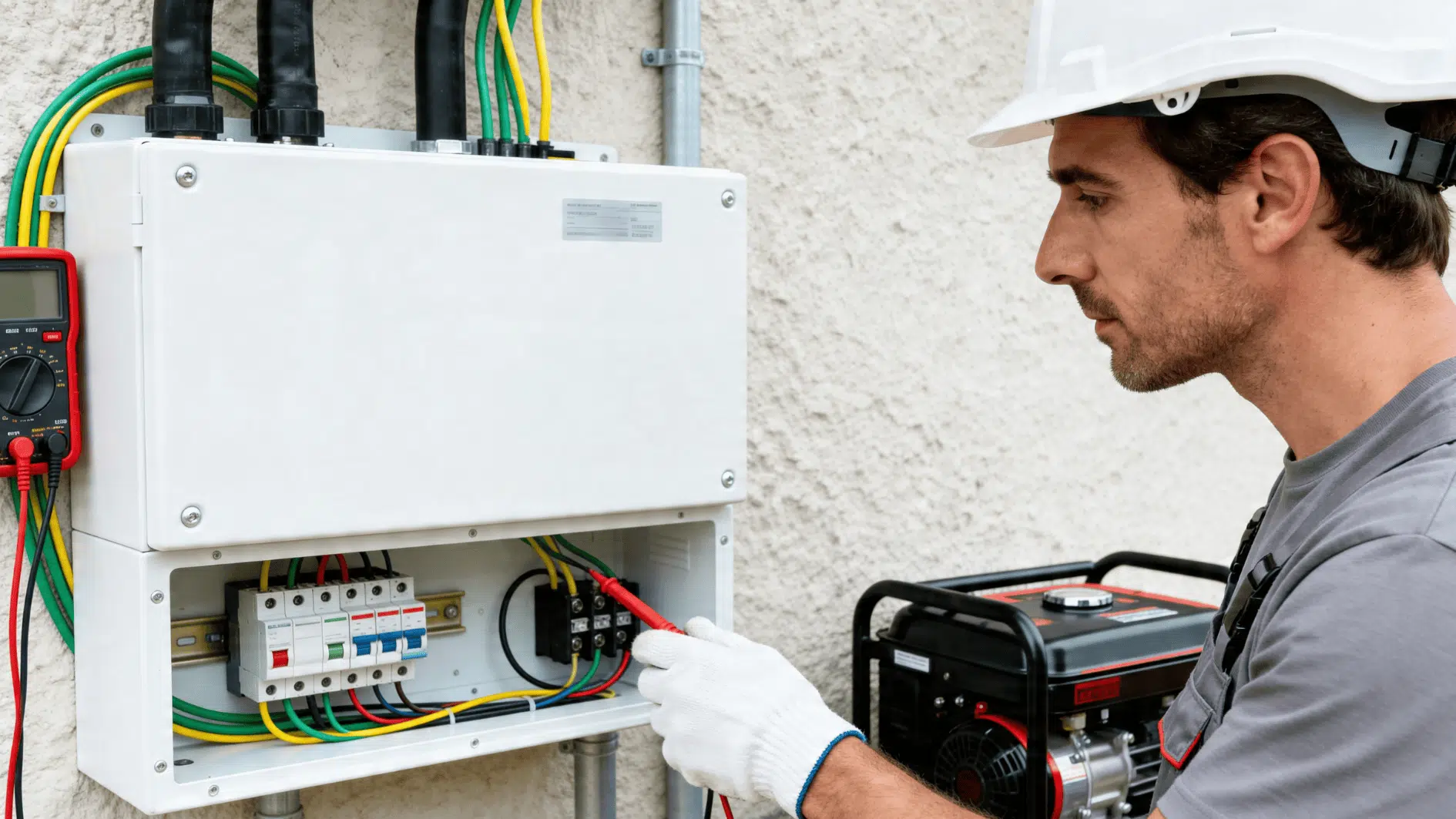
Proper electrical and fuel connections are critical for the generator to function correctly during outages. These components must be installed with precision to ensure a safe and uninterrupted power supply.
The generator is connected to the main electrical panel through a transfer switch, which helps manage power flow during outages. Fuel lines, such as natural gas or propane, are installed securely to ensure a consistent fuel supply and safe operation.
3. Testing and Setup
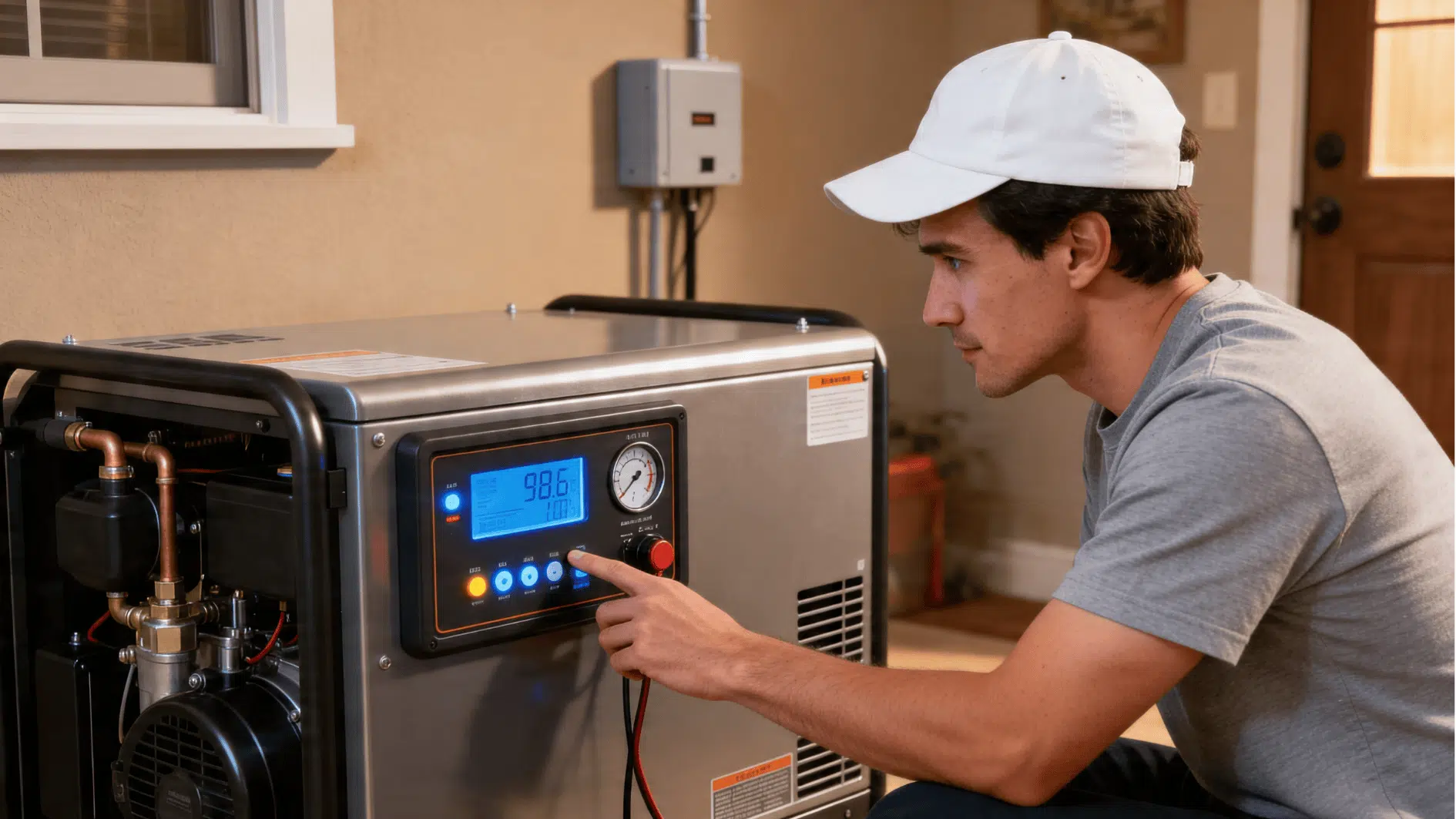
Testing is the final and most important step before the generator is ready for use. It ensures that all components are working together as expected and that the system is fully operational.
During testing, performance checks are conducted to confirm power output and system response. The automatic start feature is also tested to ensure the generator activates immediately during a power outage, providing a smooth transition without manual intervention.
Hiring Experts for Backup Generator Installation
Choosing professional services for the installation of a backup generator ensures a safe, code-compliant, and efficient setup.
Experts handle sizing, connections, permits, and inspections, making the installation smooth and reducing the risk of errors or future issues.
- The Home Depot Generator Installation Services – Connects you with local authorized installers and offers consultation, site inspection, and full setup support. (Best for: Nationwide coverage and bundled installation services)
- Mr. Electric – Provides professional home generator installation with licensed electricians, ensuring proper wiring and code compliance, along with maintenance support. (Best for: Licensed electricians and full electrical integration)
- Generator Supercenter – Focuses on whole-house standby generator systems with experienced technicians handling complete installation. (Best for: Whole-home backup solutions)
- Global Power Supply – Offers nationwide installation, system setup, monitoring, and maintenance for residential and commercial needs. (Best for: Complete installation and ongoing system support)
Cost Factors to Consider
Safety plays a major role in any backup generator installation. Taking proper precautions helps prevent hazards and ensures the system operates smoothly over time.
| Cost Factor | What to Consider | Price Range (Approx.) |
|---|---|---|
| Generator Type and Size | Portable vs standby vs whole-home units | $500 – $25,000+ depending on capacity |
| Installation Complexity | Simple vs complex wiring, distance, setup | $1,000 – $12,000+ based on difficulty |
| Fuel Setup | Gas, propane, or diesel systems | $500 – $2,000 for fuel systems and setup |
| Labor Charges | Professional electrician and setup time | $1,000 – $5,000+ depending on hours and system size |
Maintenance After Installation
Regular maintenance keeps your generator reliable and ready when you need it most. It helps prevent breakdowns and ensures smooth performance during outages.
- Run Routine Inspections: Check for leaks, loose parts, or visible wear to catch issues early.
- Change Oil and Filters: Keeps the engine clean and running efficiently over time.
- Test the Generator Regularly: Running it occasionally ensures it starts and works properly.
- Check Fuel Levels and Quality: Prevents starting issues caused by old or low fuel.
- Inspect Battery and Connections: Ensures the generator powers on without delays.
- Keep the Unit Clean: Removes dust and debris that can affect performance.
- Follow Manufacturer Guidelines: Helps maintain warranty and proper long-term use.
Conclusion
Installing a generator is an important step toward keeping your home prepared during outages. A properly installed backup generator ensures essential systems continue to run without disruption.
Many homeowners look for skilled professionals to install home generators to ensure everything is set up correctly. Professional support helps avoid issues and ensures safe operation.
Choosing the right service provider gives you confidence that your system will work when needed. A well-executed backup generator installation helps maintain comfort and stability in your home.