Moving day can look simple from the outside. One resident leaves, another arrives, and the property moves on. In reality, every move creates a chain of small handoffs between residents, property staff, movers, maintenance teams, cleaners and other service partners.
That is why a moving checklist is more than a courtesy document. It is a practical coordination tool.
Moving Is a Shared Workflow
A good move depends on timing. Residents need access instructions. Movers need parking or loading details. Property teams need to know when keys are returned, when the unit is inspected and whether repairs or cleaning still need to happen.
This is where moving coordination starts to overlap with logistics. Jack Cooper’s article on fleet efficiency metrics every field service business should track shows how service operations depend on route planning, vehicle use, maintenance visibility and timing. A property move is smaller in scale, but the pressure is similar: people, assets and schedules need to line up.
When one step is unclear, the whole process becomes harder. A moving truck may arrive before a loading space is available. A cleaner may be scheduled before the unit is empty. A resident may not know where to collect keys.
What a Moving Checklist Should Actually Cover

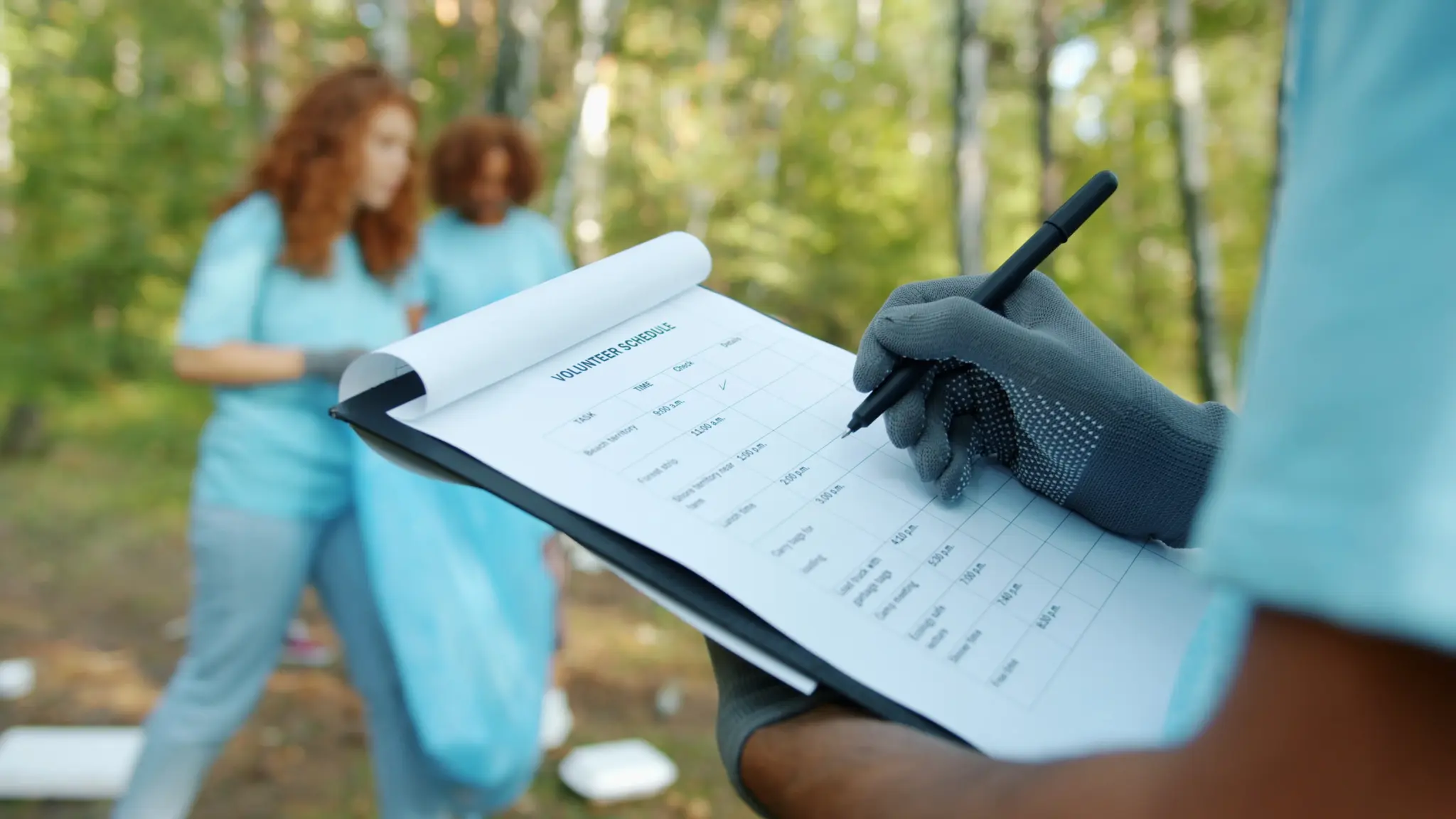
A useful checklist should make responsibilities obvious. It should not just say “prepare for moving day.” It should separate the process into clear stages.
For example:
- Before the move: confirm move date, elevator access, parking instructions, utility setup and resident contact details.
- During the move: manage key pickup, loading zones, vendor arrival times and building access.
- After the move: complete inspection notes, cleaning status, maintenance requests, deposit items and final documentation.
That structure helps property teams and service partners work from the same version of the plan.
Maintenance Readiness Can Make or Break the Move
Even a well-planned move can stall if the unit is not ready. A small repair, missing inspection note or delayed vendor update can create a bigger problem when a new resident is waiting to move in.
McKinsey’s article on a smarter way to digitize maintenance and reliability makes a broader point that applies here: maintenance works better when teams move away from scattered, reactive processes and toward clearer systems.
For property teams, that means move-related maintenance should not live only in emails, texts or someone’s memory. It should be tied to the unit, the move date and the next person responsible.
Where Property Teams Need Better Coordination
As portfolios grow, moving checklists become harder to manage manually. One move-out may involve inspection notes, vendor scheduling, resident communication, final bills and new lease preparation. Multiply that across several units, and small gaps become easy to miss.
This is where rental management software becomes relevant. The value is not just storing property information. It is keeping move-related tasks, documents, maintenance updates and communication in one workflow so property teams can see what is done, what is delayed and what still needs attention.
The same logic applies to service partners. Movers, cleaners and maintenance vendors all work better when timing and access details are clear before they arrive.
Better Checklists Reduce Last-Minute Surprises

Moving coordination will always involve some unpredictability. Trucks run late. Repairs take longer than expected. Residents forget steps. But a stronger checklist gives teams a better chance to catch issues before they become delays.
Deloitte’s overview of predictive maintenance technologies focuses on larger operational environments, but the principle is useful here too: better visibility helps teams act earlier instead of waiting for disruption.
For property managers, that may be as simple as knowing which units still need cleaning, which vendors are confirmed and which residents still need instructions.
A Better Move Starts Before Moving Day
The best moving checklists do not try to control every detail. They make the important details visible soon enough for someone to act.
That helps residents feel prepared, service partners arrive with the right information and property teams avoid avoidable friction. Moving day may be temporary, but the coordination behind it affects the entire resident experience..