In Pittsburgh, where older homes often come with dated bathrooms and worn-out fixtures, making a few targeted updates can dramatically improve both comfort and functionality without requiring a full renovation.
Bathroom upgrades don’t have to mean a giant mess, a giant bill, or a giant headache. If your space feels tired every morning, a few smart changes can make a big difference in how your day starts and ends. The bathroom is one of those rooms you use constantly, so comfort matters more than people admit. A better shower, easier storage, and cleaner finishes can turn a rushed routine into something that feels calmer, simpler, and a lot less grumpy.
Why Updates Matter
If your bathroom still feels stuck in another decade, you notice it every single day. In many Pittsburgh homes—especially those built years ago—bathrooms often show their age through outdated layouts, worn fixtures, and showers that no longer meet the needs of modern households. What may have worked decades ago can now feel cramped, inefficient, and difficult to maintain.
A dated shower can make the entire space seem darker, smaller, and less inviting. That’s why many homeowners start by exploring shower replacement in Pittsburgh when their current setup begins to feel worn out, uncomfortable, or simply out of step with the rest of the home. Upgrading the shower is often one of the fastest ways to refresh the look and function of the bathroom without committing to a complete remodel.
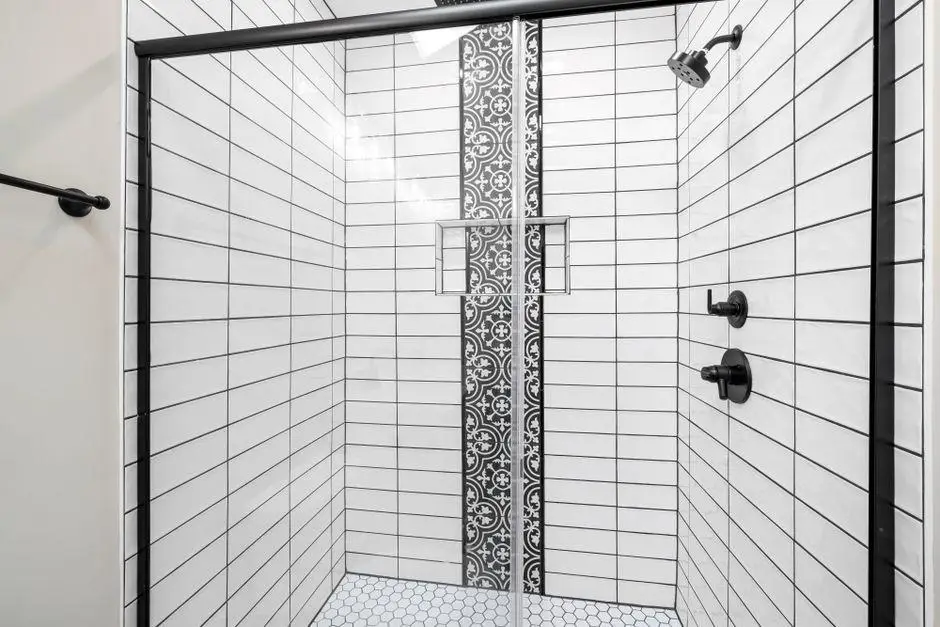
The shower is usually the focal point of the room, for better or worse. If it leaks, shows years of staining, has outdated tile, or features a high threshold that feels awkward or unsafe, it can affect your entire daily routine. Even when the rest of the bathroom is still in decent shape, an aging shower can make the whole space feel neglected and less enjoyable to use.
Signs to Stop Waiting
Some bathroom problems are easy to ignore until they become impossible to ignore. A cracked shower base, peeling caulk, mystery stains, or grout that always looks dirty can all be signs your space needs attention. If you keep cleaning and it still looks rough, the issue may be more than surface deep.
Leaks are another big clue. Even small drips can lead to hidden moisture problems, and that’s when bathrooms start acting like tiny trouble factories. Moldy smells, soft spots, or water where it shouldn’t be are your warning bells.
Function matters too. Maybe the door sticks, the shelves are useless, or the layout makes you bump into things before coffee. That kind of daily annoyance adds up fast.
When your bathroom becomes harder to use, harder to clean, and less pleasant to look at, waiting usually doesn’t save you stress. It often just gives the problem more time to grow legs.
Focus on Daily Comfort
The best bathroom upgrades usually solve the little annoyances that bug you every day. Think about what slows you down in the morning or makes the room feel awkward at night. That’s where comfort-focused planning helps.
A walk-in shower can make entry easier and the room feel more open. Better lighting around the mirror can save you from getting ready in what feels like a cave. A built-in shelf or niche gives shampoo bottles an actual home instead of balancing like acrobats on a ledge.
You might also want simple comfort features like:
- A handheld showerhead for flexibility
- A bench or seat for easier use
- Slip-resistant flooring for safety
- Storage that keeps counters less chaotic
None of these ideas are flashy on their own. Together, though, they can change how the whole room feels. A bathroom should help you wake up, wind down, and move through the day without making you wrestle the furniture.
Choose Low-Stress Materials
When picking bathroom materials, pretty is nice, but easy is better. You want surfaces that look good and don’t ask for a full cleaning speech every weekend. Low-maintenance choices are often the real heroes in a remodel.
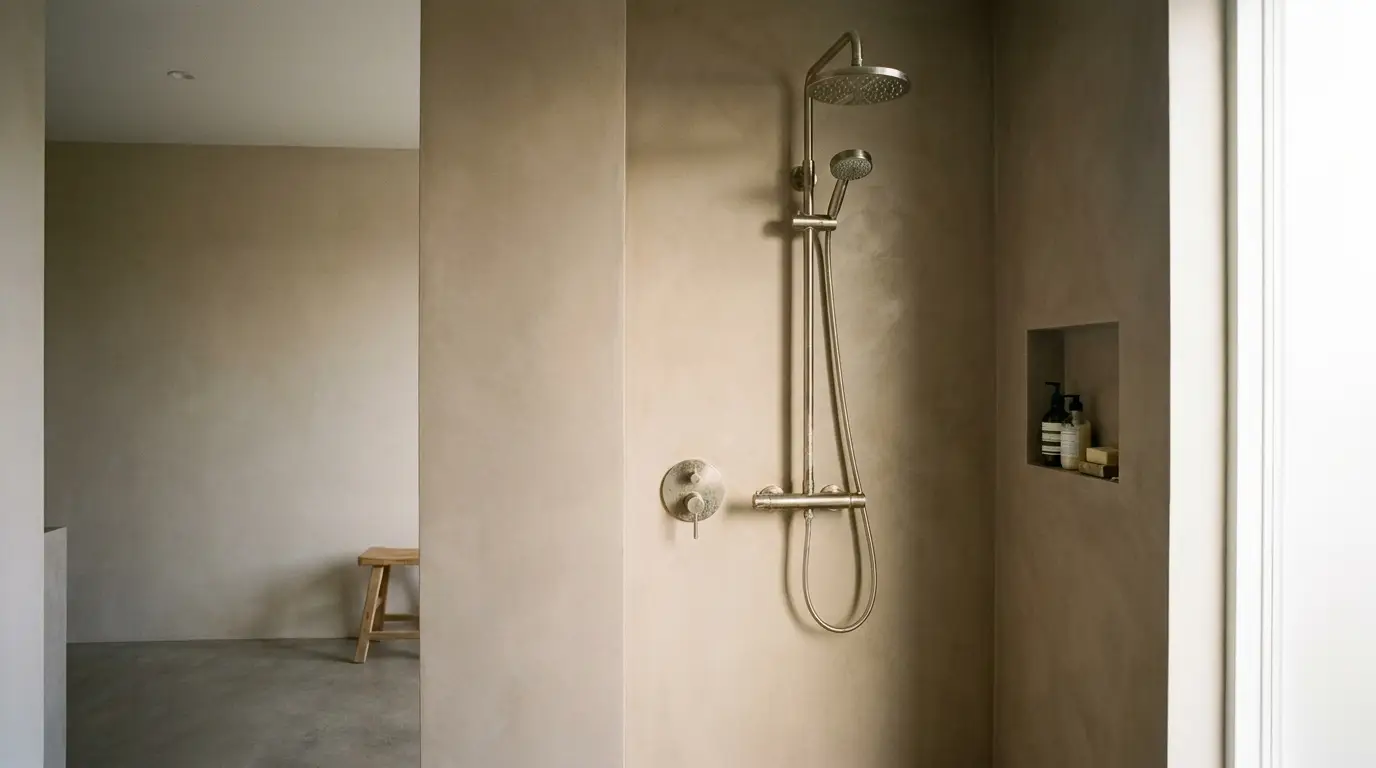
Smooth wall surrounds, durable shower pans, and quality fixtures can cut down on scrubbing and help the room stay looking fresh longer. Fewer grout lines often mean fewer places for grime to move in and act like it pays rent.
For finishes, neutral tones tend to age well and work with more styles over time. They also make future updates easier if you want to change paint, towels, or hardware later.
Try to think beyond the showroom moment. That bright trend may look fun today, but ask yourself how it will feel on a sleepy Tuesday six years from now. The best choices usually balance style, durability, and sanity. If a material saves you time and frustration, that’s real value.
Plan Around Your Routine
A bathroom works best when it fits the people who actually use it. That sounds obvious, but many upgrades go wrong because they focus only on looks. Before making choices, think about your routine.
Do two people get ready at once? Do kids use this bathroom too? Is it mainly for guests, or is it your everyday space? Those answers should shape the design. A family bathroom may need tougher materials and more storage. A primary bath may need comfort and convenience first.
If someone in the home has mobility concerns, a low-threshold shower, grab bars, or a built-in seat may be worth considering now instead of later. Planning ahead can help you avoid another remodel down the road.
It also helps to notice traffic patterns. If the door swings into everything or the storage is too far from where you need it, the room will always feel clumsy. A good plan supports your habits instead of fighting them.
Budget Without Surprises
Bathroom projects get less stressful when you know what matters most before spending starts. Begin with your must-haves. Those are the things that solve real problems, like replacing a failing shower, improving safety, or fixing damage.
Then list your nice-to-haves. Maybe that includes upgraded fixtures, a fancier finish, or extra built-in storage. If your budget needs trimming, those are easier to adjust without losing the heart of the project.
A few smart budgeting habits can help:
- Ask for clear, detailed estimates
- Keep a small cushion for surprises
- Choose quality for high-use items
- Avoid changing plans mid-project
Labor is a major part of the total cost, and it’s not the place to play guessing games. Clear communication matters a lot. If you understand what is included from the start, you’re less likely to get hit with those nasty little budget plot twists nobody enjoys.
Make the Change Count
A good bathroom refresh should make your life easier the moment it’s done. It should look better, sure, but it should also feel better to use on an ordinary day. That’s the real win.
The most worthwhile updates usually improve comfort, function, and peace of mind all at once. Maybe that means a shower that’s easier to step into, materials that don’t trap grime, or storage that finally makes sense. Small changes can have a huge effect when they match your routine.
There’s also the bigger picture. Bathrooms matter to future buyers, and clean, practical improvements often help your home feel more cared for overall. You don’t need a spa worthy of a celebrity to make a smart investment.
If your current space is more frustrating than functional, it may be time to stop putting up with it. A better bathroom can make everyday life smoother, and that’s not a small thing. Comfort counts, even in a room full of towels.