Your electrical panel plays a central role in how power flows through your home, yet it often goes unnoticed until problems start appearing. When issues arise, replacement becomes something you can’t ignore.
Understanding the cost to replace an electrical panel helps you prepare for the expense and avoid surprises. It also gives you clarity on what affects pricing and why costs can vary.
This blog walks you through the key details, from pricing and factors to real-life insights. It helps you make informed decisions based on your home and needs.
How an Electrical Panel Powers Your Home
Your electrical panel is the control center that distributes electricity throughout your home. It ensures your appliances, lighting, and systems receive power safely and efficiently.
An outdated or overloaded panel can lead to safety concerns and performance issues. Keeping it in good condition is essential for smooth daily use.
The panel manages and directs electricity across different circuits in your home. It also protects your system from electrical overloads.
- Distributes power to rooms and appliances
- Prevents overloads and short circuits
- Supports safe use of the electrical systems
When Should You Replace Your Electrical Panel?
Recognizing early signs of panel issues can help you avoid costly damage or safety risks, as many problems develop gradually before becoming obvious.
Replacing the panel at the right time keeps your home safe and ensures a steady power supply without interruptions.
Common warning signs include breakers that trip frequently, lights that flicker or dim unexpectedly, and a panel that feels warm or gives off a burnt smell.
Older fuse-based systems are also a clear indicator that an upgrade or replacement may be needed to meet current electrical demands.
Electrical Panel Replacement Cost Breakdown
Electrical panel replacement costs vary based on various factors. Higher amperage panels cost more, with most homes using 100 to 200 amps.
| Category | Type/Size | Cost / Details |
|---|---|---|
| Typical Cost Range | Standard replacement | $1,500 to $3,000 |
| Typical Cost Range | Larger/complex setup | $3,000 to $5,000 |
| Panel Size | 100-amp panel | Lower cost, ideal for smaller homes |
| Panel Size | 200-amp panel | Most common for modern homes |
| Panel Size | 400-amp panel | Higher cost for large or high-demand homes |
Factors That Affect Replacement Cost
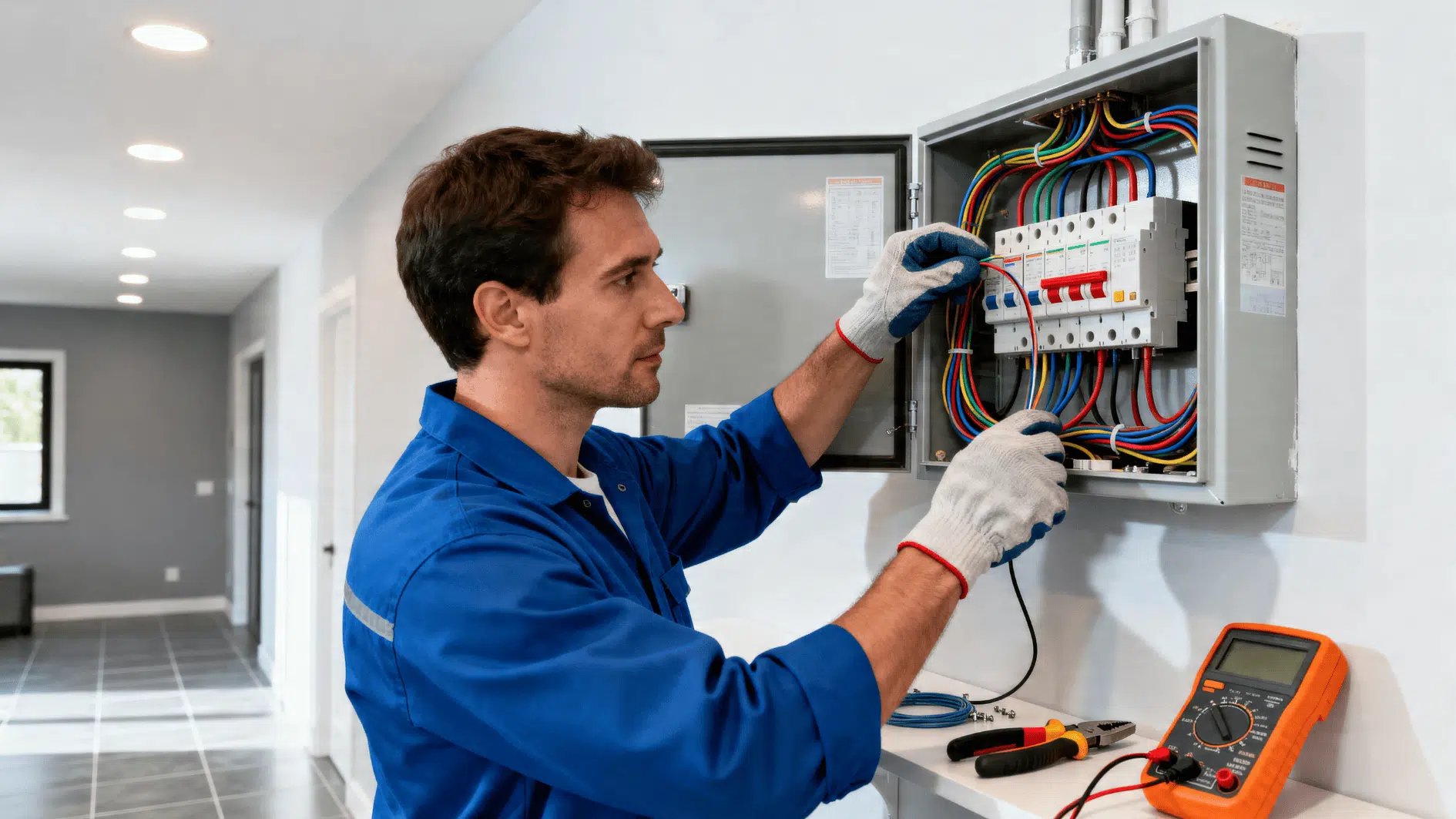
Several elements influence the final cost beyond just the panel itself, and these can vary from one home to another. They often determine how simple or complex the overall project will be.
The total cost includes both the panel unit and the work needed for safe installation and compliance. Even small differences in setup, home age, or electrical demand can impact the final price.
- Labor and electrician fees: Skilled electricians charge based on experience and job complexity, making labor one of the largest cost components.
- Permits and inspection costs: Local regulations require permits and inspections, which add to the overall expense but ensure the work meets safety standards.
- Panel size and capacity: Higher amp panels cost more due to increased materials and installation requirements.
- Wiring upgrades or repairs: Older homes may need rewiring or system updates, which can increase both time and cost.
- Location and accessibility: Panels in tight or hard-to-reach areas require more effort to replace, raising labor costs.
- Additional components: New breakers, grounding systems, or meter upgrades may be needed for proper installation.
- Code compliance updates: Bringing the system up to current electrical codes can add extra steps and expenses.
Considering these factors in advance helps you better plan your budget and avoid unexpected costs during the replacement process.
Repair vs. Replacement: Choosing the Right Option
Choosing between repairing or replacing an electrical panel depends on its current condition and future needs. Small issues can often be fixed quickly, but ongoing problems may point to a bigger upgrade.
| Factor | Repair Electrical Panel | Replace Electrical Panel |
|---|---|---|
| Cost (Upfront) | Lower | Higher |
| Long-Term Value | May increase over time with repeat fixes | Better long-term investment |
| Best For | Minor issues (breaker, loose wiring) | Old or overloaded panels |
| Performance | Limited improvement | Improved efficiency and capacity |
| Safety | Depends on condition | Higher safety with updated system |
| Future Readiness | May not support new appliances | Supports modern electrical needs |
| Resale & Insurance | Little impact | Can improve home value and insurance approval |
Electrical Panel Replacement: Real User Experiences
Many homeowners share that their actual costs depend heavily on panel size and home condition. Older homes tend to have higher costs due to outdated wiring and code upgrades
“I was quoted around $2,000 initially, but after inspection and code updates, the final cost ended up being closer to $4,500.” – grantpfl33, Reddit
“Upgrading from 100 amps to 200 amps made a big difference in cost, but it was necessary to support new appliances and future upgrades.” – ElectricUpgradePro, Reddit discussion
“Labor was easily the biggest cost in my case, especially since the panel location was hard to access and required extra work.” – DIYHomeFixer, Reddit (r/HomeImprovement)
Householder’s Opinion on Electrical Panel Costs
Many homeowners feel the cost is higher than expected, especially when additional upgrades are required during the process. Discussions often highlight that initial quotes can change once electricians assess the full condition of the system
“The panel itself wasn’t that expensive, but the labor, permits, and small fixes added up quickly and made the total much higher than I planned.” – BudgetRenovator, Reddit discussion
“If you’re already doing renovations, it makes sense to upgrade your panel at the same time because doing it later costs more and involves extra work.” – RenoPlanner22, Reddit (r/Homeowners)
“I didn’t realize how important panel capacity was until my electrician explained how modern appliances need more power than older setups.” – SmartUpgrade, Quora discussion
Tips to Save Money on Panel Replacement
Planning ahead and making informed choices can help you control costs effectively. Small, timely actions can prevent higher expenses in the future.
- Plan ahead: Preparing early helps reduce unexpected costs and improves budgeting.
- Compare quotes: Get estimates from multiple electricians to find a fair price.
- Schedule during renovations: Combining work can lower overall labor costs.
- Avoid delays: Address issues early to prevent expensive emergency replacements.
- Choose the right panel size: Avoid overspending on capacity you don’t actually need.
- Check for rebates or incentives: Some areas offer financial support for electrical upgrades.
- Maintain your system regularly: Preventive care can reduce the need for major repairs later.
- Work with experienced professionals: Proper installation helps avoid costly fixes in the future.
Conclusion
The cost to replace an electrical panel depends on factors like panel size, labor, and installation complexity. Understanding these details helps you plan with more confidence.
Many homeowners rely on shared experiences and discussions to get a clearer idea of pricing and outcomes. These insights can help you avoid common mistakes.
Taking time to compare options and plan ahead ensures a smoother process. It also helps keep your home’s electrical system safe and efficient for everyday use.
Frequently Asked Questions
Can I upgrade my electrical panel without rewiring my house?
Yes, you can upgrade your electrical panel without a full rewire if your existing wiring is safe and up to code. An electrician will check the condition before proceeding.
Does homeowners’ insurance cover electrical panels?
Homeowners’ insurance may cover electrical panel damage if caused by sudden events like fire or lightning. It usually does not cover damage from age or lack of maintenance.
Is a 20-year-old wiring still safe?
20-year-old wiring is generally safe if it is in good condition and properly installed. Regular inspection helps ensure it meets current safety standards.
How long does it take to replace an electrical panel?
Replacing an electrical panel typically takes 4 to 8 hours of active work. The full process, including permits and inspection, may take several days.