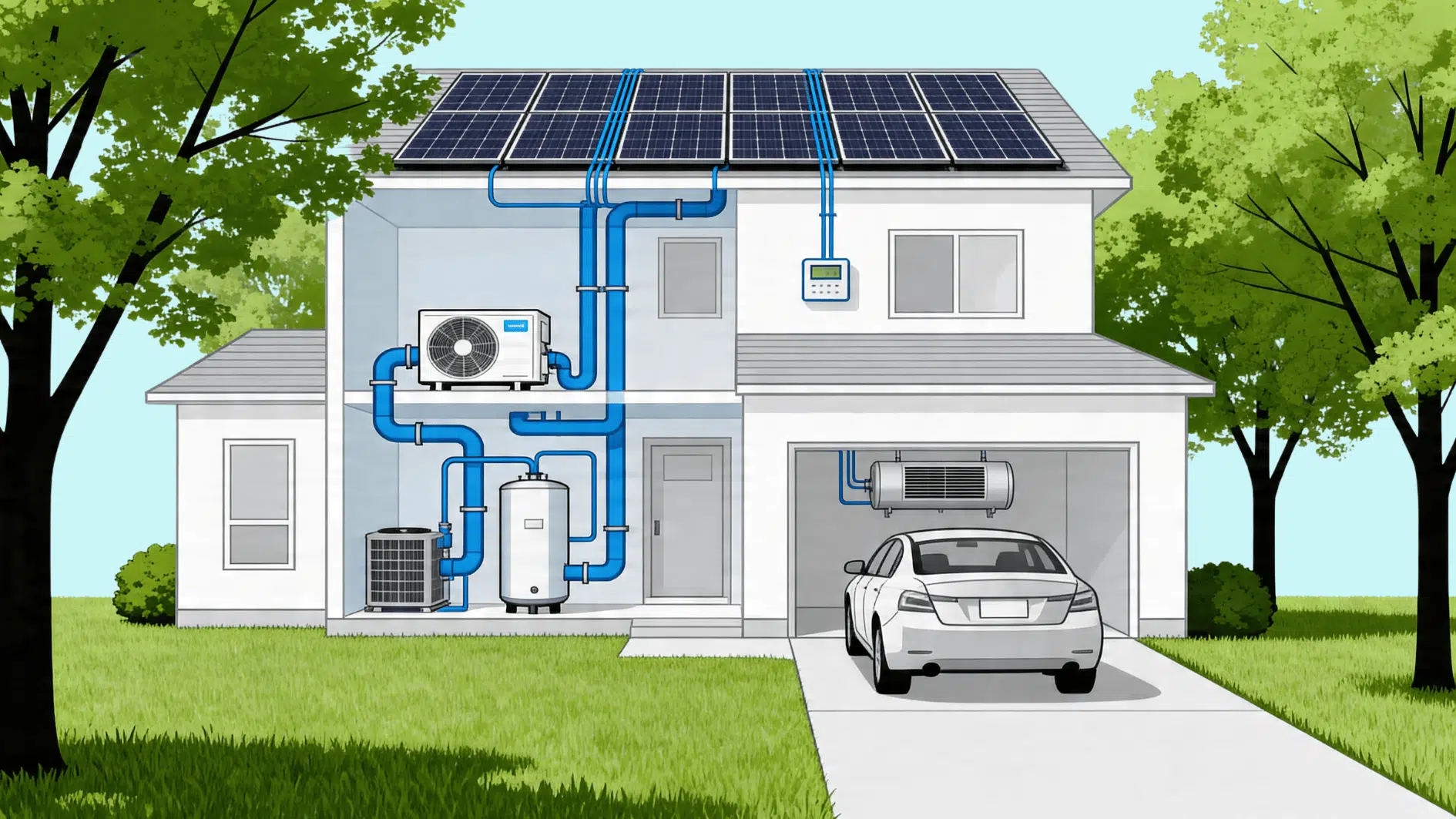
You rely on heating and cooling systems every day to stay comfortable at home or work. These systems account for a large portion of your total energy use.
When you choose energy-efficient HVAC systems, you reduce unnecessary energy consumption while maintaining consistent comfort.
Working with a trusted HVAC contractor in San Jose can also help ensure proper system selection, installation, and long-term efficiency.
In this blog, you will understand how these systems work, key features to consider, and how to choose the right solution for your space.
What are Energy Efficient HVAC Systems?
You may hear the term often, but understanding it clearly helps you make better decisions. Energy-efficient HVAC systems are designed to provide heating and cooling with less energy while maintaining performance.
These systems use advanced components, including improved compressors, better insulation, and smart controls. Instead of running at full capacity all the time, they adjust based on your needs.
Traditional systems often cycle on and off frequently, increasing energy use. Efficient systems maintain steady performance, leading to better temperature control and lower power consumption.
Key Benefits
- Lower Energy Bills: Efficient systems use only the energy needed to maintain comfort, helping you reduce monthly utility expenses over time.
- Consistent Indoor Comfort: You experience stable temperatures with fewer fluctuations, ensuring a more comfortable living or working environment.
- Better Airflow and Humidity Control: Improved airflow and balanced humidity levels create a healthier, more pleasant indoor environment.
- Quieter Operation: These systems run more smoothly, reducing noise and creating a peaceful indoor environment.
Types of Energy-Efficient HVAC Systems
Different HVAC systems offer varying levels of efficiency. You should choose one based on your space, budget, and specific requirements.
| System Type | Best For | Key Benefit | How It Works |
|---|---|---|---|
| Central Air Conditioning | Large homes/spaces | Whole-home cooling | Uses ducts to distribute cool air throughout |
| Ductless Mini-Split | Specific rooms/zones | Energy-efficient, zoned control | Delivers air directly without ductwork |
| Heat Pump | Year-round use | Heating and cooling in one system | Transfers heat instead of generating it |
Features to Look for in an HVAC System
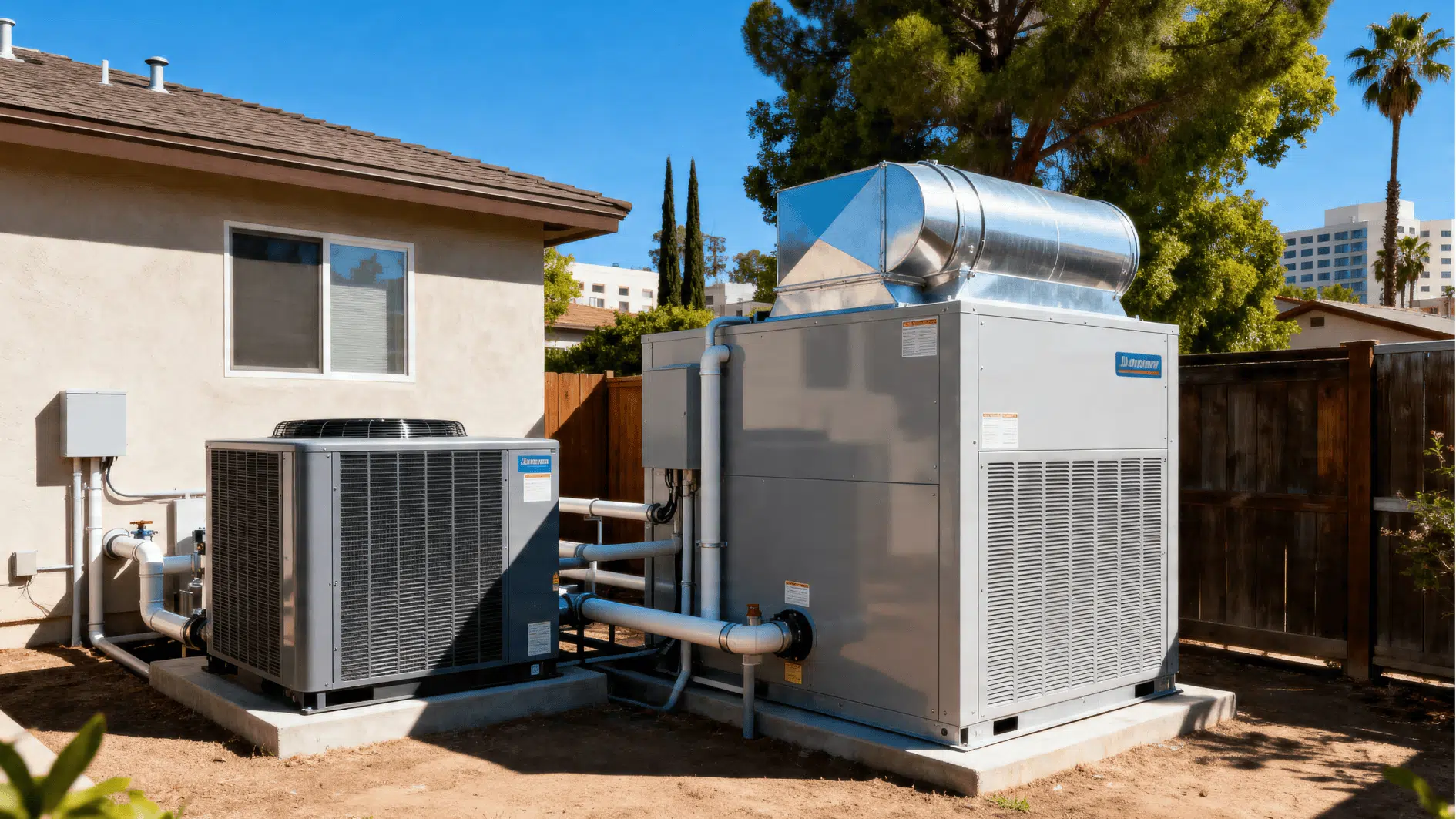
Before selecting an HVAC system, you should understand the features that contribute to energy efficiency. These elements help you compare options and choose the right system for your needs.
Efficiency Ratings (SEER & EER)
Efficiency ratings show how effectively a system uses energy. Higher SEER and EER values indicate better performance and lower energy use.
Key Points:
- Higher SEER = better seasonal efficiency
- EER shows steady-condition performance
- Helps estimate energy costs
- Useful for comparing models
- Supports ENERGY STAR standards
- Improves long-term value
Variable Speed and Smart Controls
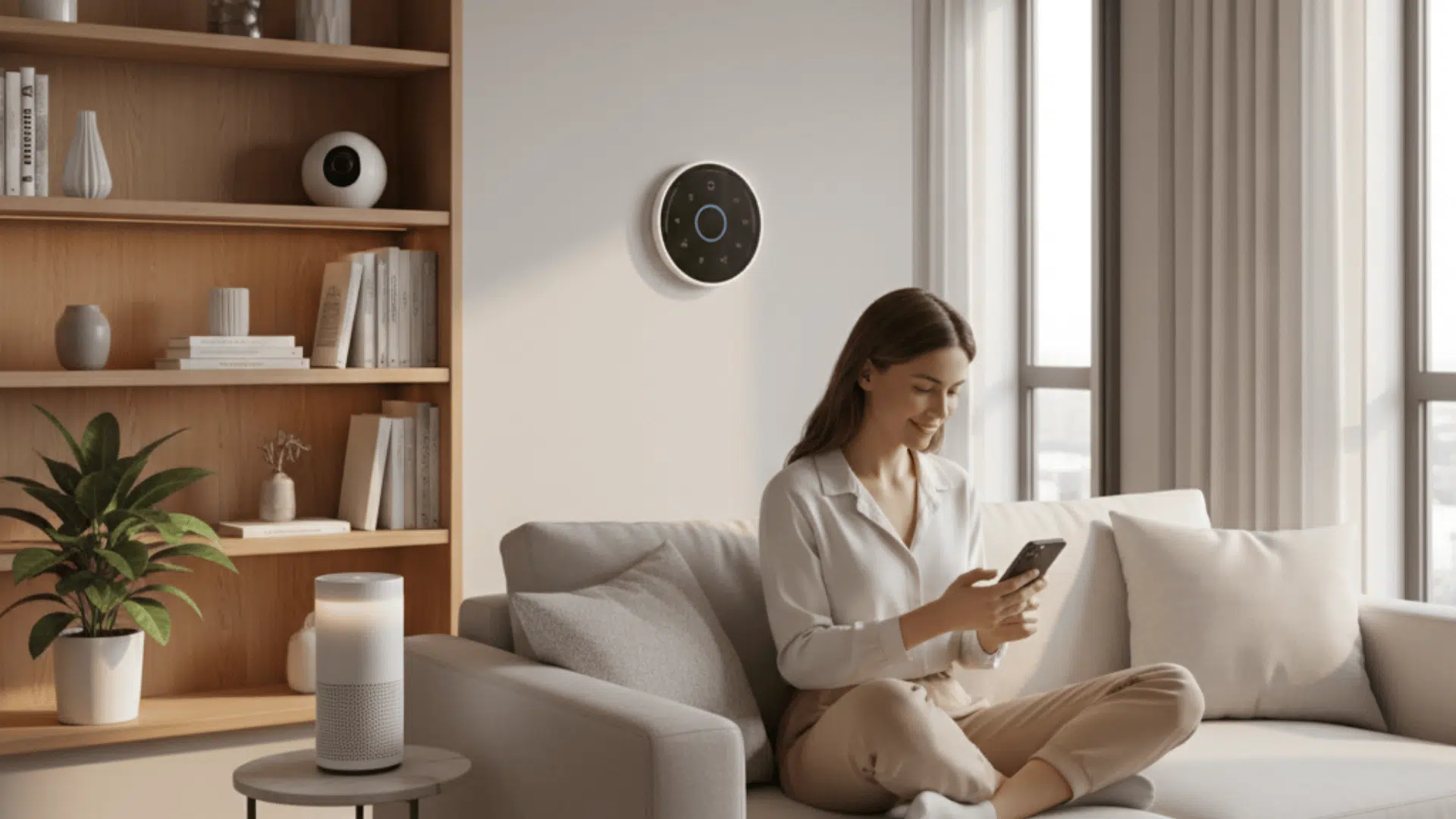
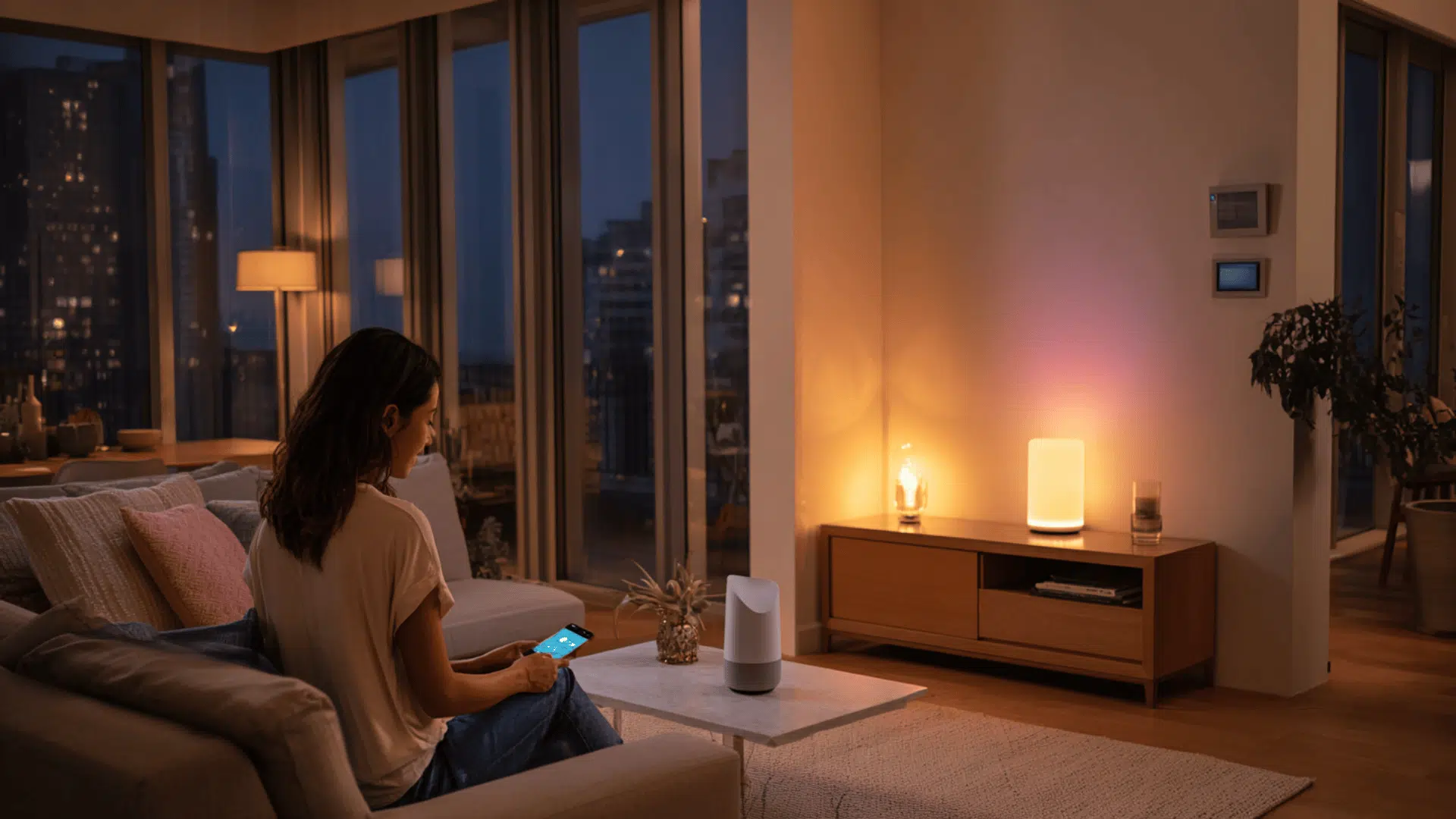
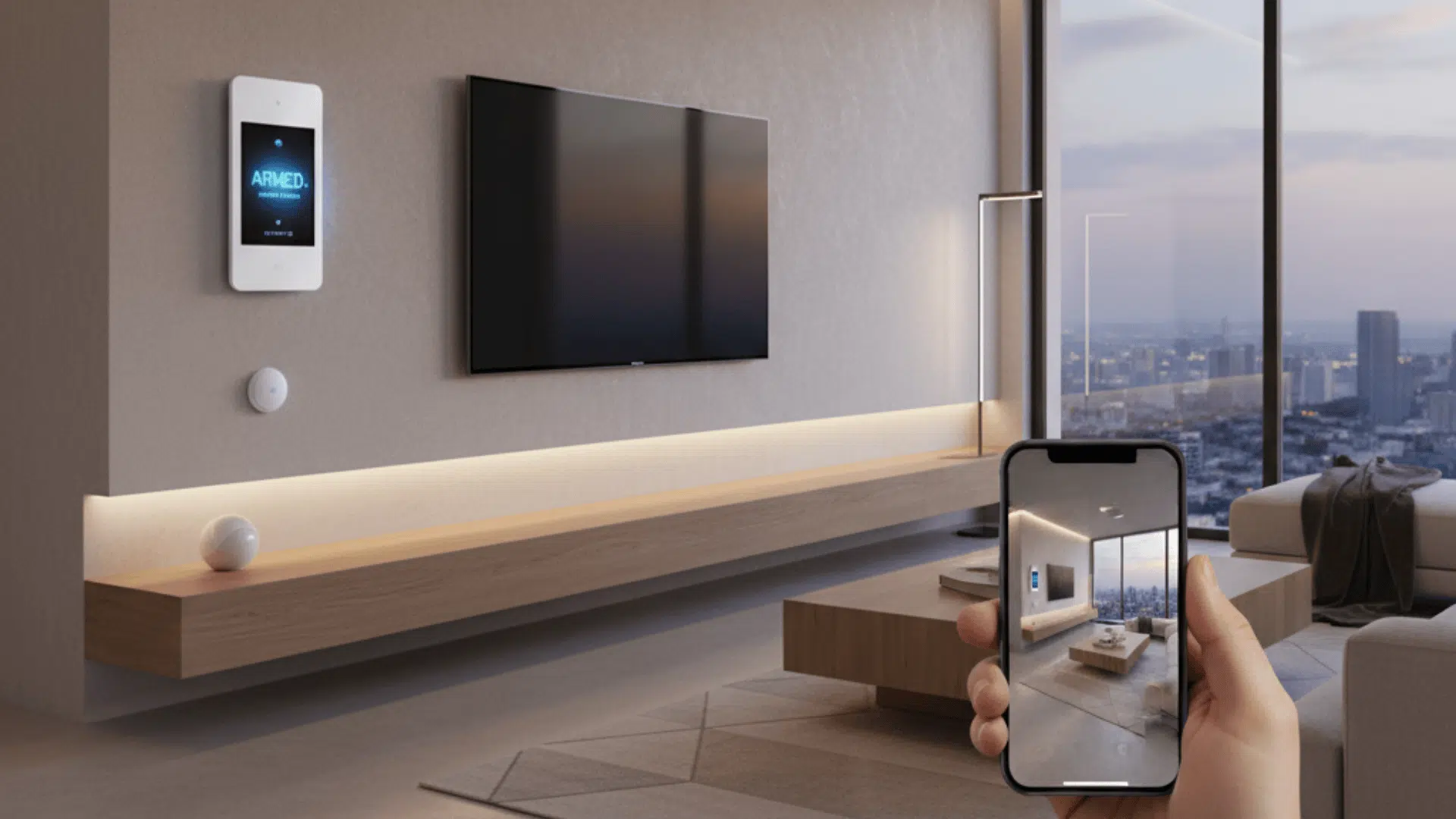
Modern systems use variable speed technology to adjust output based on demand. Smart controls enable better temperature management and more efficient energy use.
Key Points:
- Adjusts output automatically
- Reduces frequent cycling
- Maintains stable temperatures
- Improves humidity control
- Runs more quietly
- Enables remote and scheduled control
- Tracks and manages energy use
Official HVAC Efficiency Guidelines You Should Follow
You should rely on trusted agencies when choosing energy-efficient HVAC systems. These organizations provide verified guidelines that help you select systems that meet performance standards and reduce energy use effectively.
1. ENERGY STAR (U.S. Environmental Protection Agency & DOE)
ENERGY STAR is one of the most recognized programs for energy efficiency in the U.S. When you choose HVAC systems with the ENERGY STAR label, you ensure they meet strict standards set by the EPA and DOE. These systems are independently certified to deliver energy savings while maintaining indoor comfort.
In real-world use, you benefit from lower utility bills, improved system performance, and better long-term reliability. ENERGY STAR also provides practical recommendations to help you get the most out of your HVAC system.
Recommendations:
- Choose HVAC systems with the ENERGY STAR label
- Use programmable or smart thermostats
- Seal and insulate ducts properly
- Schedule annual professional maintenance
- Upgrade outdated systems to certified models
2. U.S. Department of Energy (DOE)
The U.S. Department of Energy sets minimum efficiency standards for HVAC systems across regions. These standards ensure that systems meet baseline performance requirements while encouraging higher efficiency options.
In practice, DOE guidelines help you improve overall home energy performance alongside HVAC upgrades. Following these recommendations ensures your system runs efficiently in daily use.
Recommendations:
- Select systems with higher SEER and EER ratings
- Follow regional efficiency standards
- Improve home insulation
- Seal air leaks and ducts
- Replace old or inefficient HVAC units
3. EPA (Environmental Protection Agency)
The Environmental Protection Agency promotes energy efficiency and reduced environmental impact through its programs and guidelines. It encourages the use of efficient HVAC systems to lower energy consumption and emissions.
In practical terms, EPA recommendations help you improve system performance while supporting environmental goals. These steps are useful when upgrading or maintaining HVAC systems.
Recommendations:
- Replace outdated HVAC systems with efficient models
- Maintain proper refrigerant levels
- Combine HVAC upgrades with home energy improvements
- Reduce energy use to lower emissions
- Follow ENERGY STAR practices for better efficiency
4. ASHRAE (American Society of Heating, Refrigerating and Air-Conditioning Engineers)
ASHRAE provides technical standards that guide HVAC system design and operation. Their standards are widely used in residential and commercial buildings to improve energy efficiency and indoor air quality.
In real-life applications, these guidelines ensure proper airflow, correct system sizing, and balanced performance. This helps you achieve efficient operation along with a healthier indoor environment.
Recommendations:
- Follow ASHRAE Standard 90.1 for energy efficiency
- Ensure proper HVAC system sizing
- Maintain balanced airflow and ventilation
- Use advanced control systems
- Monitor indoor air quality regularly
Cost vs. Long-Term Savings of Energy-Efficient HVAC Systems
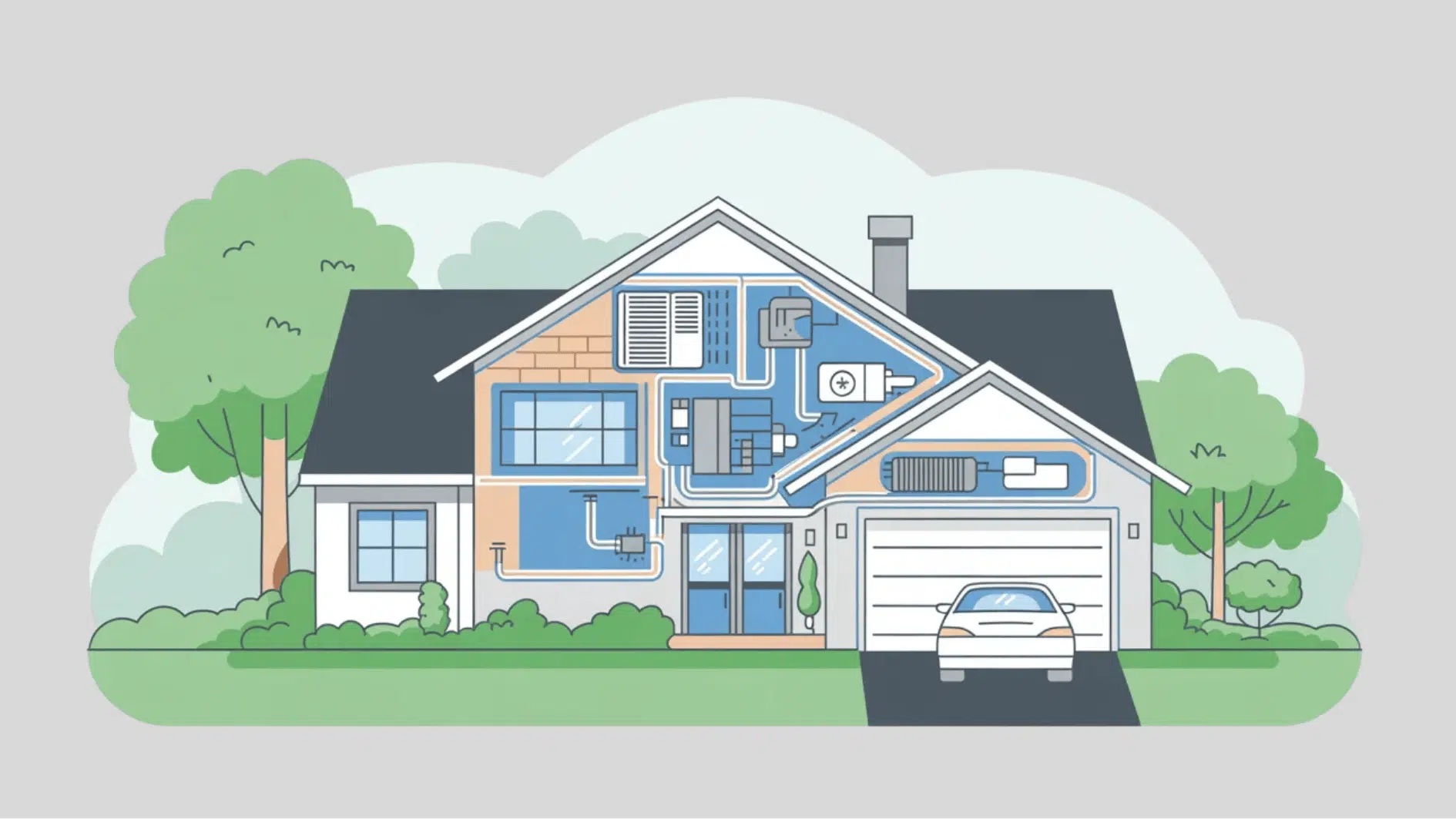
Energy-efficient HVAC systems often come with a higher upfront cost, but they are designed to deliver financial benefits over time. When you consider both initial expenses and long-term savings, they offer better overall value for your investment.
| Factor | Short-Term (Initial Phase) | Long-Term (Over Time) |
|---|---|---|
| Cost of System | Higher purchase price due to advanced technology | Value justified through efficiency and durability |
| Installation Cost | Professional installation adds to the upfront expense | Proper setup ensures better performance and fewer issues |
| Energy Bills | No immediate savings during the purchase phase | Lower monthly bills due to reduced energy consumption |
| Maintenance Costs | Standard servicing required | Fewer repairs and lower maintenance expenses |
| System Lifespan | Not immediately visible | Longer lifespan due to optimized operation |
| Return on Investment | Initial spending may seem high | Savings gradually recover the upfront investment |
| Overall Value | Higher initial financial commitment | Better total cost of ownership with consistent savings |
Installation and Maintenance
Even the most efficient HVAC system requires proper installation and regular maintenance. You need to ensure that the system operates as intended. Professional installation is essential.
A properly sized and installed system performs better and uses energy more efficiently. Poor installation can lead to performance issues and higher energy use.
Regular maintenance also plays a key role. Cleaning filters, checking components, and ensuring proper airflow help maintain efficiency.
You can avoid unexpected breakdowns and extend the lifespan of your system. In addition, proper insulation and sealing improve overall performance.
Conclusion
You can improve comfort and reduce energy costs by choosing energy-efficient HVAC systems. These systems help you maintain consistent indoor conditions while keeping energy usage under control.
By selecting systems with the right features and efficiency ratings, you make a practical long-term investment. This not only lowers your utility bills but also supports better system performance over time.
Following recommendations from trusted agencies like ENERGY STAR ensures you choose systems that meet verified standards.
When combined with proper installation and regular maintenance, you achieve lasting efficiency and dependable results for your space.