Introduction
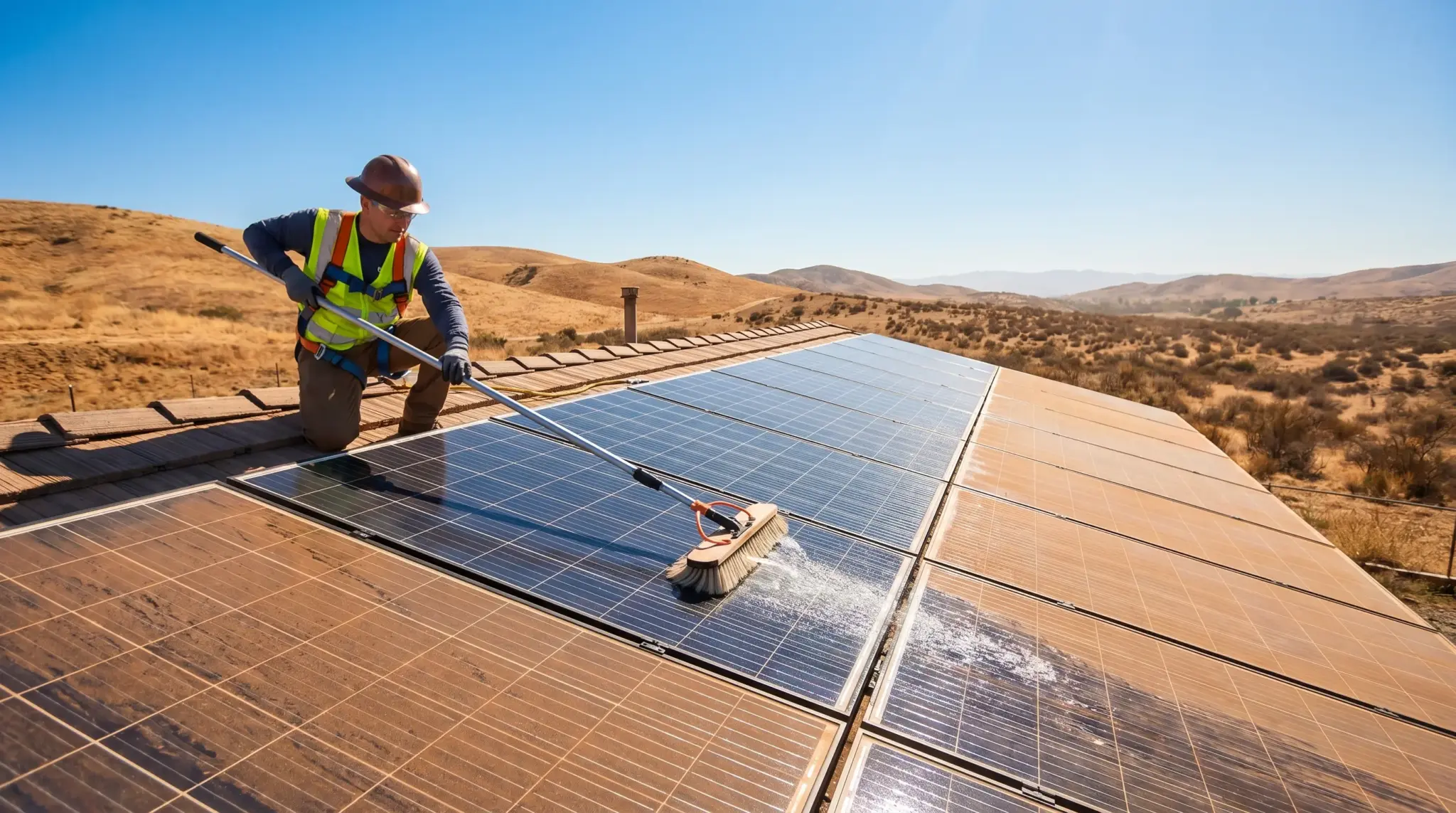
Solar adoption is accelerating across Southern California, but with that growth comes a lesser-discussed challenge: maintaining peak system efficiency in a dusty, high-sun environment. In places like Corona, CA, where dry conditions and airborne particles are common, solar panels can quickly accumulate grime that impacts performance in subtle but measurable ways.
What’s changing in the industry isn’t just awareness—it’s the shift toward precision-based cleaning approaches that go beyond basic rinsing. Property owners are starting to view maintenance not as a routine chore, but as a specialized service that requires expertise, timing, and the right equipment. As solar systems become a long-term investment, the expectations around how they’re maintained are evolving just as quickly.
The Hidden Impact of Environmental Build-Up in Corona
Corona’s climate creates a unique situation for solar panel owners. With limited rainfall and frequent dust movement, particles settle on panels and form a thin but persistent layer. This isn’t always visible from the ground, which is why many systems underperform without obvious signs.
Unlike coastal regions where salt residue is the main concern, inland areas deal with fine dust, pollen, and occasional ash. These elements don’t just sit loosely on the surface—they can bond with moisture and create a film that blocks sunlight transmission.
This has led to a growing demand for services that understand these localized conditions. A local solar panel cleaning company like Squeegee Guys brings region-specific knowledge into play, ensuring cleaning methods are adapted to the exact environmental factors affecting Corona-based systems.
Why Cleaning Methods Are Becoming More Technical
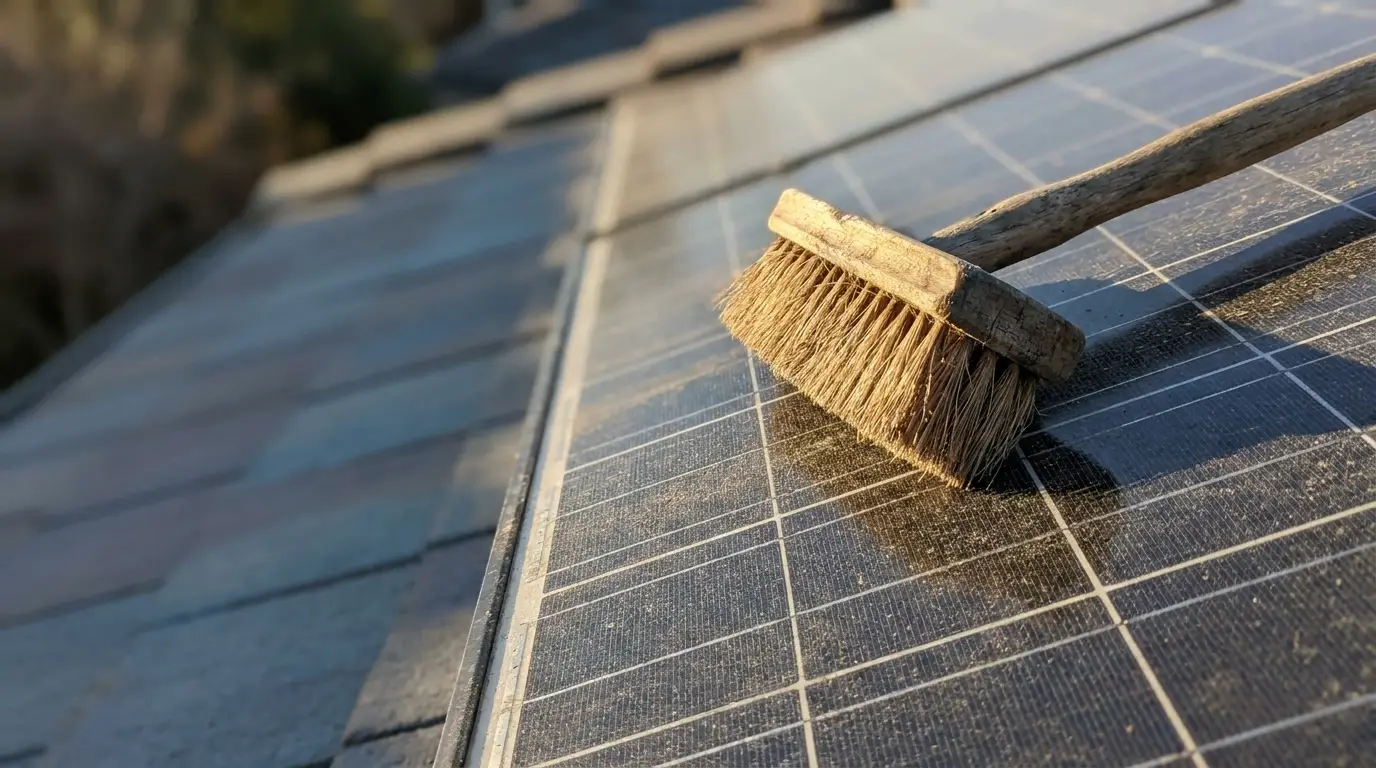
The solar cleaning industry is no longer relying on basic hose-and-brush methods. Today, professionals are using deionized water systems, soft-bristle tools, and non-abrasive techniques to protect panel surfaces while maximizing clarity.
This shift is largely driven by the increasing value of solar installations. Homeowners and businesses are investing heavily in these systems, and improper cleaning can lead to micro-scratches or residue buildup that reduces efficiency over time.
In Corona, where sunlight intensity is high, even a small reduction in panel transparency can translate into noticeable energy loss. That’s why precision matters. It’s not just about removing dirt—it’s about restoring optimal light absorption without introducing new risks.
Service providers like Squeegee Guys are adapting to these expectations by focusing on technique, safety, and consistency rather than quick fixes.
The Role of Timing and Maintenance Cycles
One of the most overlooked aspects of solar panel cleaning is timing. In regions like Corona, CA, cleaning too infrequently allows buildup to harden, while cleaning too often without proper technique can wear down panel surfaces.
Seasonal factors also play a role. For example, late summer and early fall often bring increased dust levels, while spring may introduce pollen accumulation. Understanding these cycles allows for more strategic maintenance planning.
Professional services are now offering tailored schedules based on local conditions rather than generic timelines. This approach ensures that panels are cleaned when it actually matters, not just when it’s convenient.
As solar systems become more integrated into daily energy use, this level of planning is becoming essential for maintaining consistent output.
Safety and Accessibility Considerations
Solar panels are typically installed on rooftops, making accessibility a key concern. In Corona’s residential and commercial properties, roof angles and heights vary significantly, adding complexity to the cleaning process.
DIY approaches often overlook safety risks, including slips, improper equipment use, and potential damage to roofing materials. Professional cleaning services are equipped with the tools and training needed to handle these challenges efficiently.
Beyond personal safety, there’s also the issue of system integrity. Walking on or around panels without proper knowledge can lead to misalignment or damage to mounting structures.
This is why more property owners are turning to specialized providers who can manage both the technical and physical aspects of the job without compromising the system.
The Shift Toward Long-Term Performance Optimization
Solar panel cleaning is increasingly being viewed as part of a broader performance strategy rather than a standalone task. In Corona, where solar energy plays a significant role in reducing utility costs, maintaining consistent output is a priority.
This has led to a more data-driven approach, where cleaning is aligned with performance monitoring. If energy output drops unexpectedly, cleaning is often one of the first steps taken to restore efficiency.
Service providers are also educating clients on how maintenance fits into the overall lifecycle of a solar system. Instead of reactive cleaning, the focus is shifting toward proactive care that supports long-term reliability.
This evolution reflects a broader trend in the industry: treating solar systems as dynamic assets that require ongoing attention, not just initial installation.
Conclusion
As solar adoption continues to grow in Corona, CA, the conversation around maintenance is becoming more sophisticated. Cleaning is no longer seen as a simple task—it’s a specialized service that plays a critical role in system performance and longevity.
From understanding local environmental factors to using advanced cleaning techniques, the industry is moving toward a more precise and informed approach. Property owners who recognize this shift are better positioned to protect their investment and maintain consistent energy output over time.
Looking ahead, the focus will likely continue to move toward integrated maintenance strategies that combine cleaning, monitoring, and performance optimization. In a region where sunlight is abundant, ensuring that every ray counts is not just beneficial—it’s essential.