A long-distance move forces you to make decisions about everything you own. Furniture, cars and boxes get most of the attention, yet the smallest items are often the most valuable: jewelry, coins, watches and family heirlooms. They are easy to lose, hard to replace and sometimes not covered the way you expect. A little planning keeps them safe.
Make an Inventory Before Anything Is Packed
Start with a written list of every valuable item, with photos taken on a plain background. Note any hallmarks, serial numbers on watches and certificates for coins or bars. Keep the list in two places, for example on your phone and in an email to yourself.
This inventory serves three purposes. It helps you decide what to keep, it makes an insurance claim possible if something goes missing, and it lets you check that everything arrived once you unpack.
Do the inventory early, ideally a few weeks before the movers arrive. Once packing starts, small items end up in random boxes and drawers, and it becomes hard to know what you own and where it is.
Do Not Put Valuables in the Moving Truck
Moving companies are excellent at transporting furniture and vehicles, but jewelry, cash, coins and important documents should travel with you. Many carriers limit their liability for high-value items or exclude them entirely, so read the contract carefully. The safest approach is a small bag that never leaves your side, in your car or your carry-on luggage.
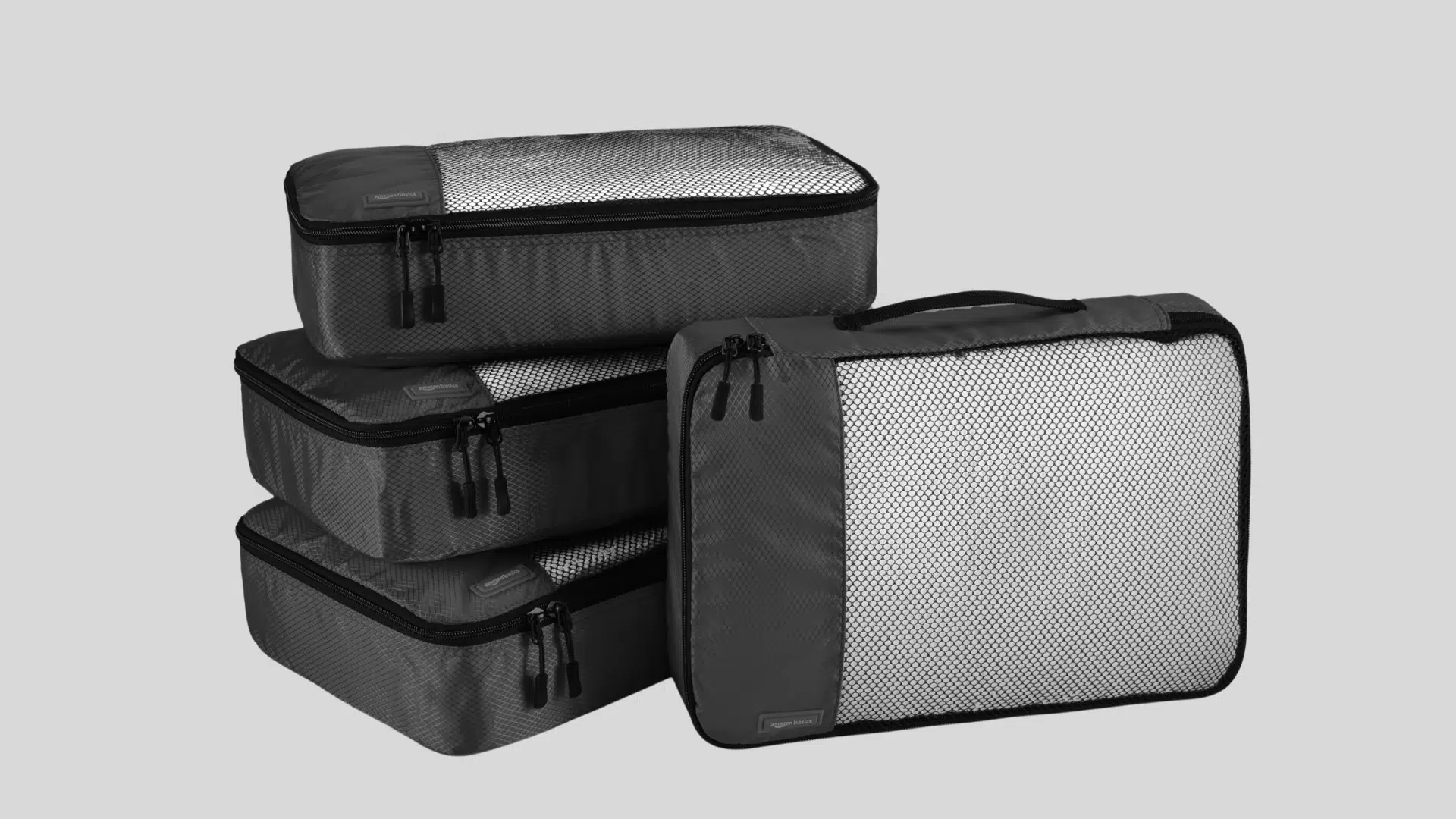
- Pack jewelry in a lined case or small pouches so chains do not tangle.
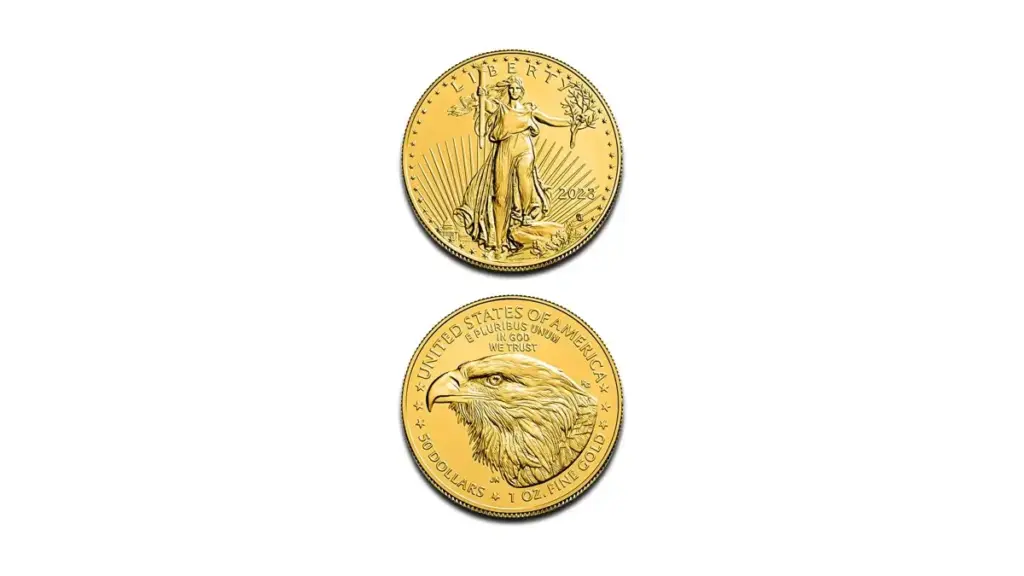
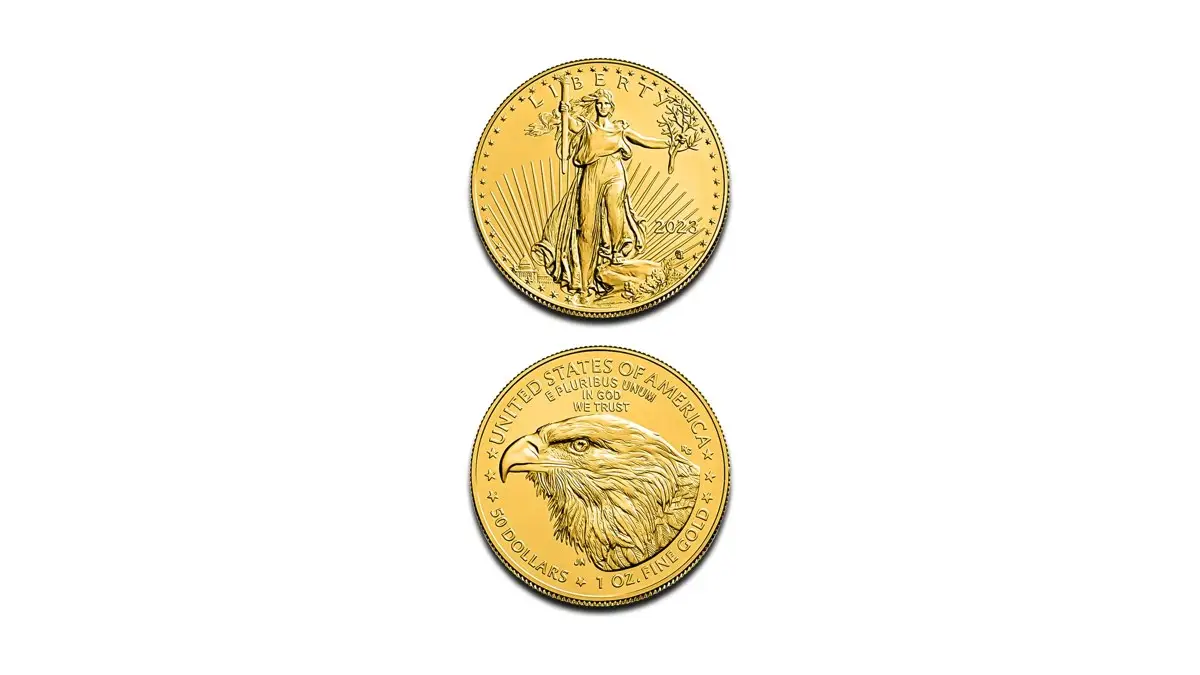
- Keep coins and bars in their original capsules or packaging.
- Store certificates, receipts and appraisals in a separate folder.
- Do not label any box as containing valuables.
Check Your Insurance
Homeowners and renters policies often cap coverage for jewelry and precious metals at a modest amount unless items are listed separately. Before the move, ask your insurer how valuables are covered in transit and at the new address. A recent appraisal makes this conversation much easier.
Moving companies also offer valuation options, such as full value protection, but they usually apply to the household goods in the truck, not to the jewelry you carry yourself. Read the terms carefully, and keep in mind that the best protection for small valuables is simply to keep them with you.
Use the Move to Sort Out What You No Longer Wear

Most people discover forgotten gold while packing: a broken chain, a single earring, an old class ring, a watch that stopped years ago. Carrying these items across the country adds risk for no benefit. Moving is a good moment to sell old gold jewelry and turn it into cash that helps with deposits, movers or new furniture.
Gold is valued by weight and purity, so damaged pieces still have value. A 14K item contains about 58.3% gold and an 18K item 75%. Check the current market price, ask for a written estimate and keep the receipt.
Sell Before You Leave, or After You Arrive
If you are leaving California, it can be easier to sell before the move, while you still know local dealers. GoldUnion branches in California appraise jewelry, coins, bars, watches and even dental gold or scrap, intact or damaged, with free estimates based on official gold and silver prices, and pay by bank transfer or check. Visits can be booked by appointment, which fits well into a busy moving schedule.
If you would rather keep certain pieces, have them appraised before you go. The written value will help with insurance, and you will have a reference if you decide to sell later.
Moving Coins and Bars
Coins and small bars are compact, which makes them easy to carry and easy to lose. Keep them in their protective packaging, count them before and after the trip, and never leave them in a parked car. If you have a large quantity, ask your bank or a professional dealer about secure options rather than improvising.
Flying is a special case. Carry valuables in your hand luggage, never in a checked bag, and keep receipts or appraisals with you in case security staff ask questions. Driving across several states, plan overnight stops where you can take the bag inside with you.
After You Arrive
Unpack the valuables bag first and check every item against your list. Update your insurance with the new address, find a secure place at home for what you keep, and file the receipts and appraisals with the rest of your important papers.
If anything is missing, report it quickly to your insurer and to the carrier if it traveled in the truck. Your photos and inventory list will make the claim much simpler.
A Simple Checklist for Moving Day
- Valuables bag packed the night before and kept with you.
- Inventory list and photos saved in two places.
- Insurance coverage confirmed for transit and the new home.
- Unwanted gold sold, with the receipt filed with your moving documents.
A move is stressful enough without losing a family ring or a set of coins. With an inventory, a carry-on bag for valuables and a decision about what to keep, your most precious belongings will arrive safely at your new home.