Moving across the state or across the country can feel overwhelming. Most people just want a straight answer: what is this going to cost me?
When you search for the average cost to move a 3-bedroom house long-distance, you’ll see huge price ranges. One site says $3,000. Another says $10,000 or more. That gap leaves a lot of room for confusion.
The truth is, there is no fixed price. A three-bedroom move isn’t one standard package. Distance, weight, service level, and add-ons all shape the final number. In this guide, I’ll walk through what really drives the cost so you can set a realistic budget instead of guessing.
What Does It Cost to Move a 3-Bedroom House Long-Distance?
A long-distance move usually means 100 miles or more, or any move that crosses state lines. These jobs are priced differently than local moves.
Local moves are often hourly. Long-distance moves are typically based on weight and mileage.
For a three-bedroom house, most national averages fall between $4,000 and $9,500. Cross-country, full-service moves can exceed $10,000. On the lower end, smaller or lighter three-bedroom homes traveling shorter long-distance routes may land closer to $3,000–$5,000.
So why is the range so wide? Because “three-bedroom” doesn’t tell you:
- How much furniture you own
- How heavy your items are
- How far you’re moving
- Whether you’re packing yourself
- Whether storage is involved
One family’s three-bedroom home might weigh 5,000 pounds. Another could easily reach 9,000 pounds or more. Since long-distance pricing is weight-based, that difference alone can shift the total by thousands of dollars.
The assumption that there’s some fixed national rate for a three-bedroom move is wrong. There isn’t. The average is just a reference point, not a promise.
Cost by Distance: What You’ll Pay at 500, 1,000, or 1,500+ Miles
Distance affects cost, but not in a simple, straight line.
It’s easy to assume that if 500 miles costs $4,000, then 1,000 miles will cost exactly double. In practice, that’s rarely how it works.
Here’s how distance typically shapes pricing:
- 500–1,000 miles: Often falls between $3,000 and $7,000
- 1,000–1,500 miles: Often $4,000 to $9,000
- 1,500+ miles or cross-country: $6,000 to $10,000+
The reason it doesn’t scale evenly is that long-distance pricing includes more than mileage alone.
You’re paying for driver time, fuel, truck wear and tear, overnight lodging, and regulatory costs if the move crosses state lines. Those factors build on each other.
Crossing state lines can increase insurance requirements and compliance rules. That adds overhead.
Longer moves also tie up a truck for more days. A truck traveling 1,500 miles is unavailable for other jobs longer than one traveling 600 miles, and that time has value.
So distance compounds cost rather than simply multiplying it.
If you’re moving 1,200 miles, you’re not just covering fuel. You’re covering extended truck use, labor time, and federal transport rules. Miles alone do not determine price.
How Weight Actually Determines Your Final Moving Price
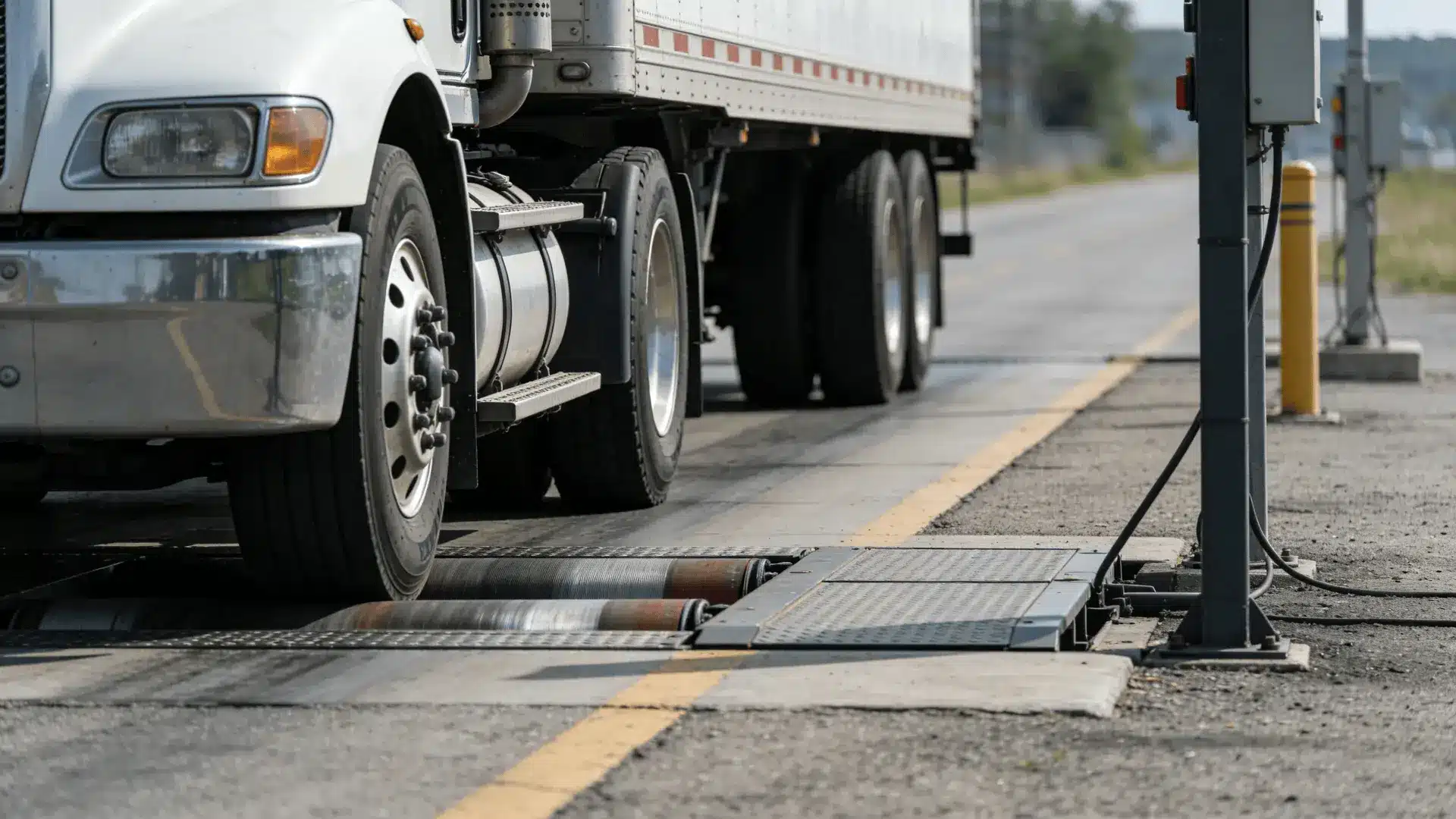
For long-distance moves, weight is the core pricing mechanism.
A three-bedroom home typically weighs between 5,000 and 9,000 pounds, though heavily furnished homes can exceed that range.
Movers calculate it in a straightforward way:
- The truck is weighed empty.
- Your belongings are loaded.
- The truck is weighed again.
- The difference is your shipment weight.
You’re charged based on that weight and the distance traveled.
Some companies use cubic feet instead of weight. That method measures how much space your items take up inside the truck. Both systems aim to measure load size, but weight-based pricing is more common for interstate moves.
Why does this matter?
Square footage of your house does not equal moving weight. A 2,000-square-foot home with minimal furniture can weigh less than a 1,500-square-foot home packed with heavy solid wood pieces.
Decluttering lowers costs directly. If you remove 1,000 pounds of items, you reduce shipment weight and the transport charge that comes with it.
Weight also explains why two families moving the same distance can pay very different amounts. The heavier shipment will always cost more.
People often assume distance is the main driver. In long-distance moves, weight is usually just as important, and sometimes more so.
Full-Service vs. DIY: What the Price Difference Really Covers
You’ll usually choose between full-service movers and some form of DIY. At first glance, DIY looks cheaper. Sometimes it is, but oftentimes it isn’t once everything is counted.
The difference between full-service movers and DIY options usually comes down to what’s included and who carries the risk.
| Category | Full-Service Movers | DIY Truck Rental |
|---|---|---|
| Loading & Unloading | Included (professional crew) | You handle it or hire separate labor |
| Transportation | Included | You drive the truck |
| Fuel Costs | Typically included in quote | Paid separately, can be significant |
| Liability Coverage | Basic coverage included | Limited; upgrades cost extra |
| Lodging | Not your responsibility | Your responsibility on long drives |
| Coordination & Scheduling | Managed by company | Self-managed |
| Physical Labor | Minimal personal effort | High personal effort |
| Typical Long-Distance Cost (3-Bedroom) | $5,000–$10,000+ | Base rental several hundred to $1,000+, plus fuel, lodging, insurance, and labor |
A 16-foot or 20-foot truck rental may look affordable upfront, but once you add fuel, insurance, food, lodging, and time, the total can rise quickly.
If you value your time and want to reduce risk exposure, full-service may feel worth the higher upfront cost. If you’re comfortable driving a large truck 1,000+ miles and handling the labor yourself, DIY can reduce expenses.
The Add-On Costs that Commonly Increase Your Total Bill
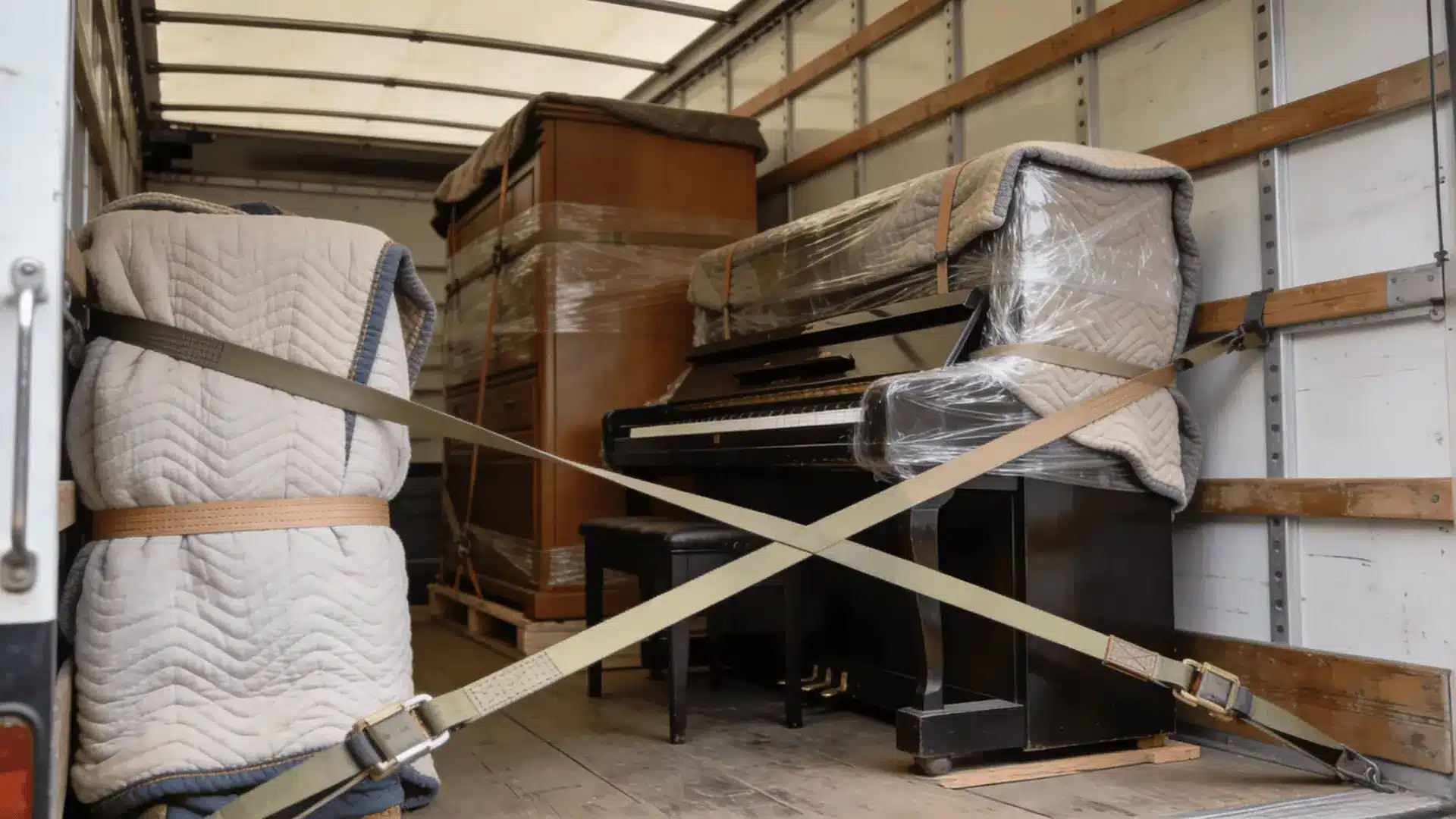
Many people budget for base transport only. That’s usually where underestimation happens. Here are common add-ons that raise the final total:
- Professional packing: $1,000–$2,500 or more
- Specialty items: Pianos, safes, large artwork
- Long carry fees: When movers must walk a long distance from truck to door
- Stairs or elevator complications
- Storage services: Short-term or long-term
- Fuel surcharges
- Full-value protection insurance upgrades
These charges are triggered by specific conditions.
If the truck cannot park close to your home, movers must carry items farther. That adds labor time, and labor time increases cost.
Insurance upgrades increase your protection level beyond basic coverage. That shifts more risk to the company, and that shift has a price.
Add-ons are common, not rare. Planning for at least some of them helps prevent budget shock.
Why Online Moving Estimates Often Miss the Mark
Online calculators provide rough numbers and not final quotes. The main reason they miss the mark is weight estimation.
If you underestimate your inventory, the projected weight will be low. When the truck is officially weighed, the final cost will be adjusted accordingly.
There are two major estimate types:
- Non-binding estimate: Final price can change based on actual weight.
- Binding estimate: Price is locked based on agreed inventory and terms.
Virtual surveys tend to be more accurate than quick online forms. In-home estimates are often the most precise because the mover sees everything firsthand.
Low-ball quotes create another risk. A company may quote low to secure your job, then adjust the price later when the weight or services change.
The lowest estimate isn’t automatically the best one. Accuracy matters more than the initial number.
How to Build a Realistic Budget for Your Move
Instead of relying on averages alone, build your estimate in layers. When you look at each cost piece separately, the final number feels less random.
Here’s a simple way to structure your budget:
- Start with the base transport for your distance. If you’re moving 1,200 miles, review the typical price range for that mileage tier. This gives you your starting window.
- Adjust for weight. A lightly furnished three-bedroom home will usually land near the lower end. A heavily furnished one will move toward the higher end because weight directly drives long-distance pricing.
- Factor in service level. Full-service adds labor, loading, unloading, and coordination. DIY reduces labor cost but increases your time, effort, and risk exposure.
- Add probable extras. Consider packing help, specialty items like pianos or safes, and access issues such as long carries or limited parking.
- Include a contingency buffer. Setting aside an extra 10–15% helps cover small changes in weight, timing, or services without stress.
This layered approach produces a realistic working number rather than a single average pulled from a website.
An average is just a starting point. Your actual cost depends on your weight, miles, and service choices.
Wrapping Up
Planning a long-distance move can feel uncertain at first. Once you understand how distance, weight, and service level interact, the numbers become easier to interpret.
The average cost to move a 3-bedroom house long-distance is simply a range. Your real price depends on how heavy your shipment is, how far it travels, and what level of help you choose.
If you take time to estimate weight, review likely add-ons, and build in a buffer, you approach your move with clearer expectations. That clarity lowers stress and helps you make decisions based on facts instead of guesswork.
Frequently Asked Questions
How much does it cost to move a 3-bedroom house across the US?
Cross-country moves for three-bedroom homes often range from $6,000 to $10,000 or more, depending heavily on weight and service level.
How much does it cost to move 1,500 miles?
For 1,500 miles, most three-bedroom moves fall between $5,000 and $9,500, with heavier shipments pushing toward the upper end.
What is a reasonable moving budget?
A reasonable budget includes base transport, probable add-ons, and a contingency buffer. Many long-distance three-bedroom moves land between $5,000 and $9,000.
How much does it cost to move an entire house to another location?
Physically relocating a house structure is a separate construction project and can cost far more than standard moving services.