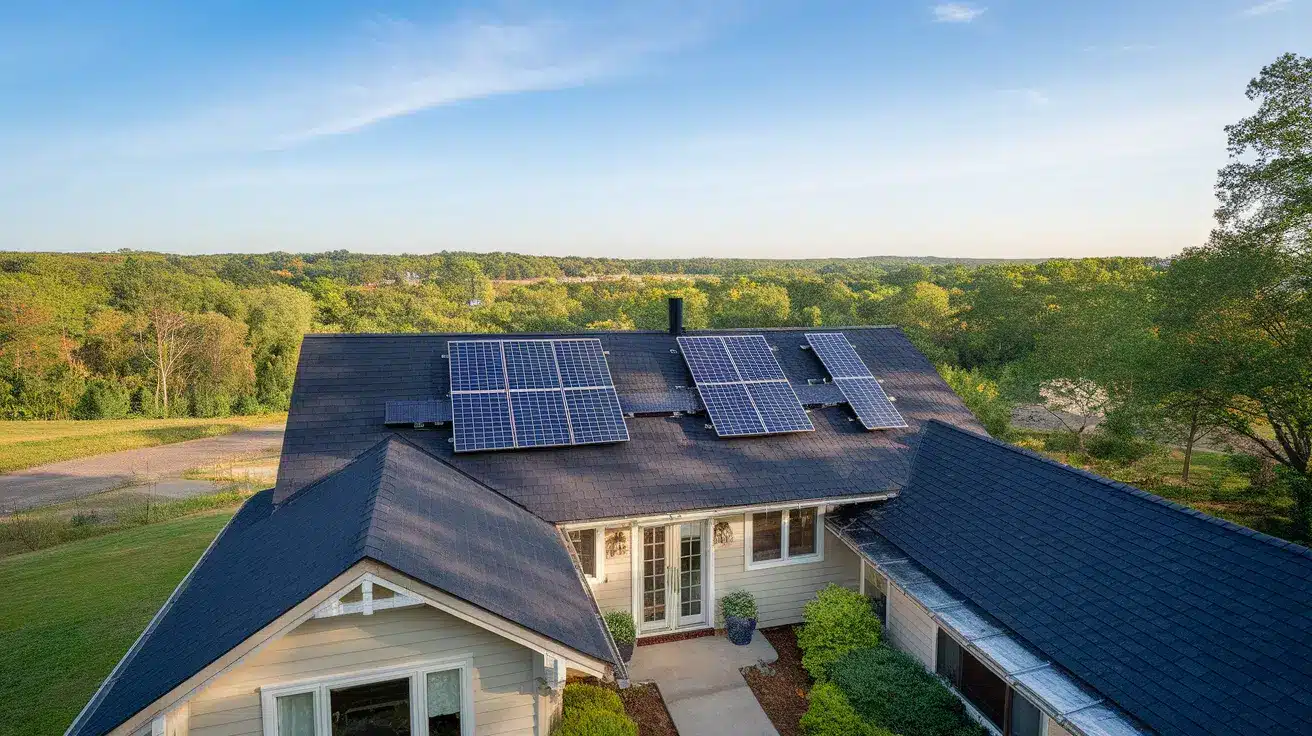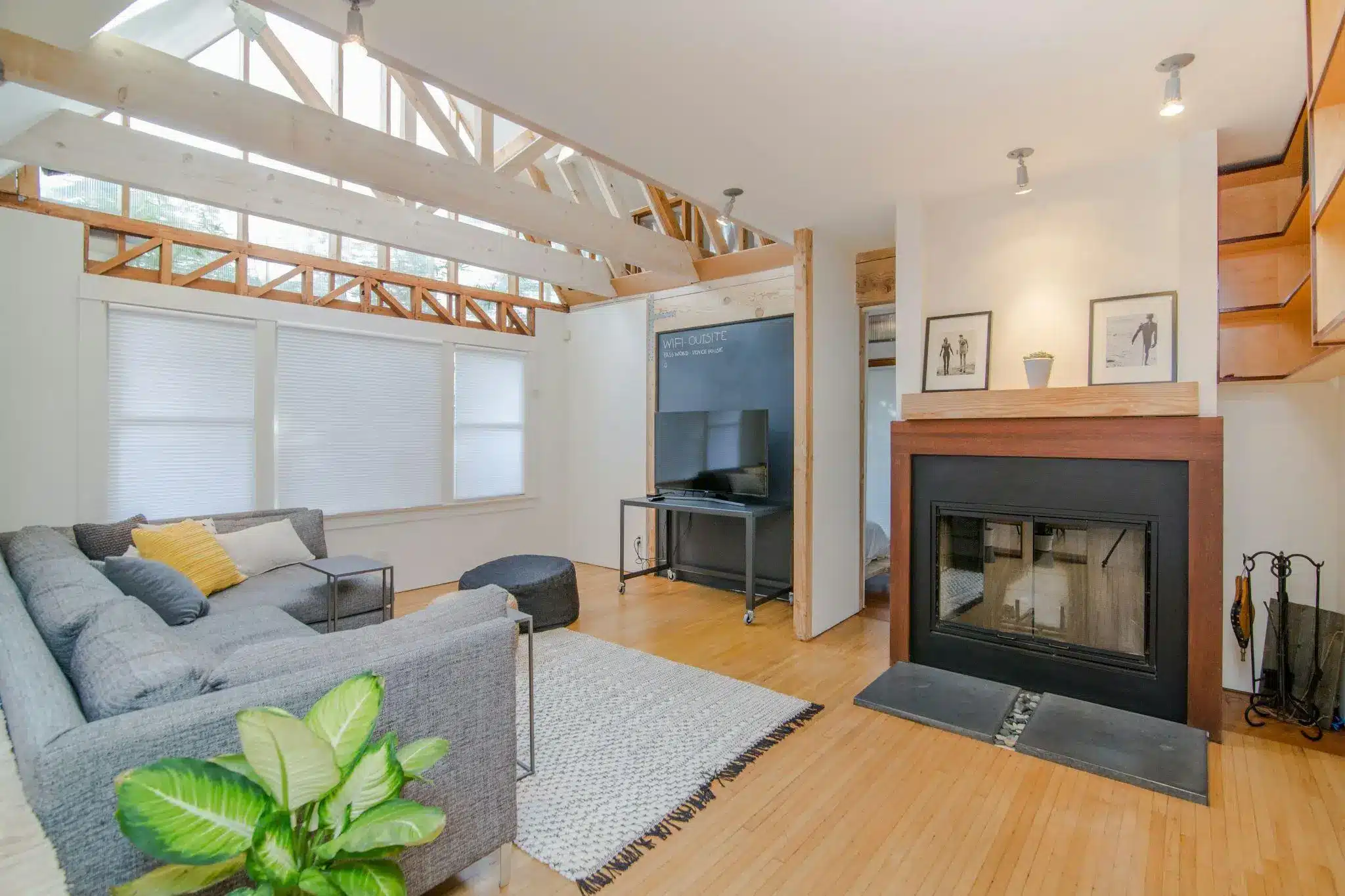
A truly comfortable home is far more than just a place that keeps the rain out; it is an environment that adapts to every season with grace.
From frosty winter mornings to scorching summer afternoons, the right combination of heating and cooling solutions can transform daily life and elevate the way a home feels.
In recent years, homeowners have moved away from single appliance thinking toward a more layered, considered approach.
The result is a home that delivers warmth, atmosphere, and consistent temperatures without compromising on style or efficiency.
Why All-Season Comfort Matters
Australian weather is famously diverse, ranging from biting alpine cold to relentless summer heat within the same calendar year.
Designing a home that responds to this variety reduces stress on the body, lowers running costs, and dramatically improves the way each room is enjoyed.
Comfort is also closely tied to well-being, sleep quality, and even productivity at home. A property that maintains the right temperature throughout the year supports healthier living for everyone under its roof.
Thinking in Layers
The best approach combines several different heating and cooling solutions rather than relying on a single appliance for absolutely everything.
A focal point fireplace can deliver atmosphere and concentrated warmth, while a whole-house climate system handles the broader job of consistent temperature regulation.
This layered strategy gives homeowners flexibility for different occasions, rooms, and times of year.
A quiet evening calls for the gentle glow of a flame, while a busy summer day demands fast, reliable cooling across multiple zones.
Modern Gas Fireplaces as a Statement Feature
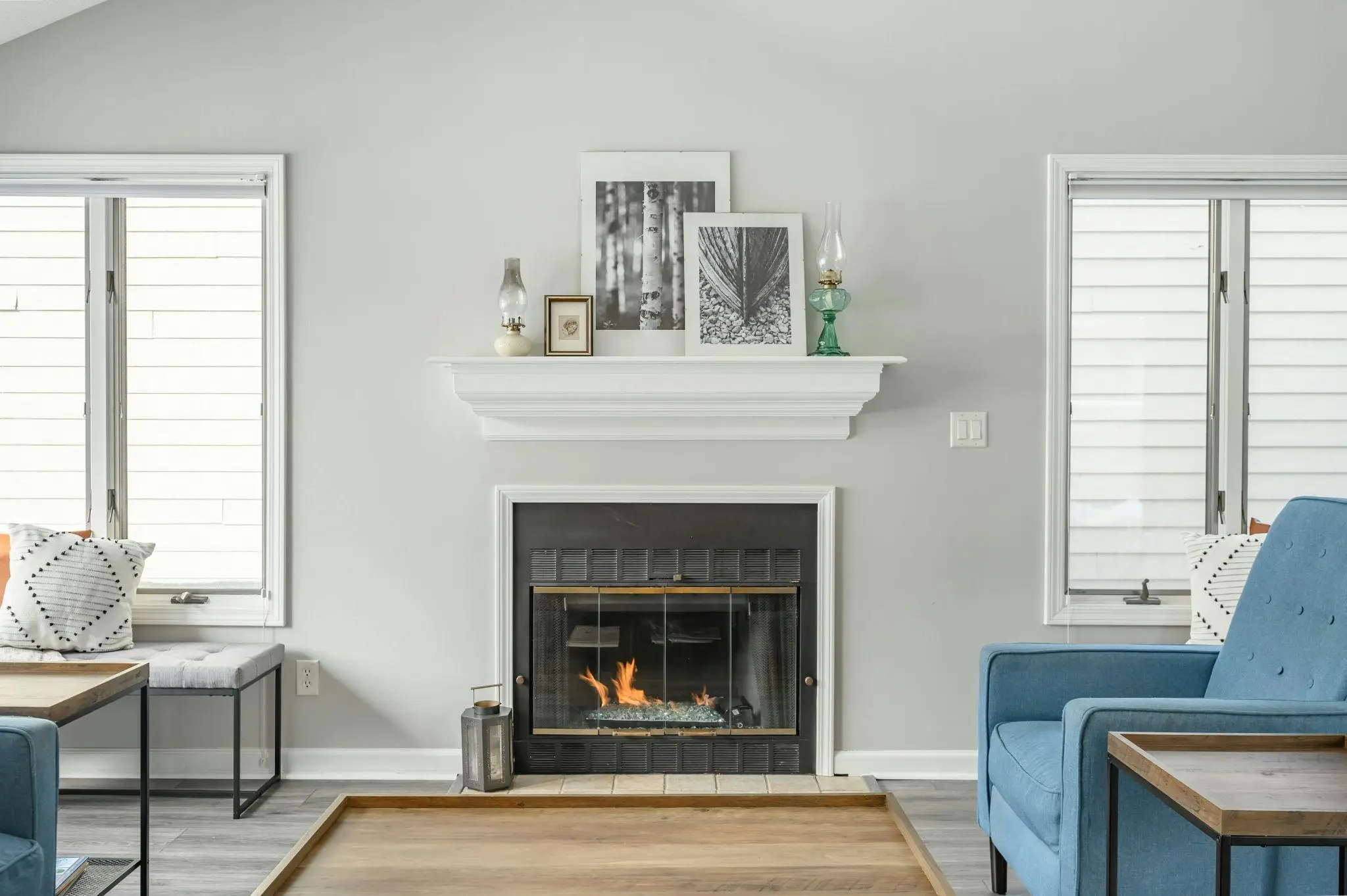
Few additions transform a living space quite like a beautifully designed gas fireplace at the heart of the room.
Modern units have evolved well beyond the bulky, dated appliances of previous decades into sleek architectural features that anchor entire interiors.
Today’s gas fireplaces deliver striking, natural-looking flames at the simple touch of a button. They light instantly, run cleanly, and require none of the day-to-day maintenance involved with traditional wood-burning models.
Premium European brands now offer cool wall technology, dimmable internal lighting, and customisable interiors lined with logs, pebbles, or glass.
These features allow homeowners to adapt their fireplace to seasons, moods, or special occasions without ever needing replacement parts.
For those planning a renovation or new build, it is worth taking time to explore modern gas fireplace options that combine quiet performance with sculptural beauty.
Choosing the right model from the outset ensures the fireplace becomes a defining design element rather than just another heat source.
Other Fireplace Styles to Consider
Wood-burning fireplaces remain popular for those who love the full sensory experience of flame, scent, and crackle.
They demand more involvement than gas units, but reward owners with a rich, traditional ambience that no other heat source can perfectly replicate.
Electric and bioethanol options also have a strong following, particularly in apartments or homes where flues are impractical.
Each style brings a different character, so choosing one comes down to lifestyle, location, and personal taste rather than performance alone.
Heating Versus Whole Home Climate Control
It is helpful to understand that focal heating and whole-home climate control serve overlapping but quite distinct purposes inside a modern dwelling.
A fireplace creates concentrated warmth and visual atmosphere, while a climate system delivers steady, ambient temperatures across every room simultaneously.
Most well-designed Australian homes today benefit from both working in tandem rather than choosing one over the other.
The fireplace becomes the heart of the lounge during winter evenings, while the climate system quietly handles bedrooms, bathrooms, and living areas that may never need direct flame.
The Reality of Australian Summers
Heating discussions are often the focus during cooler months, but Australian summers are equally demanding on a household.
Long heatwaves, humidity, and bushfire smoke can make a home unbearable without a properly sized cooling solution working in the background.
A reliable cooling strategy needs to do more than simply lower the temperature on the hottest days of the year.
It should also manage humidity, filter incoming air, and deliver even comfort across upstairs and downstairs zones throughout the property.
Whole House Climate Control
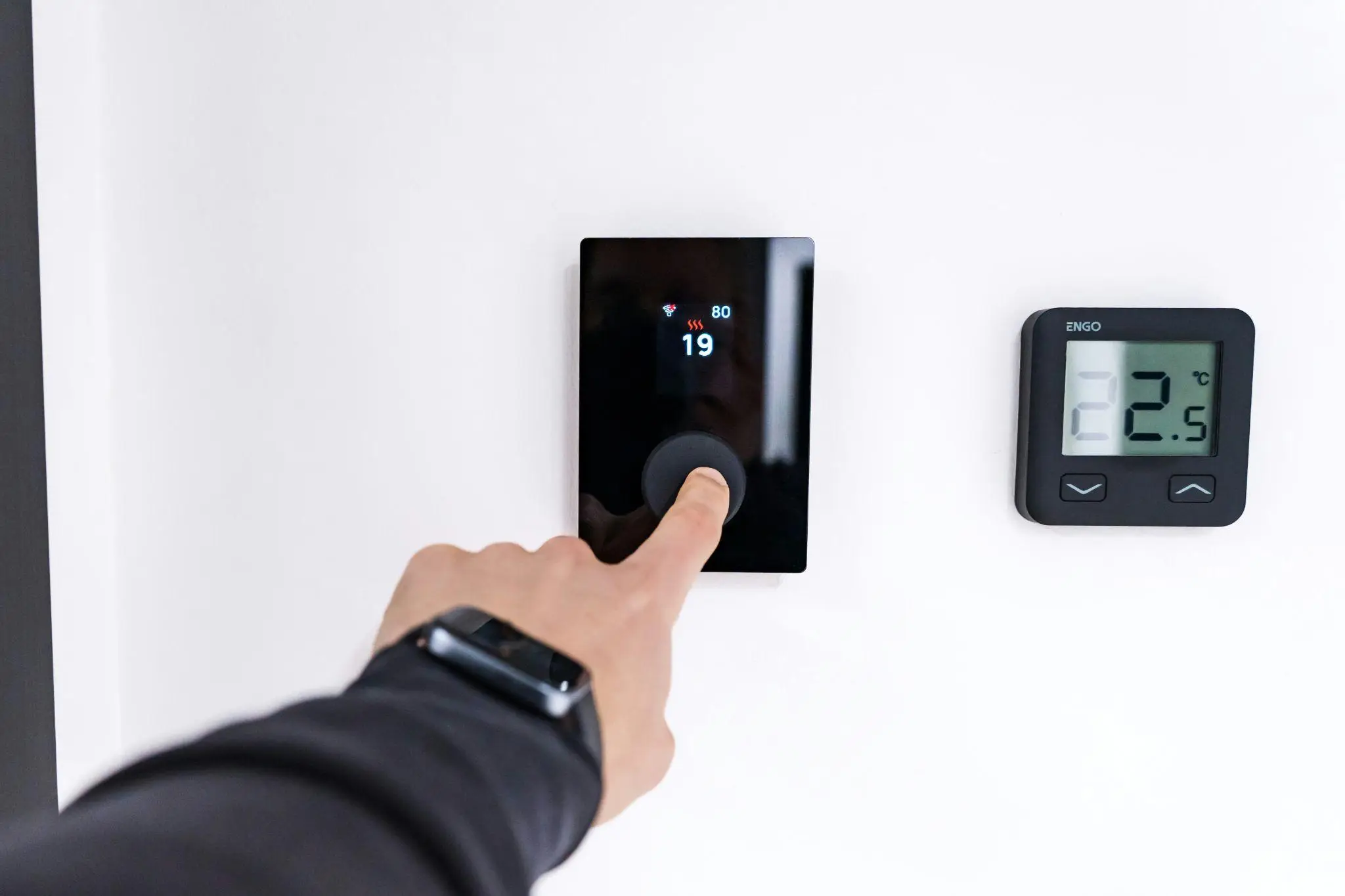
Once the focal point is sorted, attention naturally turns to keeping every room of the house at a comfortable temperature throughout the year.
This is where integrated climate control systems prove their real long-term value across all four seasons.
Whole-house solutions deliver consistency in a way that standalone heaters and portable air conditioners cannot easily match.
Bedrooms stay cool overnight in summer, kitchens warm up quickly in winter, and shared family spaces remain pleasant from dawn until late evening.
For all-season performance from a single unit, reverse cycle air conditioning has become the preferred choice for many Australian households.
It heats efficiently during winter, cools effectively through summer, and removes the need to install or maintain two separate appliances.
Energy Efficiency in a Modern Home
Energy efficiency has moved from a nice-to-have feature to a central consideration for most homeowners.
The right system pairing can dramatically lower power and gas bills while reducing the household’s overall environmental footprint.
Pairing a reverse cycle system with a high-efficiency gas fireplace creates a balanced setup where each appliance performs its strongest function.
The fireplace delivers atmosphere and concentrated warmth, while the climate system handles whole-house temperature management.
Smart Controls and Everyday Convenience
App-enabled controls have changed how households interact with heating and cooling systems daily.
Owners can preheat the lounge before arriving home, adjust upstairs zones, and check operating costs in real time from their phones.
Voice assistants and learning thermostats make it easier to maintain ideal conditions without thinking about it.
Over time, these systems get better at predicting routines, leading to more efficient and personalised performance.
Designing for Aesthetics
Comfort and design are no longer separate considerations in modern Australian homes. Homeowners increasingly demand systems that blend seamlessly with their interior architecture rather than dominating the space.
Slim ducted vents, discreet split system heads, and sculptural fireplaces are part of the same design conversation.
Working with architects, interior designers, and qualified installers from the planning stage ensures every element contributes to the overall vision.
Planning the Project Carefully
Successful projects start with realistic timelines, clear budgets, and the right specialist support from the beginning.
Talking to multiple suppliers, asking detailed questions, and reviewing past projects all contribute to a confident final decision.
Government rebates and energy upgrade programs can also offset some of the upfront costs of high-efficiency systems.
Checking eligibility before purchasing avoids missing out on substantial savings that may be available locally.
Final Thoughts
Creating a home that genuinely supports every season takes time, planning, and a thoughtful pairing of heating and cooling solutions.
The reward is a property that feels great to live in, regardless of what the weather is doing outside.
By combining a beautifully designed fireplace with a smart, efficient whole-house climate system, modern homes can deliver comfort, atmosphere, and elegance in equal measure.
The result is a residence that suits every occasion and continues to impress for many years to come.