I’ve seen this happen more times than I can count, especially when something people actually want goes out of stock right when demand spikes.
One minute it’s sitting there like normal; the next minute checkout is still open, but shipping suddenly isn’t. That’s usually when confusion kicks in, and people start guessing what went wrong with the order.
Before jumping to conclusions, it helps to slow down and look at what’s actually happening behind the scenes when stock shifts like that.
That’s usually where the idea of what a backorder is starts to make sense, especially when products move faster than the system can update.
What is a Backorder?
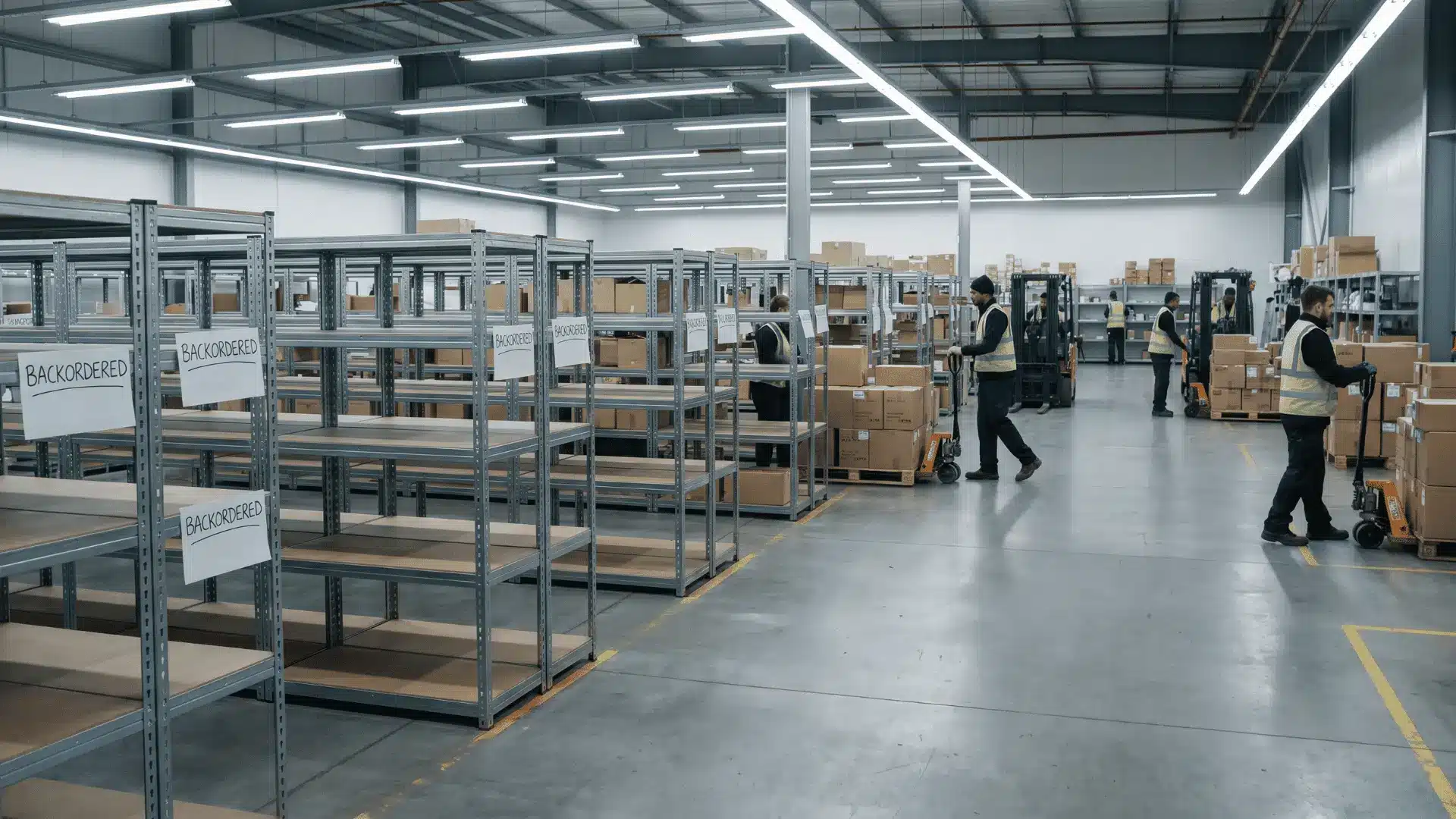
A backorder is a purchase you place for an item that’s temporarily out of stock but still available to buy, because the seller expects it to be replenished.
When a seller accepts a backorder, they’re making a commitment. They’re saying: we don’t have this in the warehouse right now, but we will, and when we do, your order ships. It also means the seller made a choice. They could have pulled the listing the moment stock ran out. Instead, they kept it open.
That decision is what creates the backorder status. It doesn’t happen automatically; someone decided the demand was worth holding onto.
That choice is why your experience as a customer looks different from a standard purchase. The order is real. The fulfillment just comes later.
How Is a Backorder Different from Out-of-Stock and Pre-Order?
Three terms that look similar on the surface, but they’re describing completely different situations, and mixing them up leads to the wrong expectations.
| Term | Meaning | Availability Status | Purchase Status | Key Expectation |
|---|---|---|---|---|
| Out-of-Stock | Item is not currently available | Not available | Cannot be purchased | No queue, no commitment, no timeline |
| Backorder | Item is temporarily unavailable but will be restocked | Not available now, returning | Can be purchased and reserved | The order is recorded and will be fulfilled when stock returns |
| Pre-Order | Item has not been released yet | Not yet available in the market | Can be purchased in advance | Delivery happens after the official release date |
Knowing these differences tells you exactly what you’re agreeing to: a refund-only wait with out-of-stock, a held order with backorder, or a future release date with pre-order.
Why Do Backorders Happen?
Backorders don’t appear by accident. They happen when a seller decides to keep accepting orders despite knowing stock is gone, and that decision only makes sense if they believe replenishment is coming.
When Demand Outruns Supply
It usually starts with something simple. A product gets popular, maybe through a sale or a trend, and orders start coming in faster than expected.
At that point, the seller is left with a choice. They can turn the listing off and stop taking orders, or they can keep it live and take more orders even though stock is already gone or spoken for.
A lot of times, they keep it open. Because stopping the listing can mean losing the momentum completely. That’s basically where a backorder situation starts building up in the background.
When the Supply Chain Slows Down
Sometimes demand is perfectly normal. The problem is on the supply side.
Raw material delays, shipping issues, or long manufacturer lead times can all slow restocks. This shows up a lot in real supply chains where orders look fine, but stock isn’t physically moving into warehouses on time.
Sometimes it’s not even a shipping delay; it’s a planning one. If a seller didn’t keep enough safety stock, the buffer inventory meant to absorb sudden demand, a normal sales week can tip straight into backorder territory before anyone notices.
When it’s demand-driven, stock usually catches up faster because the product is already in the pipeline. When it’s supply-driven, timelines get harder to trust because the delay sits with production or logistics, not sales.
When no ship date is given at all, a supply chain issue is usually the reason.
How Long Do Backorders Take and What to Expect
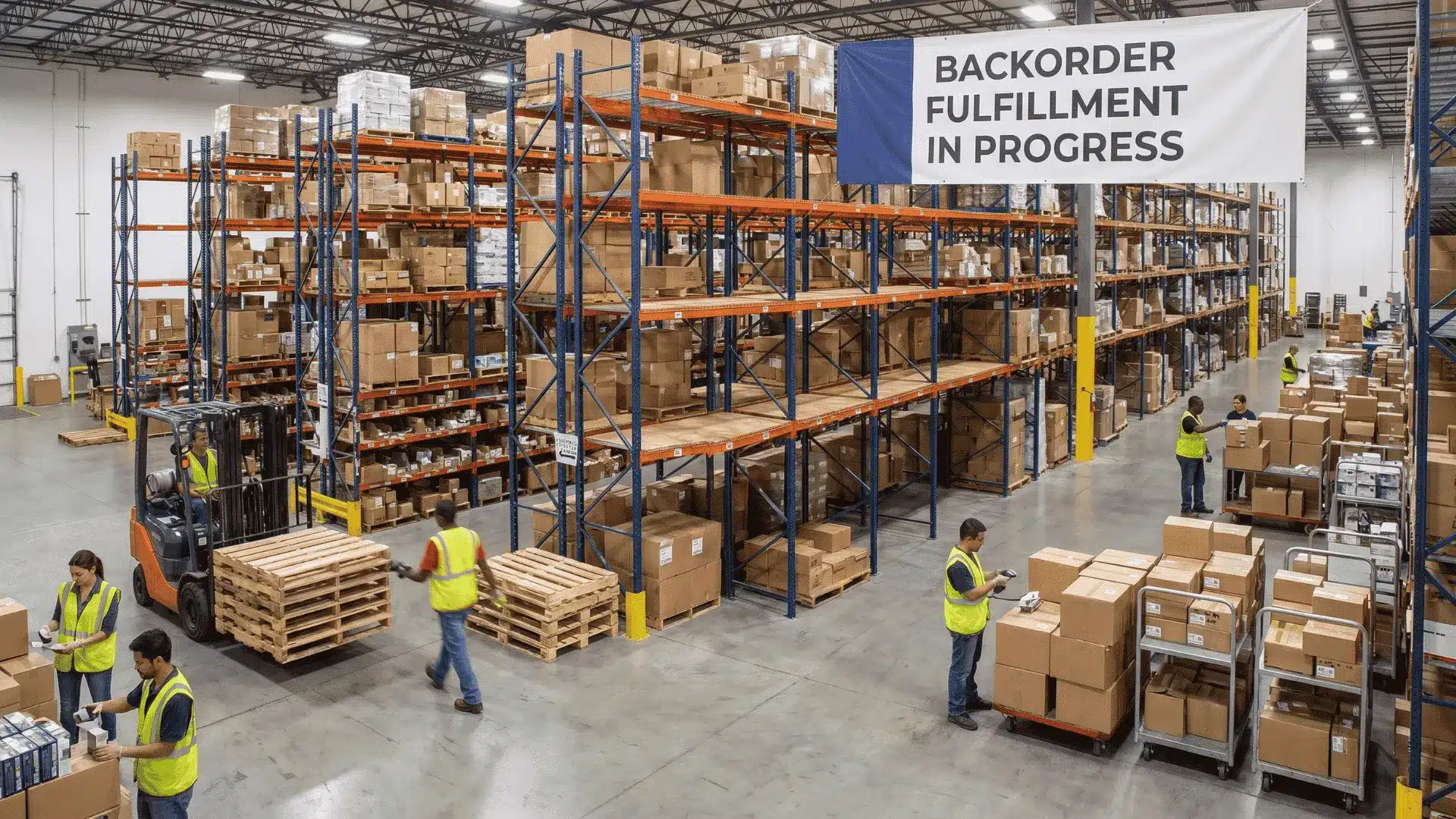
The backorder itself is straightforward. What varies is how different sellers handle it, and knowing what to look for helps you decide whether to place the order with confidence or hesitation.
Payment Timing
Some sellers charge you immediately when you place the order. Others only charge when the item ships.
Neither is wrong, but they reflect different approaches. Charge-at-order locks in your purchase and the seller’s commitment.
Charge-at-ship means your money stays with you until fulfillment, which some people prefer when a timeline is uncertain. Check this before you order. It’s usually in the product page or checkout notes.
Wait Time Reality
There’s no standard backorder window. It can be a few days or a few weeks, depending on the product and the seller’s supply chain. That’s why the timeline for a backorder doesn’t have one clean answer in real situations.
An estimated ship date at checkout is a good sign. It means the seller has enough visibility into their restocking to give you a real number. No date at all means they’re working with less certainty, factor that into your decision.
What Good Seller Communication Looks Like
A confirmation email when you order is the baseline. What separates reliable sellers is what comes after. You should expect at least one update before the item ships, especially if the timeline shifts.
If a seller goes quiet after taking your order, that’s worth paying attention to. It doesn’t mean something is wrong, but it tells you something about how they handle the gap between purchase and fulfillment.
Is It Safe to Buy a Backordered Item?
Generally, yes, but the answer depends more on the seller than the backorder status itself.
A backorder from a reputable retailer is a normal transaction. The purchase is recorded, the commitment is real, and you have the same consumer protections you’d have on any other order. The item is delayed, not at risk.
Where it gets murkier is with sellers who use the backorder status loosely. If there’s no estimated ship date, no communication after purchase, and no clear cancellation policy, that’s not a backorder problem. That’s a seller problem. The status is being used to hold orders the seller isn’t certain they can fill.
What To Check Before Buying
A few things worth checking before you commit:
- Is there an estimated ship date, even a rough one?
- Does the seller have a clear cancellation and refund policy?
- Do recent reviews mention fulfilled backorders, or complaints about long waits with no updates?
None of these are guarantees. But they tell you whether the seller is managing the backorder responsibly or just keeping the listing open.
One thing worth knowing: in most cases, you can cancel a backordered order before it ships and get a full refund. That option exists, and it’s what makes placing the order reasonable even when you’re not fully sold yet; you’re not locked in until the item is actually on its way.
Conclusion
A backorder does not always mean something went wrong. In many cases, it simply means demand moved faster than available stock.
The most important factors are delivery visibility and seller communication. Clear timelines and reliable updates usually create a better customer experience, even when shipping takes longer.
Before placing an order, review estimated delivery dates and seller policies carefully. Compare options before making your next purchase.
Frequently Asked Questions
How long does a backorder usually take?
There’s no standard window. Most backorders resolve within a few days to a few weeks, depending on the product and the seller’s supply chain. A seller who gives you an estimated ship date at checkout is working from real information. One who gives you nothing is less certain, and that uncertainty is worth factoring into your decision.
Does backorder mean the item is sold out?
Not exactly. Sold out means the purchase path is closed. A backordered item is still available to order the seller has just committed to fulfilling it once stock arrives. The difference is that a backorder comes with an implied promise. Sold out comes with nothing.
Will a backordered item definitely come back in stock?
In most cases, yes. Sellers accept backorders when they have a replenishment commitment from their supplier. That said, supply chain conditions can shift after you order. If fulfillment becomes impossible, a reputable seller will notify you and issue a full refund rather than leave the order sitting open indefinitely.
Can I cancel a backorder before it ships?
Yes, in most cases. Backordered orders can typically be cancelled before the item ships, with a full refund if you were charged at the time of purchase. The exact process varies by seller, so check the cancellation policy at checkout before you need it.