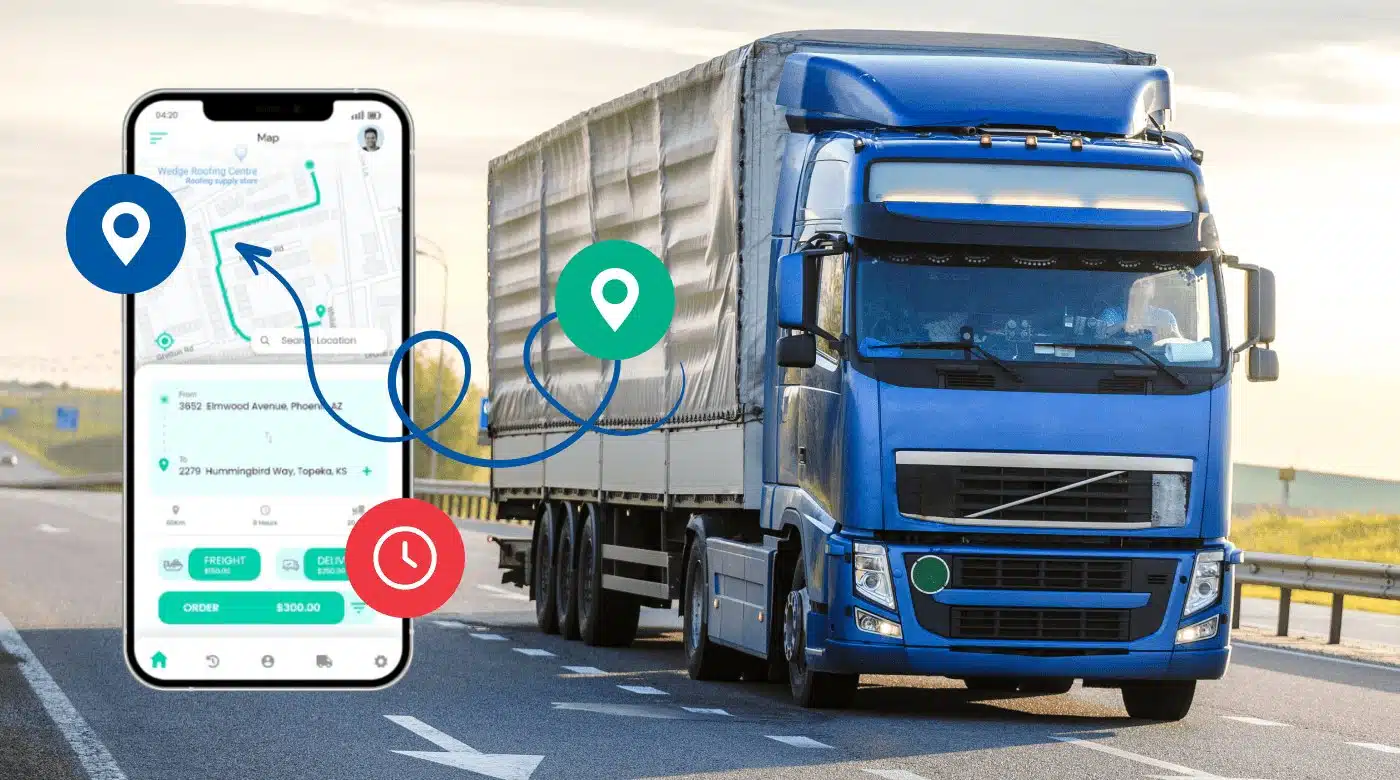
Implementing a transportation management system can transform how businesses manage shipping operations, optimize routes, and improve visibility across supply chains. However, implementation is rarely as simple as switching on new software and expecting instant results. Organizations often face challenges related to integration, employee adoption, budget planning, and scalability.
As supply chains become more complex, businesses increasingly rely on technology to improve efficiency and reduce operational costs. A properly implemented transportation management system provides visibility, automation, and control, but success depends on understanding potential roadblocks before they disrupt the process. This guide explores the most common implementation challenges and practical solutions to help businesses maximize their investment.
Understanding the Importance of a Transportation Management System
What is a Transportation Management System?
A transportation management system is a digital solution designed to help organizations plan, execute, and optimize the movement of goods. It serves as a central hub that manages transportation activities such as carrier selection, route optimization, shipment scheduling, and freight cost analysis.
Modern transportation management software does much more than simply organize shipping activities. It provides automation tools that support transportation execution, improve decision-making, and enable companies to monitor operations from start to finish.
Many businesses today rely on a cloud transportation management system because cloud-based solutions provide easier accessibility, faster deployment, and reduced infrastructure costs. Whether for manufacturers, retailers, distributors, or logistics providers, these systems create greater operational transparency.
Key Benefits of Implementing a Transportation Management System
The benefits of adopting a TMS system extend across multiple operational areas:
- Improved operational efficiency through automation
- Reduced freight and shipping expenses
- Better route planning using transportation planning software
- Enhanced visibility with real-time shipment tracking
- Better reporting and analytics
- Improved customer service
- Support for shipment lifecycle tracking
Organizations using a modern transportation management platform often experience fewer manual processes and better control over logistics operations.
Common Challenges in Transportation Management System Implementation
Resistance to Change and User Adoption
One of the biggest barriers to successful implementation is employee resistance. Teams accustomed to manual processes or older systems may hesitate to adopt new workflows.
Employees frequently worry about:
- Learning unfamiliar technology
- Changes in daily responsibilities
- Increased workload during transition periods
- Concerns about automation replacing tasks
Without proper communication, even a powerful transportation management solution can face low adoption rates.
When users avoid using the system correctly, businesses lose many expected benefits, including operational visibility and process efficiency.
Data Integration and System Compatibility
Most organizations already operate multiple systems, including ERP platforms, warehouse management systems, accounting software, and customer databases. Connecting all these systems can become complicated.
A TMS software implementation often struggles with:
- Inconsistent data formats
- Duplicate information
- Legacy systems
- API limitations
- Data synchronization issues
Poor integration may create inaccurate reporting and operational delays that negatively affect performance.
Budget Constraints and Cost Overruns
Implementation costs can sometimes exceed initial expectations. Businesses may focus only on software licensing costs while overlooking additional expenses such as:
- System integration
- Employee training
- Data migration
- Consulting services
- Custom development
Large organizations implementing an enterprise transportation management system can encounter significant cost increases if planning is incomplete.
Unexpected expenses can quickly place pressure on budgets and delay project completion.
Inadequate Training and Support
Even the most advanced technology cannot deliver value if employees do not know how to use it effectively.
Many companies underestimate the learning curve associated with a new transportation management software deployment. Employees may struggle with:
- Navigation difficulties
- Reporting tools
- Automated workflows
- Exception management
- Analytics features
Insufficient support often results in mistakes and slower adoption.
Customization and Scalability Issues
Every business operates differently. Some companies require unique workflows, custom reporting, or industry-specific processes.
However, excessive customization can create challenges:
- Longer implementation timelines
- Higher development costs
- Difficult software upgrades
- Reduced flexibility
Similarly, selecting a system that cannot scale creates future problems. A company experiencing growth may quickly outgrow its original transportation management platform.
Effective Solutions for Transportation Management System Implementation
Building a Strong Change Management Strategy
A successful implementation starts with managing people, not technology.
Organizations should communicate the reasons behind adopting a transportation management system early in the process. Employees need to understand how the system benefits both the company and their daily work.
Effective change management strategies include:
- Clear communication from leadership
- Employee involvement during planning
- Demonstrating practical benefits
- Addressing concerns proactively
- Recognizing early adopters
When employees understand the purpose of the transition, adoption rates typically improve.
Ensuring Seamless Data Integration
Data quality and integration planning should begin before implementation starts.
Businesses can reduce integration risks by:
- Auditing existing systems
- Cleaning outdated data
- Standardizing information formats
- Testing integrations before deployment
- Working with experienced implementation teams
Choosing a solution with strong API capabilities also improves connectivity.
A reliable transportation management solution should support smooth communication between systems while minimizing disruptions.
Planning for Budget and Resource Allocation
Budget planning requires realistic expectations.
Organizations should create a detailed implementation budget that includes:
- Software costs
- Training expenses
- Integration work
- Internal resources
- Contingency funding
Breaking implementation into phases often helps control spending and reduce risk.
Smaller businesses implementing TMS for shippers may benefit from gradual deployment approaches that avoid large upfront investments.
Providing Comprehensive Training and Ongoing Support
Training should not end after initial deployment.
Effective training programs include:
- Hands-on sessions
- Role-based instruction
- Video tutorials
- Documentation
- Refresher courses
Ongoing support is equally important because users continue discovering new features over time.
Strong user education improves confidence and helps teams maximize the value of TMS software.
Choosing a Flexible and Scalable Transportation Management System
Long-term growth should influence technology selection decisions.
Businesses should look for systems that provide:
- Flexible configuration options
- Cloud deployment capabilities
- Integration support
- Advanced analytics
- Future scalability
Selecting a cloud transportation management system can simplify expansion because cloud environments typically adapt more easily to changing business requirements.
Businesses should also evaluate whether a system supports growing shipping volumes and evolving operational needs.
Best Practices for a Successful Transportation Management System Implementation
Setting Clear Goals and KPIs
Implementation projects perform better when organizations define measurable goals from the beginning.
Common KPIs include:
- Freight cost reduction
- Delivery performance
- Carrier utilization
- Order processing speed
- Customer satisfaction levels
Metrics associated with real-time shipment tracking and shipment lifecycle tracking can also help organizations monitor progress effectively.
Involving Stakeholders Early
Successful projects rarely depend on a single department.
Key stakeholders often include:
- Operations teams
- IT departments
- Finance leaders
- Warehouse personnel
- Executive leadership
Early participation creates alignment and reduces misunderstandings during implementation.
Continuous Monitoring and Improvement
Implementation should be viewed as an ongoing process rather than a one-time project.
Businesses should regularly:
- Review system performance
- Analyze user feedback
- Monitor operational metrics
- Adjust workflows
- Identify optimization opportunities
A modern enterprise transportation management system should evolve alongside business needs and changing market conditions.
Conclusion: Achieving Success with Your Transportation Management System
Implementing a transportation management system offers significant opportunities to improve logistics performance, reduce operational costs, and increase visibility across supply chains. However, challenges involving adoption, integration, budgeting, and scalability can impact results if not addressed proactively.
Organizations that invest in planning, employee training, and long-term strategy often achieve better outcomes. Selecting the right transportation management platform with flexible capabilities, strong integration support, and future scalability can help businesses overcome implementation obstacles.
Businesses looking for a robust transportation management system can explore solutions like Agistix Transportation Management System to streamline logistics operations and support long-term growth.