The difference between a safe delivery and a costly dispute often starts before the carrier even arrives.
Enclosed auto transport is widely recommended for high-value vehicles, but the trailer type is only part of the equation. Carrier credentials, insurance limits, and loading practices carry just as much weight as the trailer walls around the vehicle.
Here’s a breakdown of trailer types, pricing, insurance checks, and carrier vetting. Asking the right questions before booking ensures a smooth, cost-effective shipment.
What is Enclosed Auto Transport?
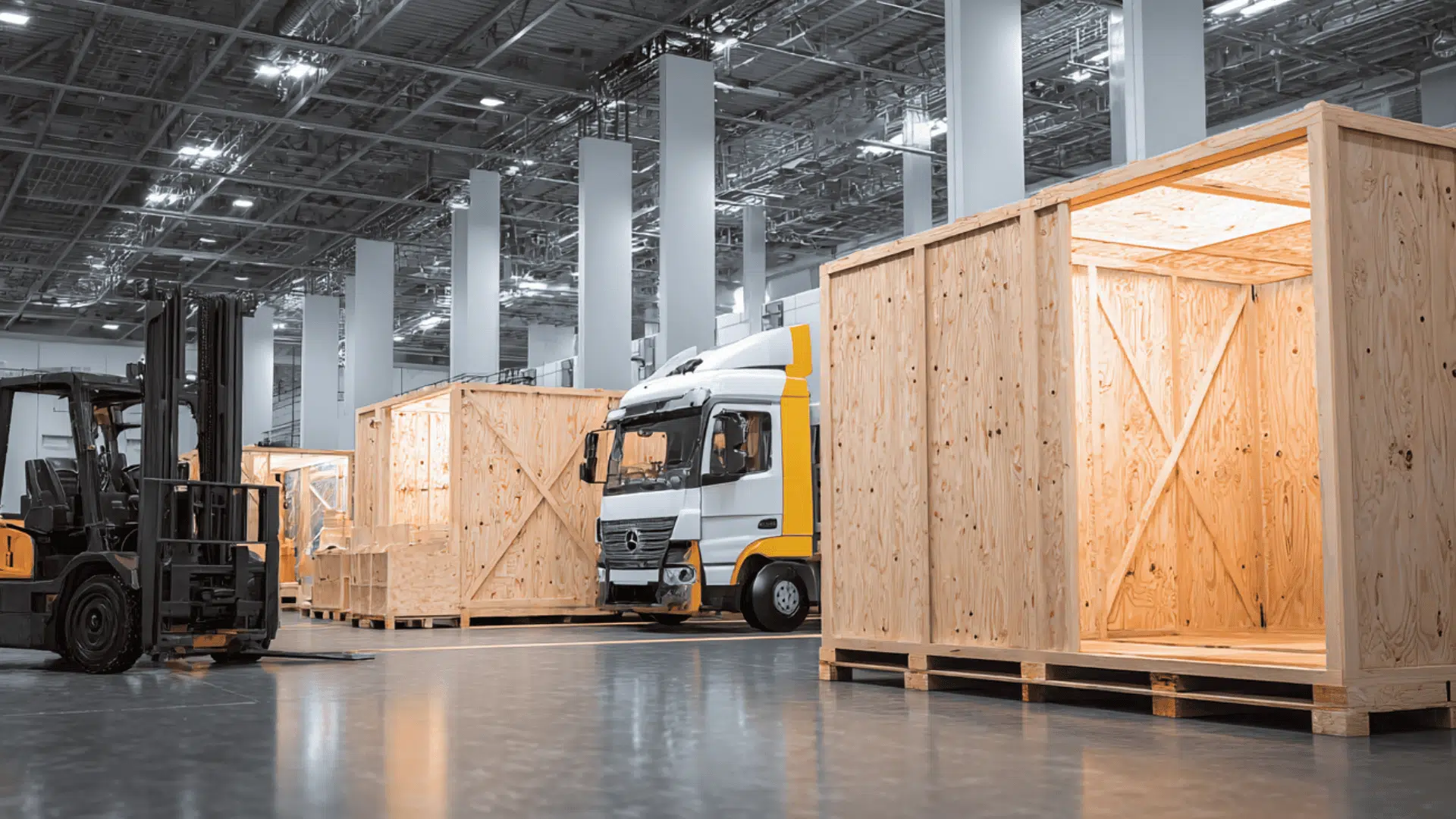
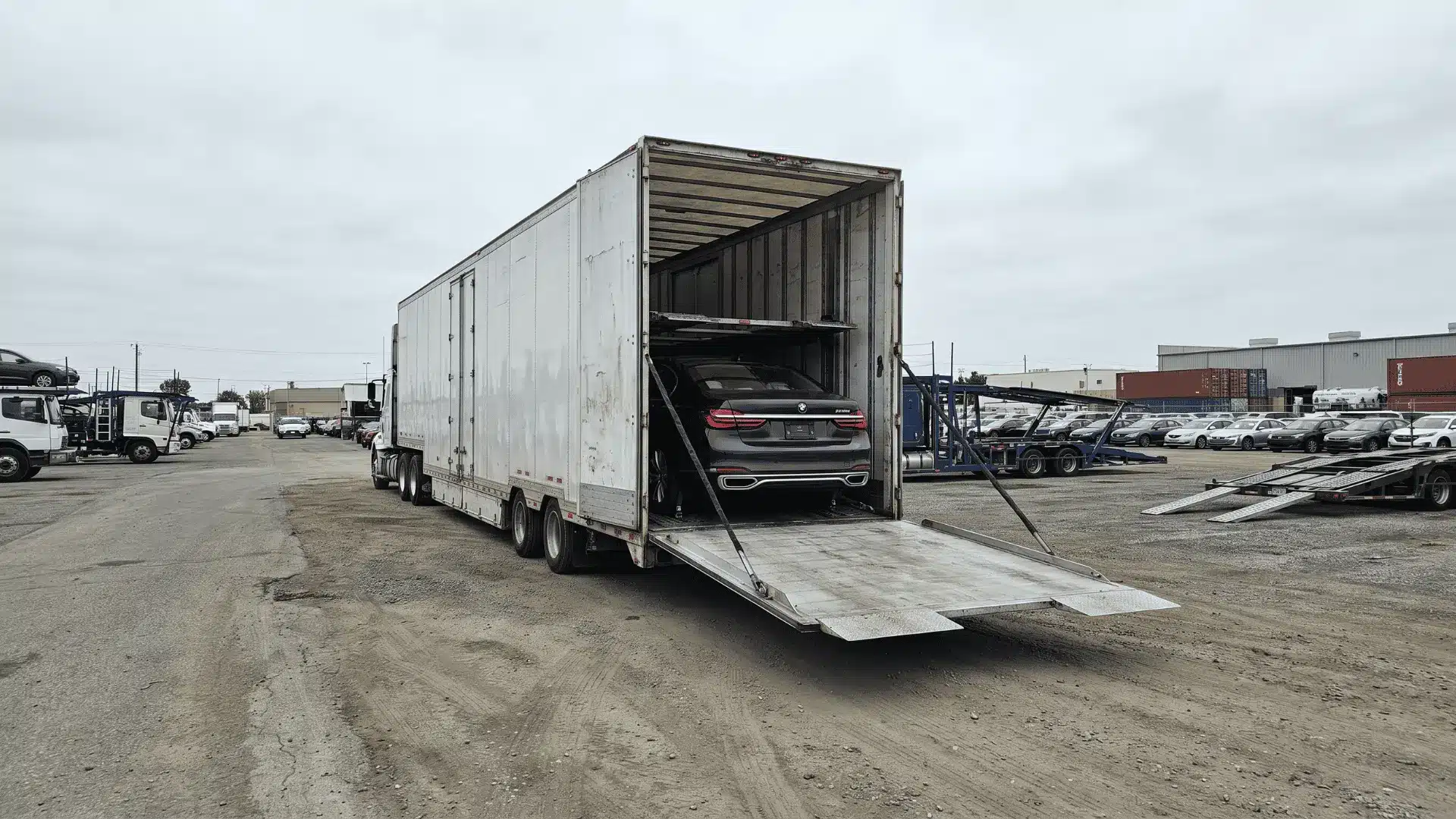
Enclosed auto transport is a car shipping method in which the vehicle travels inside a covered trailer rather than an open carrier. The enclosed trailer helps protect the vehicle from weather, road dirt, debris, and other environmental factors during transport.
Many people assume enclosed transport is a single type of service, but there are different trailer styles, loading methods, and handling levels within this category.
Some enclosed carriers transport multiple vehicles together, while others move only one vehicle at a time for more controlled handling.
Multi-Car Enclosed vs. Single-Car Enclosed
Not all enclosed transport services offer the same level of handling or exclusivity.
| Feature | Multi-Car Enclosed | Single-Car Enclosed |
|---|---|---|
| Vehicles Per Trailer | Carries multiple vehicles together | Carries only one vehicle |
| Most Common Use | Standard enclosed shipping | Premium and specialized shipping |
| Vehicle Types | Luxury and high-value cars | Exotic, collector, and rare vehicles |
| Handling Level | Standard enclosed handling | More controlled handling |
| White Glove Service | Less common | Commonly included |
| Cost | Lower cost | Higher cost |
The right option depends on the vehicle’s value, handling requirements, and desired level of protection during transport.
Soft-Sided vs. Hard-Sided Enclosed Trailers
Soft-sided enclosed trailers use canvas or vinyl over a frame to block weather and road debris. They’re lighter, reducing fuel costs and keeping prices lower.
These trailers are commonly used for shipping luxury and classic cars. They offer good protection but are less durable than hard-sided options.
Hard-sided enclosed trailers have rigid walls, a solid ceiling, and reinforced floors. They offer the highest level of protection, ideal for exotic or museum-quality vehicles.
Some hard-sided trailers come with air-ride suspension, reducing road vibration. These are typically used for high-value, seven-figure cars.
When comparing transport quotes, ask about the types of trailers. Ensure the level of protection matches your vehicle’s needs, especially for valuable cars.
How Does it Differ from Open Carrier?
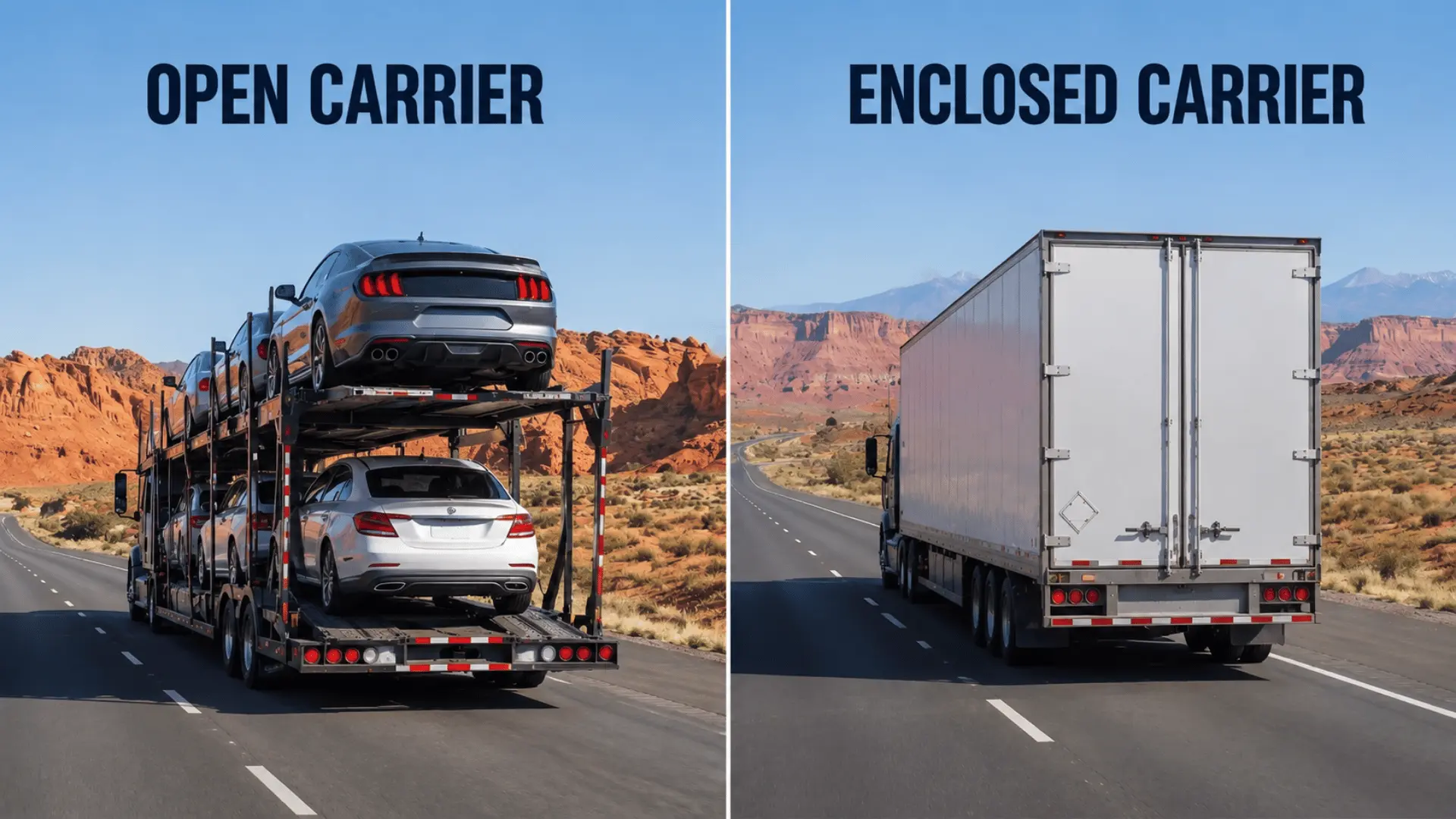
Open and enclosed transport are the two main methods for shipping vehicles. The biggest difference is the amount of exposure the vehicle has to the outside during transit.
Open Carrier vs. Enclosed Carrier
| Feature | Open Carrier | Enclosed Carrier |
|---|---|---|
| Trailer Type | Open trailer | Covered trailer |
| Vehicle Exposure | Exposed to weather and road dirt | Protected from outside exposure |
| Protection Level | Basic protection | Higher physical protection |
| Common Use | Daily drivers and standard vehicles | Luxury, classic, and exotic cars |
| Loading Style | Standard ramps | May use lift gates or low-angle ramps |
| Cost | Lower cost | Higher cost |
Open carriers typically haul seven to ten vehicles per trip. Enclosed carriers carry two to six, depending on the trailer configuration. That capacity difference is the primary reason for the higher cost of enclosed transport.
What Enclosed Transport Actually Protects Against and What It Doesn’t?
Enclosed transport protects vehicles from weather, road dirt, debris, and other environmental factors during shipping. However, it does not eliminate risks related to handling, loading, or equipment failure.
What Enclosed Transport Protects Against?
Enclosed transport protects the vehicle from weather and road exposure during shipping.
Because the car travels inside a covered trailer, it is protected from rain, snow, hail, sunlight, road dust, and small road debris. It also keeps the vehicle out of public view during transit.
This added protection is especially useful for classic cars, luxury vehicles, freshly painted cars, carbon fiber parts, show cars, and convertibles with soft tops.
Open transport is still safe for many standard vehicles. The main difference is the amount of exposure to the outside during shipping.
What Enclosed Transport Does Not Protect Against?
Enclosed transport doesn’t eliminate shipping risks, such as loading errors or equipment issues.
A well-managed open carrier with proper tie-downs and an experienced driver can deliver a vehicle in better condition than an enclosed carrier with improper practices.
Before booking, ask the carrier how vehicles are secured inside the trailer. Knowing the method helps ensure the vehicle’s safety during transport.
Soft tie-down systems that attach to the wheels are safer for low-clearance or custom vehicles. They avoid damage to sensitive parts.
Carriers who clearly describe their loading process likely have more experience handling high-value vehicles. This transparency is a good sign of professionalism.
How Much Does Enclosed Auto Transport Cost and Why?
Enclosed auto transport costs more than open shipping because enclosed trailers carry fewer vehicles and provide added physical protection during transit.
Enclosed vs. Open Cost Comparison: Ranges and Per-Mile Rates
Open transport is usually the more affordable option for standard vehicles, while enclosed transport is commonly chosen for luxury, classic, and high-value cars.
| Transport Type | Average Cost Per Mile | Typical Total Cost Range | Best For |
|---|---|---|---|
| Open Transport | $0.60–$1.50 per mile | $600–$1,600 | Daily drivers and standard vehicles |
| Multi-Car Enclosed Transport | $1.00–$2.50 per mile | $900–$2,500 | Luxury, classic, and high-value cars |
| Single-Car Enclosed Transport | $2.50–$3.50+ per mile | $2,500–$3,500+ | Exotic, collector, and rare vehicles |
Open carriers spread operating costs across more vehicles, while enclosed trailers have lower carrying capacity and higher per-vehicle operating costs.
Transit Time and Scheduling Differences
Enclosed transport takes longer to book and deliver than open transport because fewer carriers operate. Available spots fill quickly, leading to tighter scheduling.
Open carriers operate on major routes across the country and can be dispatched within days. Enclosed carriers cover the same routes but less frequently, extending the wait for pickup.
Both enclosed and open transport typically take 7 to 14 days for cross-country shipments, depending on the route and the carrier’s schedule.
For time-sensitive shipments, consider booking enclosed transport two to three weeks in advance. This helps secure your preferred pickup window and avoids delays.
Factors that Move Your Quote up Or Down
Enclosed auto transport pricing can vary based on the route, vehicle type, shipping season, and trailer setup. These factors often explain why quotes differ from one shipment to another.
- Route Demand: Popular shipping routes are often cheaper because carriers travel those corridors more frequently.
- Fuel Prices: Higher fuel costs can increase overall transport pricing.
- Seasonal Demand: Prices may rise during busy moving seasons and high-demand periods.
- Vehicle Size and Weight: Larger or heavier vehicles usually cost more to transport.
- Ground Clearance: Low-clearance vehicles may require specialized loading equipment, which can increase pricing.
- Pickup and Delivery Flexibility: Door-to-door service is usually more expensive than terminal pickup and drop-off.
- Trailer Type: Multi-car enclosed transport is generally more affordable than single-car enclosed service because operating costs are shared across multiple vehicles.
These factors can significantly affect the final shipping cost, even for similar vehicles traveling on comparable routes.
When is Enclosed Auto Transport Worth It and When Isn’t It?
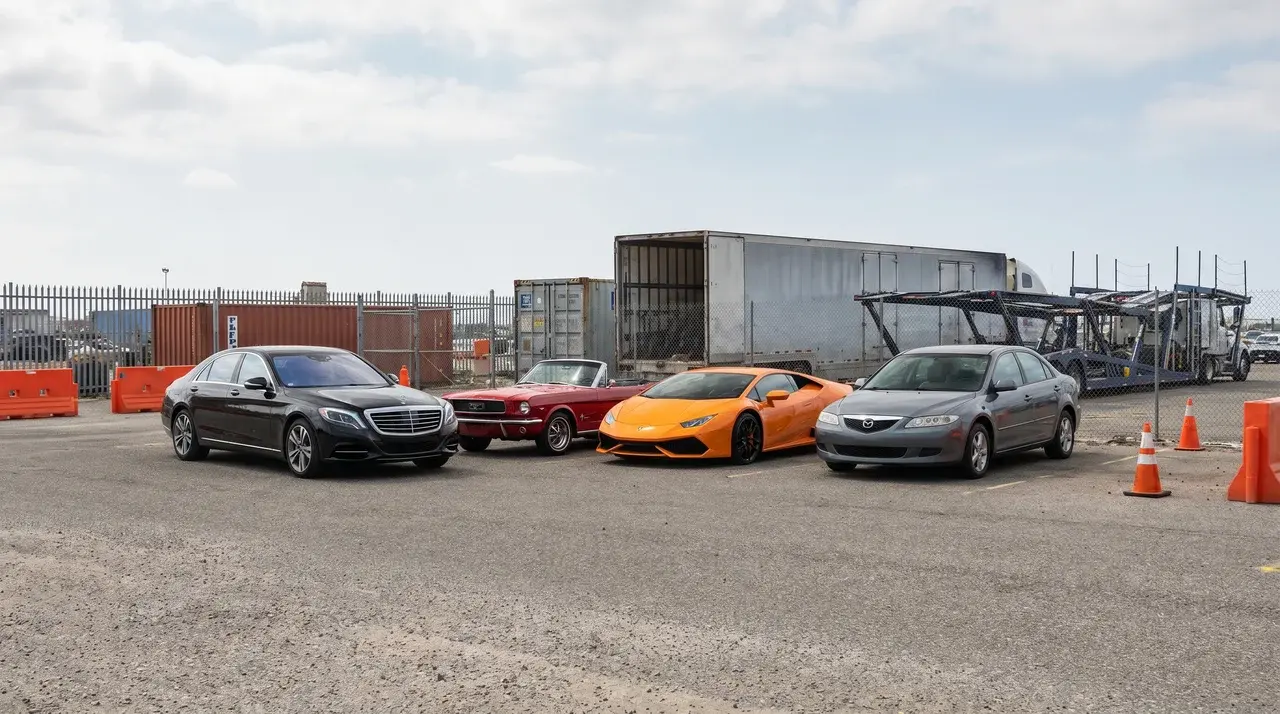
Enclosed auto transport is usually worth it for high-value vehicles, vehicles with sensitive finishes, or vehicles with expensive repair costs.
This commonly includes classic cars, collector vehicles, exotic cars, supercars, freshly restored vehicles, luxury vehicles with custom paint, and convertibles with soft tops.
These vehicles often have rare parts, delicate finishes, or a higher risk of cosmetic damage during shipping. Even minor exterior damage can become expensive to repair.
For many standard vehicles, open transport is often a practical and cost-effective option. It is commonly used for daily drivers, sedans, SUVs, pickup trucks, and regularly used vehicles.
The right choice depends on the vehicle’s value, cosmetic sensitivity, and the owner’s comfort level with exposure to the elements during transport.
The Insurance Ceiling Check: What to Do Before Deciding?
Before choosing between open and enclosed transport, verify that the carrier’s cargo insurance fully covers the vehicle’s value.
Many carriers offer cargo insurance limits ranging from $100,000 to $250,000. That may be enough for some vehicles, but not for high-value collector cars or exotics.
Before booking, check:
- The carrier’s active cargo insurance
- The total coverage limit
- Whether the vehicle’s full value is covered
- If additional declared value coverage is available
Focusing solely on the trailer type can leave an expensive vehicle underinsured, even when it’s in an enclosed trailer.
How to Choose an Enclosed Auto Transport Company?
Choosing the right enclosed auto transport company is not only about reviews or pricing. It is also important to know who will physically transport the vehicle and whose insurance coverage applies during shipping.
Broker vs. Direct Carrier: Why Does It Matter?
Many enclosed transport companies work as brokers, meaning they arrange the shipment but may not physically transport the vehicle. The actual carrier is the company responsible for loading, moving, and insuring the vehicle during transit.
| Feature | Broker | Direct Carrier |
|---|---|---|
| Main Role | Arranges the shipment | Physically transports the vehicle |
| Owns the Transport Truck | Usually no | Yes |
| Handles Vehicle Loading | No | Yes |
| Active Cargo Insurance During Transit | Usually, the carrier’s insurance applies | Carrier’s insurance applies |
| Best For | Comparing multiple carrier options | Direct communication and handling |
Brokers arrange shipments but don’t physically move vehicles. Their liability covers business operations, not cargo in transit.
Cargo insurance, which covers damage during shipping, is the carrier’s responsibility. Always confirm the carrier’s insurance before pickup to protect your vehicle.
Some companies operate mainly as brokers, while others operate as direct carriers. Companies often discussed in the enclosed transport market include Reliable Carriers, Intercity Lines, and Montway Auto Transport.
The important step is not choosing the most well-known name. It confirms who will actually handle and ensure the vehicle during shipping.
What to Check Before Booking?
Before booking enclosed transport, confirm these details:
- Verify the carrier’s FMCSA registration, MC number, and USDOT number
- Check that the cargo insurance is active and covers the vehicle’s value
- Review customer feedback related to enclosed transport and high-value vehicles
- Ask who will physically transport the vehicle
- Confirm how the vehicle will be loaded and handled
- Ask whether white-glove service or specialized loading equipment is available for low-clearance or expensive vehicles
Checking the actual service details is more important than relying only on pricing or marketing claims.
What to Expect When Shipping Your Car Enclosed?
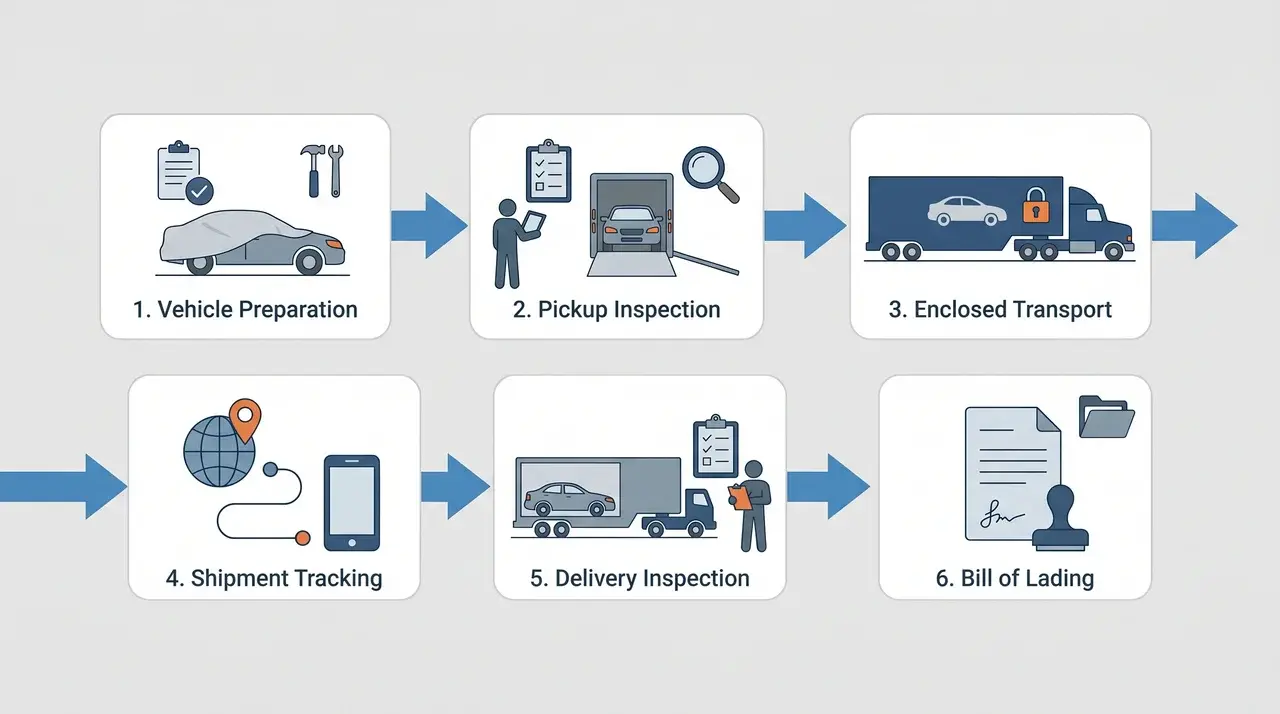
Enclosed car shipping usually includes vehicle preparation, pickup inspection, transport, and final delivery inspection. The Bill of Lading is one of the most important documents because it records the vehicle’s condition before and after shipping.
Before Pickup
Most carriers require a low fuel level, no personal items inside, and working brakes and battery. These steps help ensure the vehicle is ready for transport.
Before the driver arrives, take photos of all four sides, the wheels, and any existing damage or modifications. These images serve as a reference in the event of any disputes regarding the condition at delivery.
During Transport
Some carriers provide GPS tracking or shipment updates, allowing you to monitor the vehicle’s progress during transit. This can give peace of mind throughout the journey.
Pickup and delivery dates are usually estimated windows that can change due to traffic, weather, or route delays. Keep in mind that changes may occur along the way.
At Delivery
Inspect the vehicle carefully before signing the final paperwork. Compare the vehicle’s condition with your photos and the original inspection report, and document any new damage immediately.
The right car shipping option depends on your vehicle’s value, protection needs, and budget. Compare carriers carefully and verify insurance coverage before booking any transport service.
Wrapping Up
Choosing enclosed auto transport is about more than weather protection; it’s about who handles the vehicle. The trailer type sets the environment, but the carrier’s practices matter most.
Verified insurance, transparent loading practices, and a confirmed carrier identity are key. These checks matter more than the booking platform’s name or the quote’s price.
The Bill of Lading, cargo coverage limits, and FMCSA registration are vital tools protecting the vehicle. Skipping any of them shifts the risk to the owner.
Ready to ship with confidence? Verify the carrier, confirm the coverage, and book the method that fits the vehicle, not just the budget.
Frequently Asked Questions
What happens if a carrier damages a vehicle during enclosed transport?
File a claim against the carrier’s cargo insurance immediately. Use the Bill of Lading and pre-shipment photos as evidence to support the claim.
Is enclosed transport available for international vehicle shipments?
Enclosed transport is primarily a domestic service. International shipments typically use container shipping, which provides comparable protection during overseas transit.
Can a vehicle be shipped enclosed if it has aftermarket modifications?
Yes, but inform the carrier beforehand. Modifications affecting height, width, or ground clearance may require specialized equipment or render the trailer incompatible.
Does enclosed transport cover vehicles with expired registration?
Most carriers require valid registration or title documentation. Some may accept expired registration, but requirements vary by carrier and state regulations.