In recent years, healthcare has undergone a quiet yet powerful transformation. Instead of relying only on occasional doctor visits or reactive treatments, people are increasingly using technology to understand their health in real time. This shift is part of a broader movement toward preventive and personalized care, where individuals take a more active role in tracking and managing their own well-being.
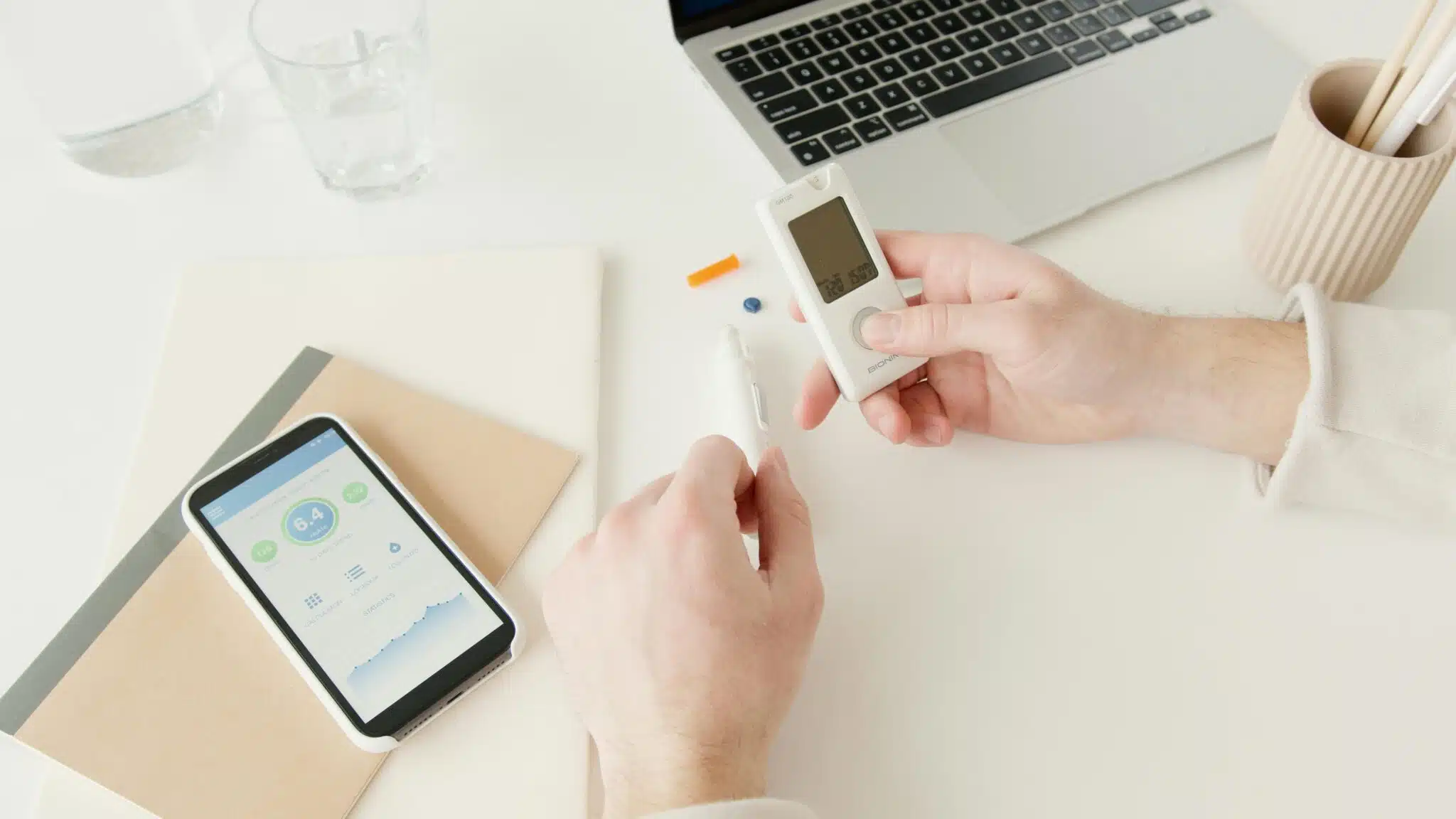
At the center of this evolution are personal health monitoring technologies. These include wearable devices, mobile health applications, at-home testing kits, and connected platforms that collect and analyze health data. From heart rate and sleep quality to hormone levels and metabolic indicators, modern tools are enabling continuous monitoring of the body rather than periodic assessments.
Wearables and Everyday Health Data

One of the main drivers of this trend is accessibility. Devices that were once limited to clinical environments are now available to everyday consumers. Smartwatches can track heart rhythms and physical activity, while advanced biosensors can monitor oxygen levels, stress responses, and even early signs of illness. This constant stream of data helps users identify patterns and make more informed decisions about their lifestyle, diet, and exercise habits.
Another important factor is the growing demand for personalized healthcare. People are no longer satisfied with one-size-fits-all recommendations. Instead, they want insights that reflect their unique biology and circumstances. Personal health monitoring technologies help bridge this gap by translating raw data into actionable feedback tailored to the individual.
Hormonal Health and At-Home Testing

Hormonal health is one area where this shift is especially noticeable. Many individuals are now seeking better ways to understand changes in their bodies related to stress, aging, and reproductive health. For example, during perimenopause and menopause, hormone fluctuations can significantly impact sleep, mood, energy levels, and overall well-being. Traditional healthcare systems do not always provide immediate or detailed insights into these transitions, which has led to increased interest in at-home testing solutions such as the menopause test kit. The best menopause test kit offers a more convenient and private way to monitor hormonal changes and better understand what is happening inside the body.
The Role of AI and The Future of Health Monitoring

Artificial intelligence is also playing a major role in advancing personal health monitoring. Modern platforms can analyze large amounts of data collected from multiple sources and identify trends that might not be obvious to the user. For instance, subtle changes in heart rate variability, combined with sleep disruption and elevated stress levels, can signal early signs of burnout or illness. AI-driven insights help transform raw numbers into meaningful health guidance.
Despite these advantages, the rise of health monitoring technologies also raises important questions. Data privacy and security are among the most significant concerns. As more sensitive health information is collected and stored digitally, protecting this data becomes critical. Users need transparency about how their information is used and shared.
There is also the risk of over-reliance on technology. While continuous monitoring can provide valuable insights, it is not a replacement for professional medical advice. Misinterpretation of data can sometimes lead to unnecessary anxiety or incorrect self-diagnosis. For this reason, experts emphasize that personal health technologies should be used as supportive tools rather than definitive medical authorities.
Conclusion
Even with these challenges, the overall impact of personal health monitoring technologies is undeniably positive. They encourage individuals to become more engaged with their health, detect potential issues earlier, and adopt healthier habits over time. In many cases, small adjustments based on consistent feedback can lead to significant long-term benefits.
As technology continues to evolve, we can expect even more sophisticated and integrated health monitoring systems. Devices will become more accurate, less intrusive, and more deeply connected to broader healthcare ecosystems. Personal health monitoring may become a standard part of everyday life, just as common as using a smartphone or checking the weather.
The shift toward proactive health management represents a major step forward in modern medicine. By combining technology, data, and individual awareness, people are gaining unprecedented control over their well-being, and this is only the beginning of what is possible in the future of healthcare.