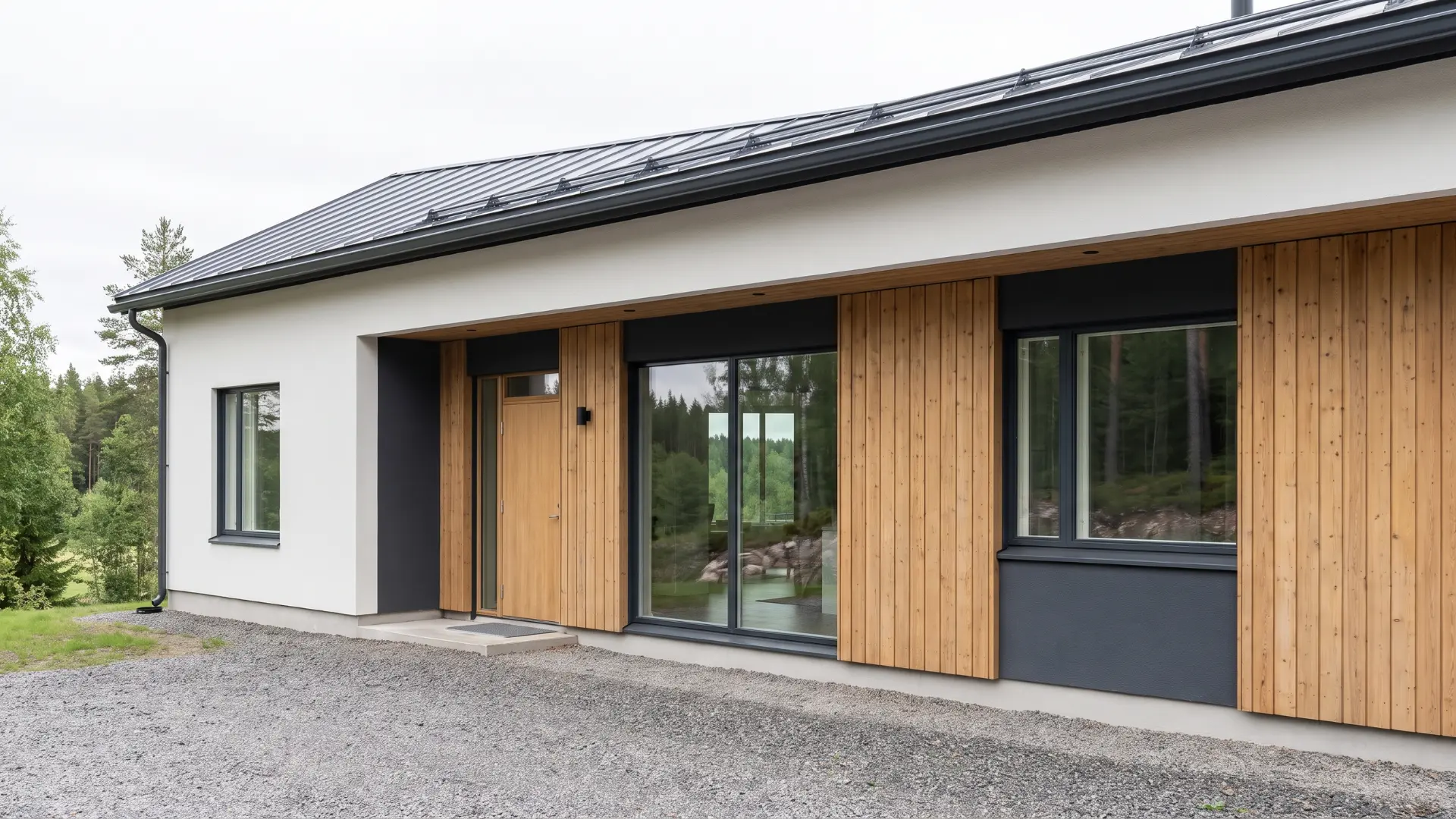
An industrial facility demands careful consideration and planning of its overall layout to maximise operational productivity.
Not only is it necessary to keep these building guardrails in check to ensure local safety and regulatory compliance, but it’s also crucial to uphold these standards to ensure that your staff are working in optimal conditions and that your inventory and equipment remain in a good and serviceable state.
While you can rely on your team of engineers and architects to craft a building design that meets safety planning standards, it’s not uncommon for some optimisations to be overlooked during the planning process.
This is especially true in the realm of airflow and safety mechanics, as there are countless controls to consider when it comes to properly integrating airflow and safety during the design process.
Besides the initial construction, renovations can also be made to further improve various elements of the industrial facility in question. So if you want to learn more about that, then you’re in the right place.
This article will delve into the various elements to consider when designing an industrial facility. Let’s jump right into it.
The Core Components of a Standard Industrial Facility Design
Industrial facilities can take many different architectural layouts and sizes; the important thing about them is their design and underlying utility.
They need to be built in a way that supports a business’s operational, storage, and manufacturing requirements without straining resources.
This is a balancing act, as there are factors such as air quality, temperature, mobility, and safety that need to be considered to ensure that the everyday workplace is as safe and productive as it can be for the business’s benefit.
Typically, this is what constitutes an industrial facility:
- A production or operational area: This is the main working zone where the bulk of industrial activities happen. Think assembly stations, processing areas, manufacturing lines, and plenty of heavy equipment.
- Power and utility infrastructure: With the bulk of the equipment present in industrial complexes, there needs to be an energy source to power them all. Electrical distribution systems, backup generators, fuel systems, water supply systems, and drainage systems are some examples of power infrastructure commonly found in industrial sites.
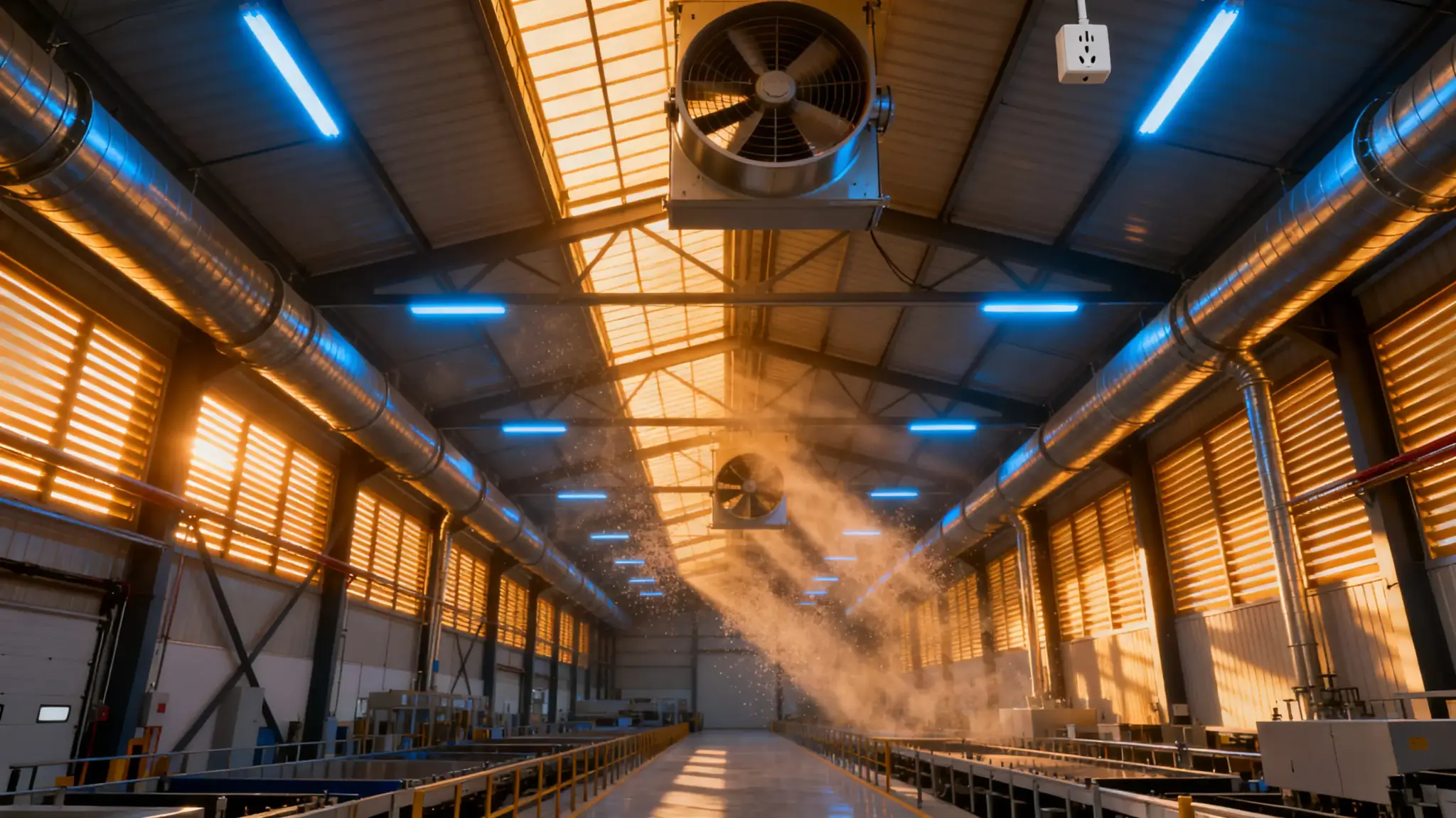
- Ventilation systems: Industrial facilities require airflow systems to ensure that the interior doesn’t exceed maximum temperature standards. It also allows air to circulate freely, removing contaminants and harmful emissions from within the premises.
- Storage and material handling areas: An industrial building would also need a dedicated space to hold inventory, such as raw materials and finished goods. Inventory zones and racks are some examples of these commonly used spaces.
- Structural requirements: Industrial buildings also tend to have features that work to enhance productivity, such as high ceilings, open floor layouts, reinforced steel structures, and large access doors.
- Administrative spaces: Besides the main operation zone, offices are also present to support workers. Some include office rooms, control rooms, staff locker and break areas, and security checkpoints.
In any case, knowing these characteristics helps building owners better understand what constitutes an industrial facility.
This, in turn, can help them make comprehensive and smarter decisions to create systems and incorporate elements to promote safe, breezy, and efficient industrial facility design.
What Makes Airflow Relevant in Industrial Site Design?
Maintaining a good airflow cycle is one of the most critical considerations to make when designing a workable industrial facility.
This is largely because these industrial facilities release various emissions and particles into the air, and if enough of it accumulates within the premises, this could interfere with both workers’ health and operational efficiency.
It’s one thing to keep airflow measures in mind, but it’s another thing to implement them appropriately and in a fashion aligned to the needs of the industrial site. Good airflow implementation is a tricky concern, as it’s not improbable for some things to be overlooked or swept under the rug due to budget constraints or other factors.
That said, maintaining a high standard of airflow in your industrial premises not only keeps the interior cool and safe, but it also boosts workplace safety up a notch. There are two main types of airflow ventilation systems: natural and mechanical. Both work great in keeping the premises clean, and having both is often best for an emission-heavy building like an industrial site.
Here are some examples of airflow systems that industrial sites should have:
- Louvre doors: Louvre doors by Airocle are vent systems that promote airflow because of their open and panelled slat design. They’re also fairly discreet, making it ideal in sensitive industrial zones.
- Roof vents: Installed on rooftops, roof vents remove hot air and improve continuous air circulation inside industrial buildings. They can be placed in a uniform distribution or tailor-fit distribution depending on the building’s energy requirements.
- Air duct systems: A mechanical exhaust system that distributes cooled air evenly throughout set sections of the facility. It also sucks air in, creating a vacuum-like effect that removes contaminants and bad air from within the premises.
- Turbine ventilators: Wind-powered rooftop ventilators that continuously extract hot air without requiring electricity. Good for removing large volumes of air.
- Air curtains: Installed near entrances and loading docks to reduce outside heat, dust, and contaminants from entering the facility.
- Exhaust fans: Pull contaminated, humid, or hot air out of work areas to maintain safer indoor air quality.
With the right set of airflow systems in place, industrial facilities can become safe and energy-efficient zones that support both worker and operational well-being.
The Crucial Safety Aspects of Industrial Facility Design
Safety in the workplace is an essential consideration for every business owner, especially in fields that involve heavy machinery, hazardous raw materials, and chemicals.
Workplace accidents can be expensive and a big smear on your reputation; as such, it’s best to minimise them as much as possible. And that’s largely by incorporating fundamental safety elements that keep your staff and resources in good hands throughout the entire process.
There are various safety measures that facility owners have to consider to ensure that they’re compliant with safety protocols.
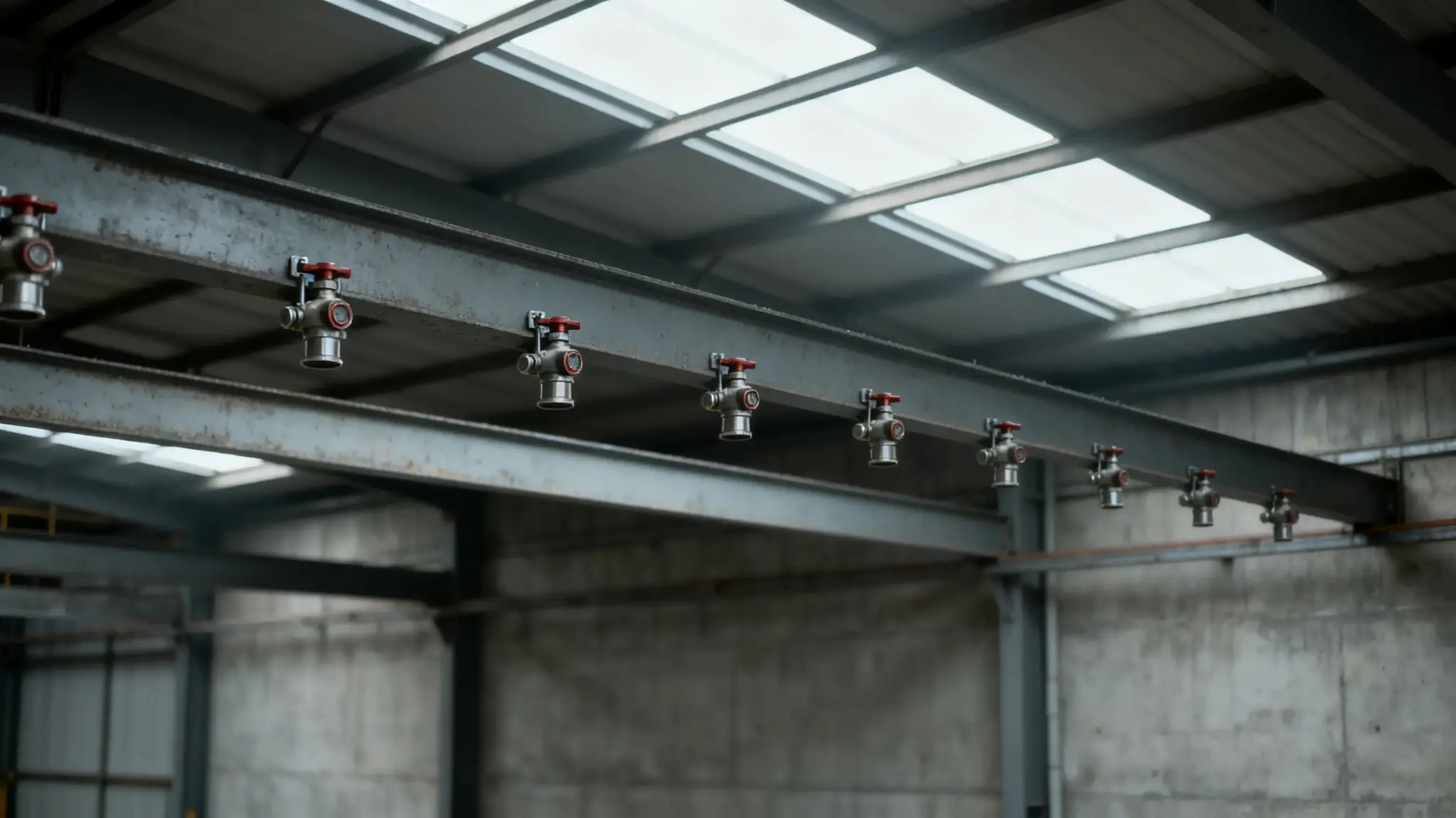
The first is fire protection. Ensure that there are enough sprinklers and extinguishers around the place to help speed up the response to fire emergencies within the premises.
You should also consider getting sufficient lighting in your industrial site, as proper lighting improves visibility and removes the hazard of tripping, bumping, or falling onto dangers.
In addition, industrial facilities should have proper ventilation and smoke control systems to reduce workers’ exposure to harmful fumes and airborne contaminants that may affect health and productivity over time.
With all these safety aspects in mind, businesses can create an environment that’s more productive and safe for their workers and inventory stock.
3 Smart Ways to Boost Industrial Facility Efficiency
If you’re keen to create an environment wherein your operational efficiency is at optimal levels within your industrial facility, then here are some ways you can bring it up to standard:
Optimise Facility Layout
A strategic floor layout can help minimise unnecessary movement between workstations and production lines.
This enhances productivity and keeps operations smooth from start to finish. You can optimise the layout by sequencing the floor layout of processing zones adjacent to the next step in the process, provided that it’s all done within a safe distance.
You can also optimise your facility by creating clear traffic pathways to minimise foot traffic congestion. Freeing up loading and unloading zones is also optimal to speed up inventory handling.
In any case, keeping your facility layout’s spacing in mind when designing your industrial site is essential to ensure that the workflow of your staff is as productive and seamless as it can be.
Improves Ventilation
Another way to keep working conditions at healthy levels is by improving the ventilation throughout the building.
Machines tend to overheat when running for hours on end. This can create a heat bubble in specific zones of the building, contributing to workplace discomfort and accelerating wear and tear of particular equipment and structures.
As this is the case, it’s essential to combat this problem by installing ventilation systems around the industrial site. Both natural and mechanical systems are optimal. You can also employ cross-ventilation practices to improve the flow of air.
Use Energy-Efficient Systems
Another way to boost efficiency in your industrial site is by using cost-effective and sustainable technology whenever possible, as long as it doesn’t compromise the quality of your business’s outputs.
For instance, consider using LED lighting or sustainable A/C units as your primary electric sources instead of units that consume more electricity. This lowers your energy consumption and utility bills per month, which can add up to some pretty significant savings over time.
You can also consider incorporating smart technology to monitor equipment and energy usage, helping you scale back or ramp up your operations as needed based on the meter readings.
We hope that we’ve helped you understand the importance of promoting airflow and enforcing high standards of safety within your industrial facility. All the best in maximising your site throughout your business endeavours!