
In the present time, Qatar has evolved into being one of the most visionary sports countries around the world. Technology is at the core of all stadiums, training centers, and sports programs that are developed by the state. For instance, there are various technologies such as artificial intelligence (AI), innovative cooling systems, and others that play an important role in the development of Qatar’s sports sector. To follow its sporting success story, visit the digital resources.
Stadium Construction Innovation and Technology in Qatar
The way stadiums are being designed in Qatar is setting new standards for what sports venues can do. Architects utilize Building Information Modelling software, which allows them to virtually construct the stadiums prior to any construction happening in real life. This not only saves time and money by eliminating mistakes, but also ensures that all buildings will be safe for spectators.
In addition to the architectural innovations, stadiums in Qatar boast advanced technology in the form of sensor networks. It keeps track of such parameters as the air quality and structural stability of the stadiums. With increasing gambling trends around the world, such a trend continues in stadiums in Qatar, and MelBet registration gains popularity among fans eager to bet on games. All in all, Qatar stadiums represent an ecosystem of data in itself.
Cooling Technology and Weather-Adapted Facilities
The arid conditions in Qatar pose a difficult problem for the organization of sports events in the open air. Specialists have created a system of district cooling technology, allowing for maintaining pleasant temperatures even when the temperature outside surpasses 40 degrees Centigrade. It includes networks of cooled water installed beneath sports stadium facilities that allow for precise air control.
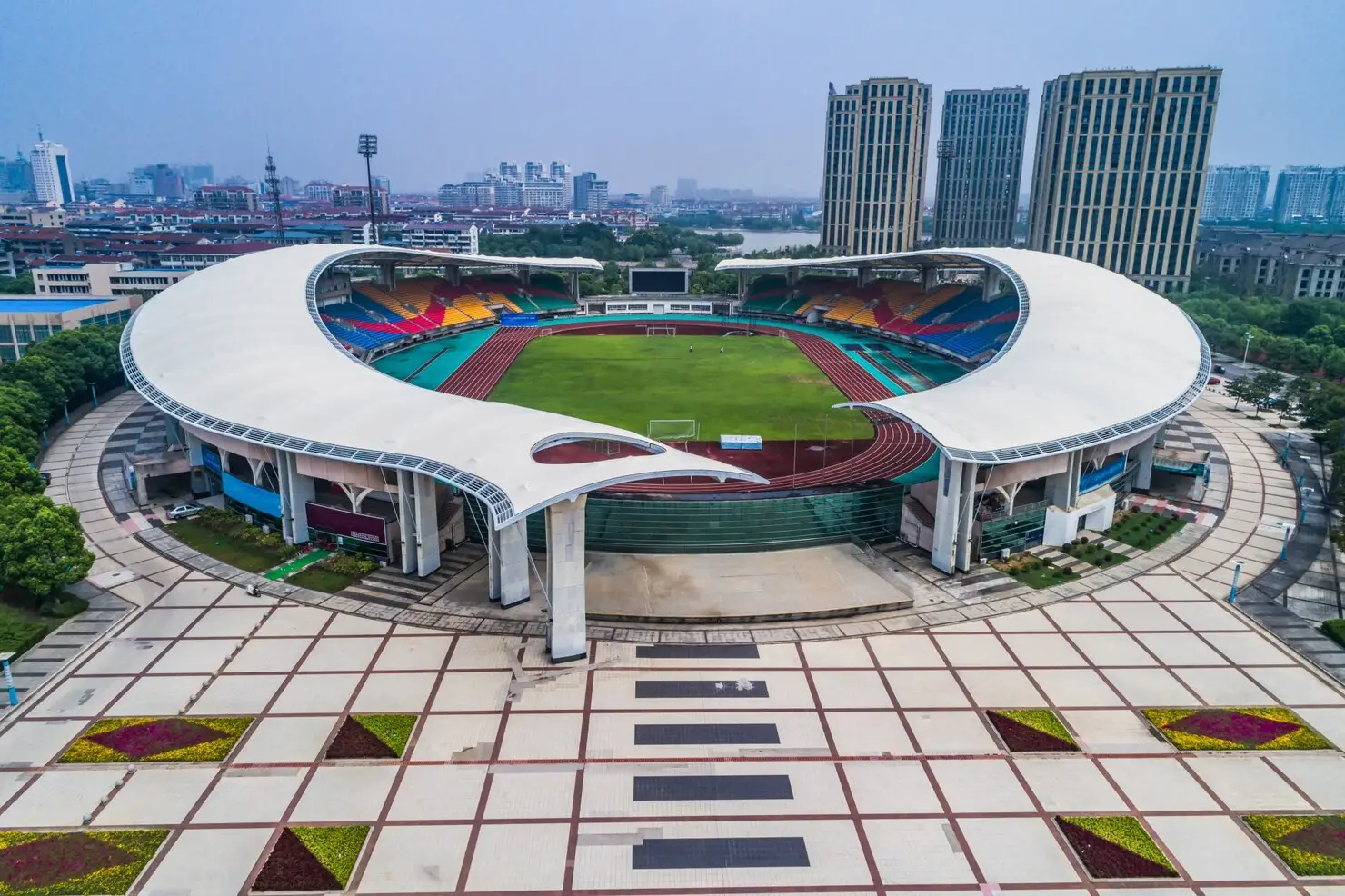
Qatar’s cooling technologies have attracted substantial international attention from specialists in engineering and architecture around the globe. Digitalization of sports events is developing along with the construction of new types of stadiums, and MelBet allows sports enthusiasts to watch competitions. Organized by Qatar via online sports gambling and casino services. The use of cooling technology is expanding into areas like outdoor sports training centers and public athletic facilities.
Technologies That Are Changing the Sports Industry in Qatar
The infrastructural efforts in Qatar make use of various technologies that work concurrently at different stages of implementation.
- AI and Predictive Modeling: AI technology allows the prediction of maintenance requirements and efficient energy use in stadiums.
- Drone Technology: The drones can monitor construction sites and help in compliance monitoring for safety purposes.
- 5G Network: The fast networks facilitate smooth broadcasting of games and fan interaction during the events.
- Sustainable Energy Sources: Solar energy and waste-to-energy plants play a vital role in decreasing the carbon footprints of large stadiums.
All these technologies do not act in silos but are part of a larger digital ecosystem.
Sustainable Infrastructure and the Green Sports Dream
The country is determined to create stadiums and other sporting venues that stay within environmental limitations while meeting top-tier requirements in terms of functionality. The use of recycled construction materials and water-saving technologies is included in the initial design of the country’s national stadiums. Renewable solar power serves as an important source of energy for powering the stadiums’ operations.
Green architectural practices are now employed by firms from Europe, Asia, and North America in cooperation with local engineers on major stadium projects. Sophisticated environmental management systems analyze such variables as water consumption, emissions, and energy output within the stadiums. Passive ventilation systems allow creating comfortable microclimates in stadiums with minimal need for air conditioning.
Digital Connectivity and a Revolution in the Fan Experience
Current sports infrastructure not only includes actual construction but also encompasses technological aspects such as digital engagement with fans. Smart ticketing systems, augmented reality stadium tours, and Wi-Fi networks are all prevalent in Qatar. Fans can use their mobile devices to interact with live stats, players, and much more during actual live events. The inclusion of technology into the fan experience adds an immersive, interactive, and highly data-driven approach to spectatorship.
Another essential aspect of broadcasting sports events is the quality of broadcasting technology available to the broadcasting team. High-resolution cameras, drone filming capabilities, and instant playback options from multiple angles are currently common practice in Qatari stadiums. With the help of artificial intelligence, broadcasting teams can pick ideal camera angles for filming and create highlight reels within minutes. As a result, events broadcast from Qatar have unparalleled viewing quality on a global scale.
Training Smarter Through AI and Data Analytics
The sports academies of Qatar have been utilizing artificial intelligence in improving athlete training beyond the usual approaches used by coaches. In every training session, thousands of data points are collected and processed by machine learning programs to determine patterns in athlete performance. Identify injuries that may occur in the near future, and prescribe custom recovery regimens that have proven highly accurate.
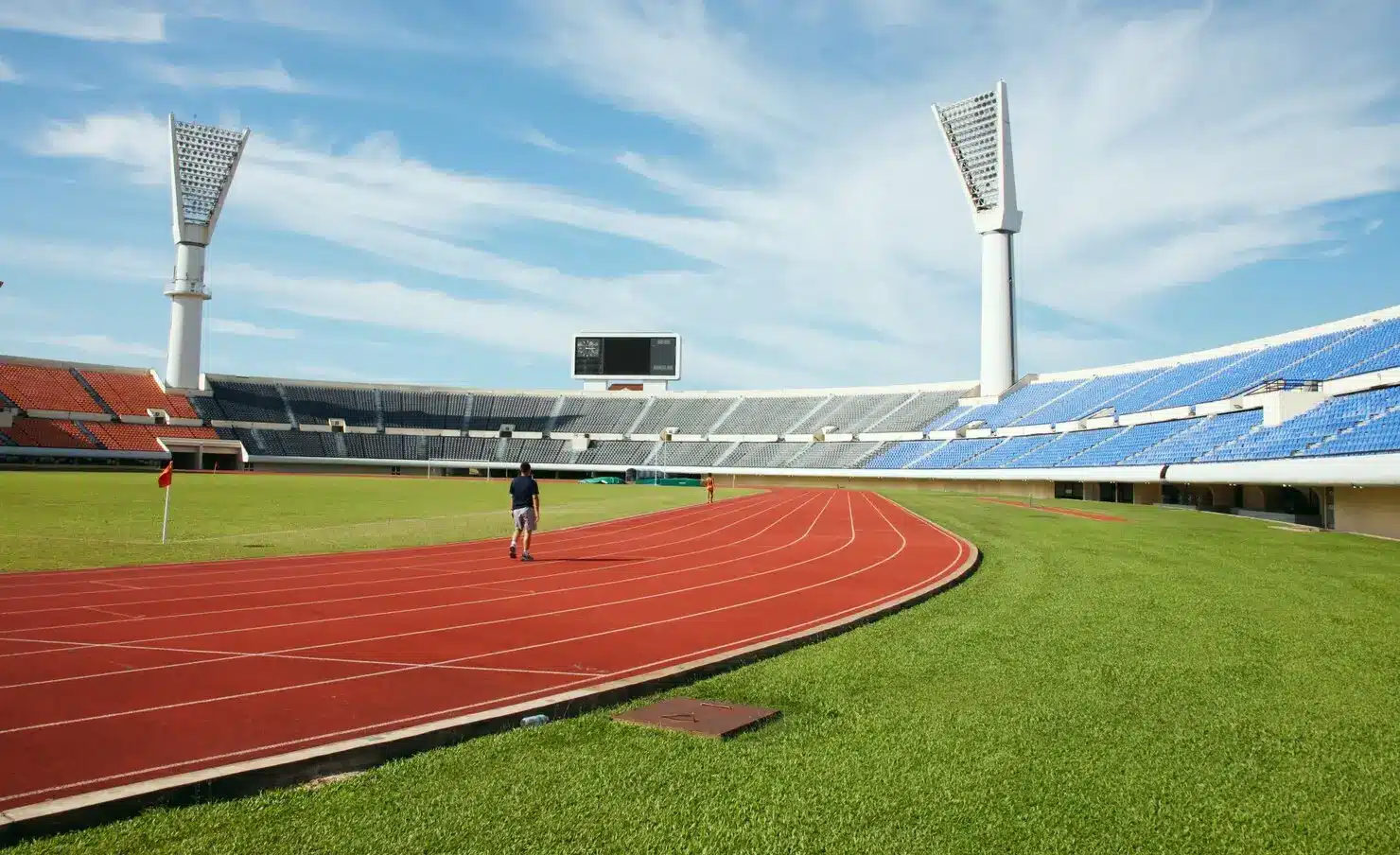
Moreover, wearable technology has become an indispensable part of top-tier athlete training programs within the country. Athletes train wearing clothes with sensors that track heart rate variability, fatigue in muscles, blood oxygen levels, and the efficiency of motion. All the data gathered through such devices gets sent to central platforms for performance analysts who can then review all the data right away. Early identification of injuries has improved greatly, which allows athletes to have longer careers and fewer interruptions in their sports activities.
Finally, video analysis software combined with computer vision has allowed coaches to understand their opponents’ strategy better and improve techniques in various sports. Virtual reality environments enable training athletes for competitions without any effort on their part. The combination of these technologies leads to the creation of an athlete pipeline that guarantees the production of champions.
The Future of Sports Technology in Qatar
Beyond just building infrastructural capabilities, Qatar’s long-term goals encompass the use of technological advancements stretching into the coming years through an array of projects. The country is currently working on building state-of-the-art athlete training centers with the help of AI technologies and biomechanical analysis systems. Qatar’s efforts are not limited to developing its own athletes. It is also preparing to attract leading athletes worldwide using the same facilities.
In addition, various training processes have been enhanced with the implementation of virtual and augmented reality technologies. Coaches can now use virtual simulations to train athletes for particular situations. Moreover, data obtained from sensors worn by athletes can be processed and used to improve their training regimen in a matter of hours. By combining infrastructural and technological advances, Qatar seeks to become one of the top competitors in terms of high-tech sports.
Legacy of Qatar: Innovation and Sports Ambition Meet
Qatar’s efforts to innovate its sports venues represent more than merely providing venues for international competitions. Each modern stadium, each solar-powered training facility, and each AI-enabled arena is part of Qatar’s legacy that is based on innovation and determination. This shows that even a young country like Qatar can be on par with other developed nations in the field of sports due to innovative investments. Future Qatari athletes will benefit from excellent facilities to achieve success internationally.