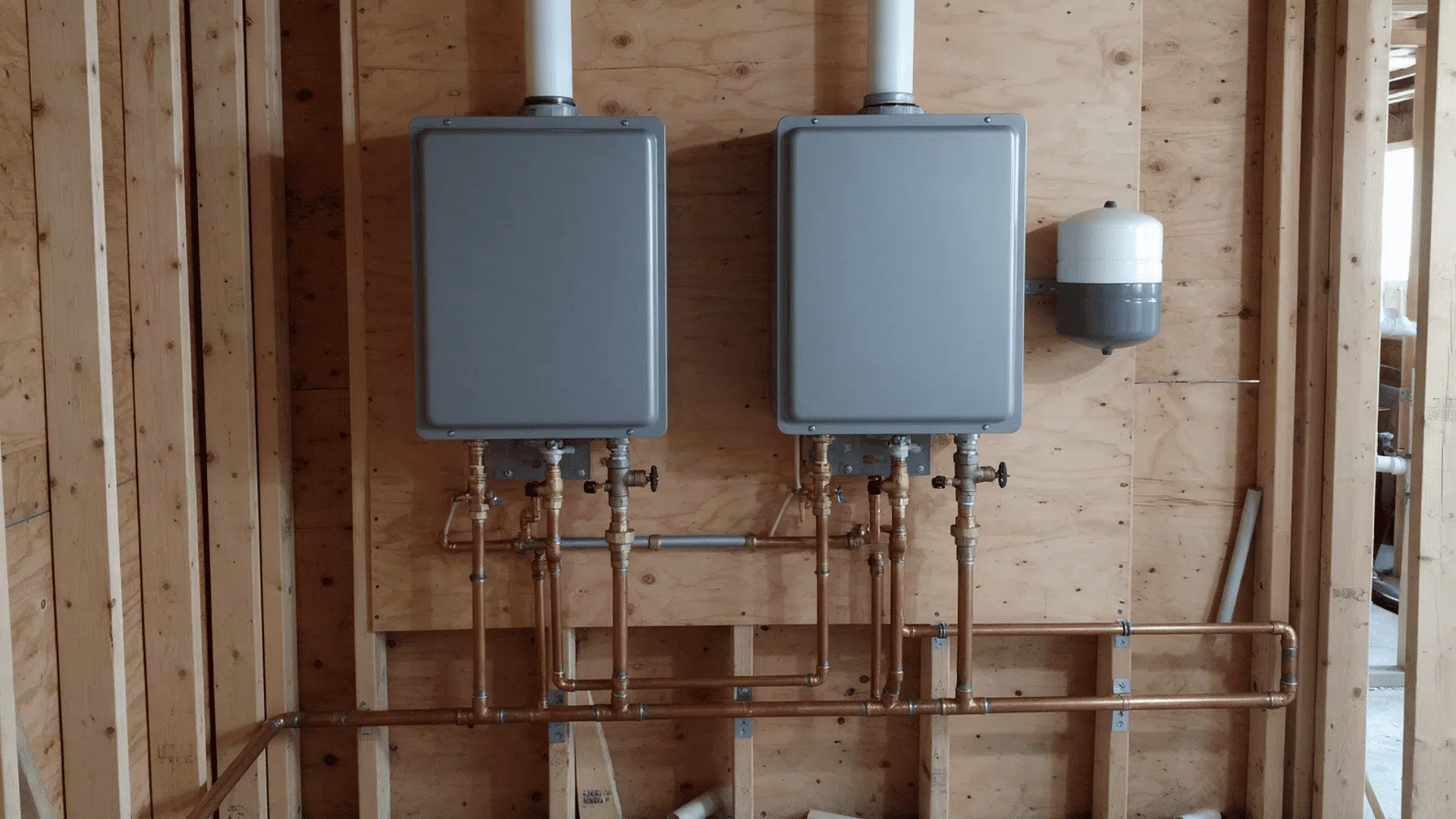
A tankless water heater can run for years with little attention, which makes this question hard to ignore. If it seems fine, why do so many plumbers still talk about flushing and descaling every year? I had the same question when I first looked into it.
Real-world advice does not make the answer any simpler. One owner may flush every year, while another may go several years without touching the unit. Both may still say their hot water works just fine.
That is where tankless water heater maintenance gets less straightforward. The real question isn’t just that your heater needs upkeep. It is how much care your specific unit needs and how often that care makes sense.
Does a Tankless Water Heater Really Need Routine Maintenance?
Yes. Tankless water heaters need routine maintenance, but no single maintenance schedule works for every unit or home. Some systems need more frequent attention than others.
Mineral scale can build up inside the heat exchanger over time. Small bits of debris can also collect in water screens and air intakes. Some models also have condensate parts that need occasional care.
The right schedule depends on your water quality, how much hot water you use, and the type of heater you own. Manufacturer instructions also matter because each system can have different service needs.
Navien, a major tankless water heater manufacturer, says water hardness can affect how often you need service. I’d use your heater’s manual and local water conditions to decide what makes sense for your setup.
What Does Routine Tankless Water Heater Maintenance Actually Involve?
Flushing gets most of the attention when people talk about tankless water heater maintenance. Still, regular care involves more than running a cleaning solution through the heat exchanger. Filters, vents, drains, and visible connections may also need routine checks.
1. Descale the Heat Exchanger
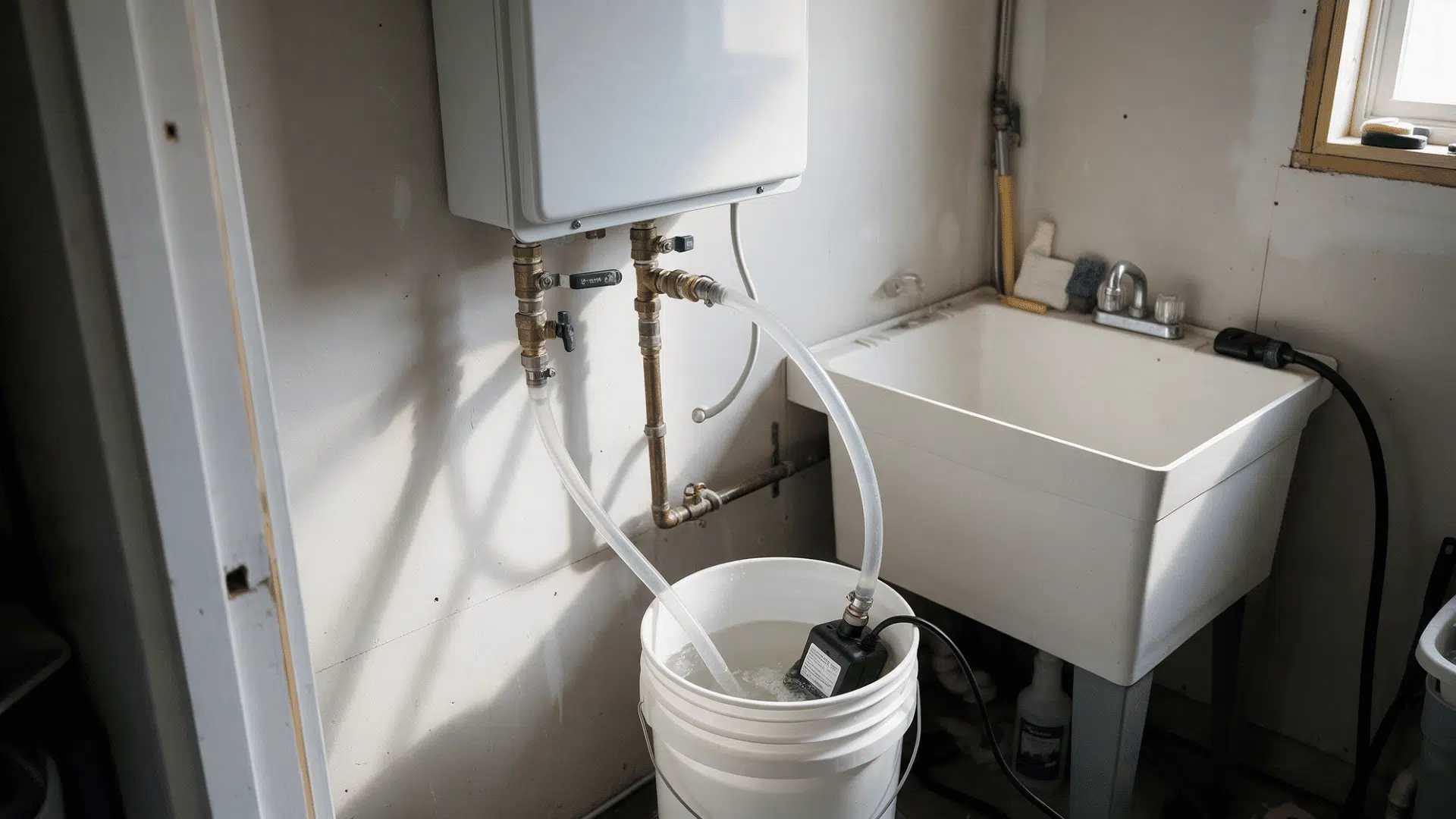
Scale is a hard mineral layer that forms when calcium and magnesium collect inside the heat exchanger. Over time, this buildup can affect water flow and heating performance. Descaling helps remove these deposits before they become a bigger problem.
- Main purpose: Remove mineral deposits from inside the heat exchanger.
- Common wording: Flushing and descaling often refer to the same maintenance job.
- Method: Circulate a cleaning solution through the heat exchanger, then rinse it out.
- Check first: I’d always follow the model manual before choosing a cleaner or flush time.
2. Clean the Cold-Water Inlet Screen
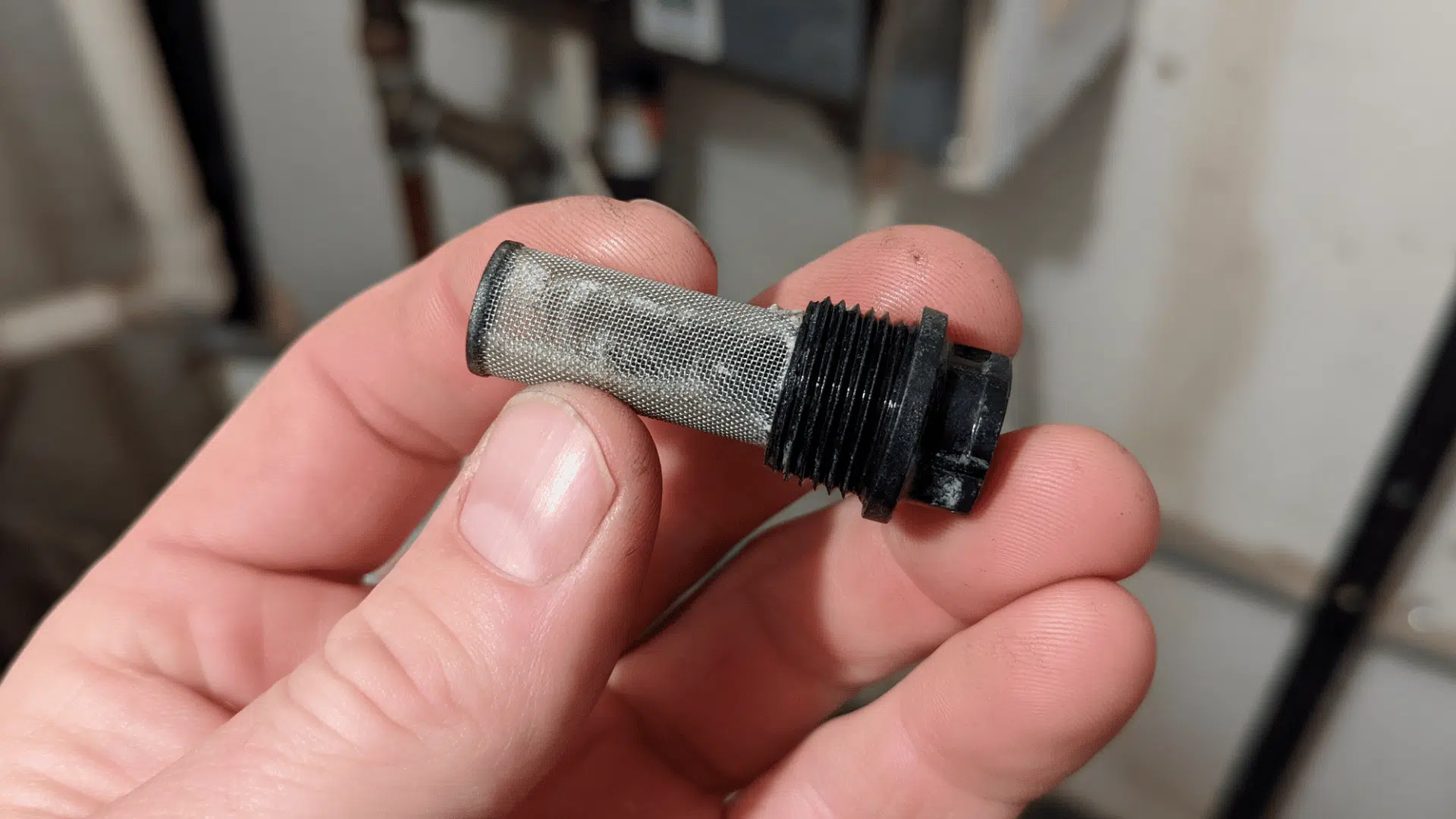
The cold-water inlet screen is a small filter that helps keep grit and debris from entering the heater. Dirt can slowly collect on this screen as water moves through the unit. Too much buildup may reduce the amount of water flowing through the system.
- Main purpose: Catch small particles before they move deeper into the heater.
- What to check: Look for dirt, grit, or other visible debris on the screen.
- Possible effect: A clogged screen can reduce water flow and affect heater performance.
- Cleaning method: Follow the manual because the screen location differs between models.
3. Check the Air Intake and Venting
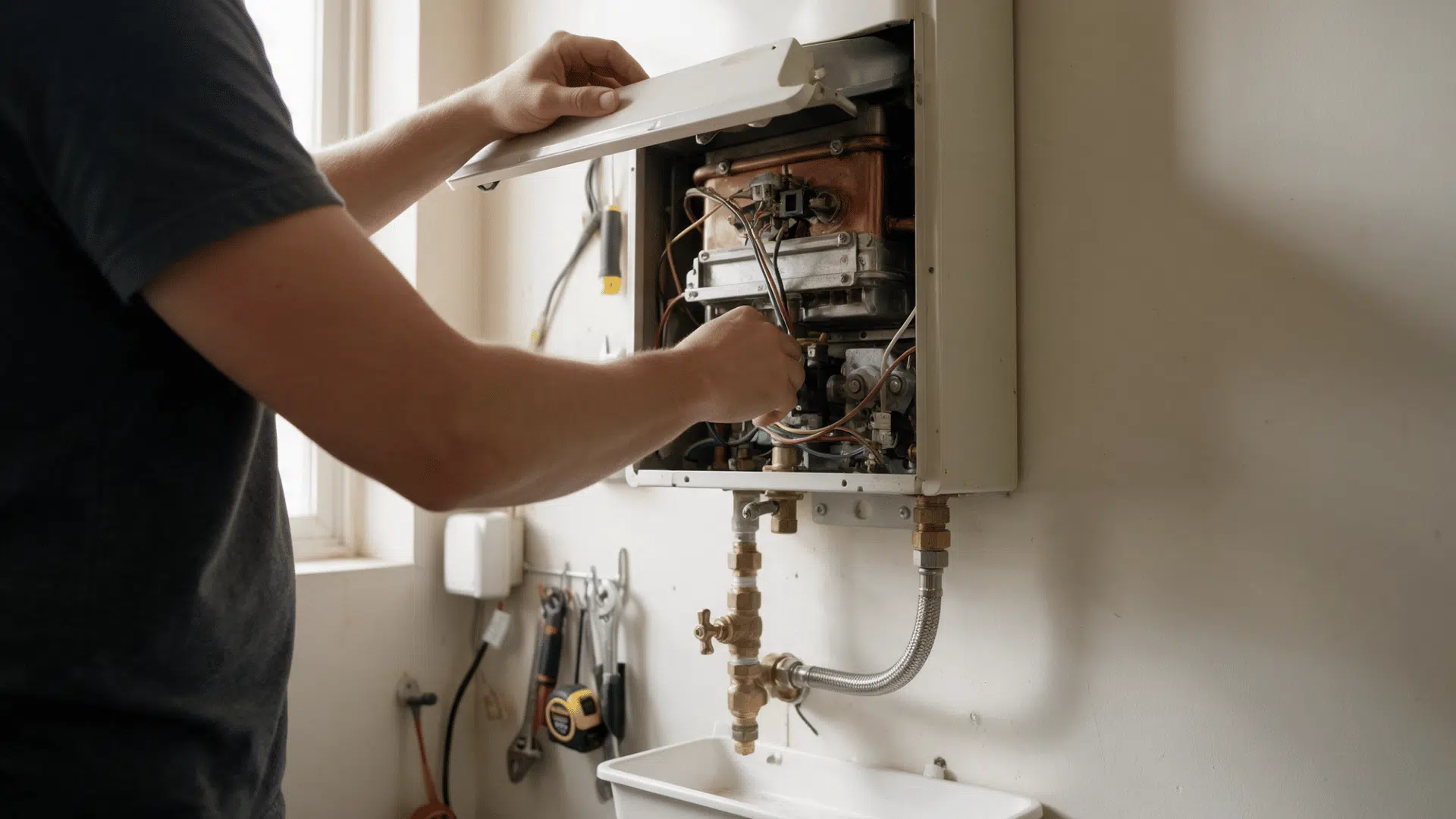
Gas tankless water heaters need clear airflow to operate as intended. Air intakes and outdoor vent openings can collect dust or become blocked by things around the home. A quick visual check can help you spot obvious problems before they affect the heater.
- Main purpose: Keep air moving freely into and out of the unit.
- What to check: Look for dust, lint, leaves, snow, nests, and other debris.
- Where to look: Check visible air intake areas and outside vent openings.
- Safety note: Avoid taking apart burners or combustion parts unless you are trained.
4. Maintain the Condensate System When Your Model Has One
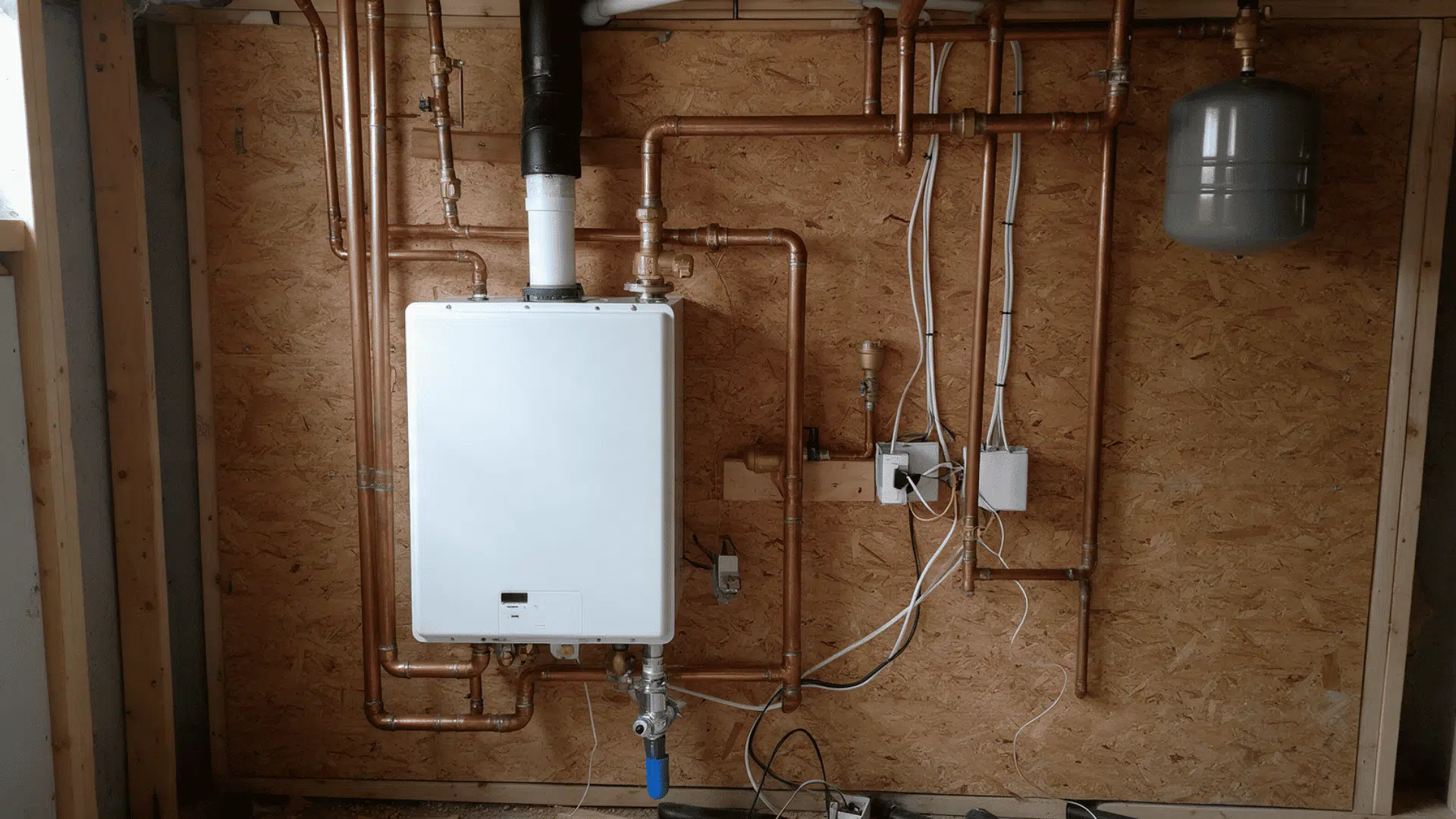
Not every tankless water heater has a condensate system. Condensing models may produce moisture that moves through a trap or drain during normal operation. Some setups also use a neutralizer before the condensate reaches the drain.
- Main purpose: Help condensate drain away from the heater correctly.
- What to check: Look for blocked traps, slow drainage, or visible buildup.
- Neutralizer care: Some systems use media that may need replacement over time.
- Model differences: The setup can vary widely between different heaters.
5. Check Visible Connections and the Control Panel
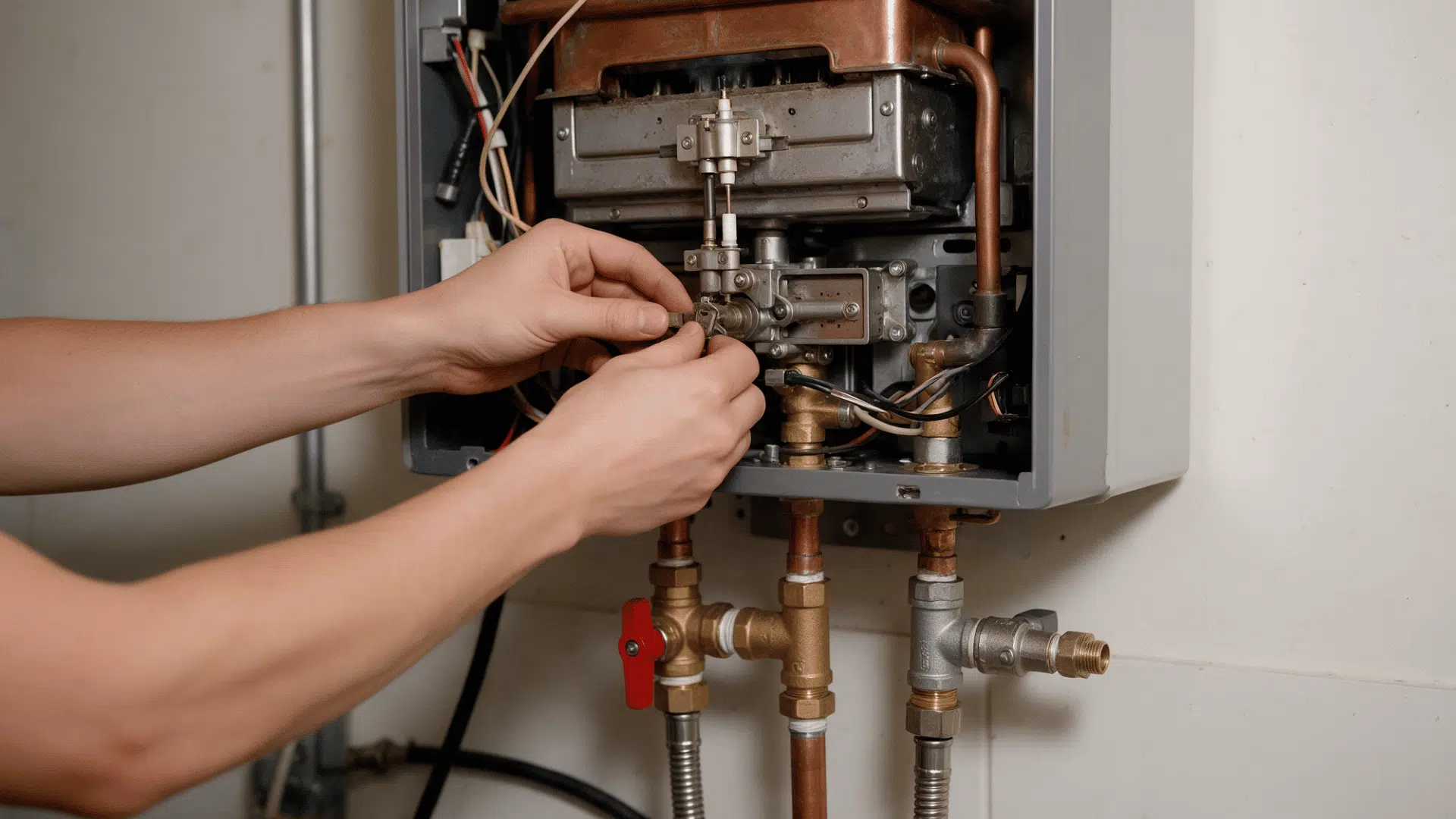
A routine check can also include a quick look at visible connections and the heater display. You are not trying to diagnose a repair here. The goal is simply to notice anything that looks different before the next service.
- Connections: Look for visible moisture around accessible fittings.
- Display: Note any warning or error code that appears.
- Changes: Watch for sudden changes in how the heater behaves.
- Next step: Leave repeated faults for the repair section later in the article.
How Often Should You Actually Maintain a Tankless Water Heater?
Once a year is a common starting point for tankless heater care. Still, the right timing depends on your water quality, how much hot water you use, and the setup in your home. A tankless heater maintenance schedule may need to change if scale or sediment builds up faster than expected.
Your Situation | Practical Starting Point | Why |
|---|---|---|
Average city water | Check yearly | Common starting point |
Hard water | Every 6–12 months | Scale builds faster |
Water softener installed | Follow maker schedule | Some upkeep is still needed |
Well water or heavy sediment | Check filters more often | Screens can clog sooner |
Heavy hot-water use | Check sooner | More water moves through the unit |
Low use with softer water | Follow model guidance | Scale may form more slowly |
What Do Homeowners and Plumbers Say About Tankless Maintenance?
Manufacturer instructions explain what to do. Online forums show what owners run into after years of living with these heaters. The advice varies, but a few clear patterns keep coming up.
Schedules vary in real homes: Owners in an r/HomeImprovement discussion reported very different service habits. Some flushed yearly while others waited longer. The takeaway is that real homes don’t always follow the same calendar.
The heater setup can make DIY much easier: Homeowners in the same r/HomeImprovement discussion noted that service valves can make flushing much simpler. That small installation detail can affect if routine care feels like a realistic DIY job.
Service prices can push owners toward DIY: In an r/askaplumber thread, one owner paid about $80 for a flush. Another company later quoted $395 for yearly service. The large price gap led the owner to question what professional service should actually include.
Plumbers can disagree about neglected heaters: One owner had not descaled a Rinnai unit for about six years. A plumber warned that removing old buildup might expose leaks. Other commenters who identified themselves as plumbers had different views.
Is Tankless Water Heater Maintenance a Realistic DIY Job?
You can do some tankless water heater maintenance at home if you are comfortable with basic plumbing work. The key is knowing where simple upkeep ends and professional work begins.
- Manual allows DIY care: Follow only tasks clearly approved for owners.
- Basic cleaning: Accessible filters and approved flushing may be manageable.
- Gas or electrical work: Leave these jobs to a qualified professional.
- Years without service: Have the heater checked before attempting a major flush.
Unsure about the shutdown steps: Stop and call a professional rather than guessing.
Tip: I’d keep DIY work limited to basic tasks that your owner’s manual clearly allows.
What if Your Tankless Water Heater Has Never Been Maintained?
If your tankless water heater has gone years without service, do not rush into a deep cleaning. A unit that missed one yearly check differs from one that has run untouched for six or eight years. Start by looking at its age, history, and current condition.
- Find the model and age: Check the label on the unit for the model number and approximate installation date. Then find the correct maintenance manual for that model.
- Review its service history: Try to find out when the heater was last flushed or inspected. Previous owners may have service records if you recently moved into the home.
- Consider your water quality: Years of hard-water exposure can lead to heavier mineral buildup. Well water may also bring more sediment into filters and screens.
- Check how the heater is running: Note any clear change in performance or any warning shown on the control panel.
- Get professional advice when needed: If the heater is old, leaking, showing repeated faults, or running poorly, have its condition checked before doing an aggressive first descaling.
When Is the Problem More Than Routine Maintenance?
Not every tankless water heater problem calls for another flush. Some signs point to normal upkeep, while others suggest the unit needs closer inspection or repair.
Situation | What It May Mean | What to Do |
|---|---|---|
Reduced hot-water flow | Scale buildup or dirty inlet screen | Start with routine service |
Visible debris on a filter | Normal maintenance buildup | Clean the filter as directed |
Unit is due for service | Routine upkeep may be needed | Follow the maintenance schedule |
Recurring ignition codes | Possible system fault | Have the unit inspected |
Internal leaks | More than routine maintenance | Call a qualified professional |
Repeated shutdowns | Possible electrical or combustion issue | Get a diagnostic check |
Same error returns after flushing | Cleaning may not be the real fix | Do not keep repeating the flush |
Long wait at a distant faucet | Pipe length or layout may be the cause | Check the plumbing setup or recirculation |
Wrapping Things Up
A tankless system is easy to forget about when hot water keeps showing up as expected. That is often why maintenance stays out of mind until a service question suddenly comes up.
You do not need to follow every opinion you read online. A little context around your own setup usually makes the next decision much clearer.
I’d keep the model number and last service date somewhere easy to find. It can make future tankless water heater maintenance feel less uncertain and much easier to stay on top of.
Frequently Asked Questions
Is Vinegar Safe for Flushing a Tankless Water Heater?
Use vinegar only if your heater manufacturer allows it, since approved cleaning solutions can vary by model.
Can Maintenance Affect the Warranty?
It can, since some manufacturers require specific upkeep and may limit coverage for damage caused by improper servicing.
Should You Service a Tankless Water Heater Before Selling a Home?
A recent service record can show buyers when the unit was last checked and provide a clearer maintenance history.