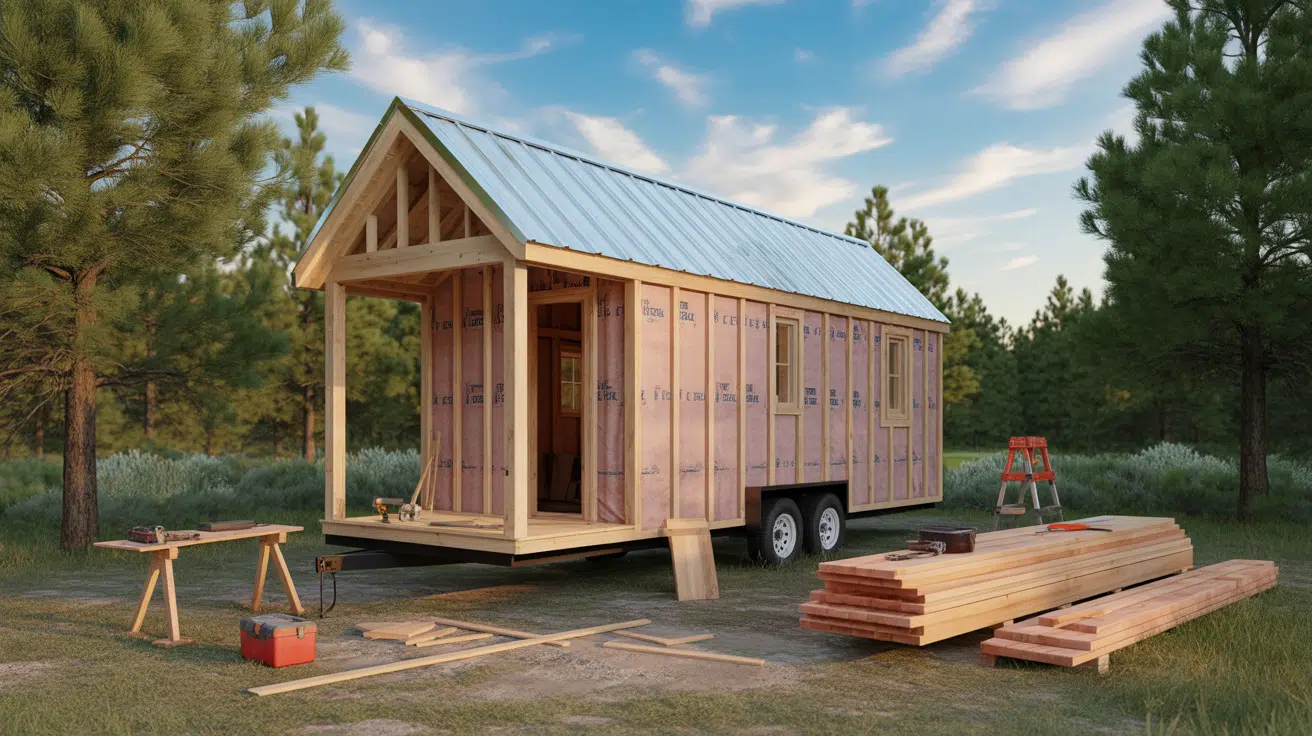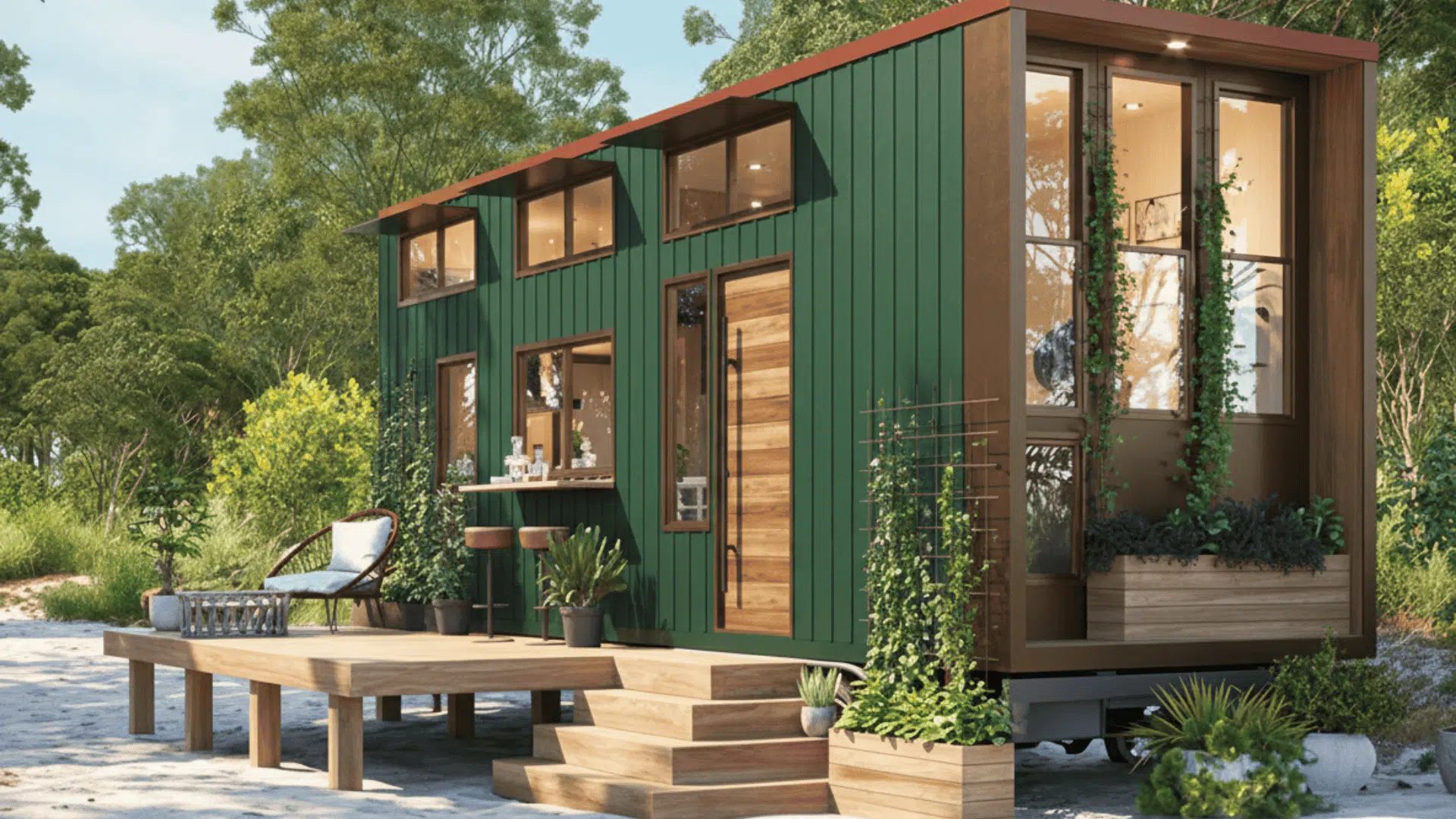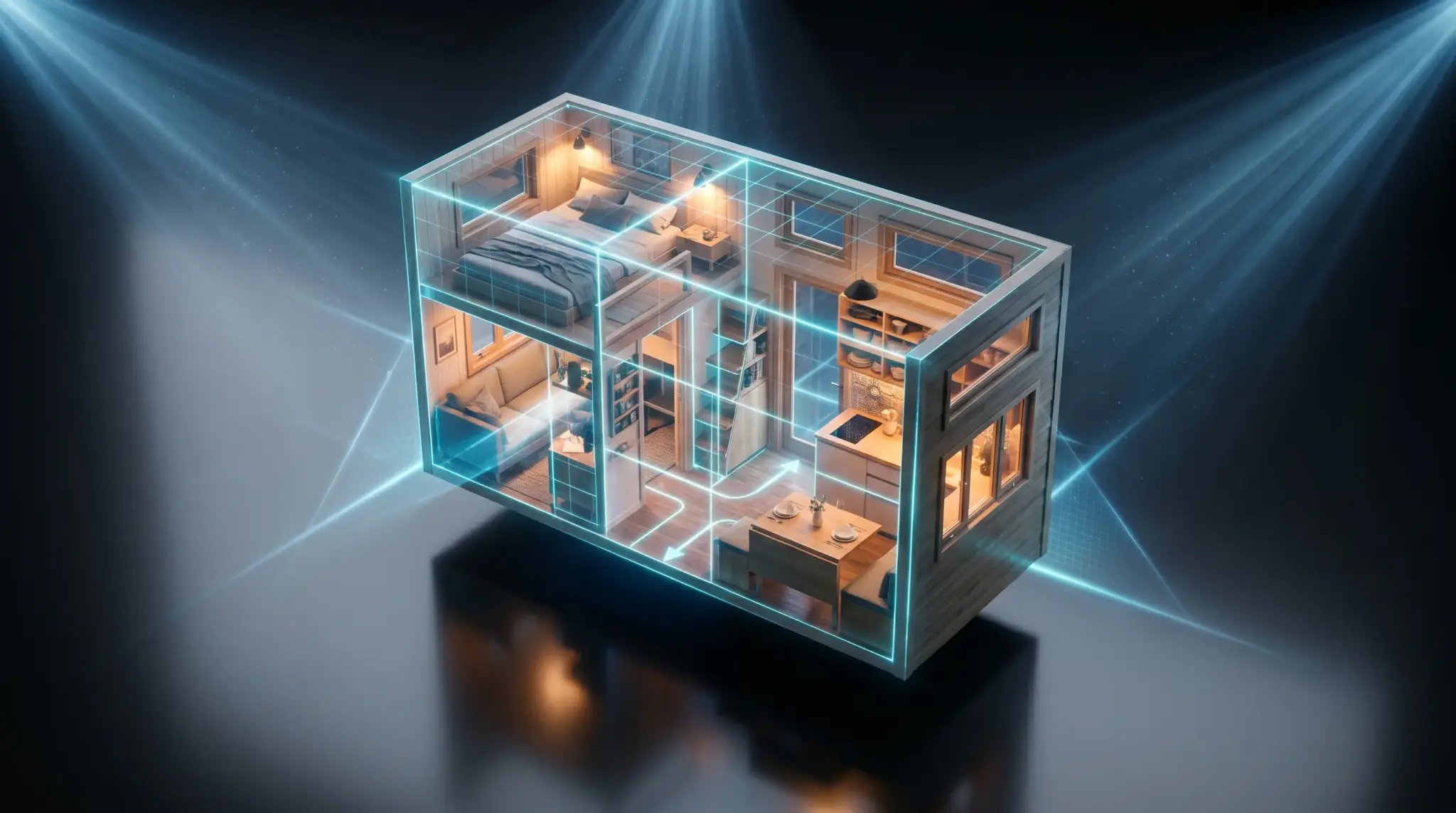
Tiny homes have become one of the most influential movements in modern housing. Driven by rising property costs, sustainability goals, and a desire for simpler living, more people are exploring compact homes that maximize every square meter of space. At the same time, artificial intelligence is rapidly transforming design industries—from graphic design to architecture. This raises an important question: can AI actually help you generate a tiny home floor plan?
The short answer is yes—but with important limitations. AI can generate layouts, suggest configurations, and optimize space usage, but it still works best as a collaborative tool rather than a full replacement for human design expertise. This article explores how AI is being used in tiny home design, what it can and cannot do, and how it is reshaping the future of small-space architecture.
The Rise of Tiny Homes and the Need for Smarter Design
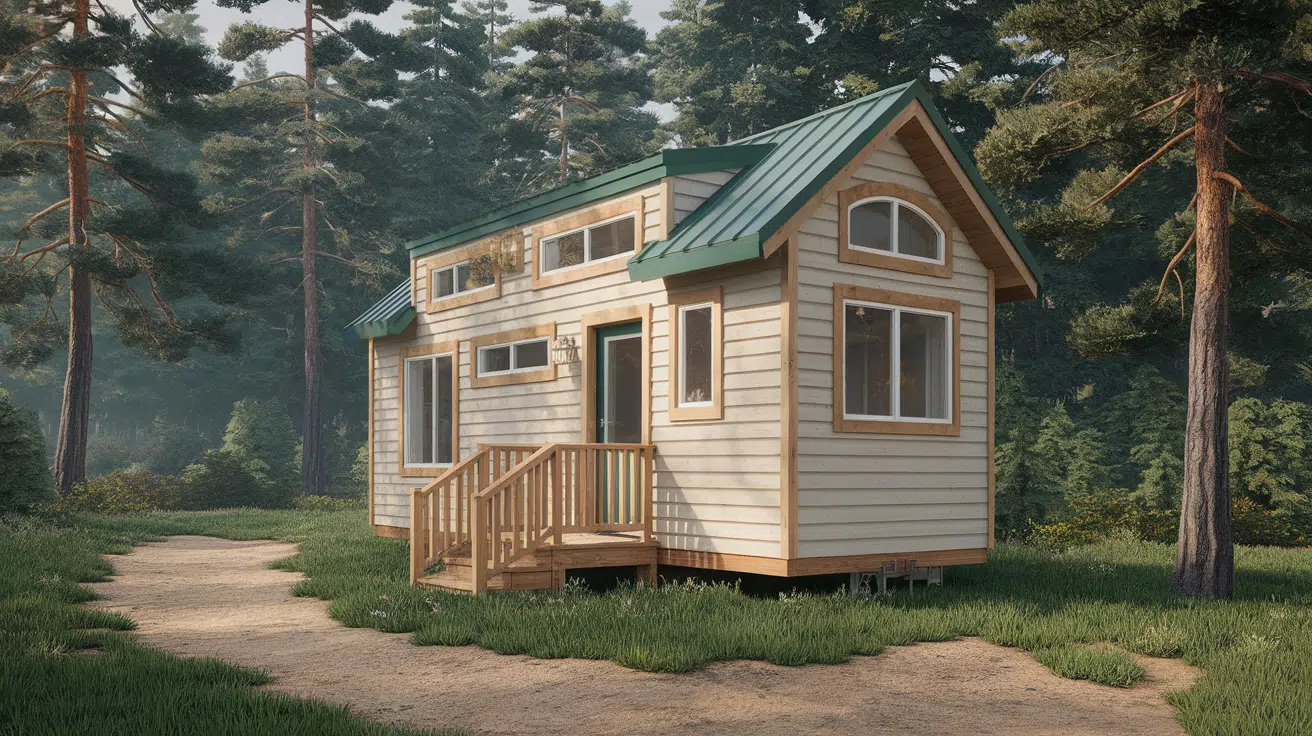
Tiny homes typically range from 15 to 40 square meters, requiring extremely efficient use of space. Every decision—where the bed goes, how storage is integrated, how circulation works—matters significantly more than in traditional housing.
Because of this, space planning becomes a critical challenge. Designers must balance functionality, comfort, and aesthetics in very limited areas.
Traditionally, this process required architectural training and manual drafting skills. However, AI tools are now beginning to assist with early-stage planning, making design more accessible to non-professionals while speeding up workflows for experts.
How AI Generates Tiny Home Floor Plans
AI floor plan generator tools use algorithms trained on thousands of architectural layouts. These systems analyze patterns in successful designs and apply them to new user inputs.
Typically, the process works like this:
1. The user inputs dimensions and requirements
2. AI processes spatial constraints and functional needs
3. The system generates one or multiple layout options
4. Users refine or adjust the output
Instead of drawing from scratch, AI quickly produces layout suggestions based on logic, efficiency, and learned design principles.
Some advanced systems even optimize layouts based on factors such as:
· Natural light distribution
· Movement flow
· Furniture placement efficiency
· Storage optimization
This makes AI particularly useful for tiny homes, where optimization is essential.
Strengths of Using AI for Tiny Home Design
1. Speed and Efficiency
One of the biggest advantages of AI is speed. What might take a designer hours or days can be generated in seconds.
For early-stage planning, this allows users to quickly explore multiple layout options without committing significant time or resources.
2. Space Optimization
Tiny homes demand efficient use of every centimeter. AI tools can analyze spatial constraints and suggest layouts that maximize usability.
This includes identifying:
· Multi-functional furniture placement
· Efficient circulation paths
· Smart storage opportunities
AI is particularly good at identifying configurations that might not be immediately obvious to human designers.
3. Accessibility for Non-Designers
Not everyone building a tiny home has architectural training. AI lowers the barrier to entry by allowing users to input basic information and receive structured design outputs.
This democratization of design means more people can experiment with floor plans before hiring professionals or committing to construction.
4. Iterative Design Exploration
AI makes it easy to test multiple versions of a layout quickly. Instead of redrawing plans manually, users can adjust inputs and instantly compare alternatives.
This encourages experimentation and helps refine ideas faster than traditional methods.
Limitations of AI in Tiny Home Design
Despite its strengths, AI is not a perfect solution for architectural planning.
1. Lack of Real-World Context
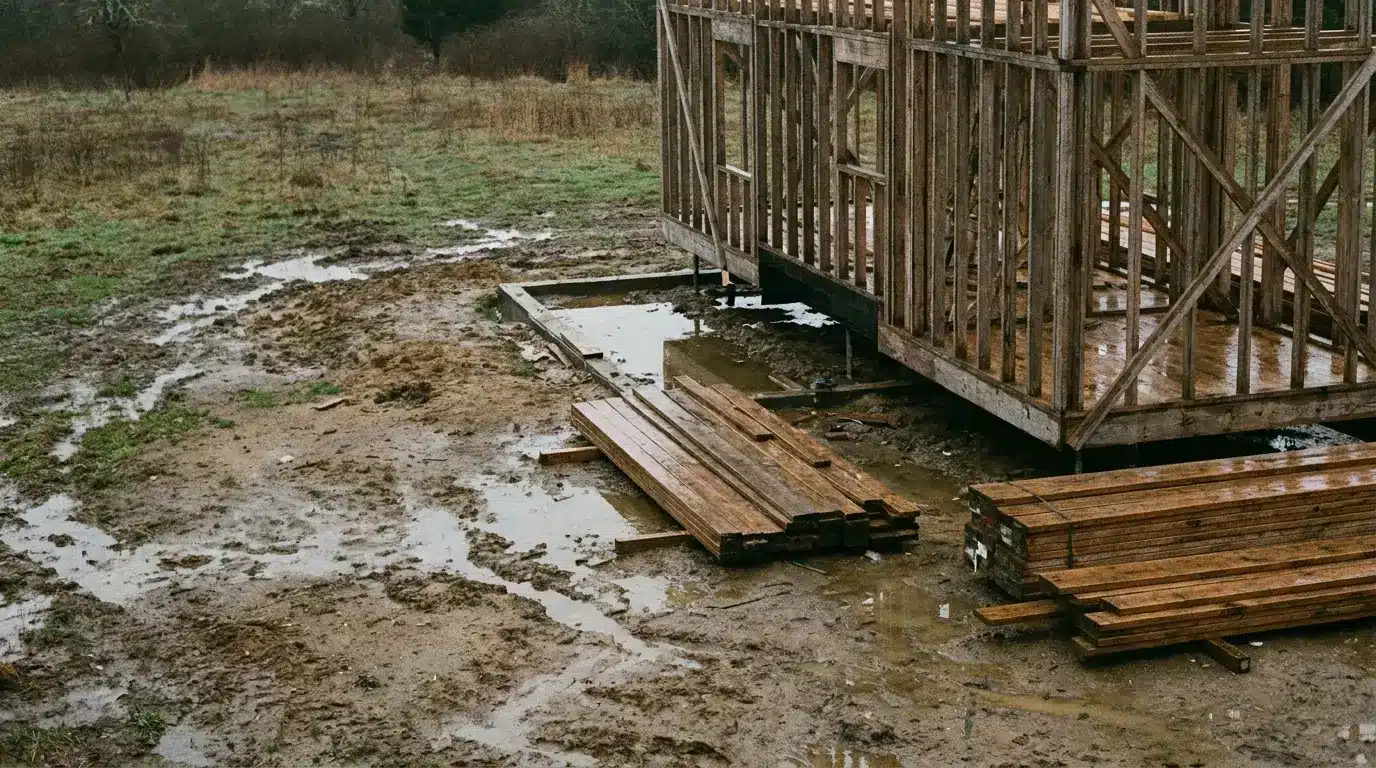
AI does not fully understand site-specific constraints such as:
· Local building codes
· Structural limitations
· Climate conditions
· Terrain and foundation issues
These factors are essential in real-world construction and require human expertise.
2. Limited Creativity in Complex Design
While AI is excellent at optimizing layouts, it often relies on patterns from existing data. This can lead to repetitive or generic designs that lack unique architectural creativity.
Human designers still play a crucial role in adding originality, personality, and emotional design value.
3. Oversimplification of Human Behavior
Tiny homes are deeply personal spaces. AI can estimate movement patterns and efficiency, but it cannot fully understand lifestyle nuances such as:
· Daily routines
· Emotional comfort
· Personal habits
These subtle factors often determine whether a tiny home truly feels livable.
AI as a Design Assistant, Not a Replacement
The most effective use of AI in tiny home planning is as a support tool rather than a decision-maker.
In practice, this means:
· AI generates initial layout options
· Designers or homeowners refine and adjust them
· Final decisions are made based on real-world constraints
This hybrid approach combines computational efficiency with human intuition.
Many architects now use AI to handle repetitive tasks like initial layout generation, freeing them to focus on creative problem-solving and customization.
The Role of Architecture Design Software in AI Workflows
AI floor plan generation is often integrated into architecture design software, allowing users to move seamlessly from concept to visualization.
These tools typically include:
· 2D floor plan creation
· 3D modeling
· Furniture placement simulations
· Lighting and material visualization
When combined with AI, this software becomes significantly more powerful. Users can generate layouts, immediately visualize them in 3D, and refine them in real time.
This integration is especially useful for tiny homes, where small changes can dramatically impact usability.
Real-World Applications of AI in Tiny Homes
AI-generated floor plans are already being used in several practical ways:
· Pre-Construction Planning: Homeowners use AI to explore layout options before hiring architects or builders.
· Modular Tiny Home Systems: Manufacturers use AI to design modular units that can be mass-produced efficiently.
· Custom DIY Projects: Individuals building their own tiny homes use AI tools to test ideas and optimize layouts.
· Urban Micro-Apartments: City developers use AI to design compact living spaces for high-density environments.
The Future of AI in Small-Space Architecture
As AI continues to evolve, its role in architectural design will likely expand. Future systems may incorporate:
· Real-time structural validation
· Environmental simulation (light, airflow, energy efficiency)
· Personalized lifestyle modeling
· VR-based design interaction
Instead of replacing architects, AI is more likely to become a standard part of the design toolkit—especially in small-space planning where efficiency is critical.
Conclusion
So, can AI generate a tiny home floor plan? Yes—but with limits.
AI is highly effective at producing fast, optimized layout suggestions and helping users explore design possibilities. It excels at efficiency, iteration, and accessibility. However, it still lacks the contextual understanding, creativity, and real-world judgment required for fully complete architectural design.
The most powerful approach is collaboration: AI provides structure and options, while humans refine, personalize, and bring the design to life.
In the world of tiny homes—where every inch matters—that partnership is becoming increasingly valuable.