Sneezing through breakfast or waking up with itchy eyes can make your own room feel uncomfortable. If pollen, dust, or pet dander keeps bothering you, the air around you may be part of the problem.
Finding the best air purifier for allergies means looking past flashy features and focusing on what matters in daily use.
I focus on filtration, airflow, room size, noise, and filter costs because those details shape real performance. You can compare the top options, see which models suit different allergy triggers, and learn what to check before buying.
I also explain placement and maintenance so you can get more value from the purifier you choose.
What Makes an Air Purifier Good for Allergies?
An allergy-focused air purifier needs to move enough air through an effective particle filter. HEPA filtration matters because pollen, dust, and pet dander can stay airborne long enough to reach the purifier.
Airflow matters just as much. A very efficient filter paired with weak airflow may take too long to clean a busy room. Room size, clean air delivery rate, noise, replacement filter costs, and the number of air changes per hour all deserve attention.
A purifier that runs for most of the day also adds to your monthly power usage, so it’s worth weighing that against how many hours you actually plan to keep it on.
National Allergy suggests looking for enough capacity to provide about three to four air changes per hour for allergy and asthma concerns.
The Best Air Purifiers for Allergies
The right purifier depends on more than just filter quality. Room size, noise, maintenance costs, and your main allergy trigger all affect which model makes the most sense.
1. Levoit Core 400S
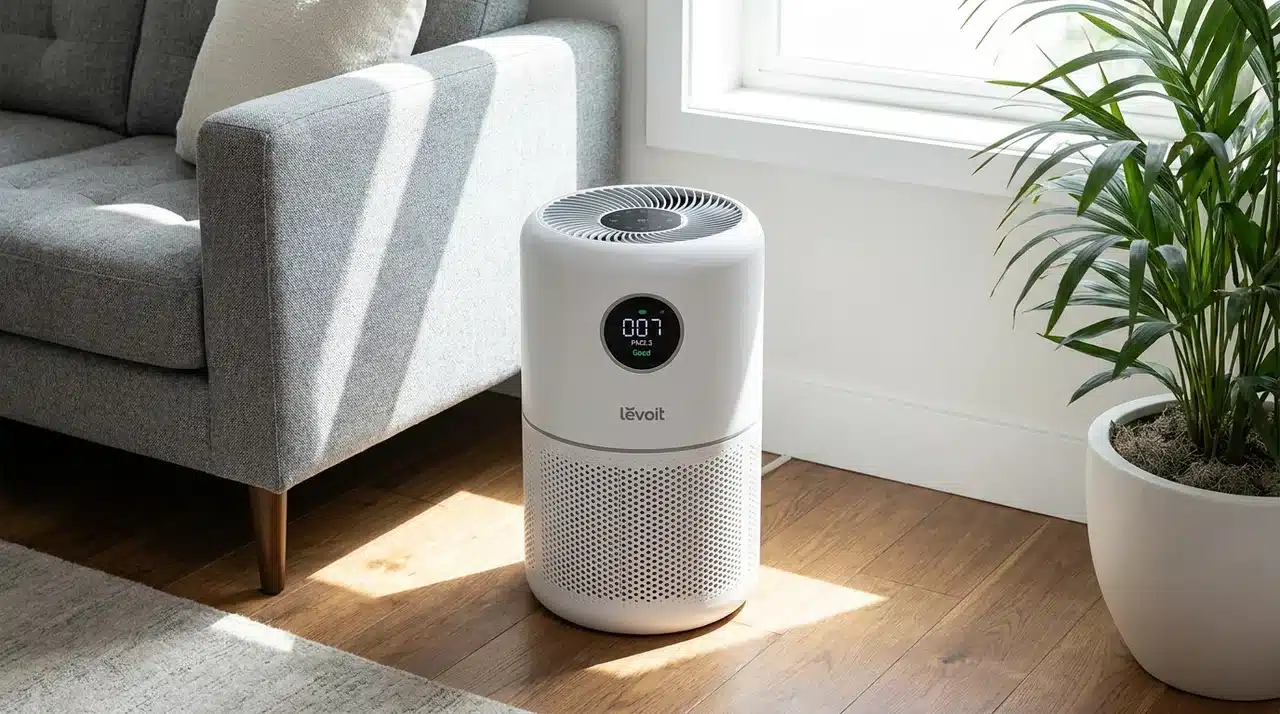
The Levoit Core 400S delivers strong allergy protection with reliable filtration, smart controls, and enough coverage for most bedrooms and medium-sized rooms. It offers a good balance between performance, features, and running costs.
- True HEPA Filtration: Captures common allergens like pollen, dust, and pet dander while the carbon layer helps reduce odors.
- Smart Air Quality Sensor: Automatically adjusts fan speed based on detected particle levels for easier daily use.
- Room Coverage: Cleans spaces up to 403 square feet, making it suitable for bedrooms and living areas.
- Low Noise Operation: Runs quietly on lower settings, making it comfortable for regular use.
2. Levoit Core 300
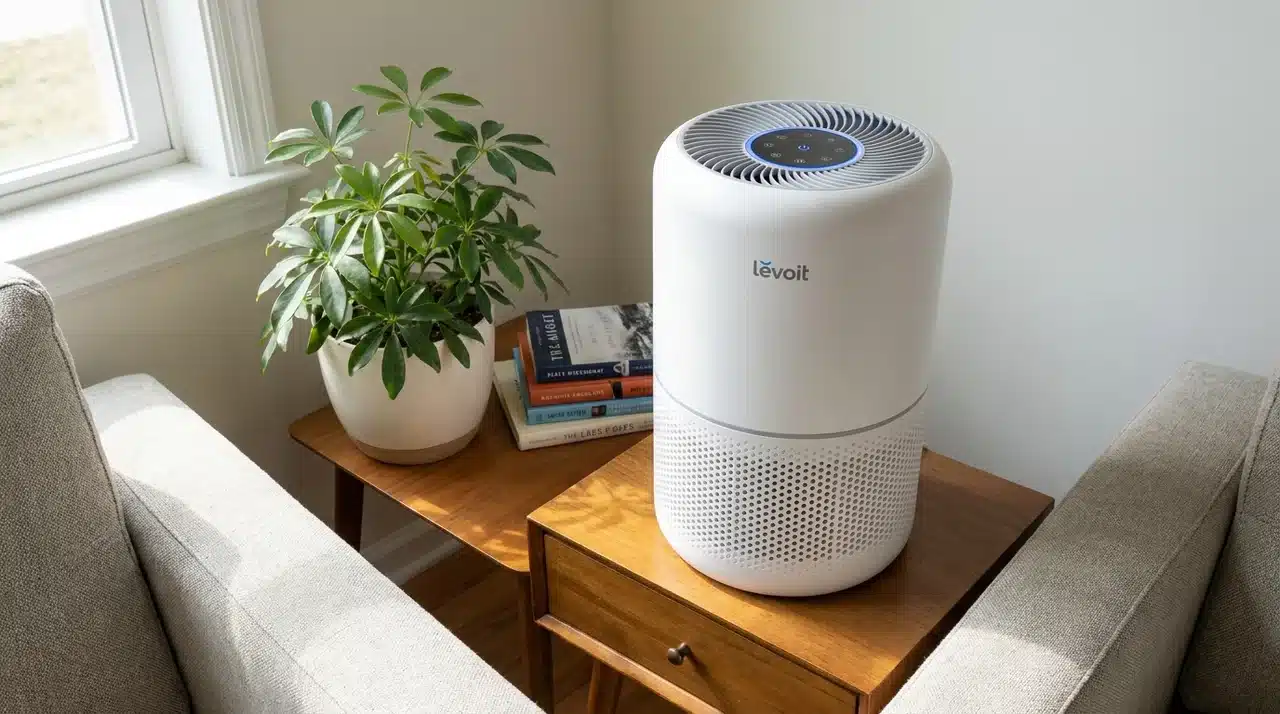
The Levoit Core 300 is an affordable air purifier for smaller spaces where basic allergy protection matters. It provides reliable filtration without extra features that increase the price.
- Compact Design: Fits easily in bedrooms, offices, and small apartments with limited space.
- True HEPA Filter: Helps capture airborne allergens including pollen, dust, and pet particles.
- Affordable Maintenance: Replacement filters usually cost less than larger models.
- Simple Controls: Offers easy operation without complicated settings or smart features.
3. Winix 5510
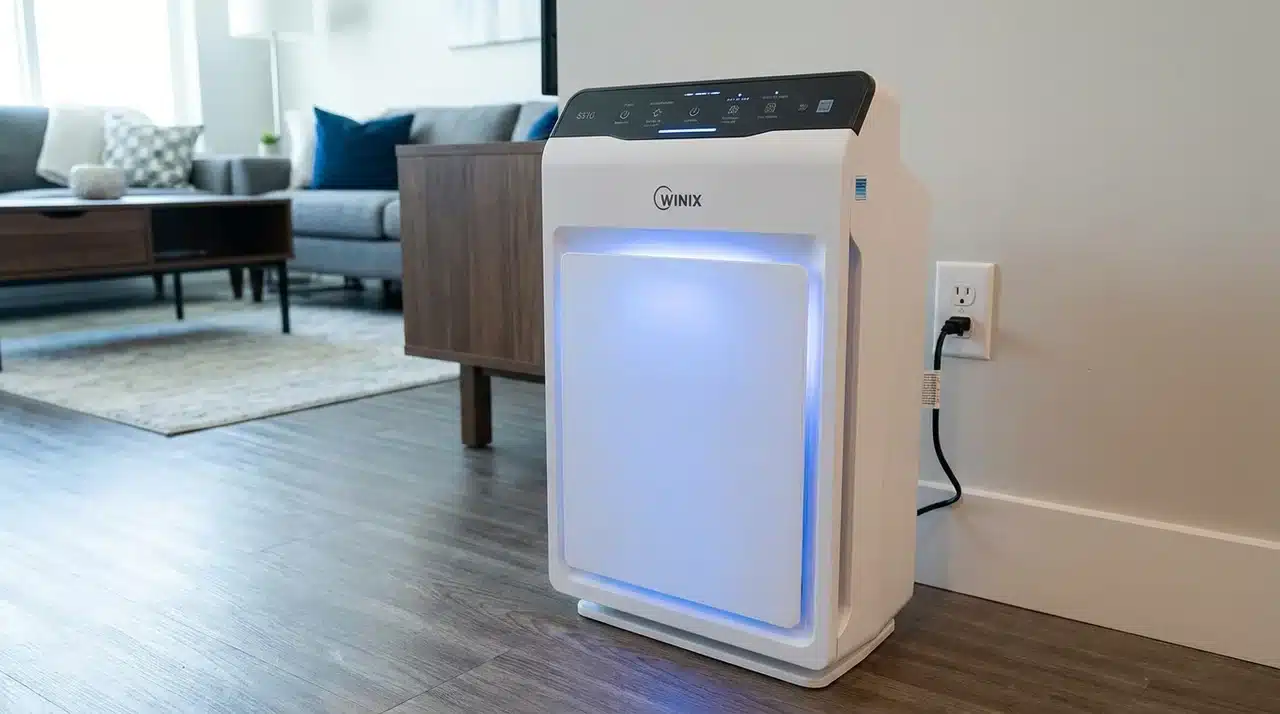
The Winix 5510 is a strong option for people dealing with seasonal allergies, especially when outdoor pollen levels rise.
If you are looking for the best air purifier for pollen, its HEPA filtration, washable pre-filter, and strong airflow make it worth considering for medium-sized rooms.
- Pollen Protection: True HEPA filtration captures airborne allergens that enter your home.
- Washable Pre-Filter: Collects larger particles and helps extend the life of the main filter.
- Auto Mode: Adjusts fan speed when air quality changes.
- Strong Airflow: Covers rooms up to around 390 square feet effectively.
4. Coway Airmega AP-1512HH Mighty
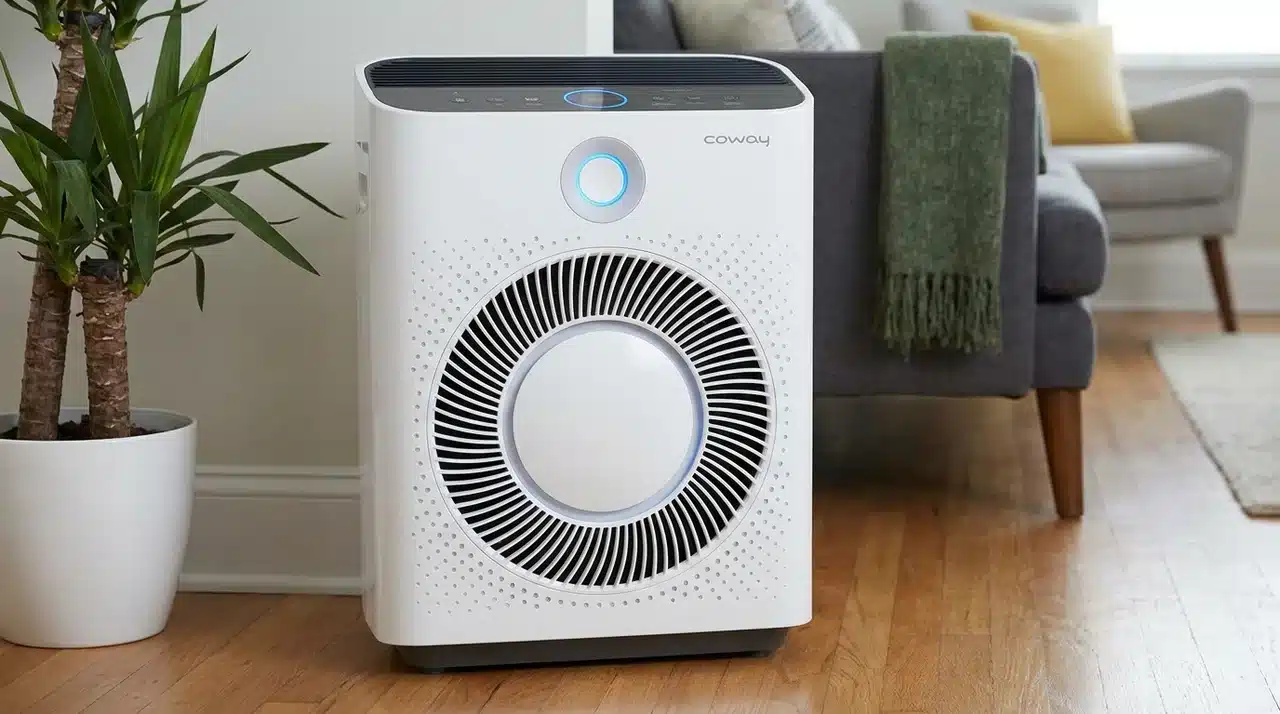
The Coway Airmega Mighty works well in bedrooms because it combines effective allergy filtration with quiet operation. It is a reliable choice for overnight air cleaning.
If you’re renting, it also helps to know what a typical apartment power draw looks like before adding a unit that runs through the night.
- Quiet Sleep Mode: Reduces noise and dims lights for comfortable nighttime use.
- True HEPA Filtration: Captures dust, pollen, and other common allergens.
- Washable Pre-Filter: Helps reduce maintenance needs by collecting larger particles.
- Medium Room Coverage: Handles spaces up to 361 square feet.
5. Alen BreatheSmart 75i
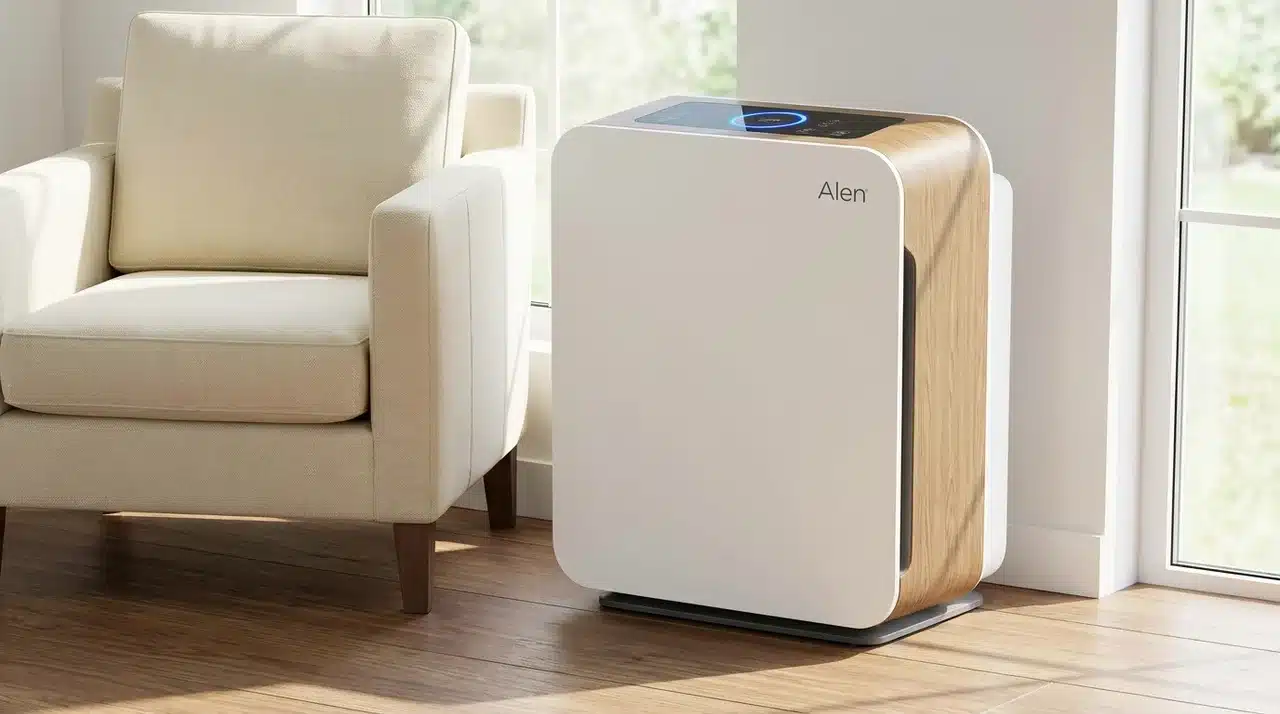
The Alen BreatheSmart 75i is built for larger homes and open rooms where smaller purifiers may not provide enough airflow. It offers strong filtration with wide coverage.
- Large Coverage Area: Cleans rooms up to 1,300 square feet with powerful airflow.
- H13 True HEPA Filter: Captures fine airborne particles linked to allergies.
- Strong Performance: Works well in large living rooms and open layouts.
- Higher Running Costs: Larger filters and premium features increase replacement expenses.
6. Shark NeverChange
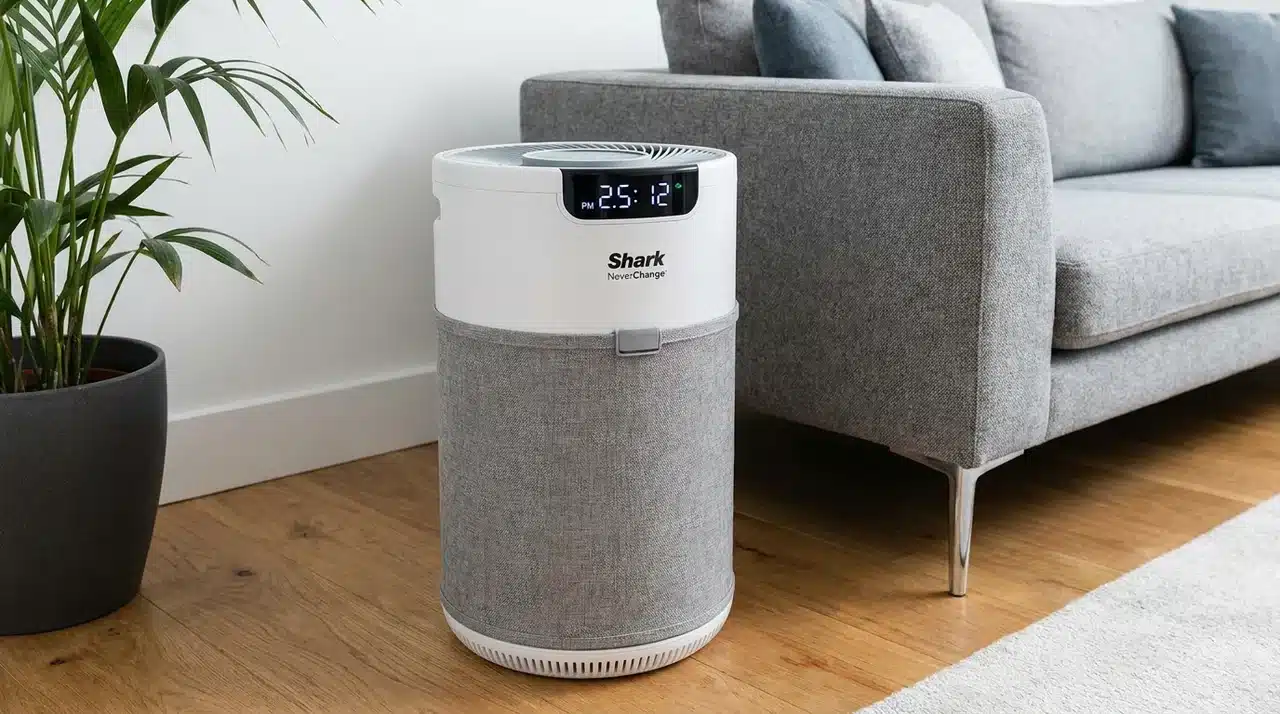
The Shark NeverChange is a practical option for homes with pets where dander and odors are common concerns. It helps reduce airborne particles while keeping maintenance simple.
- Pet Allergen Support: Helps capture airborne pet dander, dust, and smaller debris.
- Long-Lasting Filter: Designed to reduce frequent filter replacement needs.
- Odor Reduction: Carbon filtration helps control household smells.
- Pre-Filter Layer: Collects larger particles before they reach the main filter.
7. Rabbit Air A3
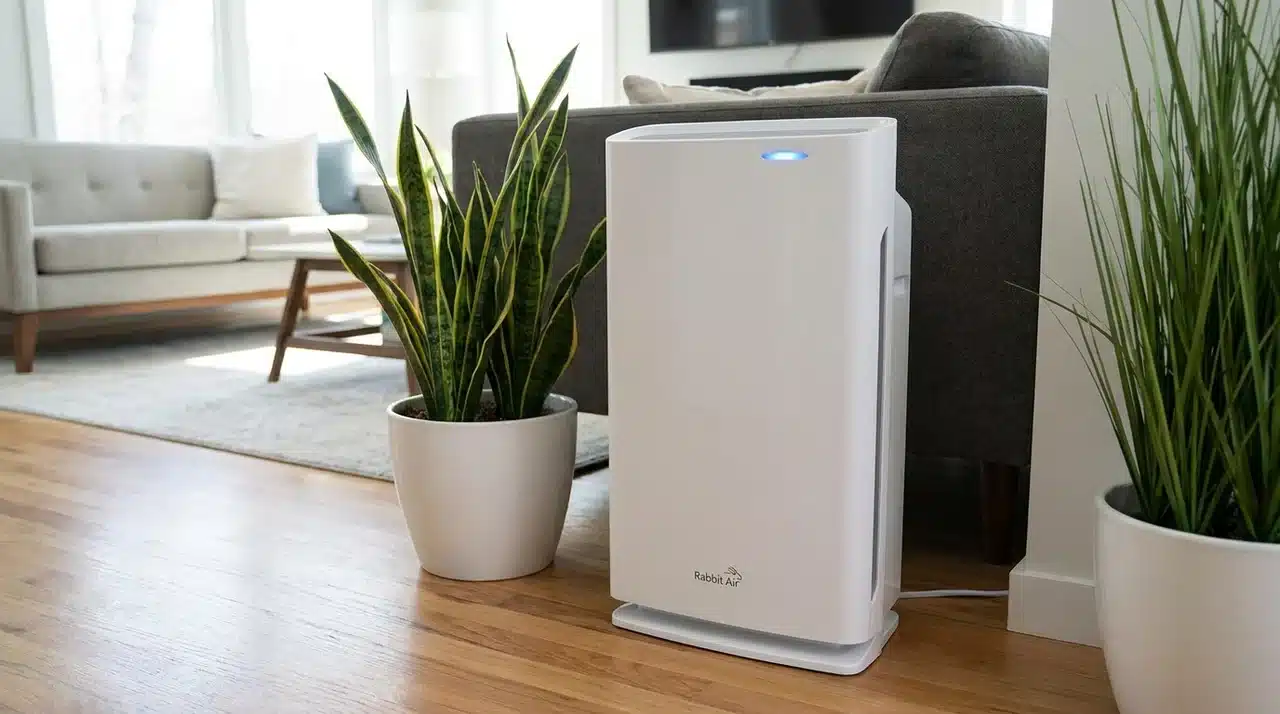
The Rabbit Air A3 is a premium purifier for users who want quieter performance, customization options, and strong filtration. It is designed for larger rooms and longer-term use.
- Multi-Stage Filtration: Uses several filtration layers to target different types of indoor pollutants.
- Custom Filter Options: Allows users to choose filtration based on specific concerns.
- Quiet Operation: Designed to run with minimal noise in daily use.
- Large Room Coverage: Covers areas up to around 1,070 square feet.
8. Blueair Blue Pure 211+
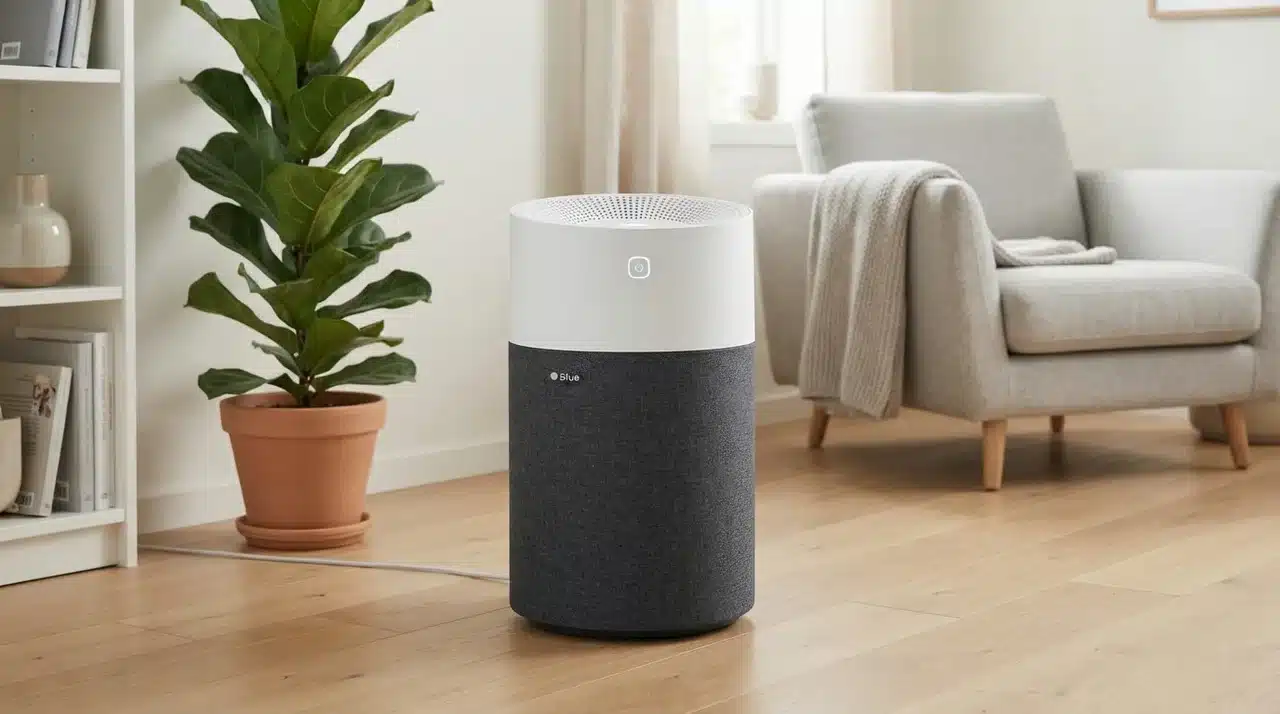
The Blueair Blue Pure 211+ is designed for larger rooms where fast air circulation is important. It provides strong airflow with simple controls and effective particle filtration.
- High Airflow Design: Moves air quickly through larger spaces for faster cleaning.
- Particle Filtration: Helps reduce pollen, dust, and airborne particles.
- Activated Carbon Layer: Helps reduce household odors.
- Simple Operation: Uses straightforward controls without unnecessary settings.
9. Dyson Purifier Cool TP07
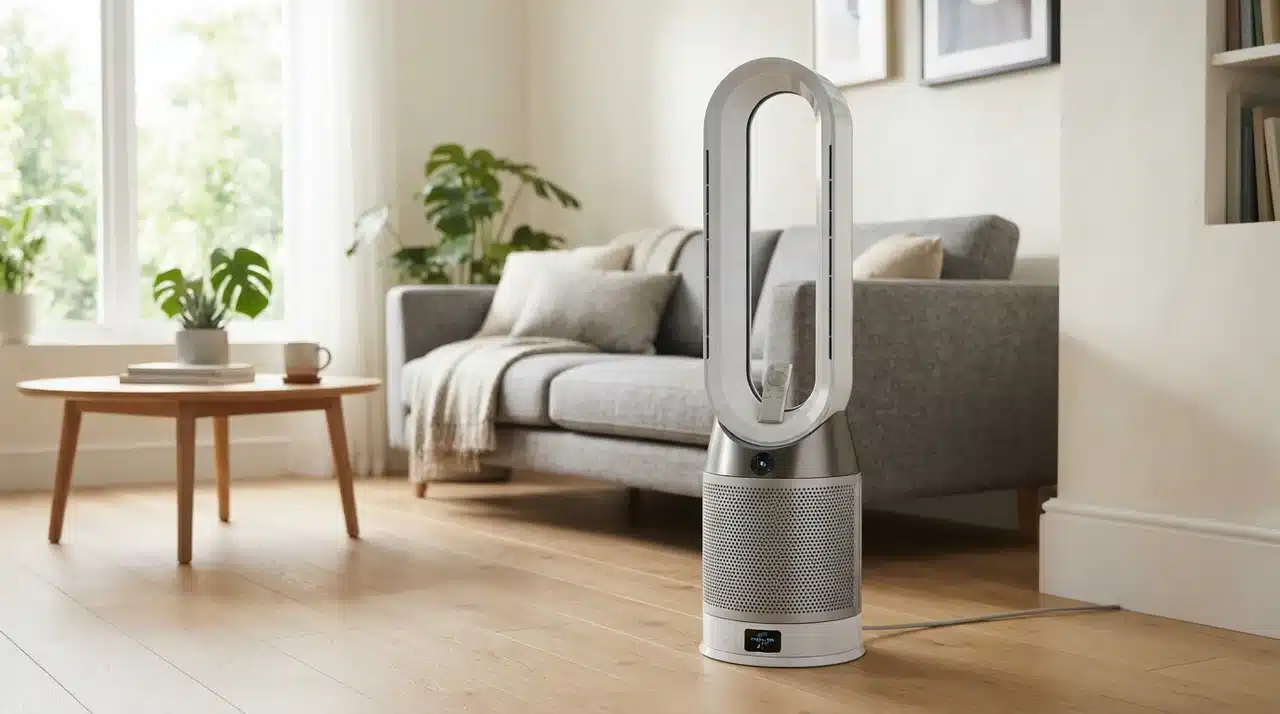
The Dyson Purifier Cool TP07 combines air purification with smart monitoring and fan functionality. It is suited for users who want advanced features alongside allergy support.
- Real-Time Monitoring: Tracks indoor air quality and displays changing conditions.
- HEPA Filtration: Captures fine particles and common household allergens.
- Activated Carbon Filter: Helps reduce unpleasant odors.
- Cooling Function: Circulates purified air around the room.
10. Honeywell HPA300
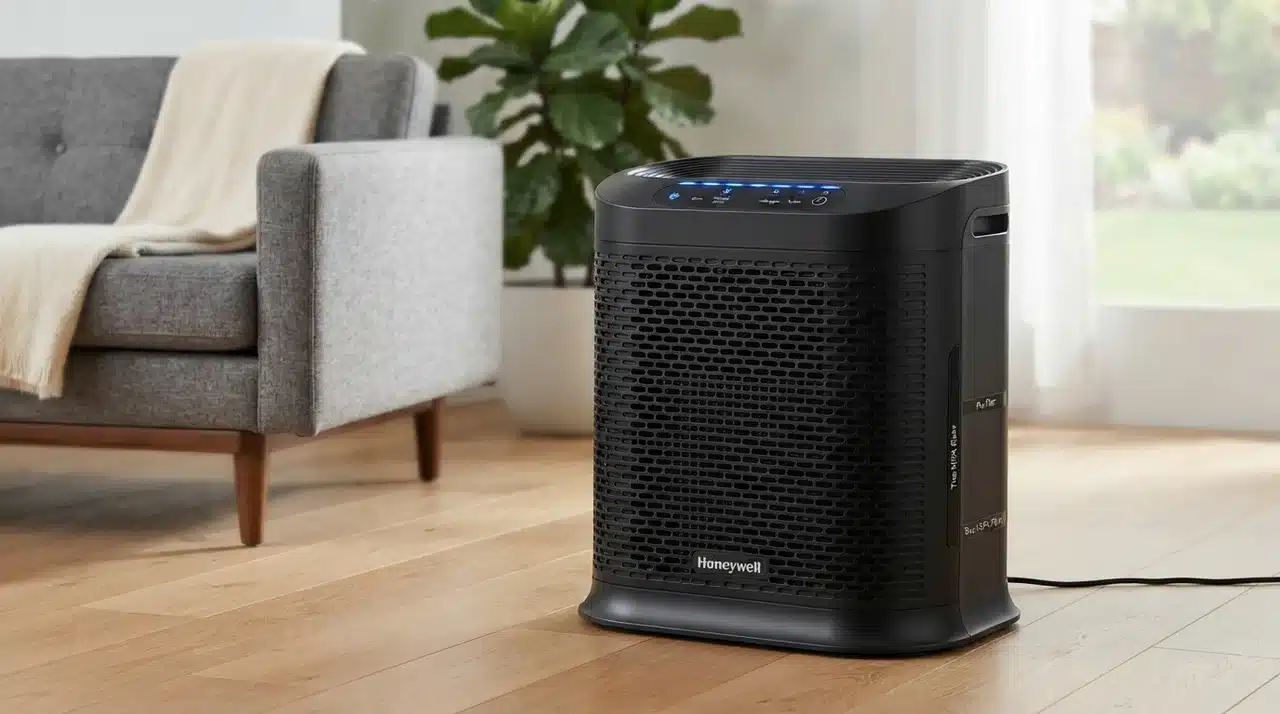
The Honeywell HPA300 is a powerful purifier for larger rooms where allergy sufferers need stronger airflow. It focuses on effective filtration rather than smart features.
- True HEPA Filter: Captures pollen, dust, and pet dander from indoor air.
- Large Room Support: Covers spaces up to around 465 square feet.
- Simple Controls: Makes operation easy without learning extra features.
- Strong Cleaning Power: Provides higher airflow for larger living spaces.
11. GermGuardian AC4825
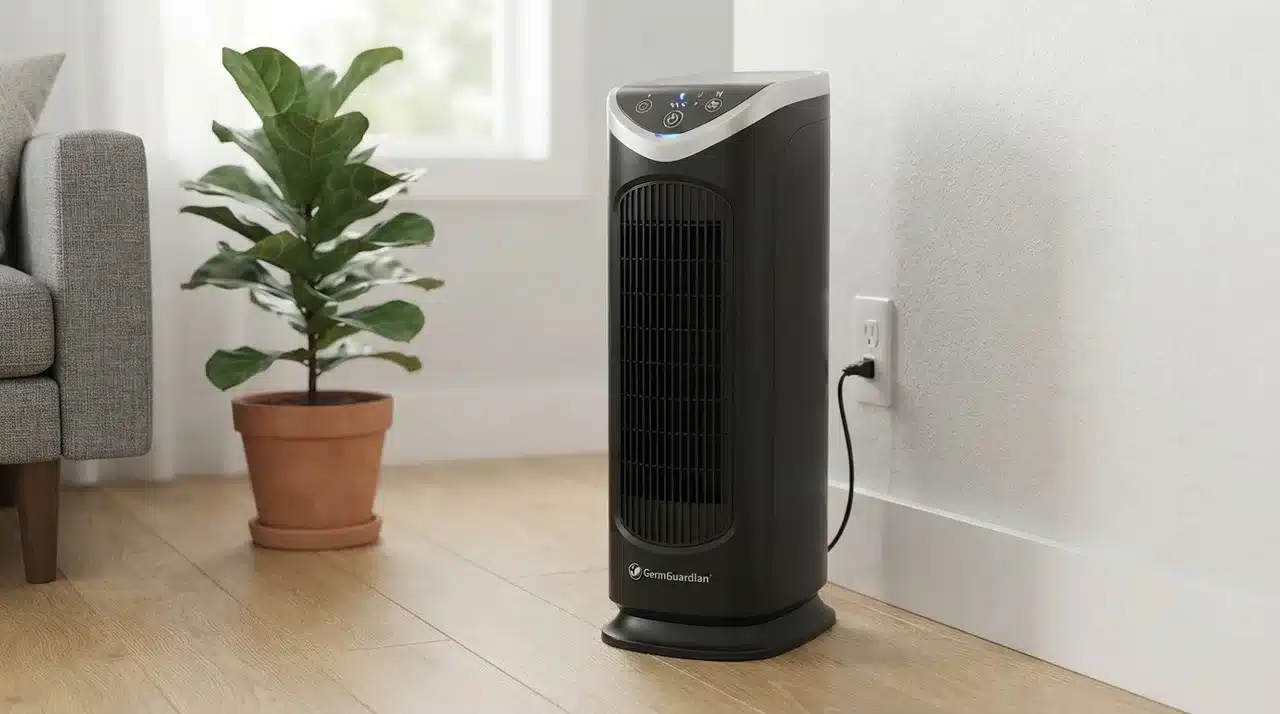
The GermGuardian AC4825 is an affordable purifier for smaller rooms that need basic allergy protection. It offers essential filtration without a high upfront cost.
- True HEPA Filtration: Helps remove common airborne allergens like dust and pollen.
- Carbon Filter: Reduces some household odors from indoor air.
- Compact Size: Works well in bedrooms and small offices.
- Budget-Friendly Design: Provides basic purification at a lower price point.
12. Medify MA-40
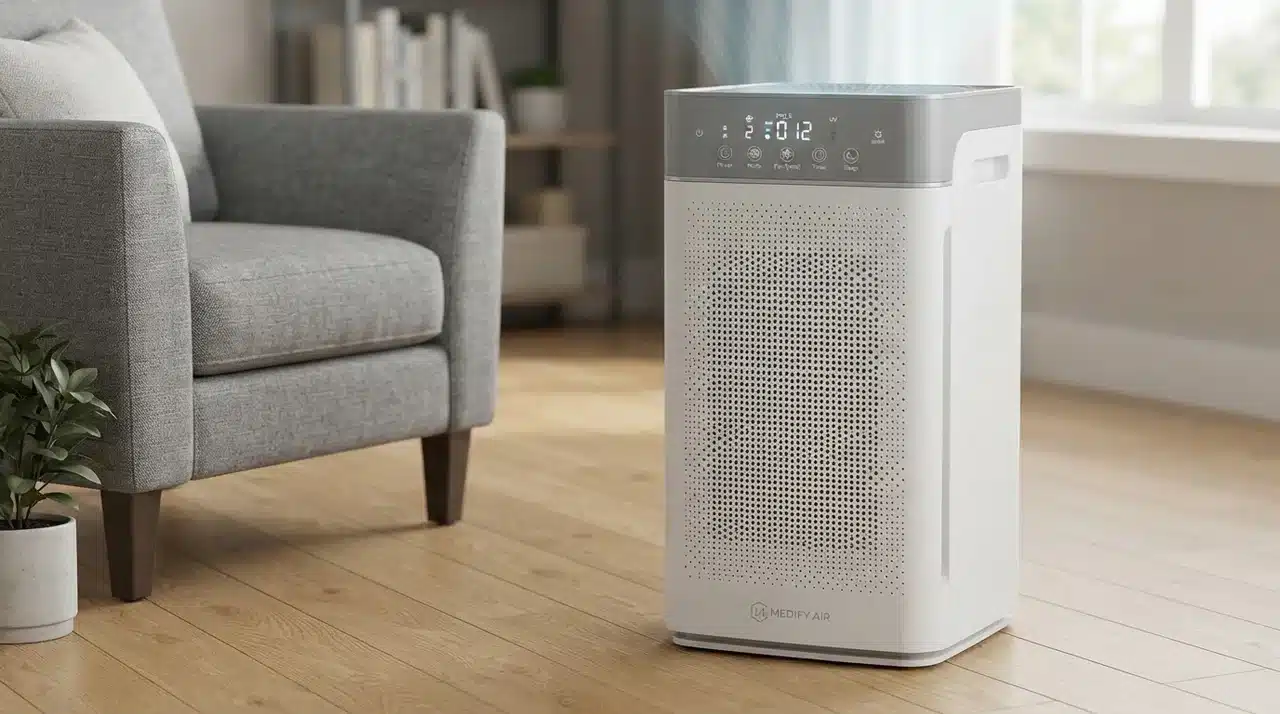
The Medify MA-40 offers strong filtration for people who need more coverage than compact models provide. It combines efficient particle removal with simple controls.
- H13 True HEPA Filter: Captures fine particles including pollen, dust, and pet dander.
- Large Coverage: Handles rooms up to around 840 square feet.
- Touchscreen Controls: Provides easy access to settings and adjustments.
- Mid-Range Pricing: Offers stronger performance without premium-level costs.
13. IQAir HealthPro Plus
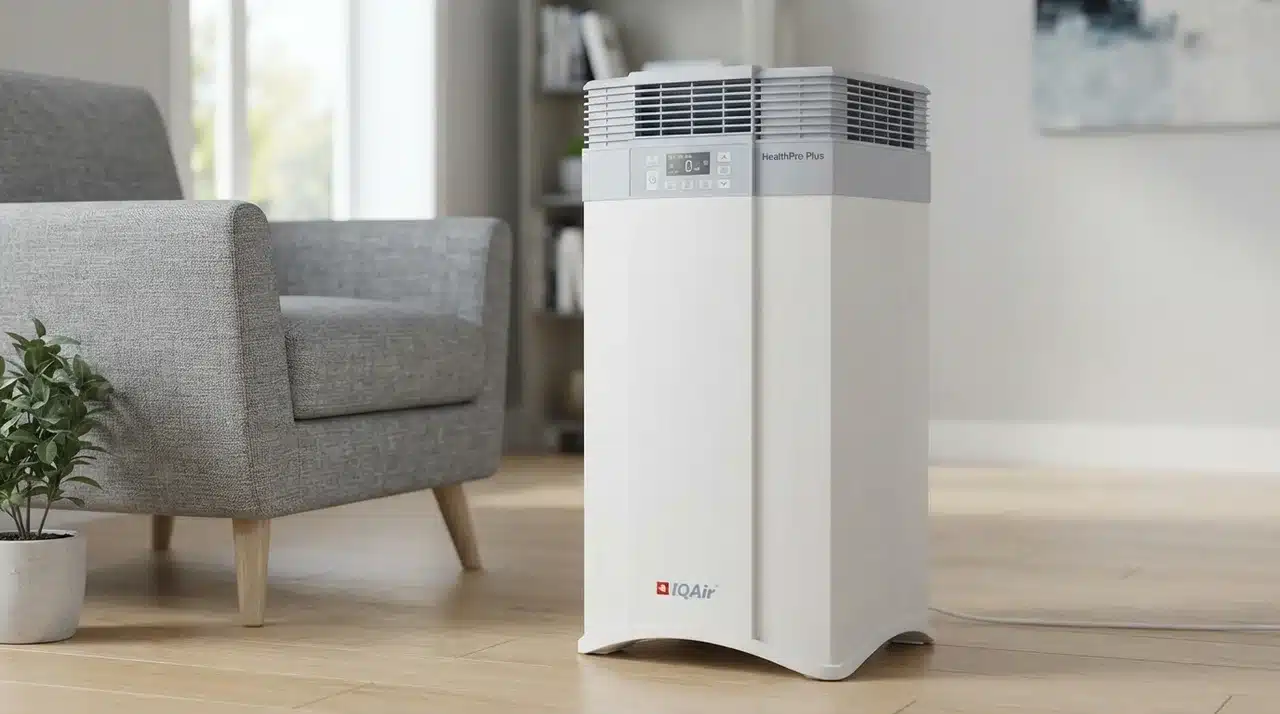
The IQAir HealthPro Plus is made for users who want advanced particle filtration and long-term performance. It focuses on maximum air cleaning rather than extra smart features.
- HyperHEPA Filtration: Targets very small airborne particles along with common allergens.
- Durable Build: Designed for long-term use with strong construction.
- Extended Filter Life: Helps reduce how often filters need replacement.
- Premium Price: Costs more but offers advanced filtration performance.
The best air purifier for allergies depends on your room size, main allergy triggers, and how much maintenance you are comfortable with. Choose a model that matches your daily needs rather than simply picking the most expensive option.
Which Air Purifier Is Best for Your Allergy Trigger?
The allergen causing the problem can affect which feature matters most. This comparison keeps the focus on practical filtration needs rather than extra settings.
| Allergy Concern | What Matters Most | Good Option |
| Pollen | Strong airflow and particle filtration | Coway Airmega Mighty2 |
| Dust | Frequent air circulation | AirFanta 3Pro |
| Pet Dander | Particle filtration and easy prefilter cleaning | Coway or Levoit |
| Bedroom Allergies | Quiet continuous operation | Levoit Core 400S |
| Large Rooms | Higher airflow | Alen BreatheSmart 45i |
| Demanding Filtration Needs | Strong independent test performance | NuWave OxyPure |
| Small Rooms | Compact size with adequate airflow | Coway Airmega 100 |
The purifier still needs to match the room. A strong small-room unit may perform poorly when placed in a large open living area.
HEPA Filters and Allergy Relief: What Actually Matters?
A HEPA filter is useful because common airborne allergens include fine particles such as pollen fragments, dust, and pet dander.
However, the filter label does not tell the whole story.
A purifier must pull contaminated room air through that filter often enough to make a meaningful difference. That is why airflow and clean air delivery rate deserve as much attention as filter efficiency.
Consumer Reports notes that strong air purifiers can reduce airborne dust, smoke, and pollen. Many high-performing models rely on HEPA filtration.
Activated carbon serves a different purpose. It can help with some odors and gases, but it is not the main filter responsible for removing pollen or pet dander.
How to Choose an Air Purifier for Allergies
Product pages can make air purifiers look complicated, but a small group of practical specifications tells buyers far more than a long feature list.
- Room Size: Match airflow to the actual room instead of buying solely from a large advertised coverage number.
- CADR Rating: Clean air delivery rate helps show how quickly a purifier can supply filtered air.
- Air Changes: Frequent circulation helps remove new airborne particles instead of allowing them to remain suspended for long periods.
- Noise Level: A purifier sitting unused because it is too loud provides no benefit. Check noise at practical everyday fan speeds.
- Filter Cost: Replacement filters can add a meaningful yearly expense. Compare the purchase price and long-term cost.
- Prefilter Design: A cleanable prefilter can catch hair and larger dust before it reaches the main filter.
- Replacement Availability: Easy-to-find filters make long-term ownership simpler.
- Activated Carbon: Consider carbon when odors matter, but do not treat it as a replacement for strong particle filtration.
- Electronic Features: Check whether ionization or similar functions can be switched off if that matters to you.
I usually prioritize room size, airflow, noise, and filter costs over Wi-Fi controls. Those factors affect daily performance far more than extra app features.
Where Should You Put an Air Purifier for Allergy Relief?
Placement affects how easily room air reaches the purifier.
Keep the air intake clear rather than pushing the machine tightly against furniture. A purifier also needs enough space around its outlet to send cleaned air back into the room.
Bedrooms are often a sensible priority because people spend several hours there each night. Positioning the purifier in the room rather than in a hallway gives it a better chance to cycle bedroom air.
During heavy pollen periods, open windows can introduce new particles faster than a small purifier removes them. Keeping windows closed when outdoor pollen levels are high can reduce that extra load.
Avoid hiding the purifier behind a sofa, curtain, desk, or large piece of furniture.
Air Purifier Maintenance for Better Allergy Control
Even a strong purifier loses performance when filters clog or airflow becomes restricted. Basic upkeep keeps air moving through the system.
- Clean Prefilters: Remove collected hair and larger dust according to the manufacturer’s instructions.
- Check Main Filters: Replace filters when they reach the recommended interval or show signs of reduced performance.
- Keep Vents Clear: Do not allow furniture, curtains, or stored items to block the intake.
- Vacuum Regularly: Purifiers mainly handle airborne material. Vacuuming removes allergens that have already settled.
- Wash Bedding: Air cleaning does not remove dust mites or allergens already embedded in bedding.
- Watch Outdoor Pollen: Keeping windows closed during high-pollen periods can reduce the amount entering the room.
A purifier works best as one part of a larger allergy-control routine rather than as the only form of indoor cleaning.
Conclusion
A good air purifier should fit the room, handle airborne allergens, and be easy to run every day.
The models here suit different needs, from small bedrooms to living spaces, while filtration, airflow, noise, and maintenance all matter.
I think the best air purifier for allergies is the one that matches your space and budget without making upkeep difficult. You get better results when you place it correctly, keep vents clear, and replace filters on time.
I’d start by measuring the room and comparing the strongest options for your main allergy trigger. Once you narrow it down, check the related guides for more indoor air tips and share which purifier worked best for you!
Frequently Asked Questions
Can An Air Purifier Reduce Allergy Symptoms Immediately?
An air purifier may start removing airborne particles soon after running, but noticeable allergy improvements vary. Results depend on room size, allergen levels, and how consistently you use the purifier.
Should I Run An Air Purifier While Sleeping?
Yes, running a purifier overnight can help keep bedroom air cleaner. Choose a model that runs quietly and has enough airflow to clean the room without disturbing sleep.
Do Air Purifiers Help With Mold Allergies?
Air purifiers can help capture some airborne mold spores, but they cannot remove mold growth on walls, ceilings, or other surfaces. Fixing moisture problems is still necessary.
How Long Should I Run An Air Purifier Each Day?
Many people run air purifiers for several hours or continuously, especially during allergy seasons. The ideal runtime depends on room conditions, purifier capacity, and personal comfort.