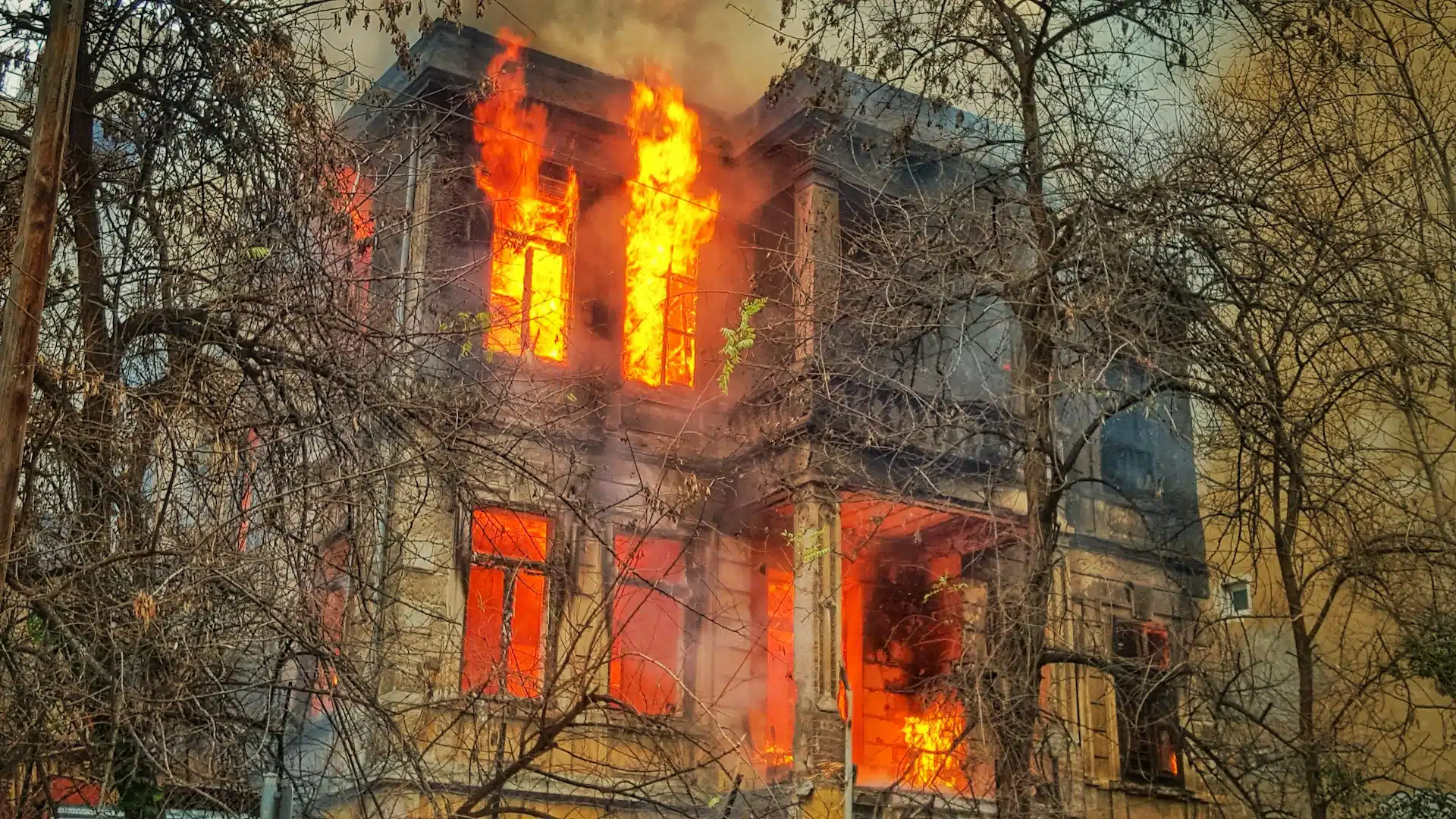
Fire damage is not limited to what burns. Smoke, soot, and heat spread far beyond the visible area, affecting walls, air systems, furniture, and personal belongings. The biggest mistake property owners make is assuming that if something looks intact, it is safe to keep.
Understanding what can be restored and what must be replaced is critical for both safety and cost control.
What Happens to Materials After a Fire
Fire creates three main types of damage:
- direct flame damage that destroys structure
- smoke and soot contamination that spreads through the entire property
- water damage from firefighting efforts
Soot particles are acidic and begin damaging surfaces within hours. They penetrate porous materials, causing permanent odor and corrosion. Even areas untouched by fire may become unsafe due to hidden contamination.
What Can Be Restored
Many items can be successfully restored if handled quickly and professionally:
- non-porous surfaces like metal, glass, and tile can be cleaned and sanitized
- hardwood furniture may be saved through deep cleaning and refinishing
- structural elements such as concrete and brick are often restorable
- electronics can sometimes be recovered using specialized cleaning techniques
- clothing and fabrics can be restored with industrial-grade cleaning systems
The key factor is time. The faster mitigation begins, the higher the chances of saving materials before soot causes permanent damage.
What Must Be Replaced
Certain materials almost always require replacement due to health risks and irreversible contamination:
- drywall and insulation absorb smoke and toxins deeply
- carpets and padding trap soot and odor that cannot be fully removed
- plastic and synthetic materials release harmful chemicals after heat exposure
- heavily burned framing loses structural integrity
- cabinetry with internal smoke penetration often cannot be salvaged
Keeping these materials can lead to long-term odor issues, poor air quality, and potential health hazards.
The Hidden Danger of Smoke Damage
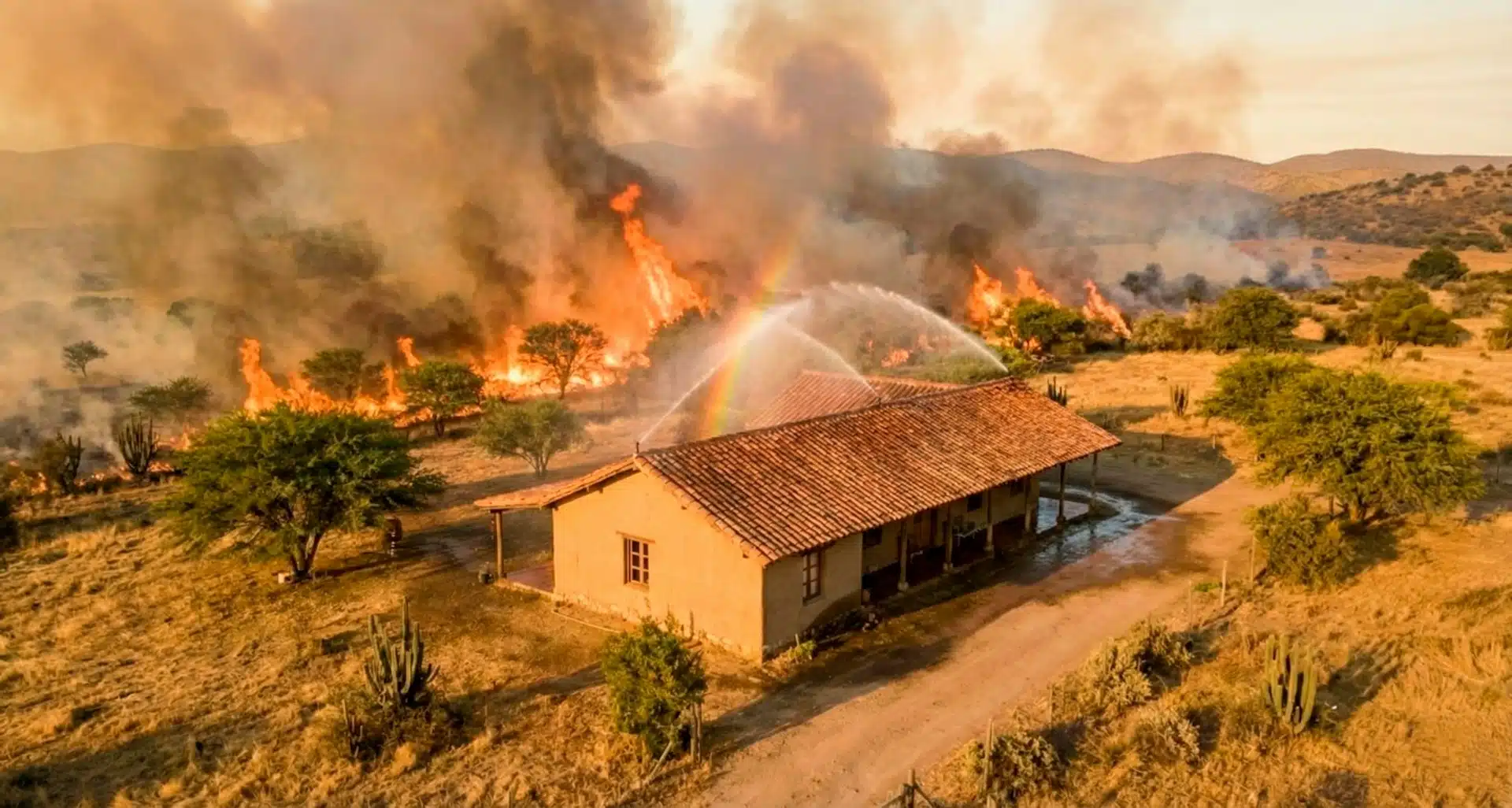
Smoke spreads through HVAC systems, reaching areas far from the fire source. Soot settles inside ducts, behind walls, and in insulation. Without proper cleaning, this contamination continues to circulate inside the property.
Different fires produce different types of soot. For example:
- dry soot spreads easily and embeds into surfaces
- wet soot is sticky and harder to remove
- protein residue from kitchen fires creates strong, persistent odors
Each type requires a specific cleaning approach, which is why standard cleaning methods are not effective.
Why Professional Evaluation Is Critical
Deciding what to restore or replace is not just about appearance. It requires:
- Air quality testing and contamination assessment.
- Structural integrity inspection.
- Identification of hidden smoke damage.
- Cost-benefit analysis of restoration vs replacement.
Without proper evaluation, property owners risk restoring unsafe materials or replacing items that could have been saved.
Making the Right Recovery Decisions
Fire and smoke damage recovery is a technical process, not a cosmetic one. Restoring the wrong items can create ongoing problems, while replacing everything unnecessarily increases costs.
A professional restoration approach ensures that:
- safe materials are preserved
- hazardous elements are fully removed
- the property is returned to a livable condition faster
Companies like Quality Restoration specialize in this type of assessment and recovery, combining emergency response with advanced cleaning and structural repair solutions.