To retain movers in a tight labor market, you must transition from treating relocation as a commodity service to treating your crew as a specialized technical team.
While the logistics industry often defaults to “hire fast, fire faster” mentalities, the current 31.4% turnover rate in service and trade roles proves that approach is a financial sinkhole. Retaining a mover today requires a mix of predictable scheduling, physical safety guarantees, and a culture that acknowledges the grueling nature of the work through tangible recognition.
There are more than 3 million people responsible for moving nationally, with many professional movers entering homes every day across the country, and the majority of them feel invisible the moment the truck door closes. This invisibility is the primary driver of churn. If a mover feels like just a set of hands to carry a sofa, they will jump to a competitor for a fifty-cent raise. If they feel like a lead technician in a structured career ladder, they stay.
Balancing The Physical Burden With Route Intelligence
The most common reason a mover quits within the first six months isn’t the pay, but the physical burnout caused by poor dispatching. When a crew is sent on three consecutive third-floor apartment moves without adequate equipment or recovery time, you are essentially asking them to quit. Smart firms that handle corporate relocation are now using route optimization software to ensure that high-intensity jobs are balanced with “easy wins” or smaller residential hauls.
Predictability is the new currency for the modern blue-collar worker. Research into workplace trends for 2026 suggests that “mass customization” of work schedules is no longer just for office workers. Giving a mover a consistent start time and a guaranteed “off-duty” window allows them to have a life outside of the truck, which is a rare luxury in the moving industry.
When you respect a mover’s time, they respect your equipment and your clients. This mutual respect is the foundation of a stable crew, and it starts with a dispatch team that understands the physical limits of the human body.
Creating A Clear Ladder For Advancement
Movers often view their jobs as dead-end roles because owners fail to provide them with a path to management or specialized logistics. A “training ladder” takes a raw laborer and turns them into a specialist in high-value asset relocation, such as moving pianos, fine art, or medical equipment. Each new skill should come with a title change and a modest pay bump to signal progress.
Peer mentorship is another underutilized retention tool that anchors new hires to the company culture. When a veteran mover is tasked with “onboarding” a rookie, the veteran feels a sense of authority and the rookie feels supported rather than thrown into the deep end. This structure reduces the 42% of employees whose choice to leave between their first and second year of service is avoidable by creating social bonds.
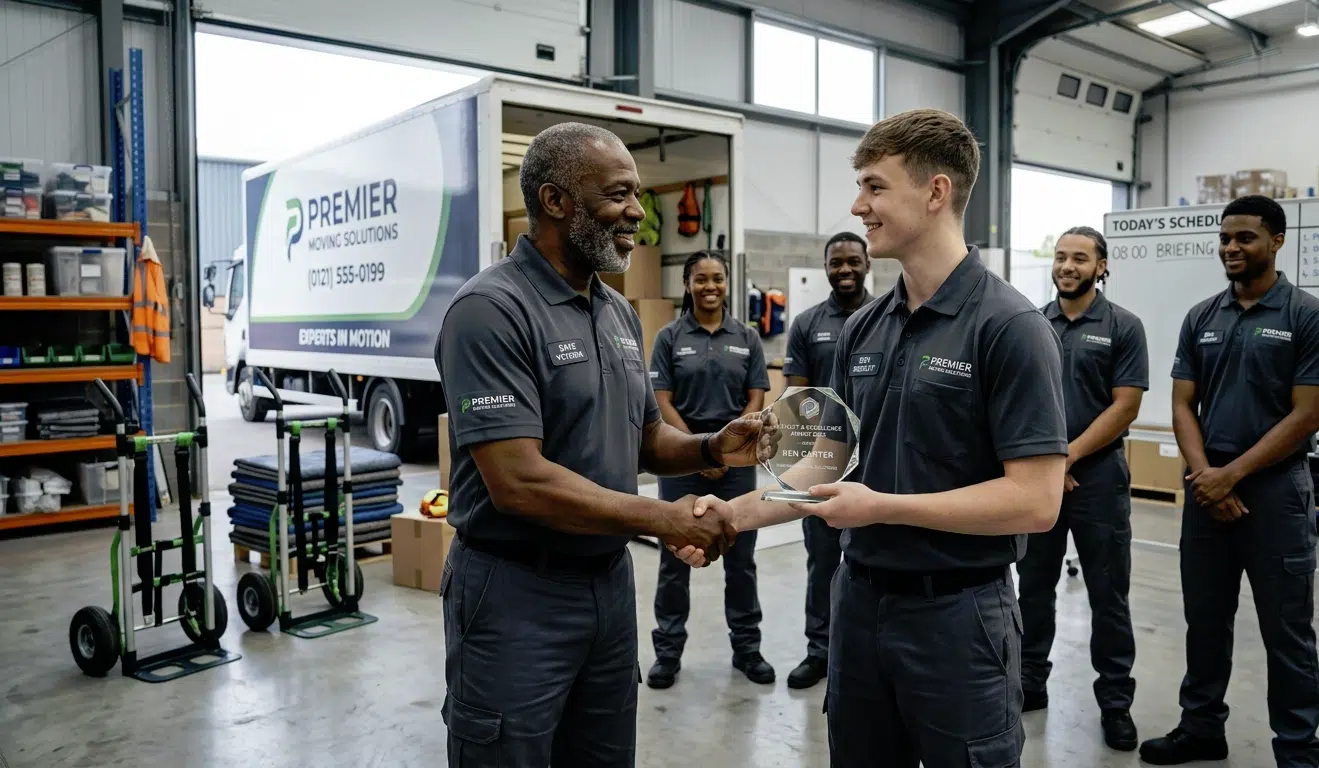
To formalize this, successful moving companies are implementing structured programs that celebrate every year a mover stays on the team. Using custom engraved service plaques provides a physical artifact of their tenure that can be displayed in the office or given during a team breakfast. This move shifts the culture from a revolving door to a professional fraternity where time served is a badge of honor.
Movers who see their peers being publicly recognized for their loyalty are significantly more likely to envision a long-term future with the company.

Improving Field Conditions and Safety Standards
Safety is not just a compliance requirement; it is a retention strategy. A mover who is provided with high-quality dollies, lift gates, and back braces feels that the company cares about their long-term health. In an industry where one injury can end a career, showing a commitment to ergonomic safety is the ultimate form of employee care.
Effective retention strategies for field teams include the following:
- Providing high-performance moisture-wicking uniforms that actually look professional
- Supplying every truck with a dedicated “crew kit” containing electrolyte drinks and high-calorie snacks
- Implementing a “no-questions-asked” equipment replacement policy for worn-out safety gear
These small investments signal to the crew that they are the company’s most valuable asset. When a mover doesn’t have to fight for a new pair of grip gloves, they feel the company has their back.
Mastering The Moving Margin
The difference between a profitable moving season and a disastrous one often comes down to the quality of the crew. High turnover leads to damaged furniture, insurance claims, and negative reviews that haunt your Google Business profile for years. Conversely, a veteran crew moves faster, works safer, and generates the kind of word-of-mouth marketing that money can’t buy.
Focusing on the long-term health and career trajectory of your movers is the only way to win in 2026. If you want to get more insights into the logistics and freight sector, stick around on our site and read more posts, as we’ve got plenty of relevant coverage to consume.