Small homes gain strong interest across NZ as property prices rise and land space shrinks. Compact living offers efficient use of space, practical design, and lower build demands than large homes. However, the total build cost depends on design, materials, labour, and site conditions. Clear budget knowledge helps prevent delays and project confusion. This article explains the key cost areas that shape the total price of a tiny home build.
Base Structure and Build Materials
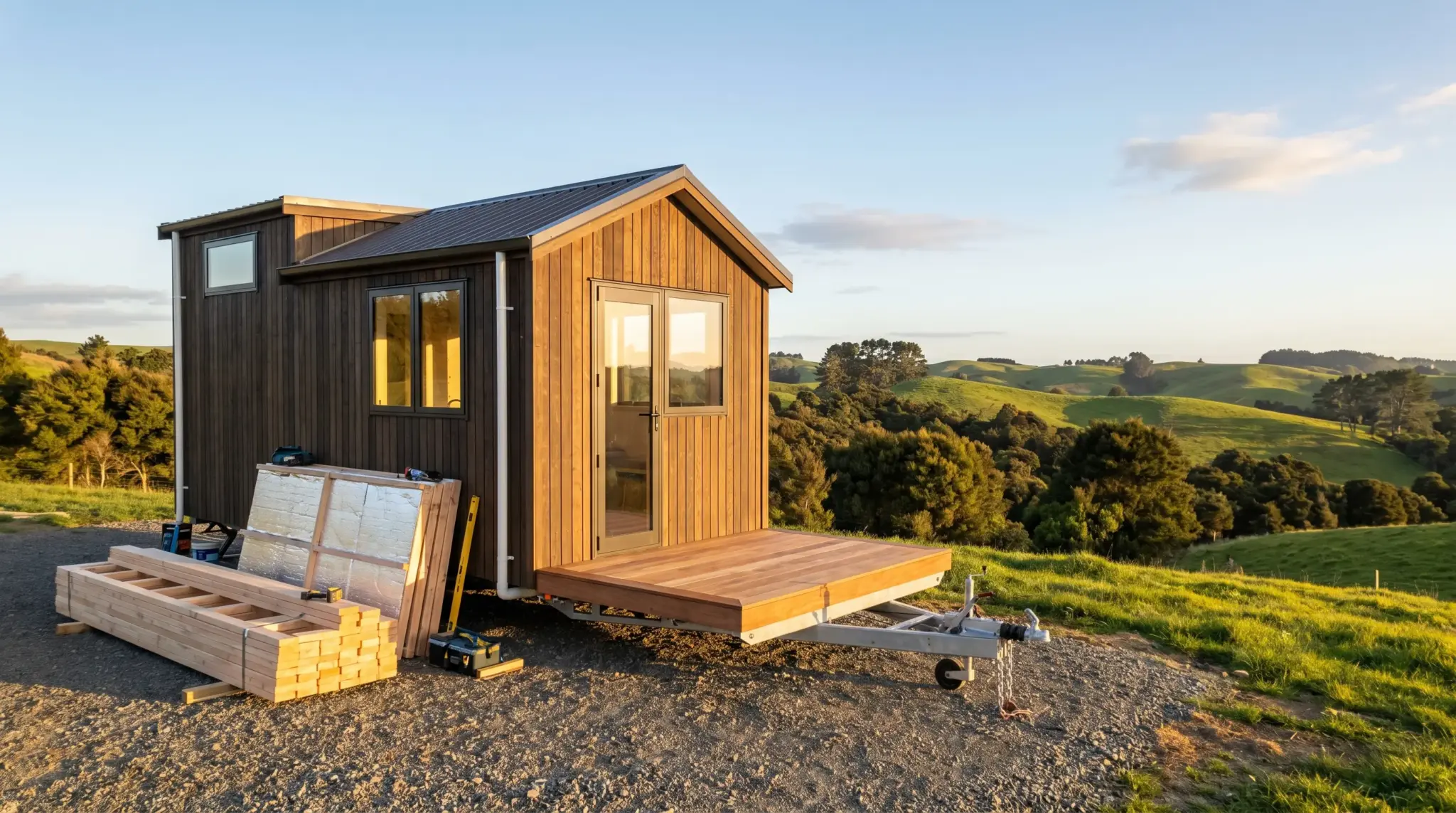
Construction cost forms the largest portion of a small home budget. Material quality, structural design, and construction method shape the total expenses of projects. A tiny house NZ project usually begins with a strong trailer base or foundation system that supports long-term use. Material price shifts also influence project budgets across NZ builders and suppliers. Careful material choice helps balance strength, comfort, and construction value.
Labour and Professional Construction Services
Professional construction work represents another major portion of the build budget. Builders charge labour fees that reflect design complexity and project size. Skilled carpenters, electricians, and plumbers contribute specialist expertise that ensures proper construction standards. Project managers also coordinate schedules, supplier orders, and construction phases. Labour rates differ across regions of NZ due to contractor demand and trade availability. A clear labour plan helps maintain and build progress and stable project timelines.
Interior Fit-Out and Design Features
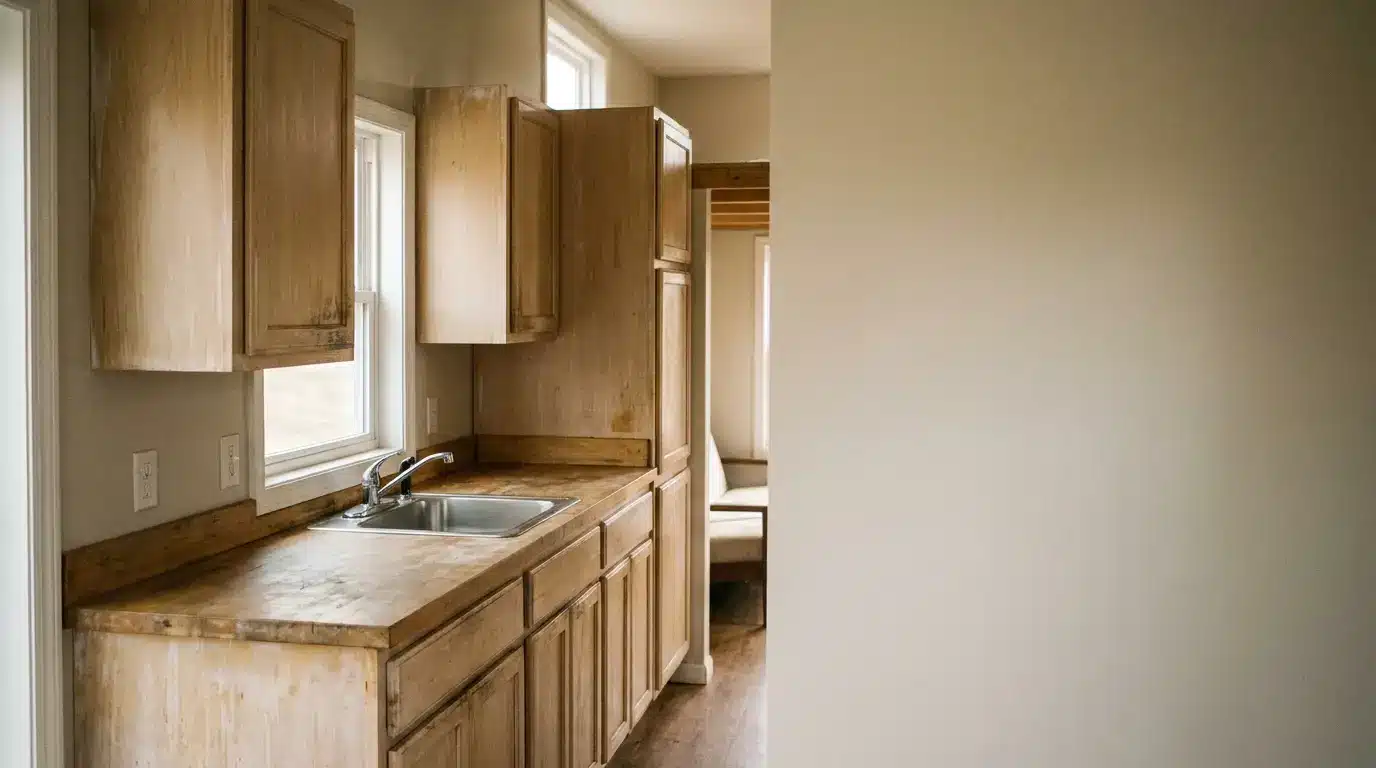
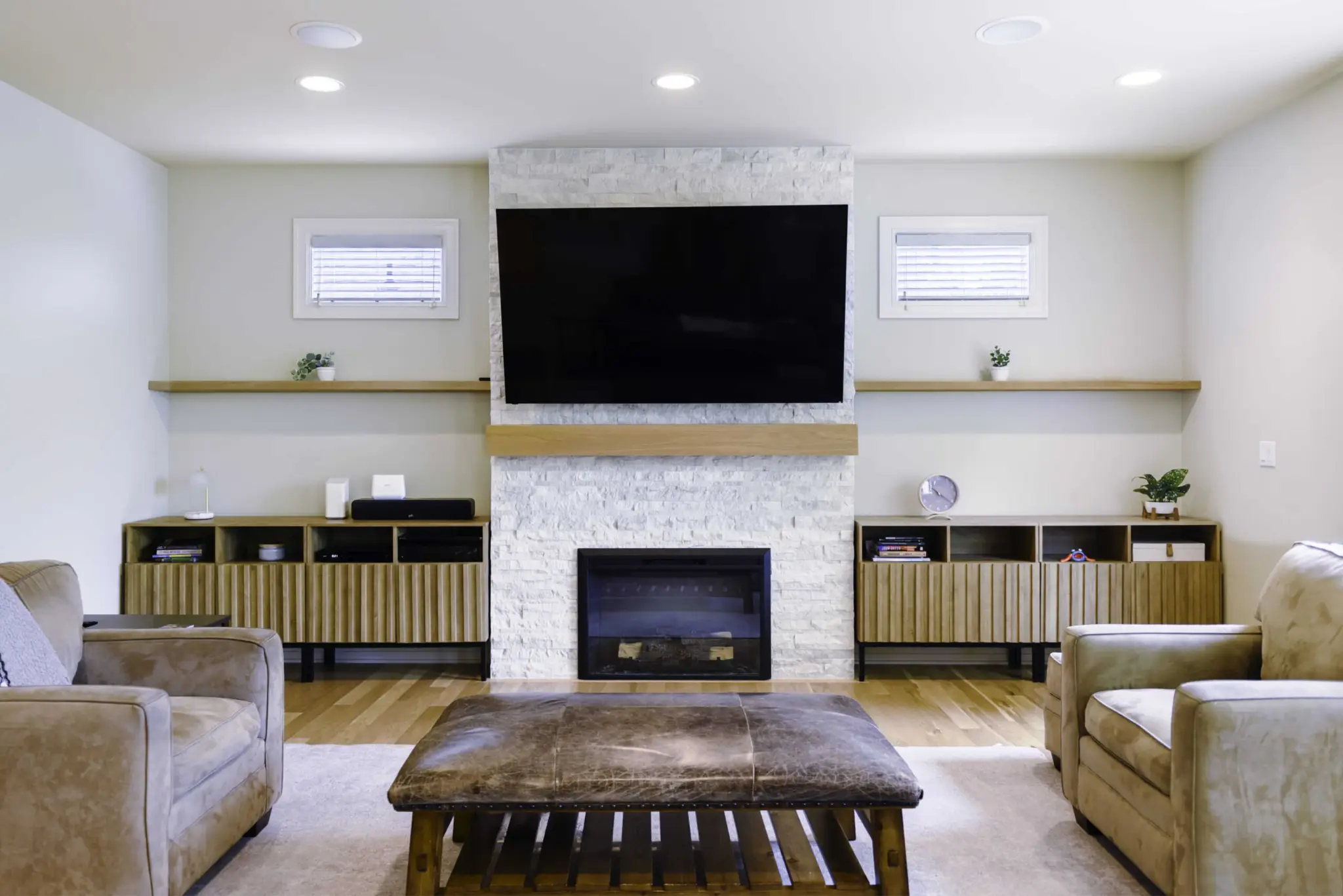
Interior features contribute a large share of the total project budget. Small spaces require careful planning so each design element supports comfort and efficiency. Interior expenses include the following features:
- Kitchen cabinetry and compact appliances increase cost because custom sizing supports small floor plans.
- Bathroom fixtures such as showers, sinks, and water systems require durable plumbing materials.
- Built-in storage units maximise space efficiency and improve everyday practicality.
- Insulation panels and interior wall finishes improve comfort across changing weather conditions.
Site Preparation and Utility Connections
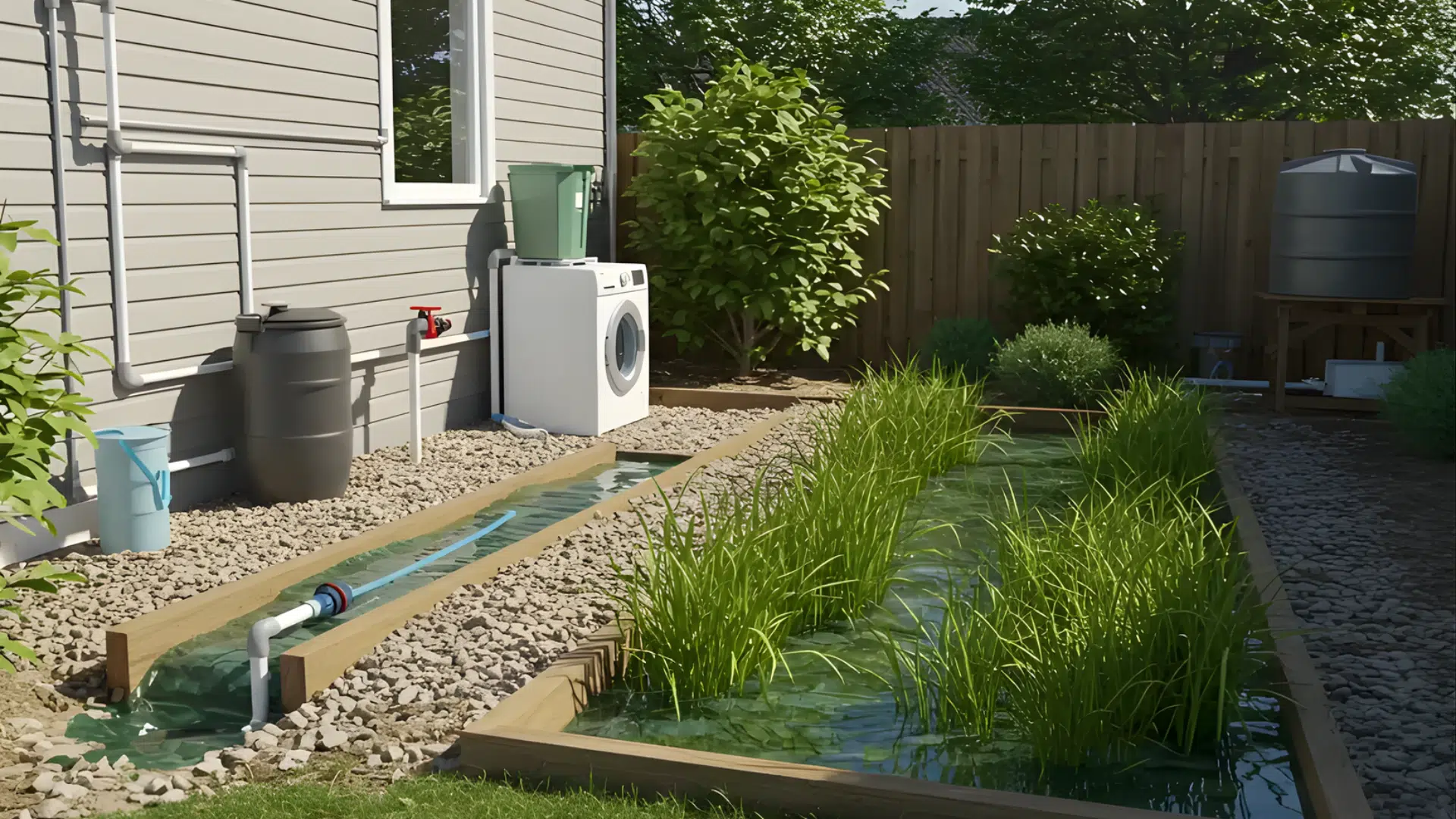
Site preparation forms another essential expense before construction begins. Land preparation work varies across NZ depending on terrain, soil conditions, and council requirements. Several key costs appear during this stage:
- Ground levelling and foundation support work prepare the site for safe installation.
- Electrical connections link the home to power supply systems available across NZ.
- Water supply connections support daily living needs through local infrastructure.
- Wastewater solutions such as septic systems support remote or rural land locations.
Careful site planning helps builders avoid delays and maintain steady project progress.
Custom Design Choices and Layout Options
Custom design choices influence the final build price of a tiny house NZ project. Homeowners across NZ frequently request loft bedrooms, extended decks, or unique window placement. These features increase material cost and construction effort but improve comfort and visual appeal.
High-quality finishes such as hardwood floors or premium cladding also increase project value. Builders in NZ recommend design layouts that balance style, durability, and space efficiency. A practical layout helps maintain comfort while keeping the project within budget.
Transport, Compliance, and Approval Costs
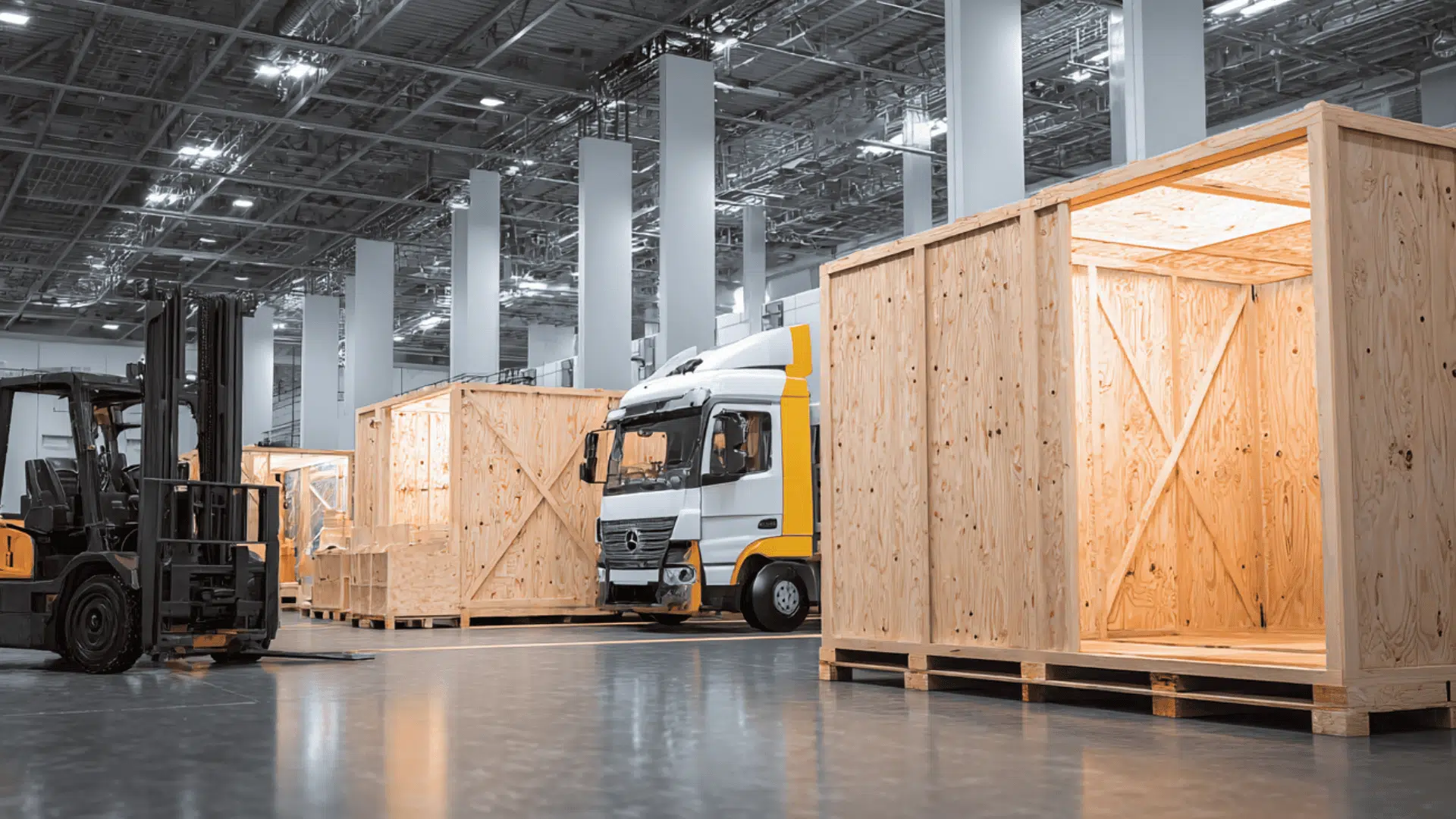
Transport and regulatory steps also contribute to project expenses. Many small homes travel from construction yards to final sites. Transport fees depend on travel distance, vehicle size, and route planning. Council approvals and compliance checks also require application fees and documentation preparation. These steps ensure safe installation and proper housing standards across NZ. Careful planning for transport and approvals helps builders maintain smooth project completion.
Tiny house construction involves several clear cost areas that shape the final budget. Structure materials, interior features, labour services, and site preparation form the largest expenses during most projects. Transport, approvals, and layout choices also influence final build costs across NZ. Careful financial planning helps maintain steady progress and prevents budget pressure. A practical step for new builders involves early consultation with construction professionals who understand land conditions, regulations, and efficient design solutions.