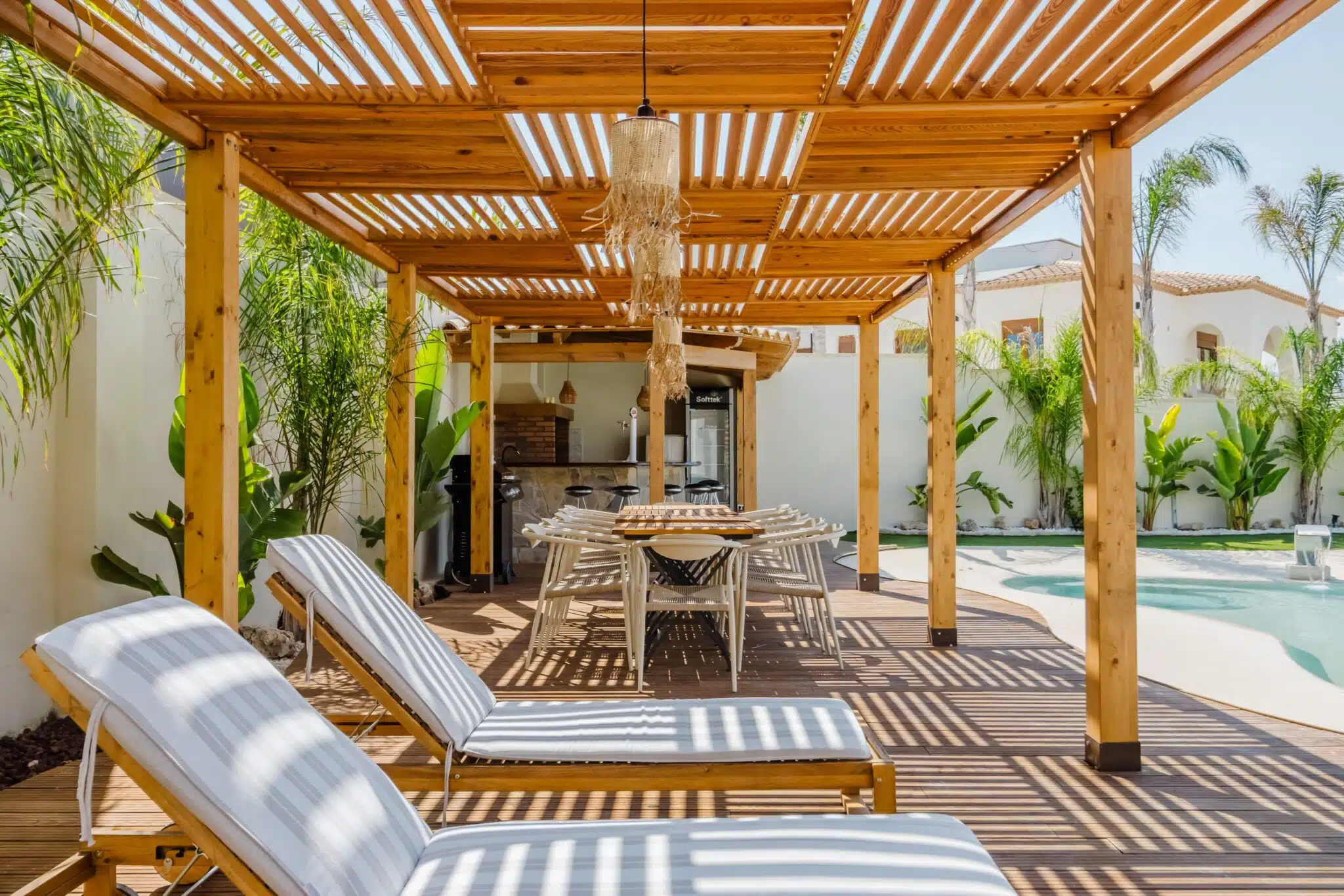
Outdoor areas have become increasingly important in contemporary hospitality design. No longer viewed as secondary spaces, terraces, courtyards, rooftop lounges, and poolside areas now play a central role in shaping the overall guest experience.
These environments often provide the first impression of a venue and contribute significantly to its atmosphere, functionality, and identity. Among the many design elements involved, flooring serves as a fundamental component, helping create outdoor settings that are both visually appealing and practical for everyday use.
The Growing Importance of Outdoor Hospitality Spaces
The hospitality industry has embraced outdoor living as an essential part of the guest journey. Hotels, restaurants, resorts, and wellness facilities are investing more resources in the design of exterior environments that encourage relaxation, social interaction, and memorable experiences.
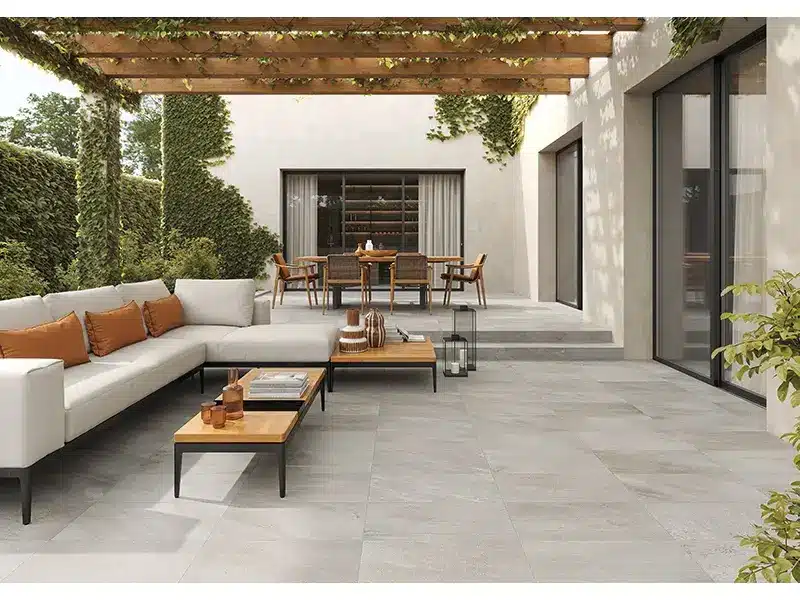
Outdoor spaces frequently act as natural extensions of indoor areas, offering additional opportunities for dining, entertainment, and leisure. A rooftop terrace overlooking a city skyline, a peaceful courtyard surrounded by greenery, or an elegant poolside lounge can significantly enhance the appeal of a hospitality venue.
As these areas become increasingly important, designers are placing greater emphasis on creating environments that feel intentional, cohesive, and aligned with the overall character of the property.
Flooring as a Design Tool for Guest Experience
Flooring plays a key role in defining how guests perceive and interact with outdoor spaces. It influences the visual identity of an environment while helping establish a sense of comfort and continuity throughout the property.
Carefully selected outdoor tiles can contribute to a welcoming atmosphere by complementing architectural elements, furnishings, and landscaping features. Consistency between different areas helps create a seamless experience, allowing guests to move naturally from one space to another without visual disruption.
The appearance of the flooring also affects the overall mood of the setting. Sophisticated textures, balanced color palettes, and thoughtfully designed layouts can reinforce the desired aesthetic, whether the objective is to create a relaxed resort environment, a refined restaurant terrace, or a contemporary urban rooftop.
Balancing Aesthetics and Operational Requirements
Hospitality environments present unique challenges compared to residential settings. Outdoor areas are often exposed to intensive daily use, making durability and ease of maintenance important considerations alongside aesthetics.
Designers must select flooring solutions capable of maintaining their visual appeal despite constant foot traffic and changing weather conditions. Surfaces that support efficient cleaning and simplify long-term upkeep can contribute to smoother operations while preserving the quality of the guest experience.
Outdoor spaces should not only look attractive on opening day but continue to reflect the standards and identity of the venue over time.
Adapting Flooring Solutions to Different Hospitality Settings
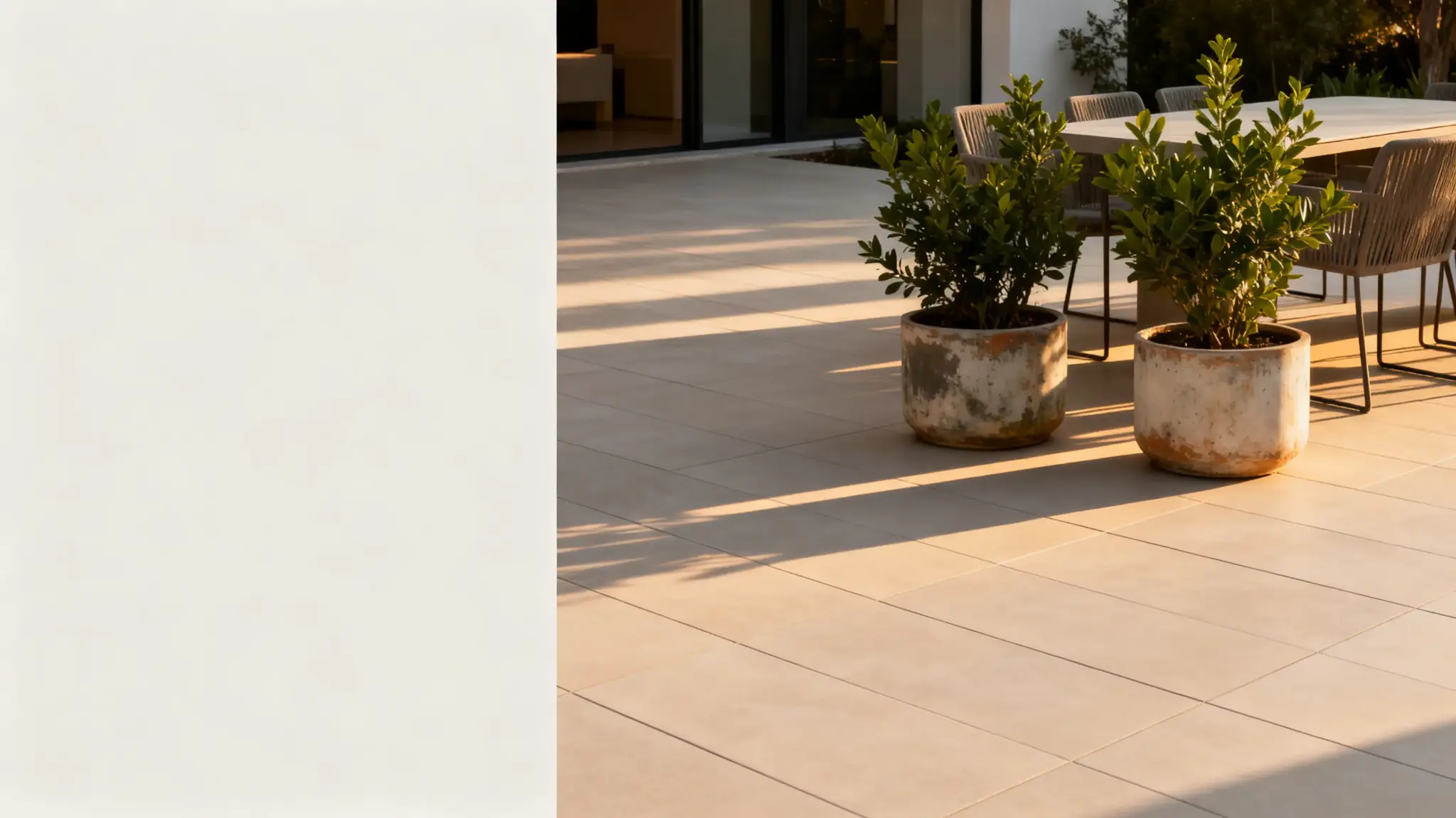
Different hospitality environments require different design approaches. Restaurant terraces often prioritize welcoming atmospheres that encourage guests to linger and enjoy the surroundings. Hotel courtyards may focus on creating tranquil environments that promote relaxation and privacy.
Rooftop venues frequently embrace a more contemporary aesthetic, using flooring to reinforce a sophisticated urban character. Wellness retreats and poolside areas, meanwhile, often seek to establish a calm and harmonious connection between architecture and nature.
By adapting flooring choices to the specific function and personality of each space, designers can create environments that feel authentic and carefully curated rather than standardized.
Creating Distinctive Outdoor Destinations
Successful hospitality design extends beyond buildings and interiors. Outdoor environments have the power to become memorable destinations, contributing to the overall identity of a property and enriching the guest experience. Thoughtfully selected flooring solutions help unify these spaces, supporting both aesthetic ambitions and operational needs. As outdoor living continues to influence hospitality trends, well-designed surfaces will remain an essential element in creating inviting, distinctive, and enduring environments.
Ceramiche Keope: A Refined Approach to Surfaces, Spaces, and Design
The quality of a space is often defined by the relationship between materials, architecture, and the people who experience it. This principle has guided Ceramiche Keope since its establishment in 1995, inspiring the development of porcelain stoneware surfaces that combine aesthetic sophistication with outstanding technical performance.
As a member of the Concorde Group, the company has grown into an internationally recognized manufacturer, appreciated for its ability to interpret contemporary design needs through innovative production processes and a strong commitment to quality.
At the heart of Ceramiche Keope’s philosophy is the belief that surfaces should contribute to the overall character of a project. Continuous investments in research and technology have resulted in a versatile range of porcelain solutions designed to support architects and designers across a wide variety of applications. Coordinated formats, finishes, and thicknesses make it possible to create visual continuity between different environments while maintaining a coherent architectural language.
This approach is particularly relevant in contemporary hospitality settings, where outdoor spaces have become an essential part of the guest experience. Terraces, courtyards, wellness areas, and poolside environments require surfaces that combine elegance with long-term reliability. Outdoor porcelain tiles offer excellent resistance to intensive use, temperature fluctuations, moisture, and prolonged exposure to sunlight.
The wide variety of textures, colors, and material-inspired effects available in porcelain stoneware also provides significant design freedom. Whether creating a relaxed resort atmosphere, a sophisticated rooftop venue, or an inviting outdoor dining area, surfaces can help reinforce the identity and character of a hospitality project.
Responsibility toward the environment is an integral part of Ceramiche Keope’s manufacturing vision. The company has implemented a production system focused on reducing waste and optimizing resource use, including the complete recovery of process water and the full recycling of fired ceramic residues.
Around 75% of production energy is generated internally, while the remaining share comes exclusively from certified renewable sources. This commitment is supported by internationally recognized certifications such as ISO 17889, WELL Building Standard V2, and Declare, which acknowledge the company’s dedication to sustainability, transparency, and the creation of healthier built environments.