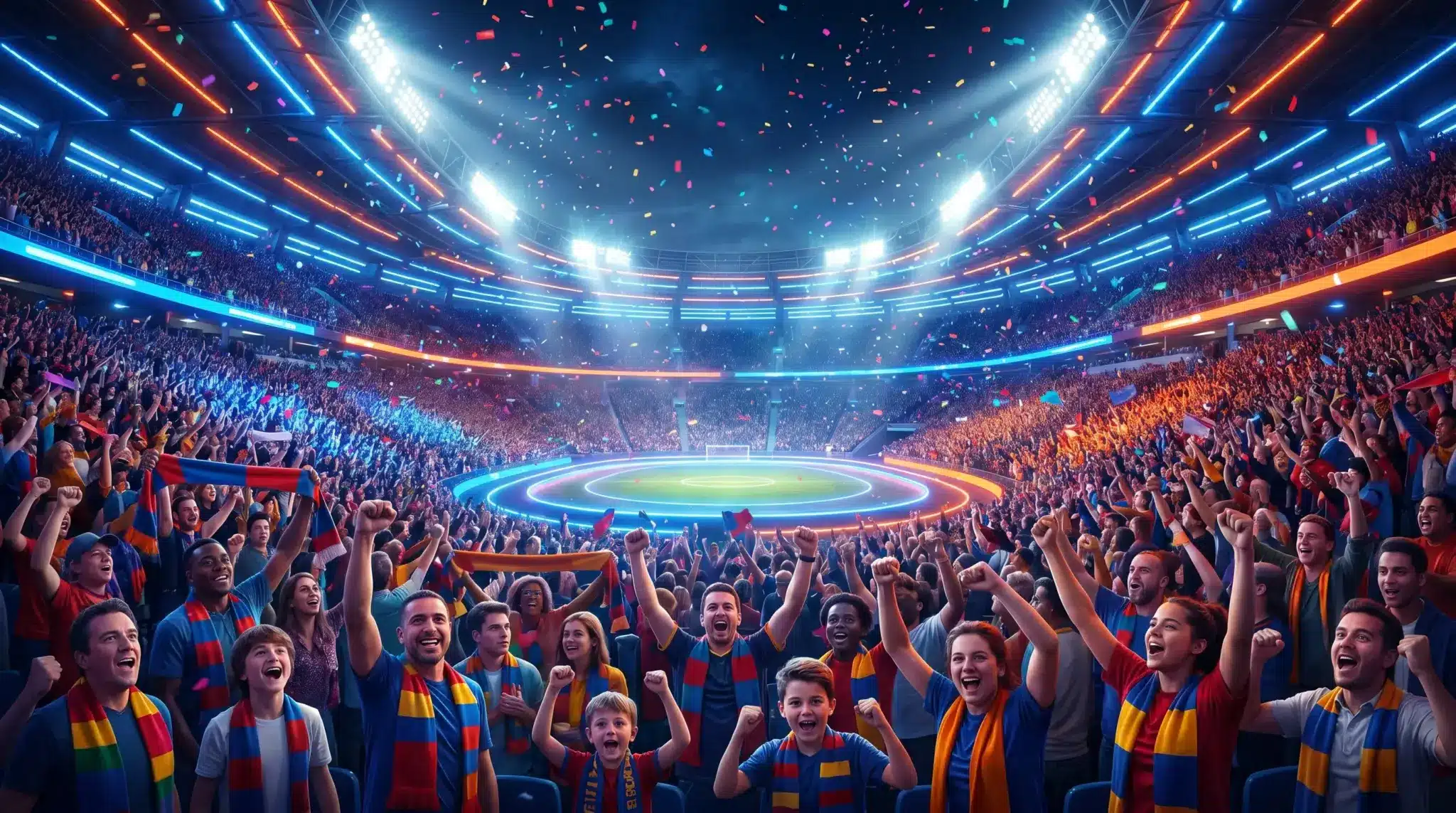
Competitions have been changing for centuries, but currently the transformations are exceptionally swift. Leagues and organizations are restructuring their formats to attract an impatient audience with a short attention span, which includes millions of people all over the world. The aim is obvious: to make everything that is going on important. If you follow any sports league, learning about these changes would help you appreciate it better.
New Formats and Shortening Games
A regular tournament format took several months and was based on building trust towards competitors, which is why it could attract more loyal fans. In recent years, leagues have started to change their rules to provide a compressed schedule and shorter games. The success of the Big Bash League and the popularity of T20 in cricket worldwide is the best proof that shortening the duration of a game could increase its appeal to more spectators.
If the audience is excited about participating in shortened competition formats, then the desire to find a suitable platform comes almost automatically. Sports enthusiasts who are looking into the possibilities of live gambling would typically end up at popular betting websites (Turkish: popüler bahis siteleri) where there are in-game bets corresponding to each segment of such rapid-paced competitions. Here, the player can place his bets not on the outcome but on the very event itself, reflecting the trend of modern sports.
The Franchise-Based League Structure and Its Implications
The introduction of the franchise system in many sports competitions and esports leagues has changed the way people relate to their favorites. Fans invest emotionally in particular teams that stay the same year after year, whereas owners and sponsors also become involved in the process because franchises mean a stable profit. People create teams’ brands and identify themselves with their favorites.
In this context, mobile technology is an essential aspect when it comes to linking the fan base to immediate live events and wagers on them. Users who seek immediate access to odds and game statistics of up to fifty different sporting disciplines will discover that the MelBet app is developed just for them. The application provides push notifications and offers a variety of games played in several leagues at once.
Round-Robin Stages and Group Competition
The round-robin system of organizing sports leagues guarantees that each team gets a chance to play with others a couple of times. As a result, people do not get disappointed even if their favorite team fails in one of the games since they still have a chance to win. The best example is the group stages of the UEFA Champions League in football. All teams fight for victory.

Organizers of such competitions decided to add even more variety by including super groups before the knockout rounds start. With more matches in the schedule, people get involved in the process, trying to predict the development of the competition. The reason is that new formats generate more plots and stories than traditional ones, making spectators interested in following the event’s progress.
Role of Technology in Promoting New Formats
If audiences cannot see how the game goes, no format innovation helps in attracting them. Thanks to streaming technologies, people can watch matches of any niche leagues. Moreover, statistics are provided instantly; real-time graphics are used to visualize what is happening in the field. Modern technology not only distributes sports competitions but also helps people understand them.
There are several technological innovations that are helpful:
- Statistics dashboard — viewers analyze performance metrics of players during the game and better understand tactics and rules.
- Predictions — online betting websites organize polls and ask people to choose what is expected next.
- Camera perspectives switching — fans may control what angle they are going to use to follow the game.
- Highlight videos — algorithms suggest the most important parts of the game in case you did not watch it online.
In this way, the viewer’s experience is no longer a mere matter of passive viewing but an opportunity to actively engage in the action. The purpose of any innovation in competition structure is exactly that – to make participation more accessible and engaging.
New Roles of Fantasy Sports & Gamification
A number of factors contribute to the success of any innovation, but there is one that stands out as particularly significant. Fantasy leagues turned every individual’s success on the field into a direct stake for millions of fantasy players. With each addition of a player from another league to your roster, you find yourself interested in the results of a competition you never paid much attention to before. Interest in different competitions cross-pollinates through the fantasy leagues.
There is also an additional layer of gamification. Prediction games, offered alongside fantasy sports, add an extra element of engagement for young viewers who appreciate the reward loop, leaderboard system, and other features associated with games rather than traditional sports viewing.
Esports & Its Innovations Transferring Into Traditional Sports
Esports organizations were the first ones to come up with many innovative competition structures that have now been adopted by other types of sports. The double elimination format offers another chance at winning while creating suspense, whereas the short-burst nature of many esports competitions inspired the NBA In-Season Tournament format. The cross-pollination of formats continues today as well.

The format design analysis conducted by traditional sports organizations found that younger demographics enjoyed competition brackets in which all stages had high stakes and could easily be understood. Both the FIFA Club World Cup expansion and the UEFA Nations League have partially incorporated lessons learned from esports competitions. Compression of time and clarity of stakes appear to be a universally effective strategy for building excitement.
City-Based Competitions as a New Form
It would be hard to think of an engagement mechanism older than associating with one’s own city. A sports team that represents your home city automatically means something more than just any club. The Big3 basketball league, for example, consciously built competition around city teams rather than teams with long histories and reputations. Such an approach allows leagues to grow audiences organically.
The format also creates great stories in smaller cities that never had opportunities to compete in prestigious leagues before. An accomplishment such as a tournament win can create excitement around a team and earn media coverage even on the national level. The organizers have realized that achieving victory in different cities creates much more excitement than the dominance of traditional powers.
Future Trends for Competition Format Innovation
Modern sports organizations have realized that data analysis should inform the process of designing competition brackets, seasons, or other formats. By understanding what generates engagement among viewers, organizers learn what needs to be changed to create even more excitement. Data collection and analysis will only grow in sophistication, which will mean faster feedback for future format changes.
The best competition formats in the coming years will probably be a combination of short bursts, transparent stakes, technology, and community identity. Each of these components has already shown its effectiveness independently, but combining them could result in even greater excitement levels among spectators. As hybrid competition formats emerge, sports that adapt will secure larger and more engaged audiences.
Each Format Change Is a Fan Conversation
The format of any competition is a promise made to the audience about their experience. If an organizer chooses to change the season duration, playoffs, or other aspects of the structure, they are making a certain promise to the audience. The reaction of that audience will inform further organizational decisions. Thus, format innovation is one of the most significant strategies for sports organizers.