Small logistics problems can quickly become expensive. A delayed route, poor inventory placement, or wasted truck space can quietly raise costs and slow deliveries.
That is where logistics optimization becomes useful. It helps you improve how goods move, where stock is stored, how capacity is used, and how delivery decisions connect across the operation.
I like to think of it as fixing the system, not just one isolated problem. You need to know where pressure is building before choosing a solution.
Here, you will learn what triggers optimization, which areas matter most, how the process works, where projects fail, and how to keep improvements working over time.
What Logistics Optimization Actually Does
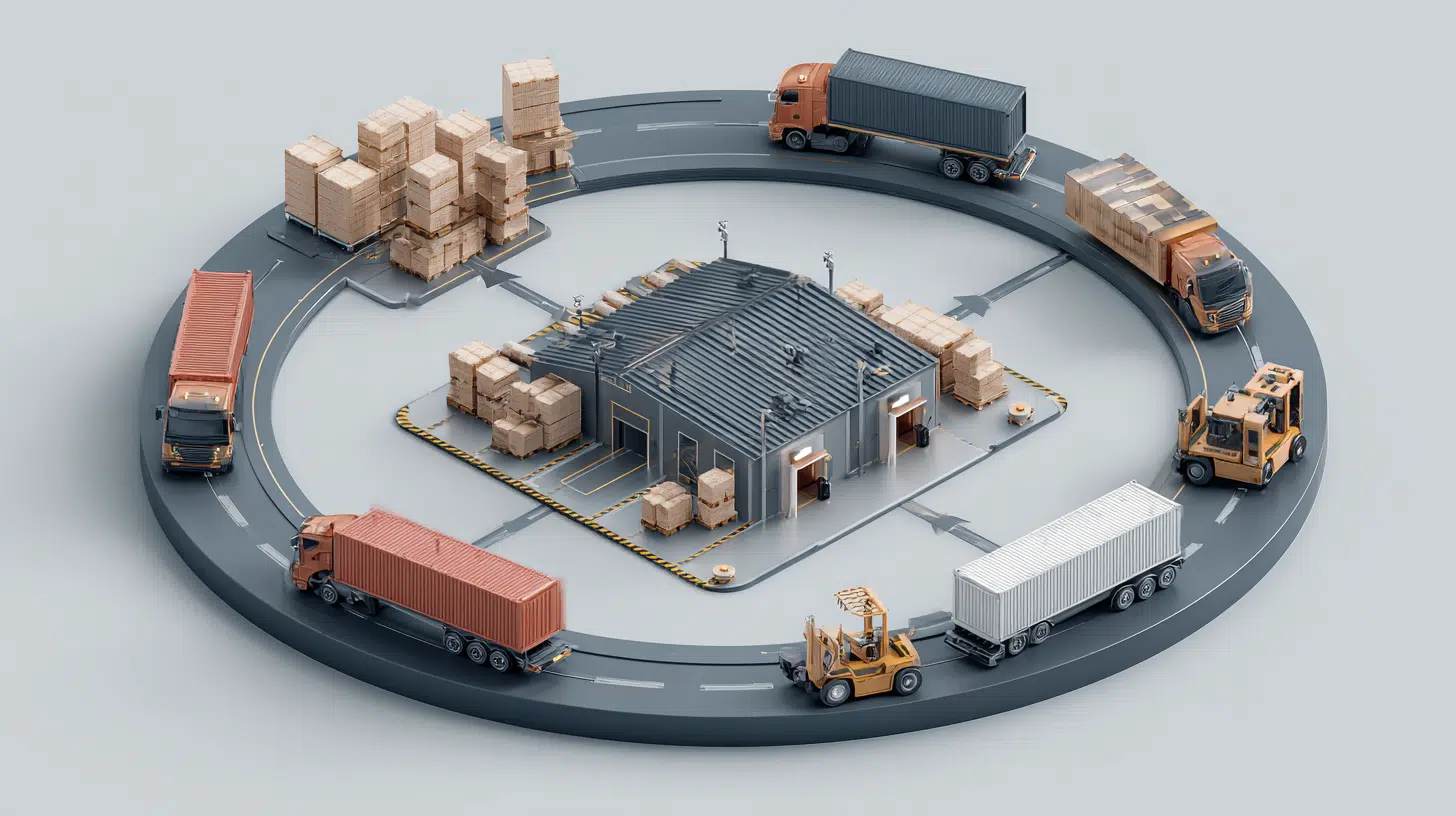
Logistics optimization improves how goods move, where inventory is stored, how available capacity is used, and how orders reach customers.
It works within real operating constraints such as transportation costs, delivery windows, vehicle capacity, warehouse space, labor availability, and customer requirements.
The important point is that these decisions are connected.
Changing a delivery route can affect vehicle utilization. Inventory stored farther from demand can increase transportation time and cost. Poor warehouse flow can delay orders before a truck even leaves the facility.
For that reason, optimization should not focus only on finding the cheapest route or reducing one expense. The better objective is to improve overall logistics performance while maintaining the service levels the business actually needs.
Signs Your Logistics Operation Needs Optimization
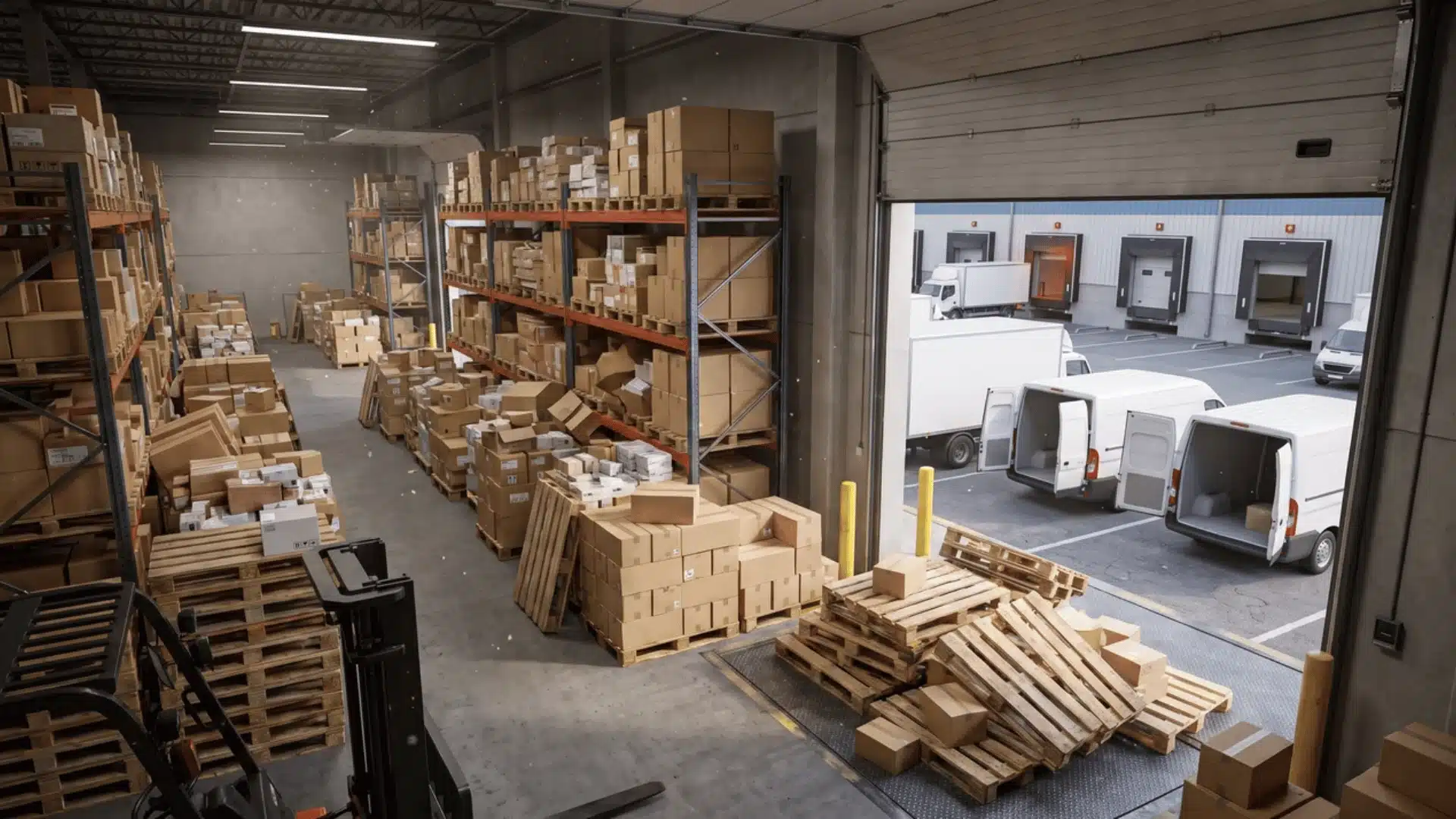
Optimization usually begins because performance has changed, not because a company suddenly decides to redesign its network.
Common internal warning signs include:
- Rising cost per delivery: Transportation spending increases even though shipment volume has not changed significantly.
- Lower warehouse throughput: Orders take longer to receive, pick, pack, or dispatch.
- Frequent fulfillment errors: Incorrect products, quantities, or destinations become more common.
- Poor inventory placement: One facility carries excess stock while another repeatedly runs short.
- Missed delivery windows: Late deliveries become a recurring operational problem.
- Low vehicle utilization: Trucks regularly leave with unused capacity.
External changes can create the same need.
Expanding into new regions, increasing order volumes, changing carrier rates, tighter delivery expectations, or new supplier locations can make an existing logistics setup less efficient. These signals indicate that a problem exists. The next step is finding where the actual constraint sits.
Core Areas of Logistics Optimization
Most logistics optimization work falls into five closely connected areas.
1. Route Planning
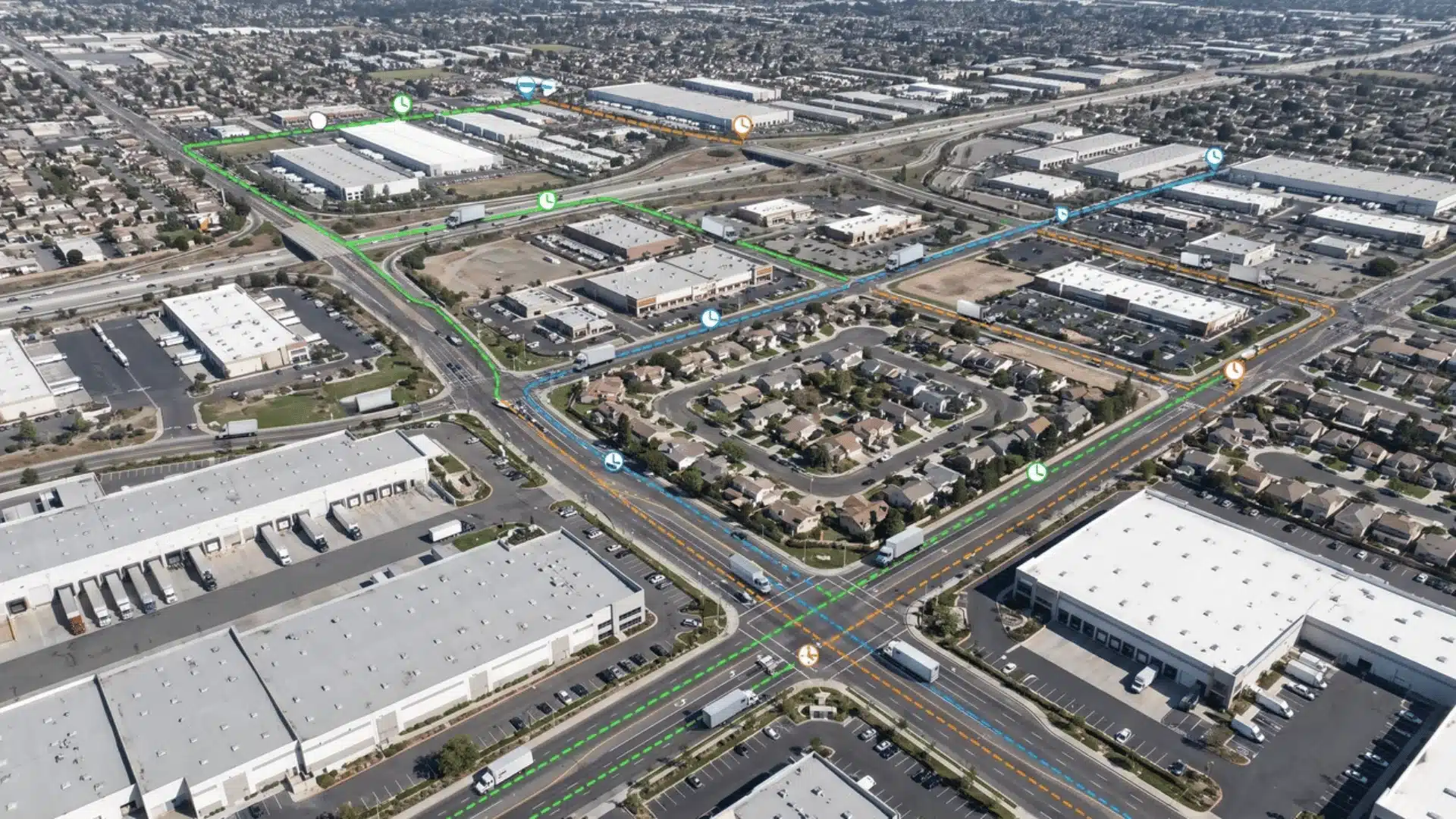
Route planning determines how vehicles should move between stops while considering traffic, distance, customer time windows, vehicle restrictions, and driver availability.
The shortest route is not necessarily the most efficient one.
A slightly longer route may perform better if it avoids congestion, serves more deliveries within their time windows, or makes better use of the available vehicle.
Route optimization works best when it is coordinated with load planning instead of being treated as a separate problem.
2. Load and Capacity Optimization
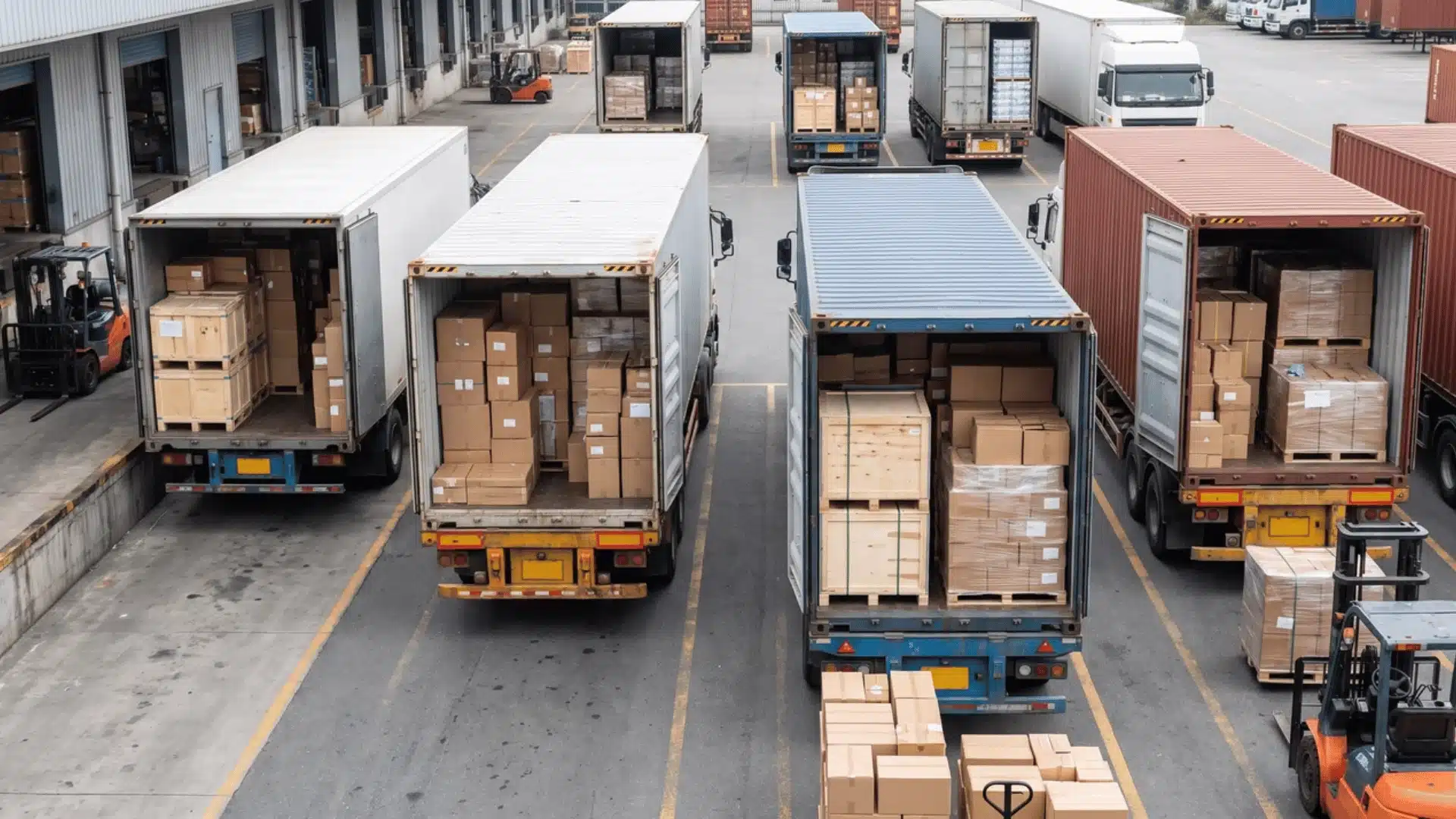
Load optimization determines how much freight can be moved efficiently in each vehicle, trailer, or container.
It considers factors such as:
- Weight
- Volume
- Product dimensions
- Loading sequence
- Delivery order
- Vehicle limits
Improving capacity utilization can reduce the number of trips required to move the same amount of freight. That lowers transportation spending without depending entirely on cheaper rates or shorter routes.
3. Warehouse Flow Optimization
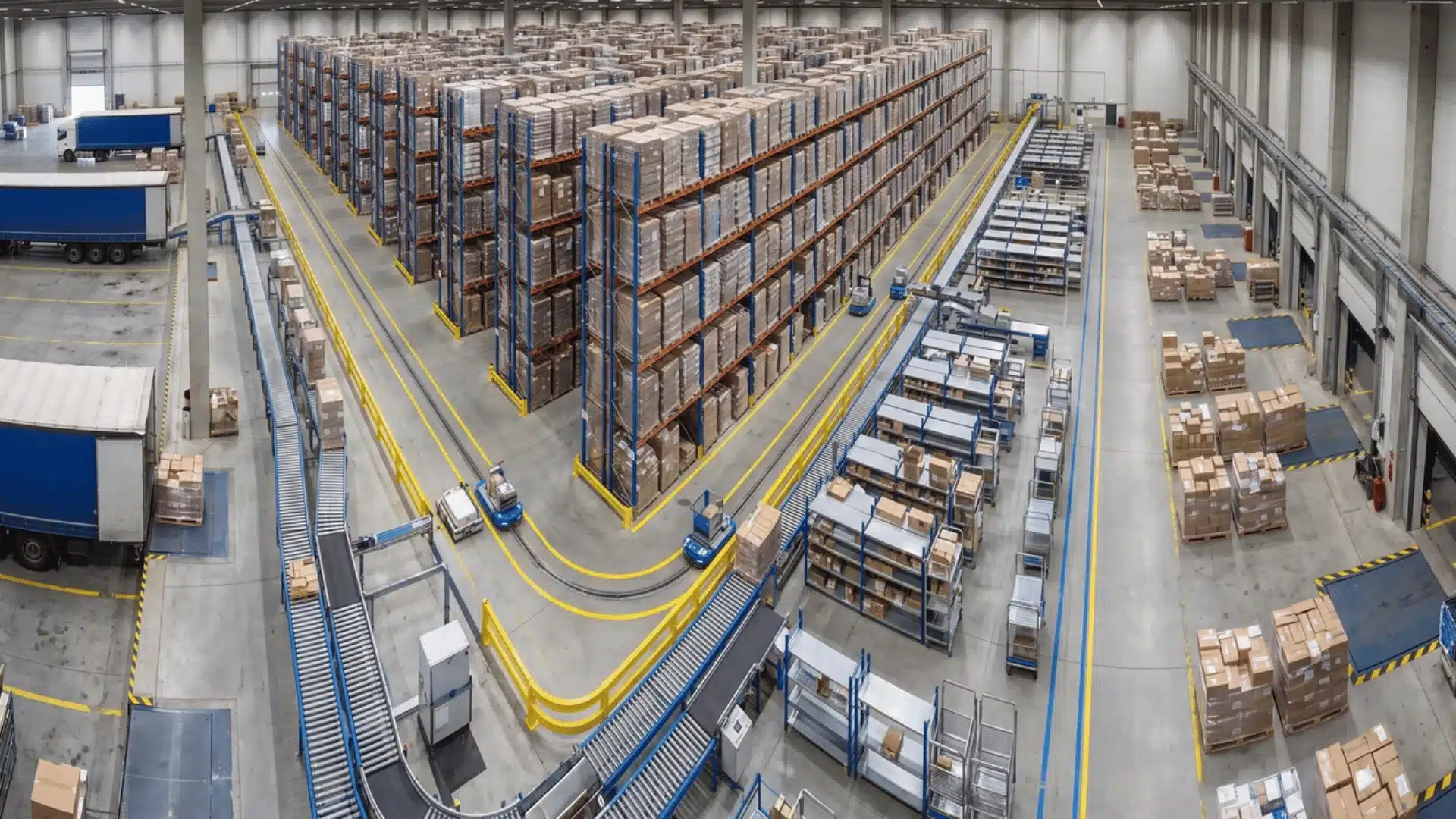
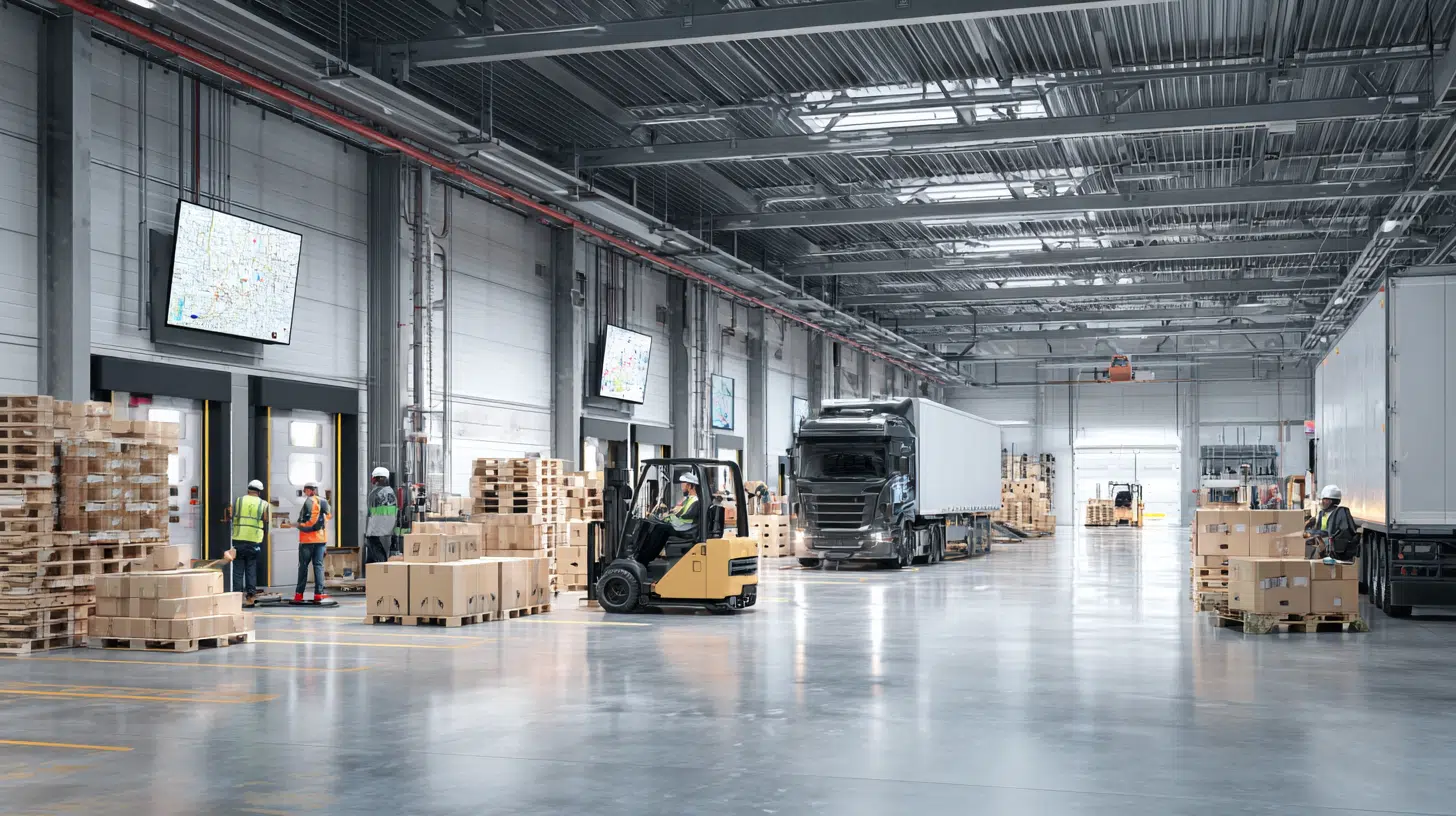
Warehouse optimization focuses on how goods move from receiving through storage, picking, packing, and shipping.
A poor layout increases internal travel and labor time.
Frequently ordered products may be stored too far from picking areas, replenishment may interrupt fulfillment, or loading docks may become bottlenecks during peak periods.
Improvement typically focuses on product placement, picking routes, labor allocation, dock scheduling, and storage utilization.
4. Inventory Positioning
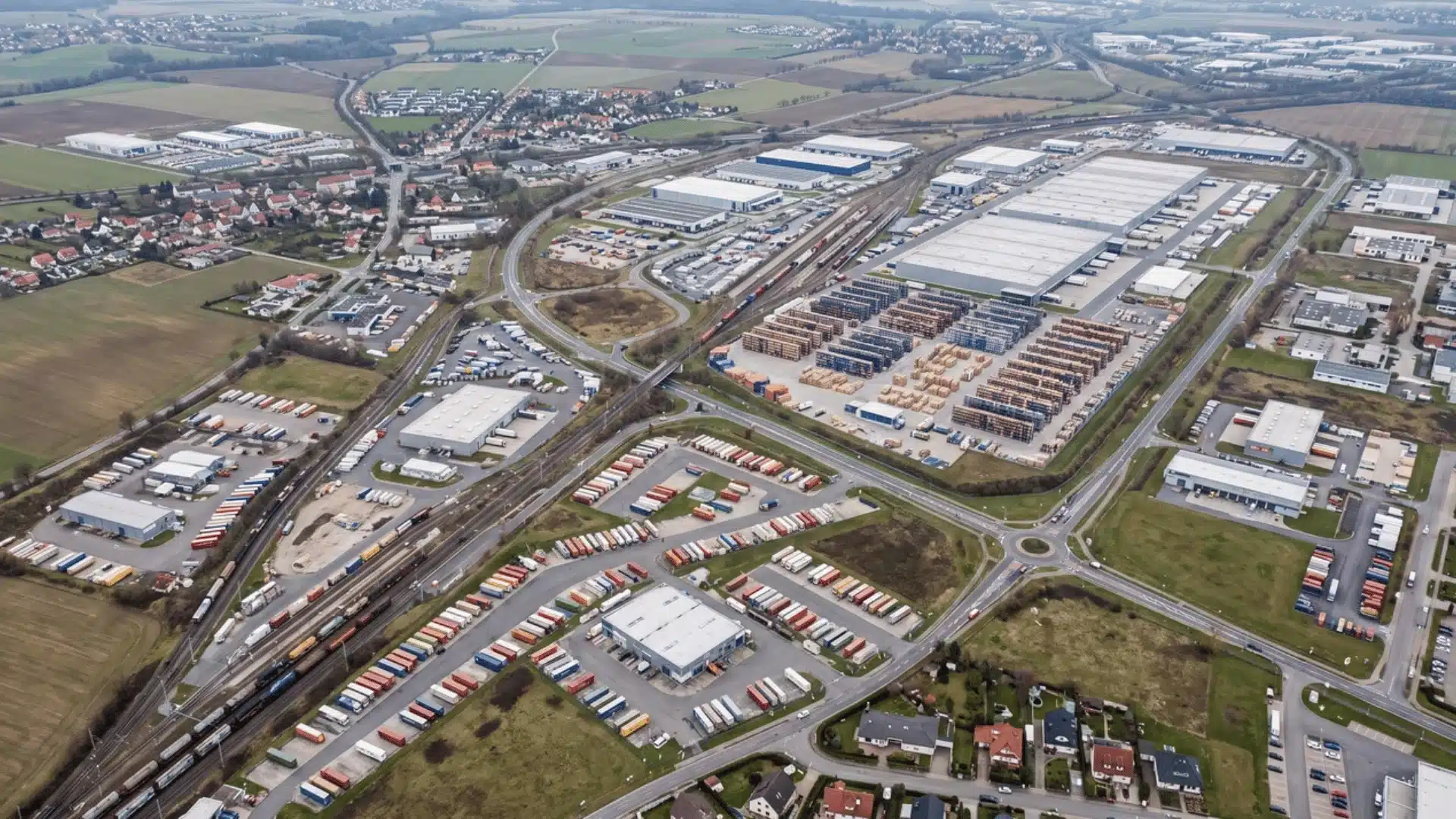
Inventory positioning determines where stock should sit in relation to demand. It directly affects transportation and fulfillment.
If inventory is stored far from the customers who need it, the company may rely on longer routes, expedited shipments, or transfers between facilities.
Effective positioning considers demand by location, lead times, safety stock, replenishment frequency, and service expectations. Getting inventory closer to the right demand can improve several logistics metrics at once.
5. Transportation Mode Selection
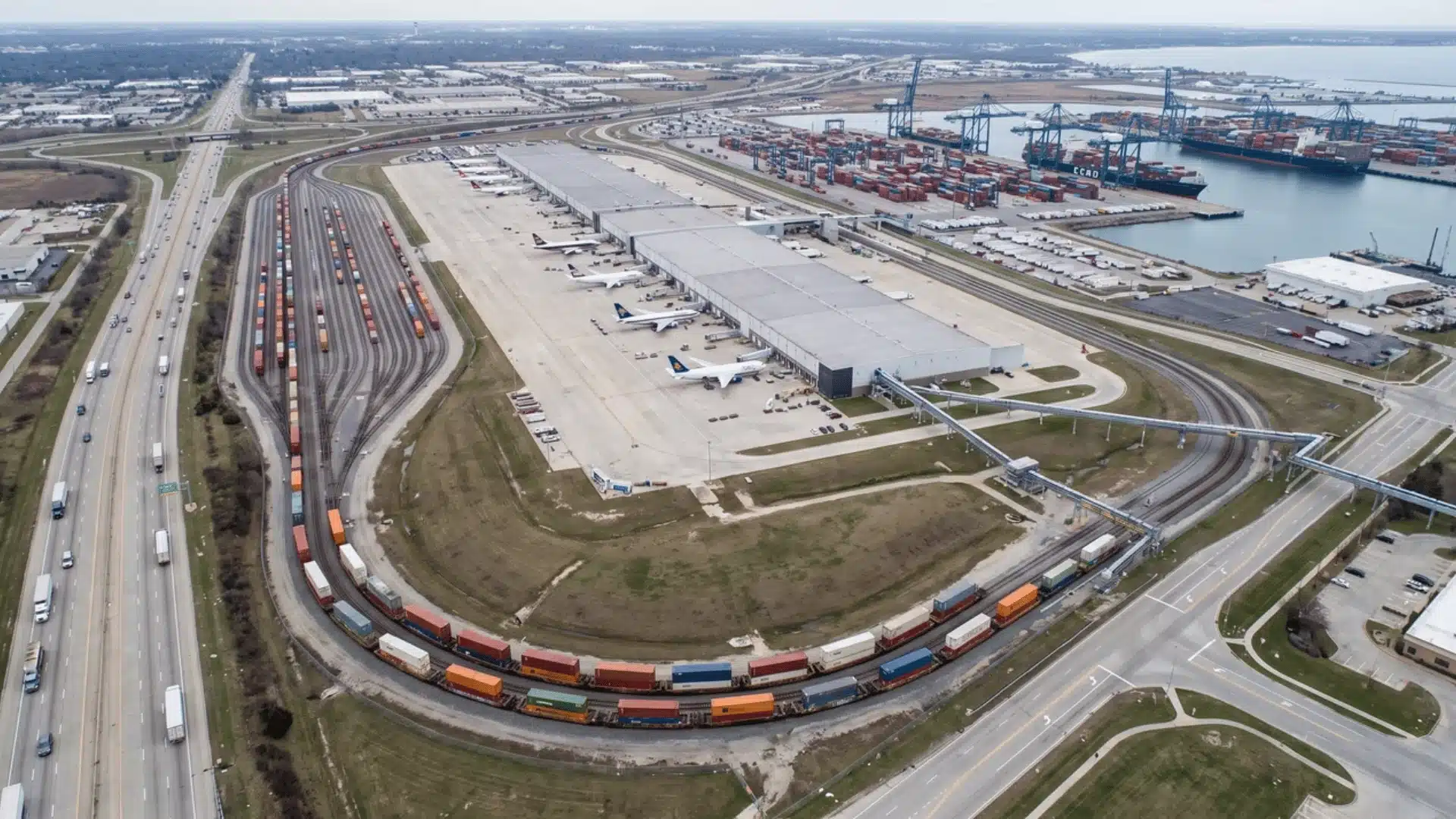
Mode selection determines whether freight should move by truck, rail, air, ocean, or a combination of modes. The cheapest mode is not always the best choice.
Each option involves different trade-offs in:
- Cost
- Transit time
- Reliability
- Capacity
- Shipment size
- Delivery flexibility
A slower mode may lower freight spending but require the company to carry more inventory. A faster mode may reduce lead time while significantly increasing transportation costs.
The right choice depends on the wider logistics objective.
How to Implement Logistics Optimization
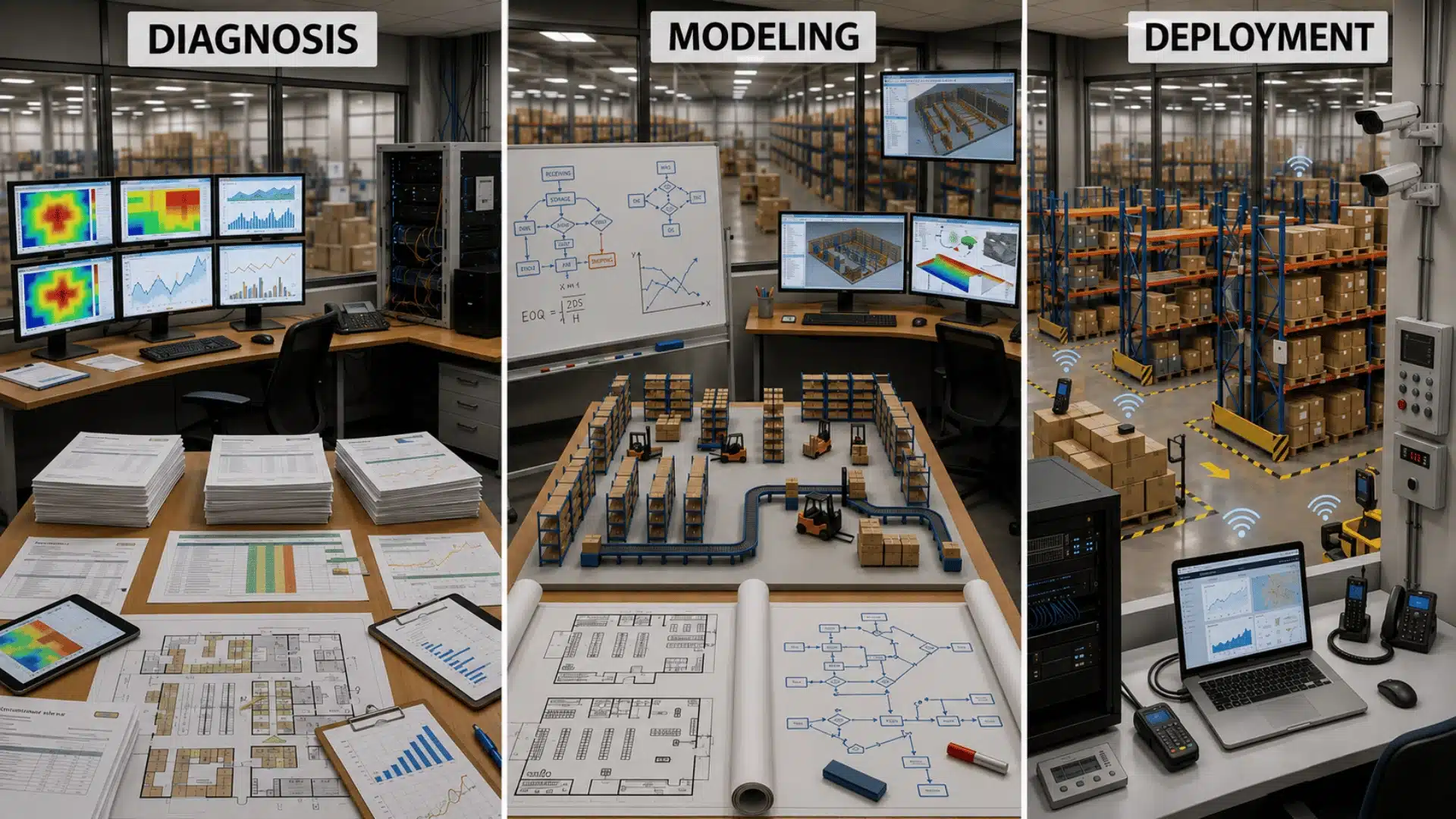
A phased approach is usually more practical than redesigning the entire logistics network at once.
Phase 1: Diagnose the Constraint
Start with current operating data.
Useful baseline metrics include:
- Cost per delivery
- Cost per mile
- Warehouse throughput
- On-time delivery rate
- Vehicle utilization
- Inventory turnover
- Fulfillment error rate
- Carrier performance
The goal is to identify where the biggest gap exists between expected and actual performance.
A transportation problem should not be treated as an inventory problem, and a warehouse bottleneck should not automatically trigger route changes.
Phase 2: Build and Compare Options
Once the problem is defined, model different ways to improve it.
A route problem may require changes to stop sequencing or vehicle assignments. Inventory problems may require different stock levels or facility allocation. Network problems can involve carriers, modes, warehouses, or distribution locations.
Do not judge an option only by its theoretical savings.
Compare:
- Expected cost
- Service impact
- Operational complexity
- Implementation difficulty
- Capacity requirements
- Risk
The best model is the one the operation can realistically execute.
Phase 3: Test the Change
Use a pilot, limited region, selected warehouse, or small group of routes before applying the change across the whole network.
Testing helps identify issues that historical data or mathematical models may not capture.
For example, a route plan may appear efficient until real loading delays, parking restrictions, or customer receiving practices are introduced.
Phase 4: Measure the Results
Compare post-change results against the original baseline. If the goal was to reduce transportation cost, also monitor delivery performance and vehicle utilization.
If the goal was to lower inventory, check whether stockouts increased. This prevents an apparent improvement in one metric from creating a larger problem elsewhere.
Phase 5: Adjust as Conditions Change
Demand, carrier rates, traffic patterns, customer requirements, and inventory levels do not remain constant.
Optimization therefore needs periodic review.
The frequency depends on the operation. Dynamic last-mile networks may require frequent adjustments, while warehouse layouts or distribution networks may need less frequent reviews.
Where Logistics Optimization Commonly Fails
Optimization projects often fail because the implementation does not reflect how the operation actually works.
Three problems appear repeatedly.
- Optimizing one area in isolation: Faster routes may provide little value if vehicles remain poorly loaded or inventory is stored in the wrong facilities.
- Using inaccurate data: Old demand patterns, outdated carrier rates, incorrect travel times, or missing capacity limits can produce recommendations that are unusable from the start.
- Ignoring operational constraints: A mathematically efficient plan can fail if drivers, warehouse teams, carriers, or facilities cannot execute it consistently.
Another common mistake is chasing the lowest possible cost.
A cheaper transportation plan is not truly optimized if it causes missed delivery windows, higher inventory levels, or frequent expedited shipments.
The target should be the best overall operating result, not simply the lowest number in one cost category.
Logistics KPIs That Show Whether Optimization Is Working
The right metrics depend on the problem being solved, but several KPIs are useful across logistics operations.
- Transportation cost per shipment: Shows whether freight spending is becoming more efficient.
- Vehicle utilization: Measures how effectively available truck capacity is being used.
- Empty-mile percentage: Identifies unnecessary vehicle movement without productive freight.
- On-time delivery rate: Shows whether cost improvements are affecting service quality.
- Order cycle time: Measures how quickly orders move through fulfillment.
- Warehouse throughput: Tracks how efficiently products move through a facility.
- Inventory turnover: Indicates how effectively stock is being used.
- Perfect order rate: Measures whether orders arrive complete, accurate, undamaged, and on time.
Avoid tracking every available metric. Start with the KPIs connected directly to the original problem.
Logistics Optimization vs. Supply Chain Optimization
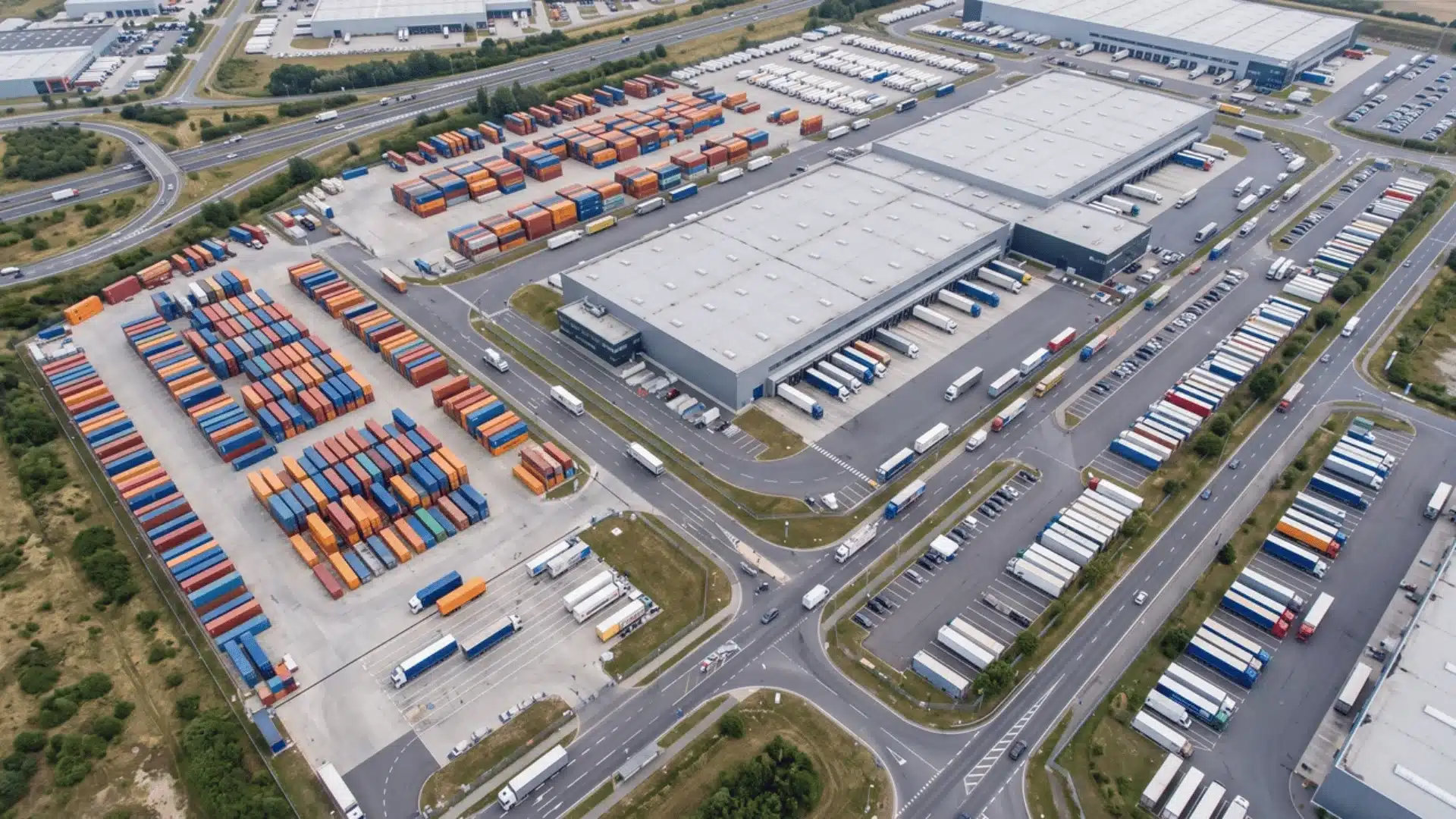
Logistics optimization handles movement and storage, while supply chain optimization covers the wider network that supports sourcing, production, and delivery.
| Area | Logistics Optimization | Supply Chain Optimization |
|---|---|---|
| Scope | Movement, storage, and delivery | Entire supply chain network |
| Transportation | Routes, carriers, freight, delivery | Transportation strategy across the network |
| Inventory | Inventory placement and movement | Inventory planning across suppliers and facilities |
| Warehousing | Storage, picking, fulfillment | Warehouse role within the wider network |
| Procurement | Usually limited involvement | Supplier selection and purchasing |
| Production | Generally outside its scope | Manufacturing and production planning |
| Main Goal | Improve logistics efficiency | Improve overall supply chain performance |
Both areas are closely connected, but understanding their different scopes helps you choose the right approach for each operational problem.
Conclusion
Better logistics comes from fixing the right constraint, not changing everything at once. You need clear data, realistic operating limits, and a way to measure whether each change actually improves performance.
The strongest logistics optimization efforts connect routing, capacity, inventory, warehouse flow, and transportation choices instead of treating them as separate problems. I also recommend testing changes in stages and tracking the KPIs tied directly to your original goal.
That approach helps you avoid short-term savings that create bigger problems elsewhere. Use your current performance data to find the biggest pressure point, apply the most practical improvement, and measure the result. Then share your experience or check out related logistics topics for your next step.
Frequently Asked Questions
What Data Do You Need for Logistics Optimization?
Start with order volumes, customer locations, delivery times, transportation costs, inventory levels, warehouse throughput, vehicle capacity, carrier performance, and demand history. The exact data depends on the problem being solved. Establish reliable baseline data before modeling changes.
Can Small Businesses Benefit From Logistics Optimization?
Yes. Small businesses do not necessarily need complex optimization software. Improvements in route sequencing, delivery scheduling, shipment consolidation, inventory placement, and carrier selection can produce meaningful savings. The process still begins by identifying a measurable problem and comparing results after changes are made.
How Often Should Logistics Operations Be Reoptimized?
There is no fixed schedule. Review decisions when demand, carrier rates, customer locations, transportation capacity, inventory patterns, or service requirements change significantly. Fast-changing delivery networks may need frequent optimization, while facility and warehouse decisions generally change less often.
What Is the Main Goal of Logistics Optimization?
The goal is to use transportation, inventory, warehouse space, labor, and capacity more efficiently while maintaining required service levels. Cost reduction is important, but an optimized operation also considers delivery performance, reliability, capacity, and customer requirements.