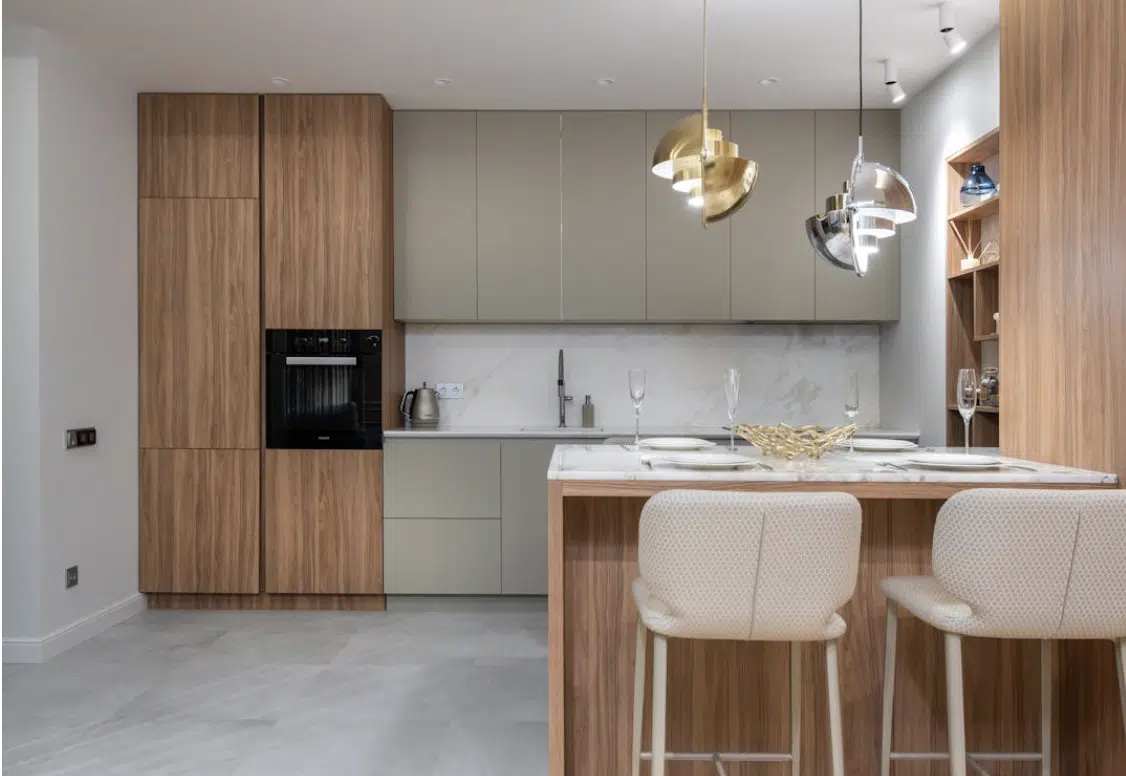
The kitchen is often called the heart of the home. It is where we cook, eat, and gather with family. Because the kitchen island is usually the focal point of this space, choosing the proper lighting is one of the most important design decisions you will make. Proper kitchen pendant lighting does more than brighten up a room; it sets the mood, defines your style, and ensures you have enough light to prepare meals safely.
Whether you are building a new home or just looking to refresh your current space, understanding how to select and place your fixtures is key. This guide will walk you through everything you need to know about island pendant lights, from basic design rules to installation details.
Pendant Lights Over Island – The Essential Design Rules
When you start looking for pendant lights over an island, it is easy to get overwhelmed by the thousands of options available. However, great design follows a few essential rules that create a balanced, functional look. The primary goal is to combine “task lighting” with “ambient lighting.” Task lighting helps you see what you are doing while chopping vegetables, while ambient lighting creates a warm glow for the whole room.
To keep your kitchen looking professional and polished, consider these core principles:
- Maintain Visual Balance: Your lighting should complement the size of your island. If you have a massive marble countertop, tiny lights will look lost. Conversely, huge fixtures over a small island can make the kitchen feel cramped.
- The Power of Odd Numbers: In design, the “Rule of Three” is a classic. Using three kitchen pendants often creates a more pleasing visual rhythm than using two or four. For tiny islands, a single prominent fixture can also work beautifully.
- Coordinate with Other Lighting: Your island lights do not exist in a vacuum. They should coordinate with your recessed “pot lights” and any nearby dining room chandeliers. They don’t have to match perfectly, but they should share a similar finish or “vibe.”
Using pendant lights over the island effectively means considering how the light falls on the surface. You want to avoid creating harsh shadows where you are working.
Modern Kitchen Island Pendant Lights – Sleek Designs & Minimalist Trends
If you prefer a clean, contemporary look, you are likely searching for pendant lights with sharp lines and simple shapes. Modern kitchen island pendant lights have evolved significantly over the last few years. We are seeing a shift away from heavy, ornate traditional styles toward fixtures that feel light, airy, and sculptural.
The current trends focus on “less is more.” Here are some popular styles for modern kitchen island pendant lights:
- Glass Globes: Clear or frosted glass globes offer a timeless look that works in almost any setting. Clear glass allows the light to spread further, making the room feel larger and more open.
- Linear Pendants: Instead of hanging three separate lights, many homeowners are choosing a single long linear fixture. This is a great way to simplify your kitchen pendant lighting while providing even light across the entire counter.
- Industrial Chic: Featuring metal shades, Edison bulbs, and matte finishes, this style adds a bit of “edge” to the kitchen. It is perfect for lofts or homes with a rustic-modern aesthetic.
When choosing pendant light fixtures for the kitchen, consider the materials in your space, such as your cabinet hardware and faucet.
How to Choose Kitchen Pendants – Size, Height, and Quantity Guide
One of the most common questions homeowners ask is: “How big should my kitchen pendants be?” Size is critical because it dictates the scale of the room. A general rule of thumb is to subtract 12 inches from the width of your island; the remaining number is the maximum combined width your lights should occupy.
To help you decide on the right island pendant lights, follow these measurement tips:
- Calculate the Diameter: For a standard-sized island, fixtures 10 to 18 inches wide are usually the safest bet. If you are using only two lights, you can go slightly larger to fill the space.
- The Spacing Gap: Always leave about 30 inches of space between each light. This prevents the area from looking cluttered and ensures that the light spreads evenly across the island’s surface.
- Determining Quantity: Measure the length of your island. Usually, you want a light every 24 to 30 inches. If your island is 6 feet long, two large pendants or three medium pendants will work perfectly.
Choosing the right kitchen pendants is a mix of math and intuition. If you aren’t sure, you can cut out cardboard shapes the size of the lights and hang them from the ceiling with a string to see how they look.
Hanging Lights Kitchen – Installation Tips & Spacing Over Islands
Once you have purchased your dream hanging lights kitchen, it is time to focus on the installation. The most critical measurement here is the height. If the lights are too high, they won’t provide enough task lighting; if they are too low, they will block your view of the rest of the room or, worse, you might bump your head on them.
Here are the professional standards for installing hanging lights in the kitchen:
- Standard Hanging Height: Most designers recommend hanging the pendant 30 to 36 inches above the countertop. This height usually provides a clear line of sight across the kitchen while still keeping the light focused on the workspace.
- Account for Ceiling Height: If you have very high ceilings (10 feet or more), you might want to hang the lights slightly higher – around 40 inches above the counter – to keep the proportions looking right.
- Use Dimmers: This is a pro-tip that many people forget. Always install a dimmer switch for your pendant lights over the island. This allows you to have bright light for cooking and soft, low light for evening entertaining.
Properly installed hanging lights in the kitchen transform the room from a simple utility space into a sophisticated living area.
Pendant Light Fixtures for Kitchen – Materials, Finishes & Bulb Types
The final step in your journey is selecting the specific pendant light fixtures for the kitchen. The finish of the fixture – whether it is gold, black, chrome, or wood – acts like jewelry for your home. You want a finish that stands out without clashing with your appliances.
When browsing for pendant light fixtures for the kitchen, pay attention to these details:
- Metal Finishes: Matte black is incredibly popular for its versatility, while brushed brass adds a touch of luxury and warmth. Chrome and nickel are classic choices that reflect light and feel very clean.
- Shade Materials: Metal shades provide “downlight,” focusing all the brightness on the counter. Fabric or glass shades provide “diffused light,” which glows in all directions and creates a softer atmosphere.
- Bulb Temperature: Don’t forget the light bulbs! For the kitchen, look for bulbs in the 3000K to 3500K range. This “warm white” light is bright enough for tasks but still feels inviting rather than clinical.
Your choice of island pendant lights should reflect your personality. Whether you want a bold statement piece or something that blends into the background, the proper lighting will make your kitchen feel complete.
In conclusion, finding the perfect kitchen pendant lighting is all about balance. By following the rules of height, size, and spacing, you can create a beautiful and functional space. Remember to choose pendant light fixtures for the kitchen that complement your existing decor, and don’t be afraid to mix styles to create a unique look. With the right island pendant lights, your kitchen will truly become the shining center of your home.