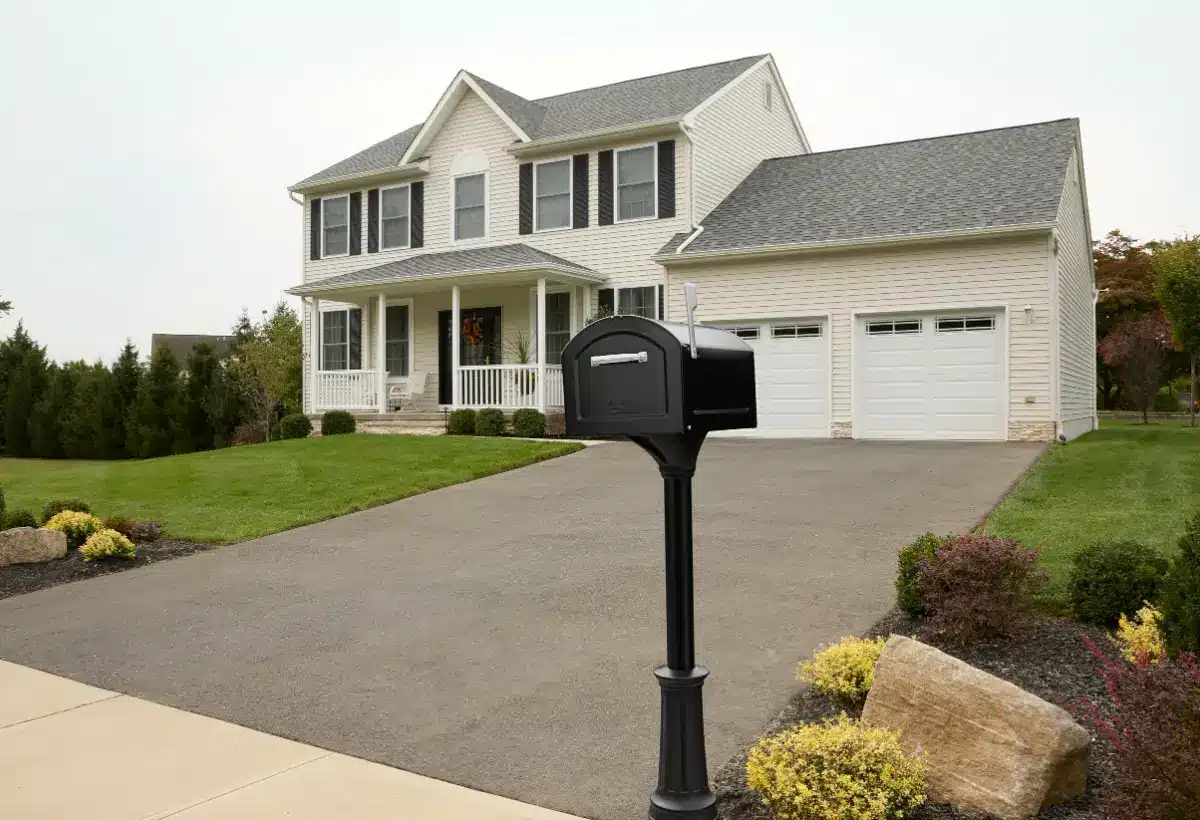
Choosing a new letterbox can feel overwhelming once you start looking into guidelines and requirements. This fixture is one of the first things people notice, quietly contributing to your property’s overall look while also serving a practical, everyday purpose. It keeps your mail and packages safe while withstanding the elements.
However, what looks good at first glance might not always be the most practical option for your space or lifestyle. That said, think about what you need to avoid frustration down the line. Let’s walk you through the key factors to consider so you can choose a letterbox that’s not only functional but also looks good .
Modern vs Traditional
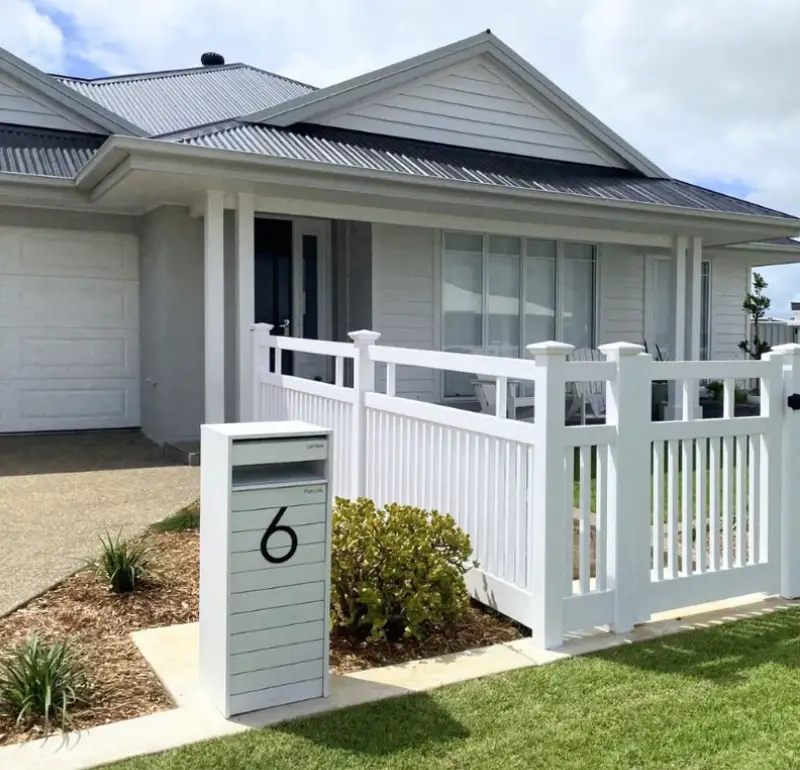
One of the first things to think about when choosing a mail receptacle is the overall style you’re drawn to. Do you prefer something classic and traditional, or are you leaning more towards a modern, streamlined look? This choice can shape how well the fixture fits in with the rest of your home.
If your exterior has a more contemporary feel or is located somewhere on the shore, a sleek coastal letterbox can work beautifully. With its clean lines, simple structure, and understated colour palette, it brings a fresh, stylish touch without feeling overdone. This kind of design blends effortlessly into modern spaces while still standing out subtly.
On the other hand, if your home has a more timeless or heritage-inspired look, you might find yourself gravitating towards a more classic design. It comes down to choosing a style that feels right for your space and reflects your personal taste.
Compliance With Standards and Regulations
Before getting too caught up in styles and finishes, make sure your choice meets local guidelines. Councils and postal services set certain requirements to keep deliveries running smoothly, and overlooking these can cause unnecessary hassle.
Things like visibility, easy access, and proper placement make sure your mail arrives without issue. If your letterbox is hard to spot or awkward to reach, it can slow things down or even lead to missed deliveries. Additionally, wear and damage can affect how well it functions over time. If you take these practical details into account early on, you can make life easier for both you and the person delivering your mail.
Mounting Options
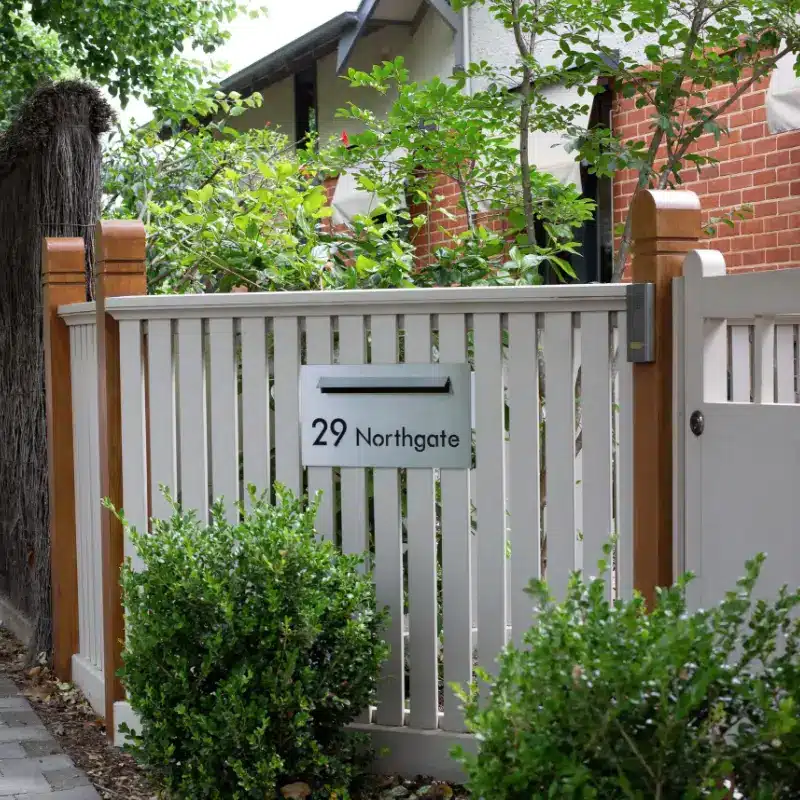
How you choose to mount your mailbox will largely depend on the layout of your front space and how much room you have to work with. Getting the right placement can help transform your outdoor space and make it feel more cohesive. This plays a big role in convenience and how easily your mail can be delivered.
- Freestanding options, like many coastal mailboxes, work well in open areas, especially if you have clear access from the street. They’re simple to install, whether set into the ground or fixed onto a concrete base, and they offer flexibility if you ever want to reposition things.
- A built-in letterbox creates a more seamless finish, sitting neatly within a wall or fence. This approach is ideal if you’re after a clean, integrated look that feels like part of the overall structure rather than an add-on.
- Multibank styles are perfect for shared spaces like duplexes or small complexes. They offer a consistent, organised appearance while still being practical.
Material Choice
The material has a big impact on how well letterboxes hold up over time. It doesn’t matter how they look on day one, but how they perform after years of sun, rain, and daily use. Go for something well-made from the start to avoid a lot of hassle down the line.
High-quality metals like aluminium or mild steel are popular for a reason. They offer strength without feeling bulky. When finished with a durable coating, they’re built to handle the elements without rusting or fading too quickly. This kind of protection is especially important if your home is exposed to harsher weather conditions.
If you live near the coast, where salt in the air can speed up corrosion, materials like aluminium or stainless steel are a smarter choice. These kinds of coastal letterboxes are better suited to that environment and will keep their appearance for longer.
That said, metal isn’t your only option. Wood can be a stylish choice, especially if your outdoor space already features natural elements like teak loungers or timber accents. It brings a warm, more relaxed feel while still making a statement when cared for properly.
Sizing
How do I know what size letterbox I need? Even small variations can affect the look and practicality of mailboxes, so think about your everyday needs before deciding. If you regularly receive larger items like A4 envelopes or bulkier deliveries, opt for a more spacious design.
Most modern designs are already made with standard mail sizes in mind, so you won’t usually have to worry about items not fitting. Choosing the right size simply ensures that your mail arrives safely and your space looks neat and well-proportioned.
Numbering
How you display your address details can also shape the final look. Some people prefer numbers placed directly on the surface for a clean, integrated finish, while others prefer a separate plate for a bit more contrast and definition. There’s also plenty of room to personalise the look and match the style to your home’s exterior, with finishes like gold, silver, black, or stainless steel.
If you want something a bit more unique, add extra details such as a street name or surname. These small touches don’t just help with identification, they also add character and make the overall design feel more personalised.
Colour Palette
With a wide range of powder coat options available, it’s much easier to find a shade that either blends in beautifully or creates a subtle contrast with your home’s exterior. An approach many find helpful is to match tones to existing features such as window frames, gutters, or garage doors. This helps create a more unified and intentional look, rather than something that feels like an afterthought.
It’s usually best to avoid matching too closely with brick or render, as that can sometimes make things feel a bit flat or overwhelming. Instead, pick up on accent colours to create a balanced and appealing look.
Extra Features
Beyond the basics, it’s often the extra features that make a letterbox feel more practical on a daily basis. Small additions, like newspaper slots for bulkier items or simple “no junk mail” signs, can make managing deliveries much more convenient without changing the overall look or design.
These little touches might seem minor, but they can improve how the fixture works for you in everyday use. This makes things easier, more organised, and better suited to your routine. When chosen thoughtfully, these features add a layer of functionality that complements the design rather than taking away from it.