Trading the continental grid for island living is a dream shared by many, but relocating to Hawaii involves far more than booking a one-way flight and packing a suitcase. Moving across 2,500 miles of open Pacific ocean requires navigating a unique transoceanic supply chain, strict agricultural regulations, and distinct lifestyle adjustments.
Whether you are relocating for a new career, military placement, or a fresh tropical chapter, here is your comprehensive guide to planning a smooth transition from the mainland to the Hawaiian Islands.
1. Understand Hawaii’s Unique Import Regulations
Because Hawaii is an isolated island ecosystem, the state maintains strict biosecurity measures to protect its agriculture, livestock, and native wildlife.
- Strict Pet Quarantine Laws: Hawaii is a rabies-free state. Bringing a dog or cat requires careful pre-planning to qualify for the Direct Airport Release (DAR) program. This involves rabies vaccinations, blood titer tests (FAVN), microchipping, and a waiting period. Without proper advance documentation, your pet could face a mandatory 120-day quarantine at your expense.
- Vehicle Inspection Standards: When shipping a car to Hawaii, it must be thoroughly cleaned—inside, outside, and undercarriage—to clear Hawaii Department of Agriculture inspections upon arrival. Personal items cannot be packed inside vehicles shipped via standard ocean vessels.
2. Choose the Right Shipping and Logistics Options
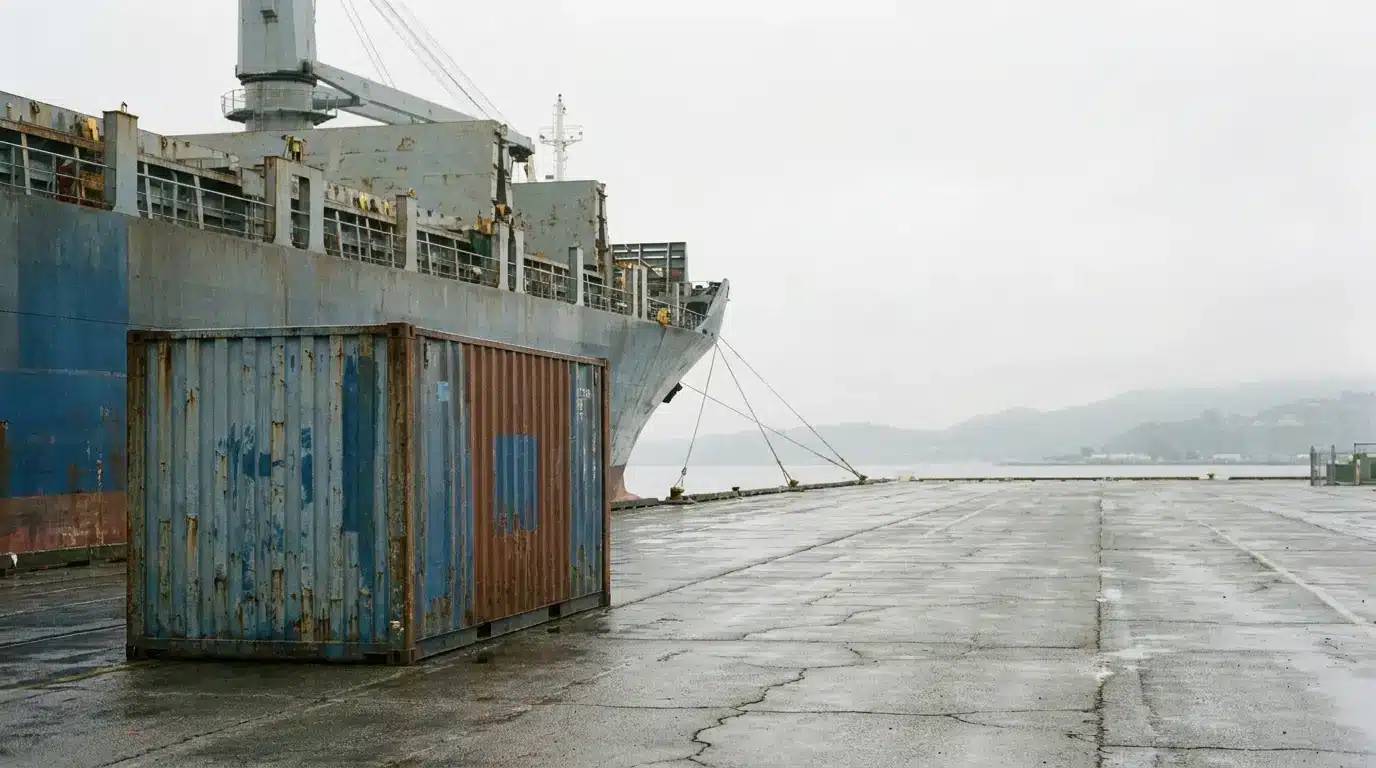
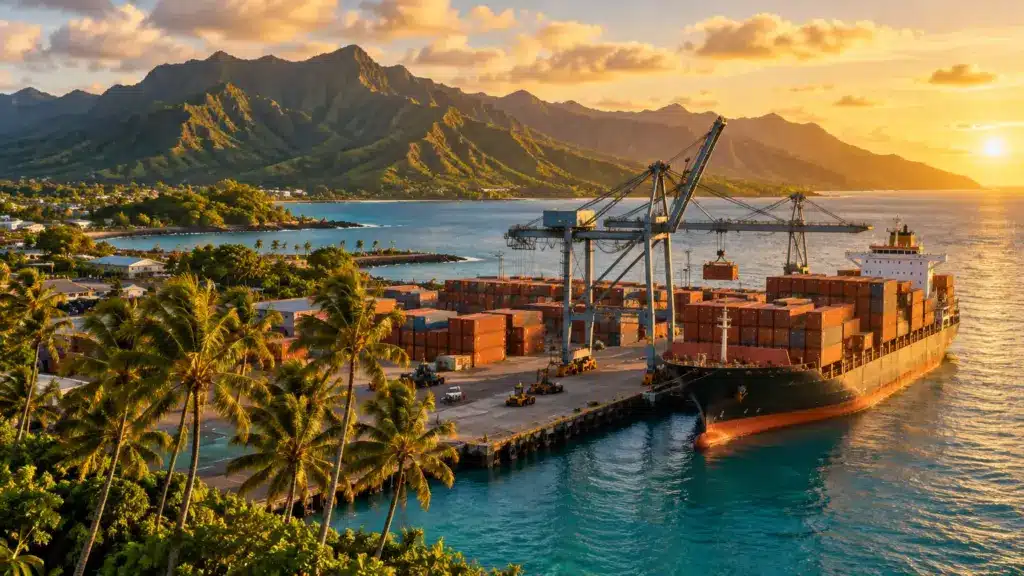
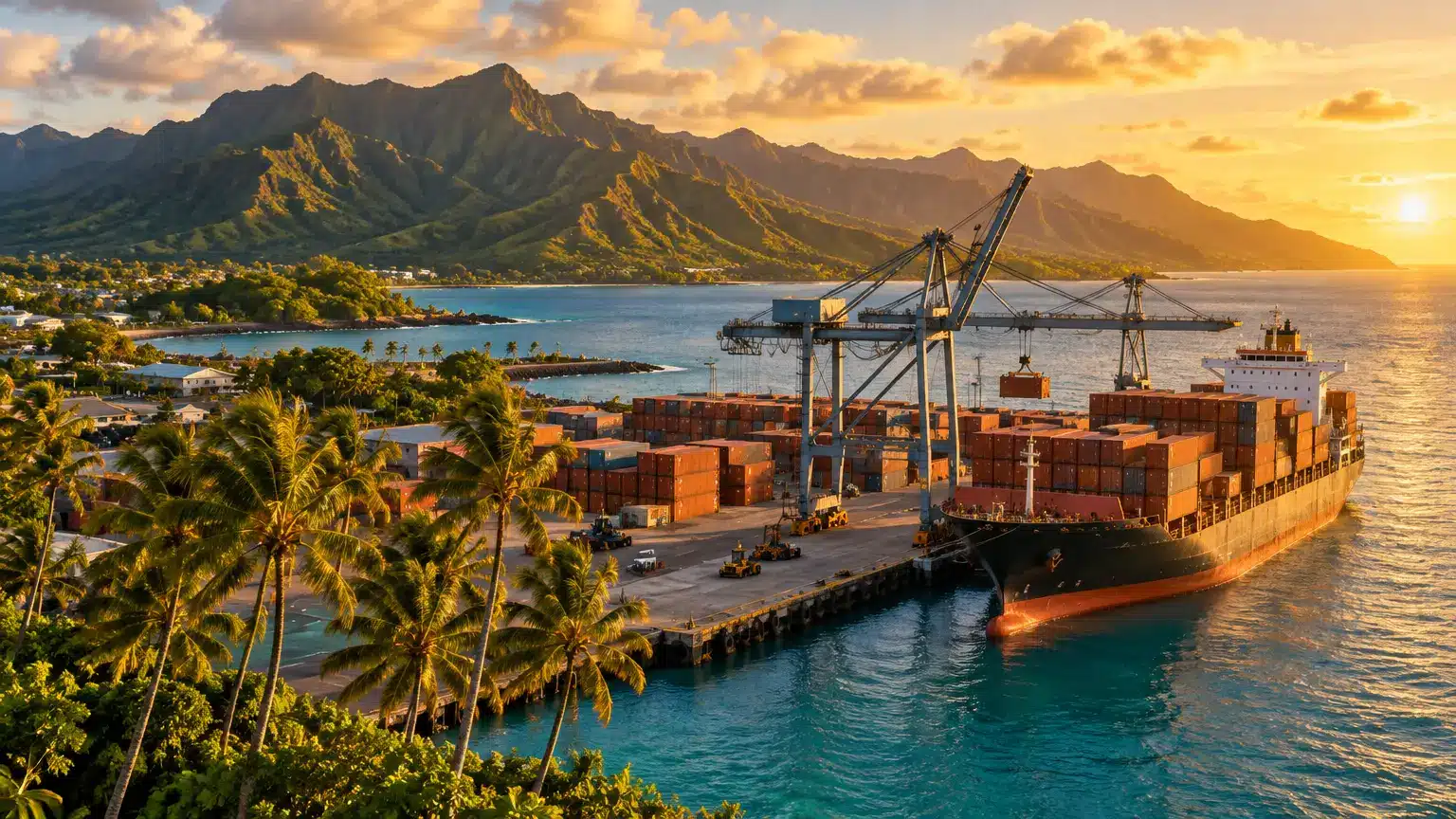
Since you cannot drive a moving truck to the islands, your household goods must travel aboard maritime cargo ships. Understanding your ocean container options helps control costs and timelines:
Mainland to Hawaii Ocean Shipping Pipeline
- Packing: Custom crating & moisture-proof wrapping
- Port: Transit to West Coast port (Oakland, Long Beach, etc.)
- Ocean: 1 to 3 weeks ocean freight transit across Pacific
- Island: Offload at island port & doorstep delivery
- Full Container Load (FCL): Recommended for whole-home moves (2–4 bedrooms). A 20-foot or 40-foot container is delivered to your mainland home, sealed, shipped across the Pacific, and delivered directly to your new island address.
- Less Than Container Load (LCL): Ideal for smaller apartments or partial moves. You share container space with other shipments and pay only for the volume (cubic feet) your items occupy.
- Portable Relocation Pods: Containers delivered to your driveway allow you to pack at your own pace before being transported to West Coast ports.
Once your shipment lands at an island port (such as Honolulu on Oahu, Kahului on Maui, or Hilo/Kona on the Big Island), trusted local movers in Hawaii manage the final leg—navigating island roads, offloading containers, and unpacking your belongings safely.
3. Downsize Before You Pack
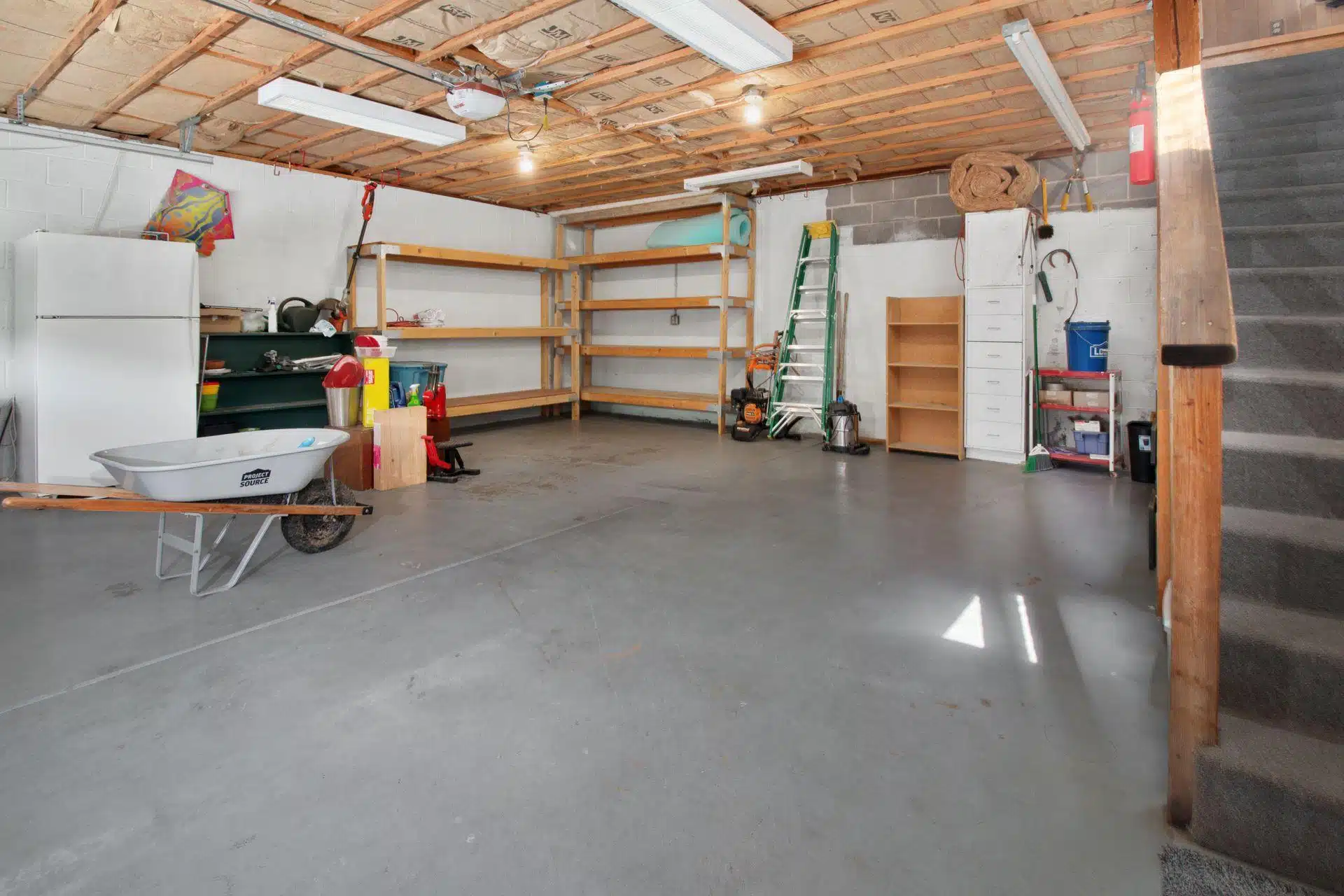
Shipping costs across the Pacific are determined primarily by weight and cubic volume. The most effective way to keep your relocation budget manageable is to downsize aggressively before loading a container:
- Leave Heavy Furniture Behind: Thick, heavy wood furniture or plush velvet couches do not always suit Hawaii’s humid, tropical climate. Light rattan, bamboo, or minimalist designs are far better suited to island homes.
- Sell Unnecessary Items: Standard winter wardrobes, heavy blankets, and bulky outdoor gear can be sold or donated on the mainland.
- Bring High-Value Essentials: Focus on shipping family heirlooms, specialized electronics, and high-quality kitchenware that are expensive to replace locally due to island retail markups.
4. Prepare for the “Island Time” Transit Window
Ocean freight crossing the Pacific takes time. On average, shipments from the West Coast take 2 to 4 weeks to arrive at your island home, while shipments originating from the East Coast or Midwest can take 3 to 6 weeks.
To ensure a seamless transition while waiting for your container:
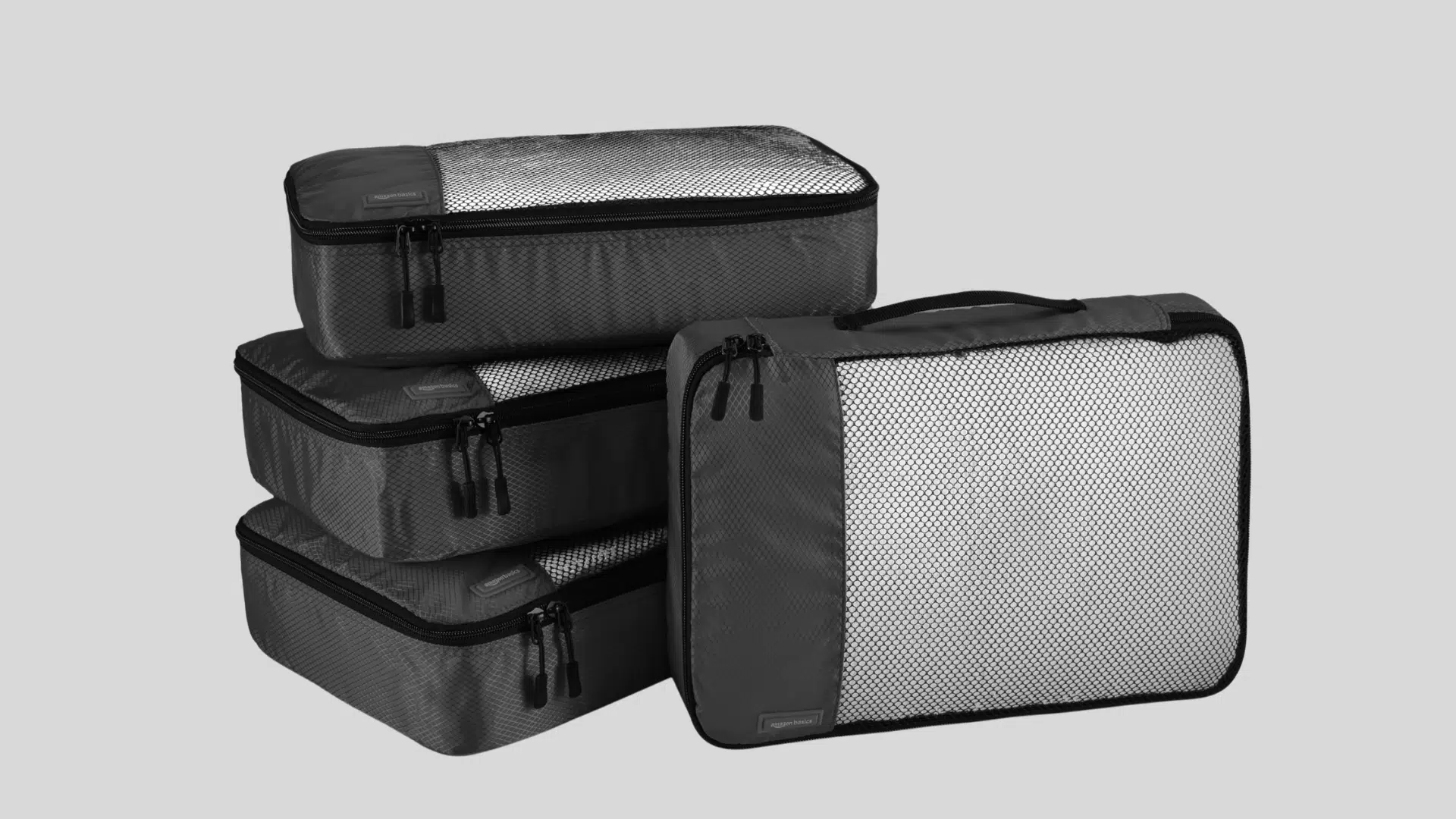
- Pack Extended Luggage: Carry several weeks of clothing, essential work attire, toiletries, and inflatable air mattresses in your checked bags.
- Keep Vital Documents on Hand: Keep birth certificates, employment contracts, medical records, and pet health documentation in your carry-on luggage.
Final Thoughts
Relocating to Hawaii is an exciting journey toward a simpler, outdoor-oriented lifestyle. By completing pet and vehicle requirements early, downsizing your household, and partnering with experienced movers in Hawaii to handle doorstep ocean delivery, you can settle into your new home with complete peace of mind.