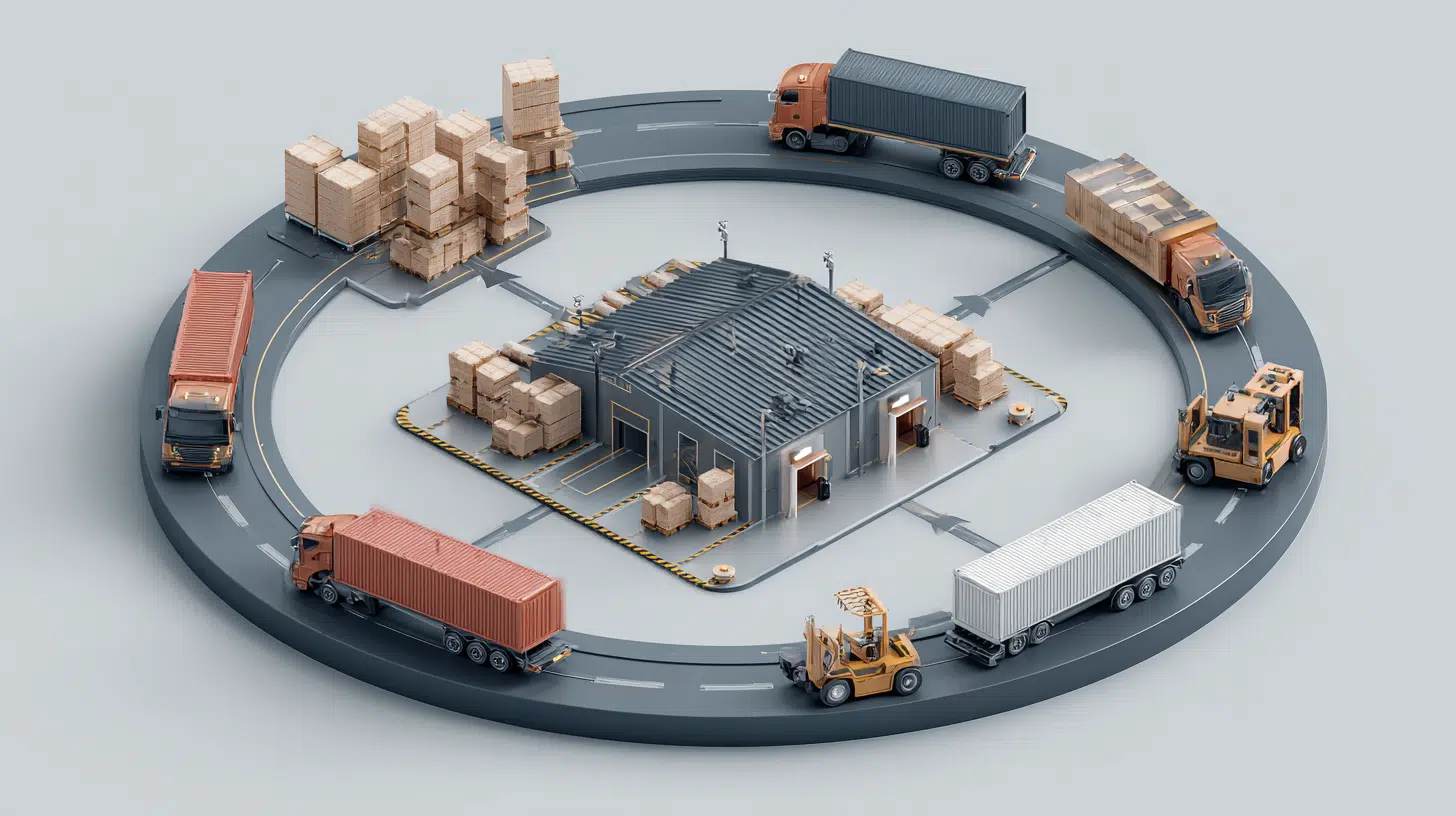

Last-mile delivery presents a complex challenge for logistics operators. Businesses must coordinate delivery schedules, vehicle availability, and operating costs while maintaining reliable service.
Electric motorcycles and scooters offer a practical option for urban deliveries, particularly where short-distance trips and frequent stops are common. However, keeping these vehicles available throughout the working day introduces an important operational challenge: battery charging.
Battery swapping offers an alternative to conventional charging. Instead of waiting for a depleted battery to recharge, riders can exchange it for a charged replacement. For logistics businesses, this approach raises broader questions about fleet utilization, infrastructure planning, and energy management.
Why Battery Availability Matters in Last-Mile Logistics
Commercial delivery vehicles often operate under demanding schedules. Unlike privately owned electric vehicles, delivery motorcycles and scooters may be used across multiple shifts, making battery availability an important factor in daily operations.
Conventional charging can create several challenges.
Vehicle Downtime
When a battery requires recharging, a vehicle may remain unavailable unless a replacement battery is ready. Repeated charging interruptions can complicate scheduling and reduce vehicle availability during busy periods.
Peak Delivery Demand
Delivery activity often fluctuates throughout the day. Food delivery businesses, for example, may experience concentrated demand around lunch and dinner. If multiple riders need to recharge simultaneously, limited charging capacity can affect service continuity.
Battery Management
As fleets expand, operators must coordinate charging schedules, battery maintenance, and available inventory. Without an organized approach, battery-related interruptions can create additional operational complexity.
These challenges highlight why battery management should be considered part of fleet planning rather than a separate technical issue.
How Battery Swapping Supports Fleet Operations
Battery swapping separates the charging process from vehicle operation.
Instead of connecting a vehicle to a charger, riders exchange depleted batteries for compatible charged replacements at designated swapping locations. Returned batteries are then recharged for future use.
This model can offer several operational advantages.
Reduced charging-related interruptions: Riders can continue operating without waiting for their depleted batteries to recharge, provided charged replacements are available.
Centralized battery management: Shared swapping infrastructure allows operators to organize charging and battery storage at designated locations.
Greater scheduling flexibility: Battery exchanges can be coordinated around delivery routes, shift changes, and anticipated demand.
However, these benefits depend on battery compatibility, station accessibility, and sufficient charged battery inventory.
Battery swapping does not eliminate charging requirements. Instead, it changes how charging is organized within the fleet’s operating model.
Where Battery Swapping Makes Operational Sense
Battery swapping is particularly relevant to commercial operations that require frequent energy replenishment.
Urban Food Delivery

Food delivery riders often complete multiple short-distance trips within concentrated service areas. Accessible swapping stations may help reduce charging-related interruptions, particularly for riders working extended shifts.
Courier and Parcel Delivery
Courier businesses frequently operate established routes and distribution networks. Swapping infrastructure located near logistics hubs or regularly visited service points may provide a practical way to integrate battery replenishment into existing operations.
Shared Electric Two-Wheeler Fleets
Shared mobility operators must maintain vehicle availability across their service areas. Where vehicles use standardized removable batteries, swapping can provide an alternative to charging individual vehicles.
In each application, the suitability of swapping depends on fleet size, operating patterns, battery compatibility, and infrastructure availability.
Key Considerations for Battery Swapping Infrastructure
Successful deployment requires more than installing charging equipment. Operators must evaluate how swapping infrastructure fits their operational requirements.
Station Location
Swapping stations should be accessible along frequently traveled routes or near locations where riders regularly operate. Poorly positioned stations can create unnecessary detours and reduce the operational benefits of swapping.
Battery Compatibility
Shared swapping systems require compatible batteries and charging equipment. Operators should verify battery dimensions, electrical specifications, connectors, and communication requirements before deployment. Standardization becomes particularly important when fleets operate multiple vehicle models.
Capacity Planning
The number of charging compartments and available batteries should reflect expected demand. Operators need to consider charging duration, daily exchange frequency, peak-period activity, and electrical capacity. A station with numerous compartments may still experience battery shortages if charging capacity and inventory are insufficient.
Safety and Maintenance
Lithium battery charging requires appropriate safety measures, including electrical protection, temperature management, and regular inspection. Equipment selection should also account for environmental conditions, installation requirements, and applicable regulations.
The Role of Battery Swapping Cabinets
Dedicated swapping cabinets provide an organized way to manage battery charging, storage, and exchange.
A Battery Swapping Cabinet typically combines multiple battery compartments with charging equipment and supporting control systems.
Depending on the configuration, these systems may incorporate temperature monitoring, charging status indicators, electrical protection, and other safety-related functions.
For fleet operators, the objective is to maintain battery availability while managing charging activities efficiently.
Companies such as ZHILAI provide cabinet-based battery swapping solutions for commercial electric two-wheeler applications.
However, equipment capacity alone does not determine operational performance. Cabinet selection should reflect actual fleet requirements, battery compatibility, and expected utilization.
Evaluating the Business Case for Battery Swapping
Battery swapping can offer operational advantages, but its financial suitability varies between fleets.
Businesses should consider several factors when comparing swapping with conventional charging.
Infrastructure investment: Swapping systems require equipment, electrical connections, installation, and ongoing maintenance.
Battery inventory: Additional batteries may be necessary to maintain sufficient charged replacements.
Fleet utilization: Reduced charging-related downtime may improve vehicle availability, particularly for fleets operating extended hours.
Operating costs: Electricity consumption, battery replacement, equipment servicing, and site expenses influence long-term costs.
Network utilization: Stations serving consistent demand may have different economics from those with limited usage.
For fleets with predictable schedules and sufficient charging time, conventional charging may remain more economical.
Battery swapping becomes more relevant when operational requirements justify the additional infrastructure and battery inventory.
Looking Ahead: Energy Management in Last-Mile Logistics
Electrifying delivery fleets involves more than replacing conventional vehicles with electric alternatives. Businesses must also consider how charging infrastructure, battery availability, vehicle scheduling, and maintenance work together.
Battery swapping offers one approach to managing these requirements, particularly for fleets with intensive usage patterns and standardized batteries.
However, successful implementation depends on careful infrastructure planning, equipment compatibility, and realistic operating cost assessments.
For logistics businesses, the broader objective is to develop an energy management strategy that supports reliable delivery operations without introducing unnecessary complexity.
As electric two-wheelers become part of commercial delivery networks, coordinating vehicles, batteries, and supporting infrastructure will remain an important consideration in fleet planning.