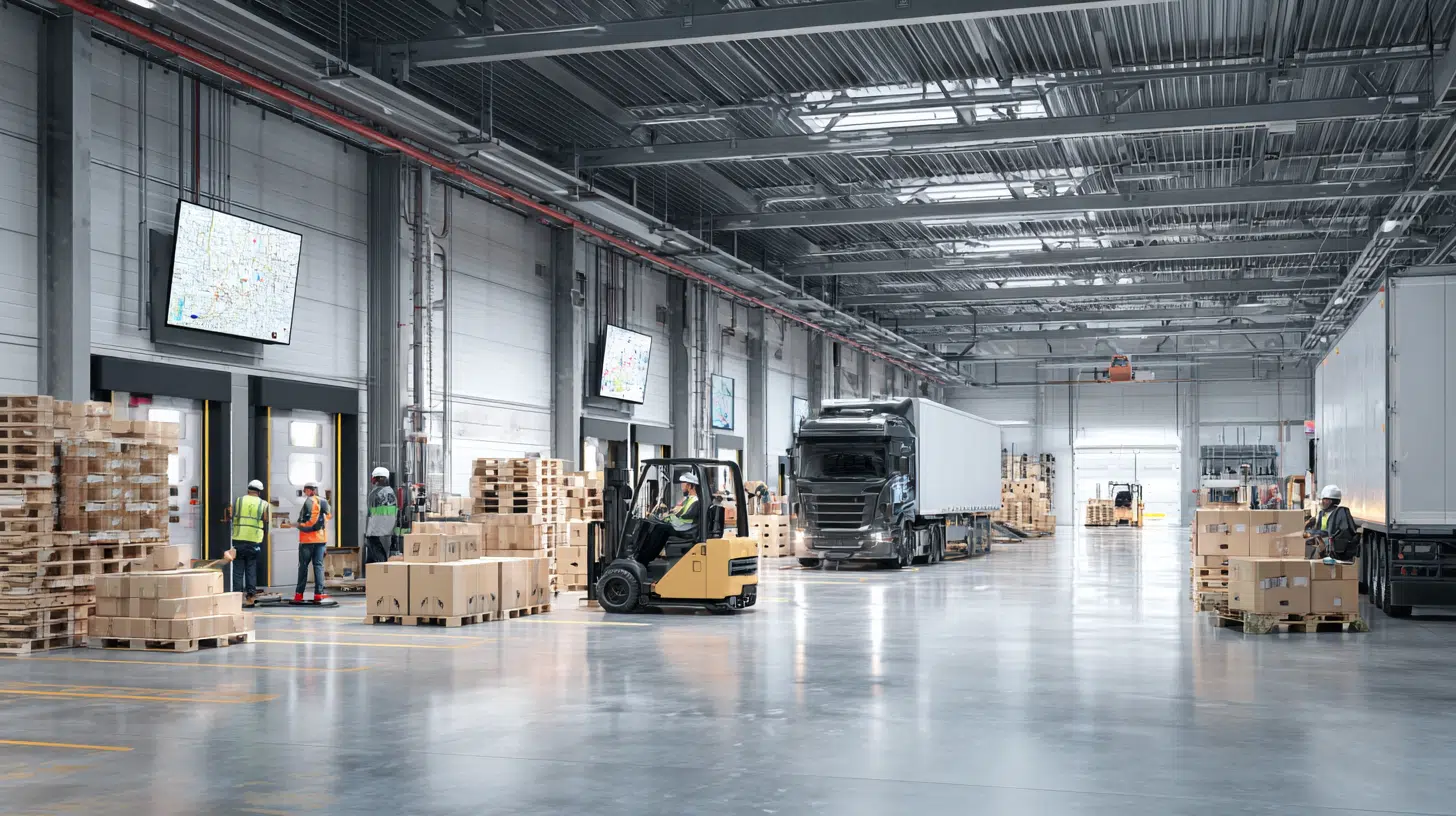
People picture warehouse operations as boxes moving from one end to the other. I’ve seen how one missed step at receiving can throw off inventory for days.
Every stage connects to the next. A mistake in receiving shows up later in picking, and a slow return shows up as lost shelf space.
Speed matters, but precision matters more. Goods need to land in the right spot, not just the fast spot.
The good news: most of this chaos is preventable. The right process at each stage stops small errors before they become expensive ones.
What are Warehouse Operations?
Warehouse operations are the coordinated steps that move goods from arrival to dispatch.
These processes focus on speed, accuracy, and space efficiency. Get these right, and products stay easy to track and locate.
Core Processes
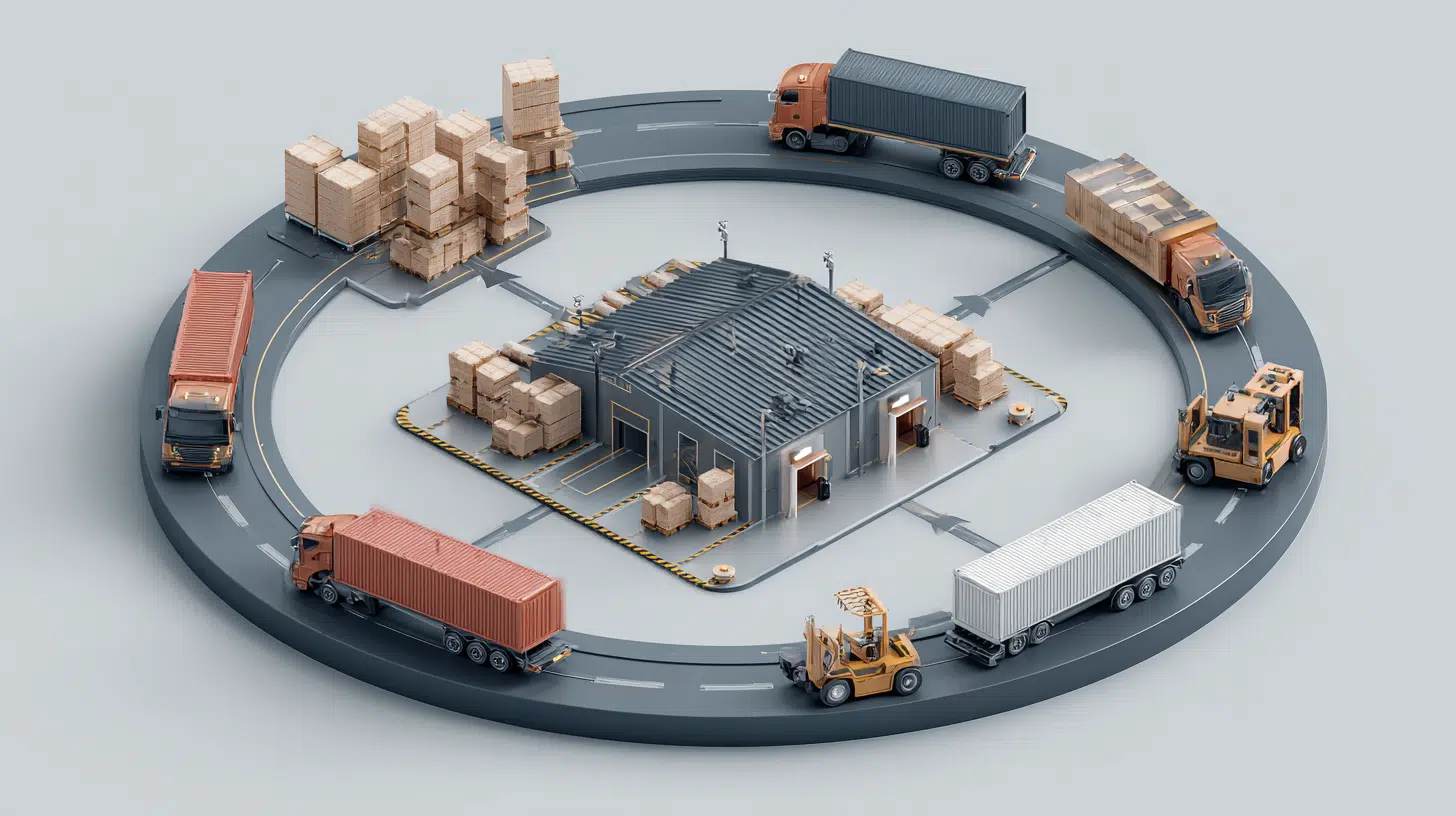
Warehouse operations run on six core processes, from receiving to returns. Each one builds on the last, so a weak link anywhere slows the whole chain.
- Receiving: Goods arrive at the dock, get checked for damage, and are counted against the purchase order. Errors here throw off inventory accuracy later on.
- Storage/Putaway: Goods get placed in set storage spots inside the warehouse. This keeps items easy to find and keeps the space organized.
- Picking: Workers retrieve items based on customer orders. It’s the most labor-intensive task, using methods like single-order, batch, or zone picking.
- Packing: Once picked, items get packed securely for shipment. This keeps products safe in transit and makes sure the right items ship.
- Shipping: Shipping means sending packed goods to customers or other locations. It has to arrive on time, in good condition, and complete.
- Returns/Reverse Logistics: Returned goods are processed quickly to determine whether they should be restocked, refurbished, or disposed of. Slow processing can affect inventory accuracy and take up valuable space.
Miss one step, and the effect shows up later, often as a customer complaint or a stockout. That’s why each stage needs its own quality check, not just the final one.
Why Warehouse Operations Matter
Efficient operations affect the whole supply chain, not just the warehouse floor. Three benefits show up fastest:
- Faster, accurate orders mean fewer complaints and returns.
- Better storage and picking cut labor hours per order.
- Accurate tracking stops the two costliest inventory mistakes: stockouts and overstock.
Get these three right, and the rest of the supply chain runs on time.
How Each Warehouse Stage Works Step by Step
Warehouse operations move through six stages, each handing off to the next. Here’s what happens at each one, and where it tends to break down.
Step 1: Receiving & Inspection
Goods arrive at the dock and get checked right away. Workers inspect for damage and count everything against the order.
This step decides how accurate your system stays. A missed count here shows up as a phantom stockout three weeks later.
Manual counting works fine for low-volume warehouses. Once volume climbs, it turns into the slowest, most error-prone step in the whole chain.
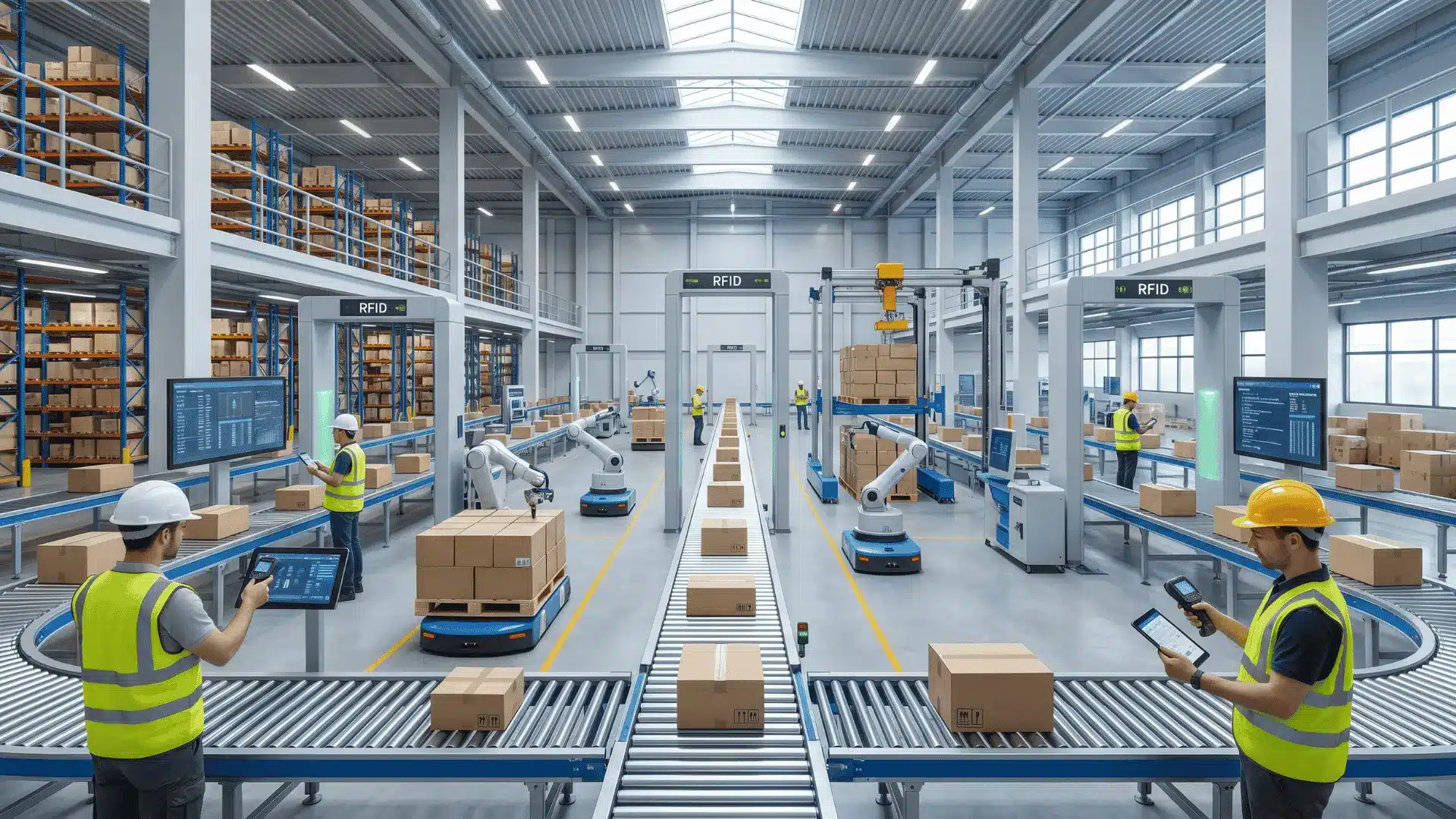
Barcode scanners or RFID readers fix this by logging items into the WMS automatically. That removes manual entry and the errors that come with it.
Step 2: Putaway & Storage
Once goods clear inspection, they need a home in the warehouse. The goal is a spot that’s easy to find and easy to reach.
Good storage speeds up picking later. Bad storage does the opposite. It turns every order into a scavenger hunt.
Not every item needs the same treatment. Fast movers belong near packing; slow movers can sit further back without costing you time.
Slotting fast-moving SKUs closest to packing stations cuts travel distance. Review the layout every quarter, since demand patterns shift with the seasons.
Step 3: Inventory Management
Inventory management means knowing what you have, where it sits, and how much is left. Regular checks keep that picture accurate.
Skip this, and you’ll find out through a stockout or a pile of excess stock nobody ordered.
A full annual count sounds thorough, but it shuts down operations for days. Cycle counting avoids that.
Cycle counting audits a rotating slice of inventory each day. Records stay accurate without ever closing the warehouse down.
Step 4: Tracking Performance with KPIs
Knowing your process isn’t enough. You need numbers that show whether it’s actually working:
- Inventory accuracy rate: the share of stock records that match physical counts. Aim for 95% or higher.
- Order accuracy rate: the percentage of orders picked, packed, and shipped without errors.
- Pick rate: units or orders picked per hour, per worker.
- On-time shipment rate: the percentage of orders that leave by their scheduled ship date.
Without these numbers, problems stay invisible until they’ve already cost you money.
Step 5: Picking & Packing
When an order comes in, workers follow a pick list to exact storage spots. The list can be printed or sent to a handheld device.
The method matters. Batch picking saves time when volume is high; zone picking works better in large facilities with specialized areas.
Small warehouses often do fine with simple single-order picking. Once order volume grows, that same method turns into a bottleneck.
A mispick here is expensive. It triggers a return, a replacement shipment, and a customer who now trusts you less.
Grouping frequently co-ordered items in the same zone cuts pick time. No new technology required, just a smarter layout.
Step 6: Shipping & Returns (Reverse Logistics)
Shipping sends the packed order out the door, on time and in good condition. Returns start the moment a customer sends something back.
A smooth shipping process can still get undone by a slow returns process. Both need the same attention, not just one of them.
Grade every return within 24 to 48 hours: sellable, refurbishable, or scrap. Route it right away instead of leaving it in a holding pile.
Scan returns back into the WMS at intake, the same way receiving works. Skip that step, and your inventory counts drift further off every week.
Common Warehouse Challenges
Even with solid processes, warehouses run into friction. Most of it traces back to one of three causes: bad data, poor layout, or demand spikes.
Inventory Inaccuracy & Its Ripple Effects
Inventory inaccuracy usually starts with mislabeled stock or a missed cycle count. The system says one thing; the shelf says another.
That gap doesn’t stay small. It shows up as picking errors, stockouts, delayed orders, and a customer complaint downstream.
A single mislabeled pallet in a small warehouse is a quick fix. The same error in a high-volume facility can throw off dozens of orders before anyone notices.
Space Utilization Bottlenecks
Space bottlenecks happen when the layout hasn’t kept up with how the warehouse actually operates. Picking routes get longer, and aisles get congested.
Better layout and slotting fix most of this. Moving fast-moving items closer to packing cuts travel distance without adding headcount.
For example, a WMS can flag which SKUs get picked most often. It’ll recommend moving them closer to packing, a change that costs nothing but time.
This matters more in high-volume warehouses than low-volume ones. A slow layout barely shows up until order volume climbs.
Order Fulfillment Delays
Fulfillment delays spike during busy periods, like the holiday season. Labor shortages and technology hiccups make them worse.
Missed shipping deadlines during peak demand cost more than a late order. They cost repeat customers.
Cross-training staff across picking, packing, and receiving helps. Managers can shift labor to whichever stage is backed up instead of leaving one station buried.
A WMS supports this by automating routine tasks. That frees up staff for the exceptions that actually need a person.
Tech Tools for Efficient Warehouse Operations
Technology can’t fix a broken process, but it makes a good one run faster. Here’s where it actually earns its keep.
Automation & Robotics
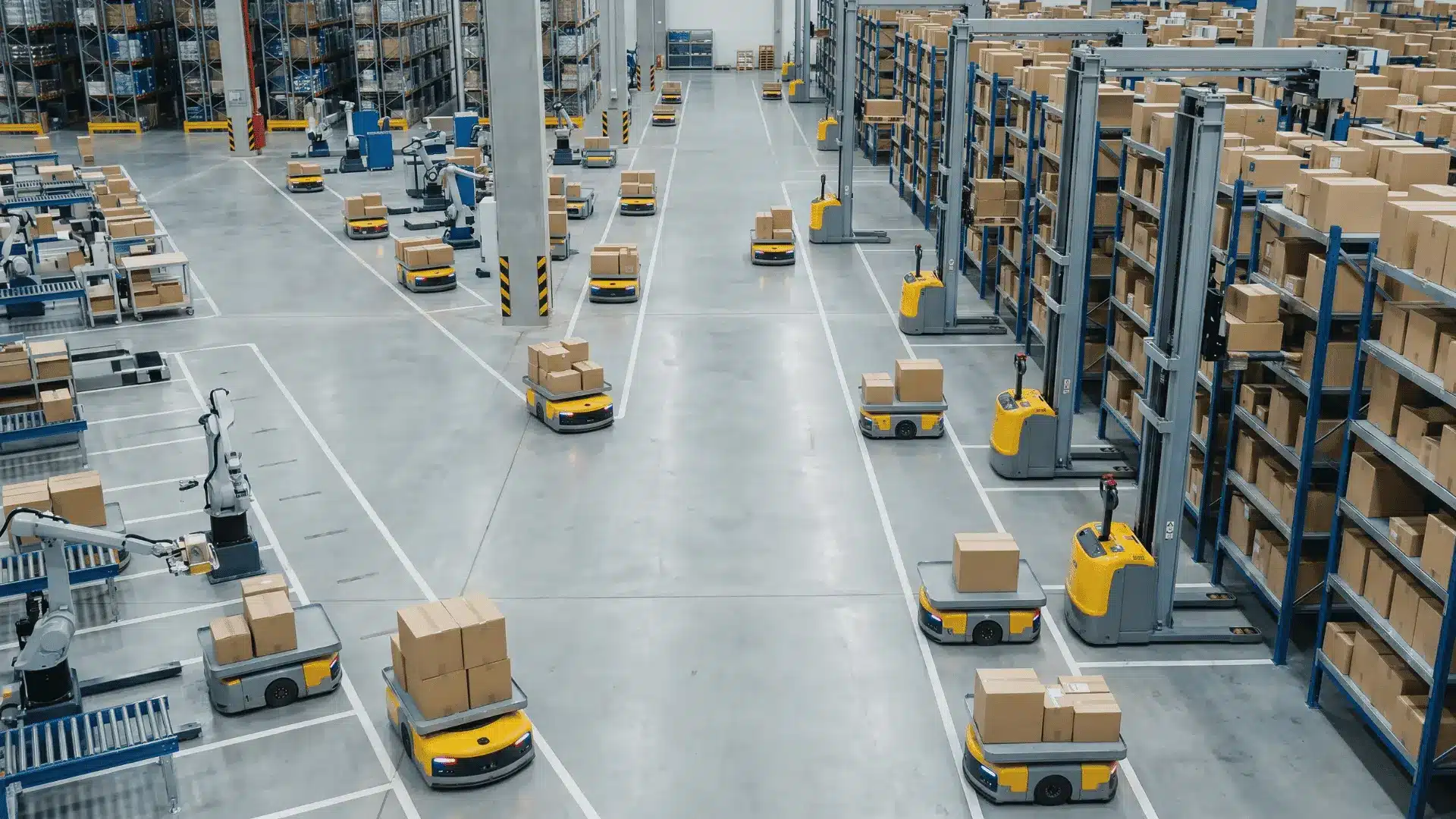
Automation and robotics handle the repetitive, physical tasks in a warehouse. Robots and Automated Guided Vehicles, or AGVs, move goods and pick orders.
This matters most when demand spikes and labor is tight. A smaller warehouse with steady volume may not need it at all.
AGVs typically move pallets or totes between receiving docks and storage on preset routes, without a driver. That frees workers for tasks that need judgment, not just muscle.
The payoff is fewer mistakes and less strain on workers doing repetitive lifting.
How WMS Enhances Efficiency

A Warehouse Management System, or WMS, tracks inventory in real time. It updates stock levels the moment items are received, picked, packed, or shipped.
That real-time view is what prevents stockouts and overstock in the first place. Without it, you’re always reacting a step too late.
A WMS also builds efficient picking routes and can trigger automatic replenishment when stock runs low.
Smaller operations can often run on spreadsheets for a while. Once order volume or SKU count grows, a WMS stops being optional.
Material Handling & Data Capture Tools
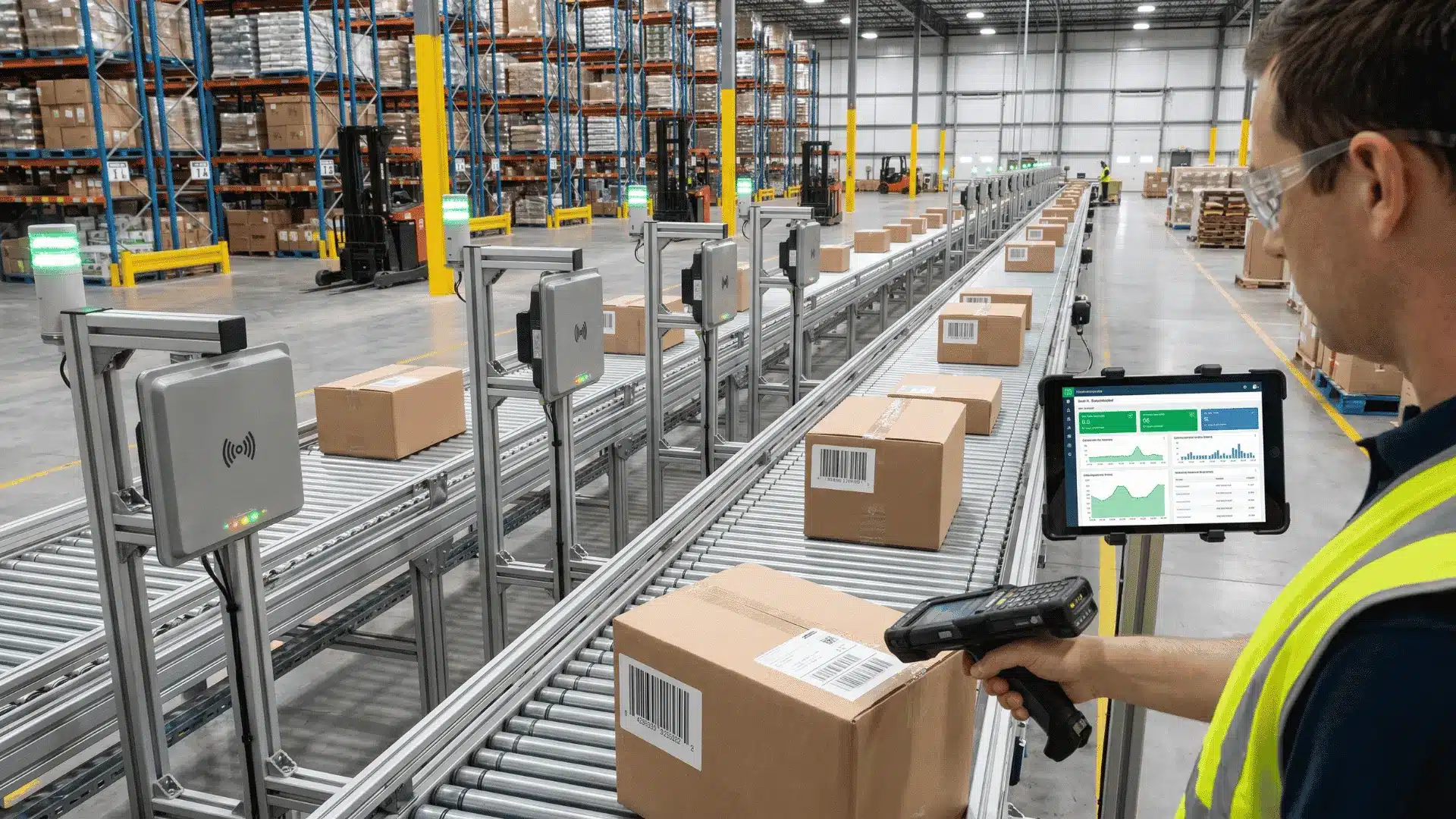
Conveyors, scanners, and RFID keep goods moving and tracked without extra manual work.
RFID tags can be read in bulk from several feet away. A worker can scan an entire pallet in seconds instead of counting boxes by hand.
Barcode scanning still works fine for lower-volume operations. RFID earns its cost once you’re moving high volumes through the dock daily.
Conclusion
Warehouse operations are the backbone of a working supply chain. Receiving, storage, picking, packing, shipping, and returns all depend on each other.
Get one stage wrong, and the effect shows up somewhere else down the line. Usually it’s a cost nobody planned for.
A well-run warehouse isn’t about moving fast. It’s about moving right, so speed doesn’t come at the cost of accuracy.
The warehouses that stay ahead treat every stage, from receiving to returns, as one connected system, not six separate jobs.
Frequently Asked Questions
What are the key processes in warehouse operations?
Warehouse operations involve receiving goods, storing inventory, picking and packing orders, and shipping them to customers. Returns handling (reverse logistics) is also part of the process.
How does inventory management impact warehouse efficiency?
Accurate inventory ensures timely and correct order picking. Mistakes in inventory data lead to slower picking, more returns, and higher costs.
What role does a warehouse management system (WMS) play?
A WMS tracks inventory, directs tasks, and supports real-time decisions to ensure data accuracy and efficient workflow in the warehouse.