Supply chain optimization is the difference between a chain that holds under pressure and one that breaks when conditions shift.
Most failures don’t start with a crisis; they start with a design gap, a forecast miss, or a metric nobody owns, compounding quietly.
Here you’ll find everything from the three-stage framework to the tactics and technologies that prevent small misalignments from becoming expensive ones.
Whether you’re managing a mature operation or diagnosing a chain that’s losing money, the answers to where and why are here.
What is Supply Chain Optimization?
Supply chain optimization is the continuous process of aligning how a supply chain is designed, planned, and executed to deliver at the lowest total cost while remaining resilient enough to absorb disruptions.
This is not cost-cutting. Cost, speed, and resilience are all outputs of the process. Chasing only cost creates failure points that make the chain expensive to run.
A poorly optimized supply chain amplifies disruptions. Supplier delays increase freight costs, while inaccurate forecasts consistently create stockouts or excess inventory across operations.
Supply chain optimization requires continuous adjustment as markets, suppliers, and demand patterns change. Success depends on keeping design, planning, and execution aligned.
Signs Your Supply Chain Needs Optimization
Supply chains rarely announce problems directly. They show up as margin erosion, customer complaints, and firefighting that never fully stops. Watch for these:
- Stockouts and overstock happening simultaneously are a forecasting and inventory alignment problem, not a volume problem.
- Emergency freight, as a regular line item, is a sign that planning consistently fails to absorb variability that design should have accounted for.
- Supplier issues surprise you; if a supplier failure catches you off guard, you have no visibility or redundancy.
- Metrics that aren’t owned, if nobody can tell you your current fill rate or cash-to-cash cycle time off the top of their head, those numbers aren’t being managed.
Any one of these is enough to start. Pick the one costing the most money and trace it back to the stage where it originates, design, planning, or execution. That’s where optimization begins.
How Does Each Stage of Supply Chain Optimization Work?
Each stage has a distinct job. What you decide in design affects planning. What you miss in planning shows up in execution.
1. Design Stage
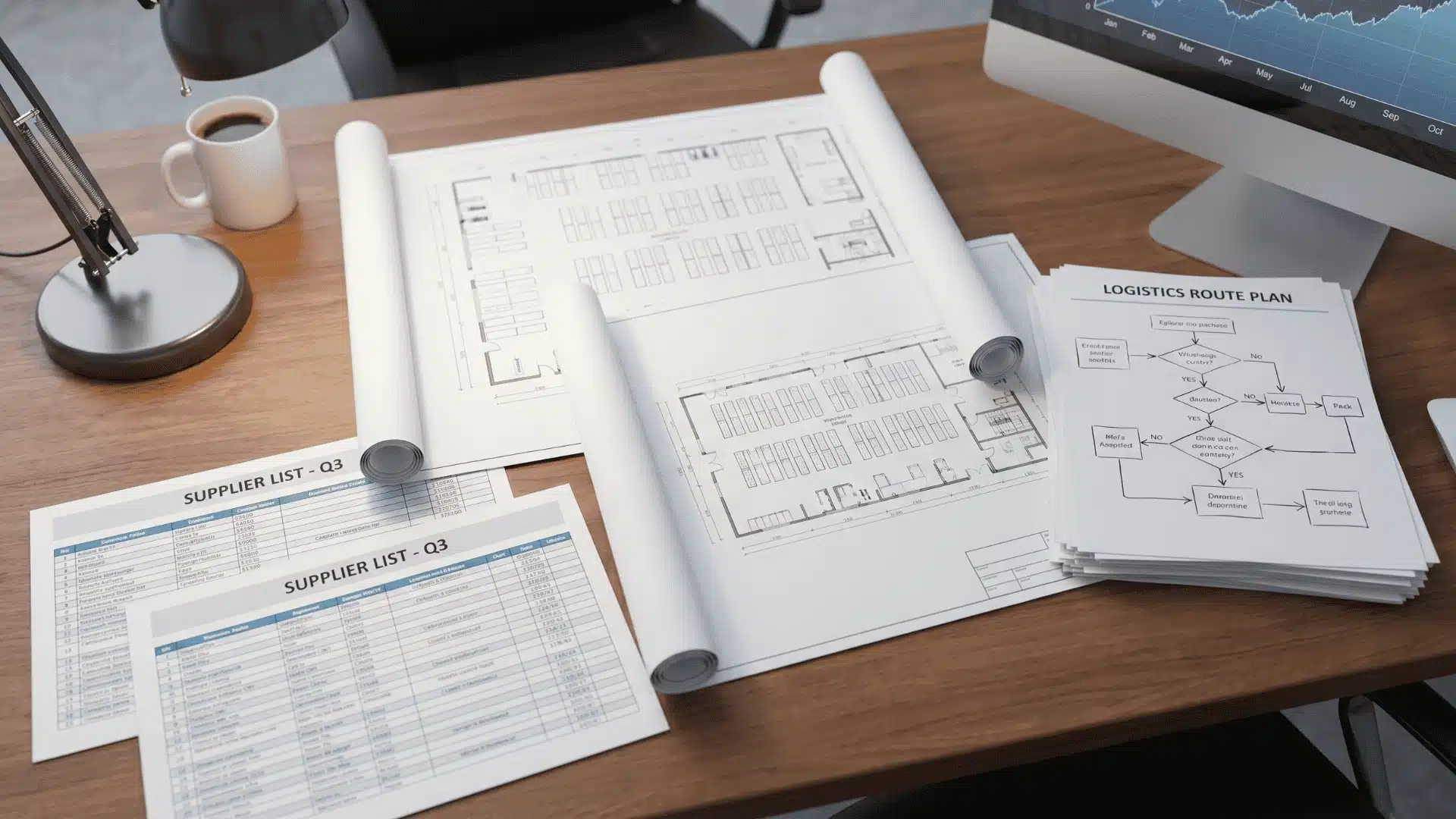
The design stage lays the foundation for your supply chain. Every structural decision here shapes your cost, risk, and flexibility for years ahead.
Key decisions in the design stage include:
- Supplier selection: Choosing who supplies your materials. A single-source supplier may seem efficient but leaves no fallback if it goes down.
- Warehouse locations: Positioning storage close to demand significantly reduces transit time and fulfillment costs.
- Logistics routes: Mapping how goods move from origin to destination, including alternate paths when primary routes fail.
- Redundancy planning: Building in secondary suppliers and backup routes. This is a design choice, not an afterthought.
Just-in-time reduces inventory costs by synchronizing deliveries with production needs, but disruptions can quickly halt operations, as demonstrated by Toyota’s 2011 earthquake-related shutdowns.
2. Planning Stage
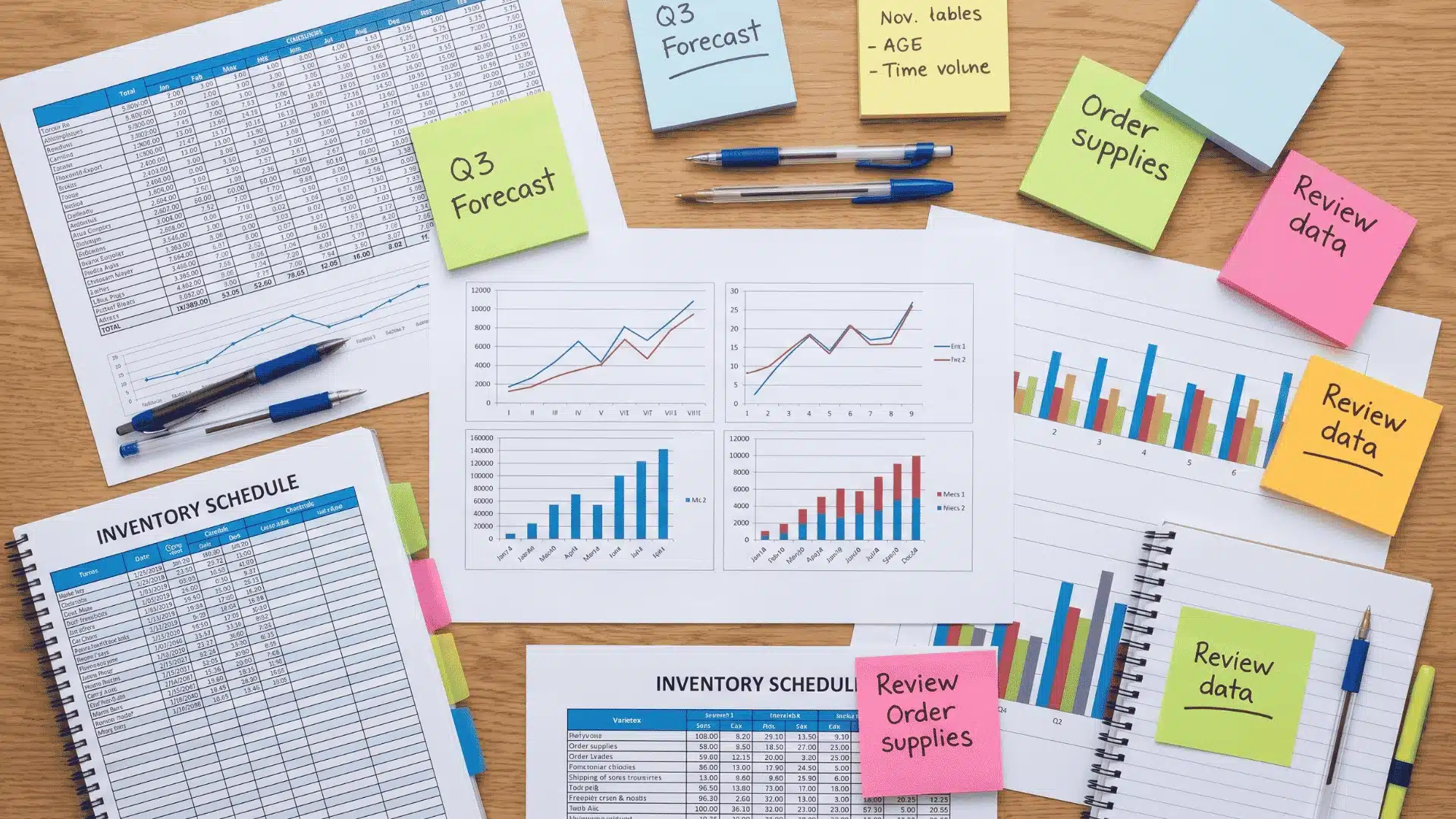
Planning aligns supply with actual demand before problems reach your shelves. It integrates forecasting, inventory, scheduling, and supplier coordination into a single process.
Core elements of the planning stage include:
- Demand forecasting: Uses historical data plus external signals, such as seasonality, weather, and regulations, to predict what you’ll need and when.
- Inventory alignment: Matches stock levels to forecasted demand so you’re neither overstocked nor exposed.
- Production scheduling: Times manufacturing output to meet demand without creating bottlenecks or idle capacity.
- Safety stock: The buffer between your forecast and reality. Too little and a spike empties shelves. Too much capital sits idle.
Effective forecasting combines sales history with weather trends, freight costs, and regulatory changes, helping businesses anticipate demand shifts, cost increases, and supply disruptions earlier.
3. Execution Stage
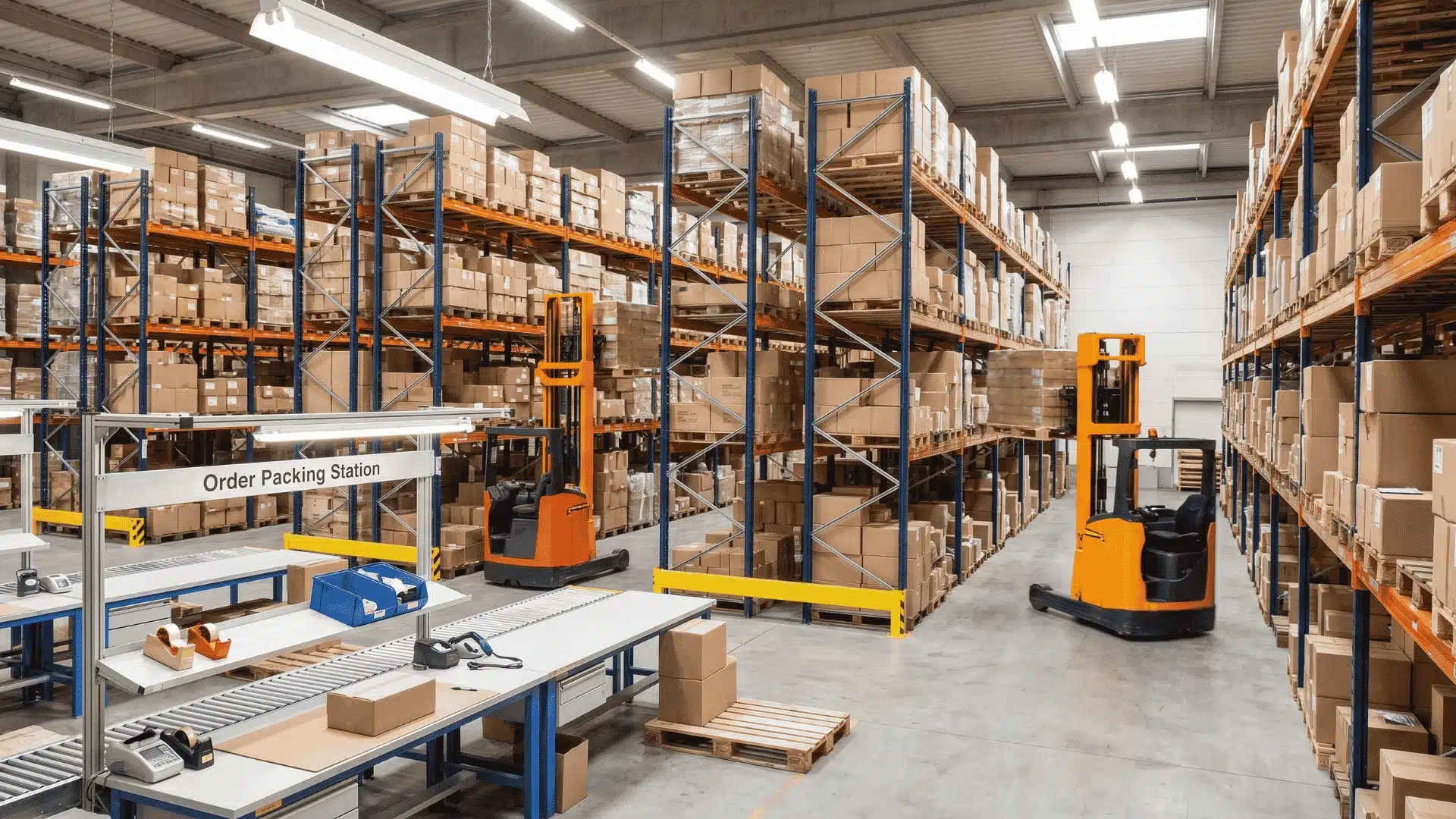
Design sets the structure, and planning sets the targets; execution is where both are either validated or exposed. Problems that looked manageable on paper become real costs here: delayed shipments, empty shelves, orders that can’t close on time.
What happens during execution:
- Order Processing: Fulfillment responds to real-time demand signals rather than fixed schedules, helping businesses rebalance inventory quickly and prevent shortages across regions during demand spikes.
- Stock Replenishment: Inventory replenishment is triggered by actual sales activity, ensuring fast-moving products are restocked promptly without waiting for manual reviews or counts.
- Logistics Coordination: Shipments are continuously monitored and rerouted when disruptions occur, allowing alternate carriers or routes to maintain delivery timelines and service levels.
- Real-Time Monitoring: IoT and AI tools detect temperature breaches, shipment delays, and supplier issues early, preventing stockouts, product damage, and missed commitments.
A single port delay drops stock, breaks forecasts, stalls replenishment, and pushes orders late. The failure starts in design execution, which just makes it visible.
How Do You Balance Cost, Resilience, and Sustainability?
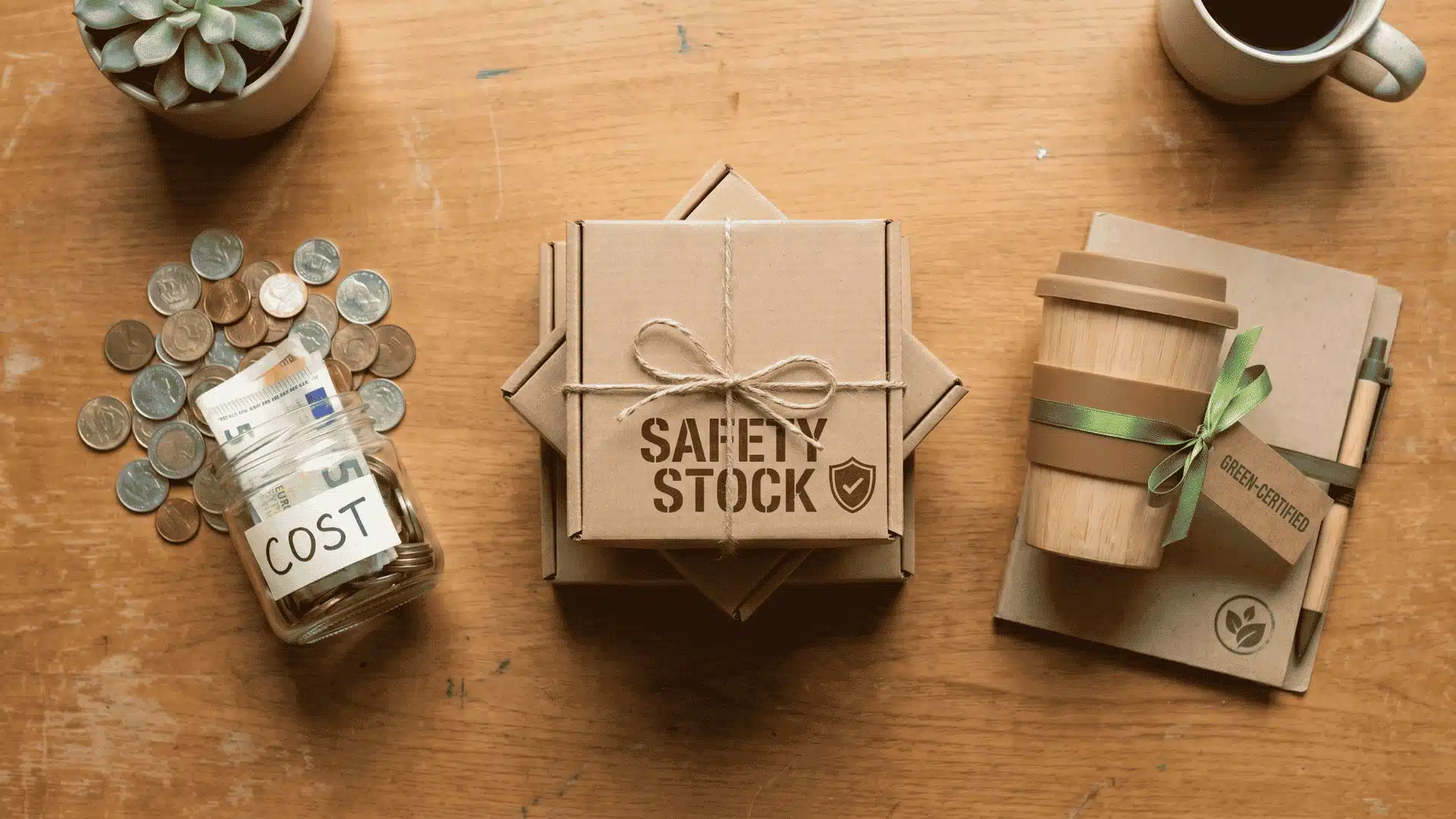
Most supply chain problems stem from over-optimizing a single factor. Each lever has a ceiling. Push past it, and you create the problem you were trying to prevent.
The goal isn’t to maximize cost savings, resilience, or sustainability separately. It’s finding the point where all three can coexist.
| Dimension | What It Protects | Where It Breaks Down |
|---|---|---|
| Cost | Margins and operational efficiency | Over-trimming creates fragility with no buffer during disruptions |
| Resilience | Continuity during disruptions | Over-investing raises per-unit costs and erodes margins |
| Sustainability | Compliance and brand reputation | Ignoring it risks fines, market access loss, and reputational damage |
Balanced supply chains connect cost, resilience, and sustainability. Cost savings fund resilience, resilience protects sustainability goals, and sustainability reduces long-term regulatory and operational risks.
Companies that treat these as a triangle, not three separate checklists, build supply chains that hold up without collapsing their margin.
What Tactics and Technologies Drive Supply Chain Optimization?
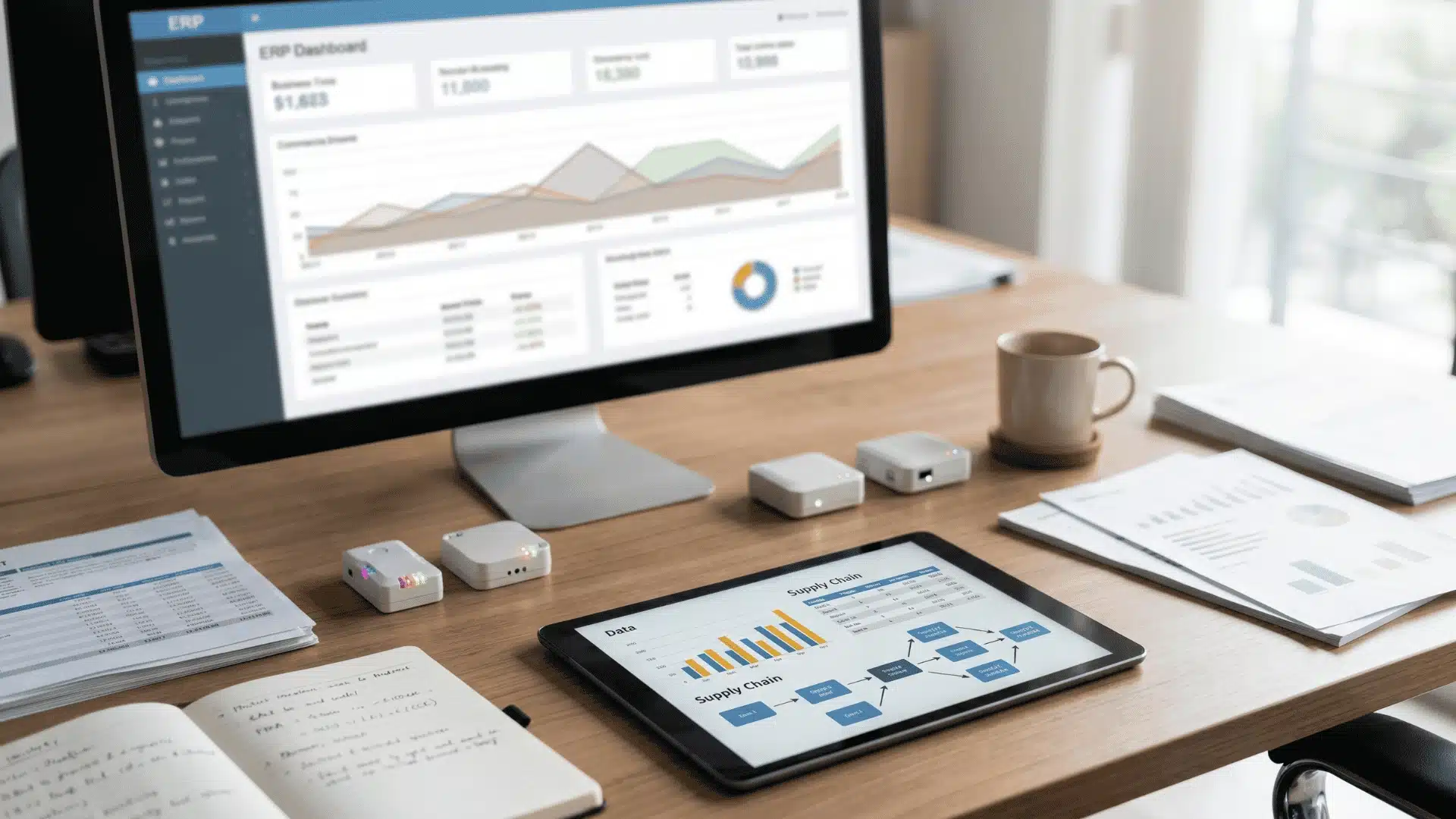
Technology doesn’t optimize your supply chain. It speeds up whatever decisions you’re already making. Get the process right first, then the tools actually work.
Key Tactics to Optimize Your Supply Chain
The most effective supply chain optimization strategies target the points where cost, speed, and reliability most often break down.
1. Demand forecasting
It predicts what you’ll need and when, using sales data and external signals. Accurate inputs prevent stockouts and overstock. Poor inputs compound the problem.
Walmart feeds sales data, weather patterns, and local events into forecasting models, stocking essentials ahead of hurricane season, not after demand spikes, turning preparation into a measurable competitive edge.
Amazon takes a similar approach, using AI to analyze customer purchase trends, regional demand fluctuations, and external factors like local events to pre-stock warehouses ahead of peak periods like Black Friday.
Both cases show the same principle: better inputs produce fewer surprises.
2. Supplier Diversification
It is Single-supplier dependency halts operations when one vendor fails. Map your supplier base, flag any category that exceeds 70% with a single vendor, and qualify at least one tested backup for each.
Apple’s “China+1” strategy is the clearest large-scale example, shifting iPhone assembly to India via Foxconn and Pegatron, and moving AirPods, Apple Watch, and MacBook production to Vietnam to reduce single-region dependency.
You don’t need Apple’s scale to apply the same logic. Identify your single points of failure and start qualifying alternatives before you need them.
3. Safety Stock Calibration
Safety stock is the buffer between forecasted demand and real sales. It prevents both stockouts and excess holding costs, but it must be calibrated carefully rather than guessed.
The formula is: Safety Stock = Z × σ(demand) × √(lead time). Longer lead times and higher demand variability increase the required buffer. The Z-score sets service level targets.
Higher service levels mean more inventory on hand, while better forecasting reduces it. Regular quarterly reviews keep stock aligned with demand shifts and avoid costly emergency orders or lost sales.
4. Renegotiation Cadence
It makes Supplier contracts lose relevance quickly as pricing shifts and lead times stretch. Schedule formal reviews every 6–12 months, bringing fill-rate data, delivery history, and market benchmarks to each session.
A declining GMROI signals early supplier misalignment. Treat every review as a data-driven conversation, and by arriving with numbers, you shift your position from asking for favors to negotiating based on knowledge and facts.
Real-world example: Amazon renegotiates fulfillment and logistics contracts continuously, using live performance data on delivery speed, fill rates, and cost per unit to pressure vendors into tighter terms and faster improvement cycles.
5. KPI Monitoring
KPI monitoring shows early warning signs in your supply chain. Without clear metrics and ownership, issues remain hidden until they become costly disruptions or delays.
Focus on on-time delivery, forecast accuracy, fill rate, and cash-to-cash cycle time. Assign an owner to each KPI and review them in a fixed weekly meeting.
Real-time delivery tracking catches issues immediately, while freight costs and lead times require monthly or quarterly review. Tools matter less than consistency and disciplined tracking over time.
Technologies that Make Each Tactic Work Faster
AI and machine learning strengthen planning by analyzing sales data, weather patterns, supplier lead times, and shipping disruptions to generate continuously updated demand forecasts faster.
IoT sensors improve execution by monitoring shipment location, temperature, and condition in real time. Early alerts help prevent spoilage, delays, damage, and losses.
ERP platforms such as Oracle SCM integrate design, planning, and execution within a single system. Changes automatically update inventory, procurement, and fulfillment without manual intervention.
Blockchain, TMS platforms, and digital twins improve visibility, traceability, routing, and disruption modeling. Together, they support faster decisions but cannot replace strong planning.
Conclusion
Supply chain optimization isn’t a project with an end date; it’s the ongoing discipline of keeping design, planning, and execution aligned as conditions change.
Every failure point covered here traces to the same root: one layer drifting while the others hold, compounding until the cost becomes impossible to ignore.
Now you know where the real gaps form, which metrics signal early drift, and which tactics and technologies close the gap between the vulnerable and the resilient.
Pick the stage that’s costing the most, fix one metric, and build from there; that’s how supply chain optimization actually moves.
Frequently Asked Questions
What is the difference between supply chain management and supply chain optimization?
Supply chain management oversees all activities from supplier to customer. Optimization is the data-driven effort within it, continuously improving efficiency, cutting costs, and building resilience.
What are the biggest challenges in supply chain optimization?
Demand variability, single-supplier dependencies, and disconnected data systems remain the most persistent challenges. Regulatory compliance around environmental sourcing adds complexity that manual processes cannot track at scale.
How does supply chain optimization reduce costs?
Cost reductions come from accurate forecasting, optimized logistics routing, and supplier renegotiation backed by live data, targeting excess inventory and inefficient transportation without major upfront capital investment.
What KPIs should you track for supply chain optimization?
Track on-time delivery, inventory turnover, fill rate, forecast accuracy, and cash-to-cash cycle time. Benchmark against industry standards, not just internal history, to identify where improvement is genuinely needed.