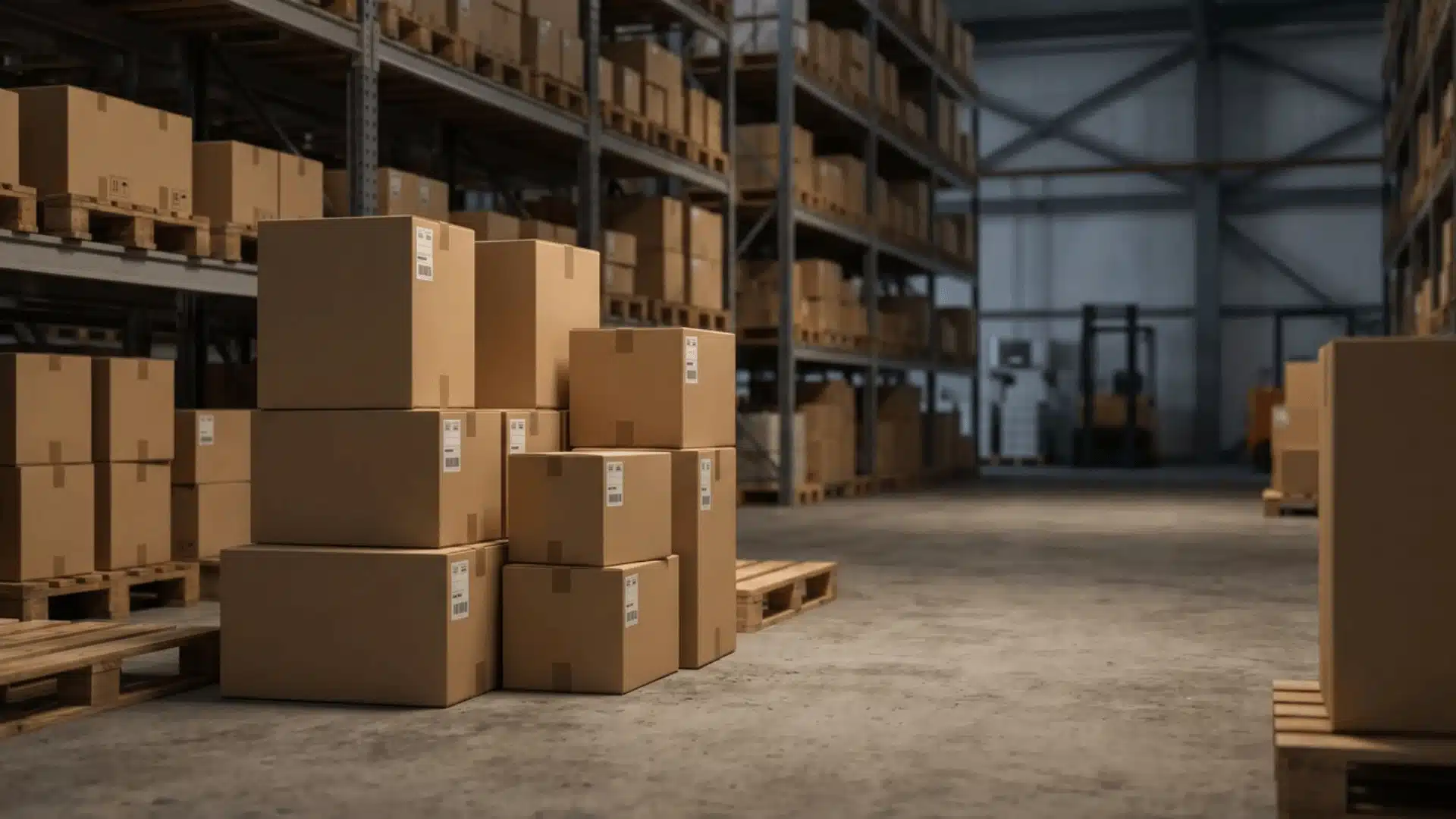
If you’re wondering, does Harbor Freight ship orders to your home? You’re not the only one out there. Shipping details can feel unclear, especially with heavy tools and large equipment involved.
Understanding how Harbor Freight handles delivery helps you plan better. Shipping method, item size, and location all play a role in what to expect.
Here, I’ll give a clear breakdown of how Harbor Freight shipping works, what affects delivery speed, and where restrictions apply so you can avoid surprises.
Does Harbor Freight Ship Orders to Your Home?
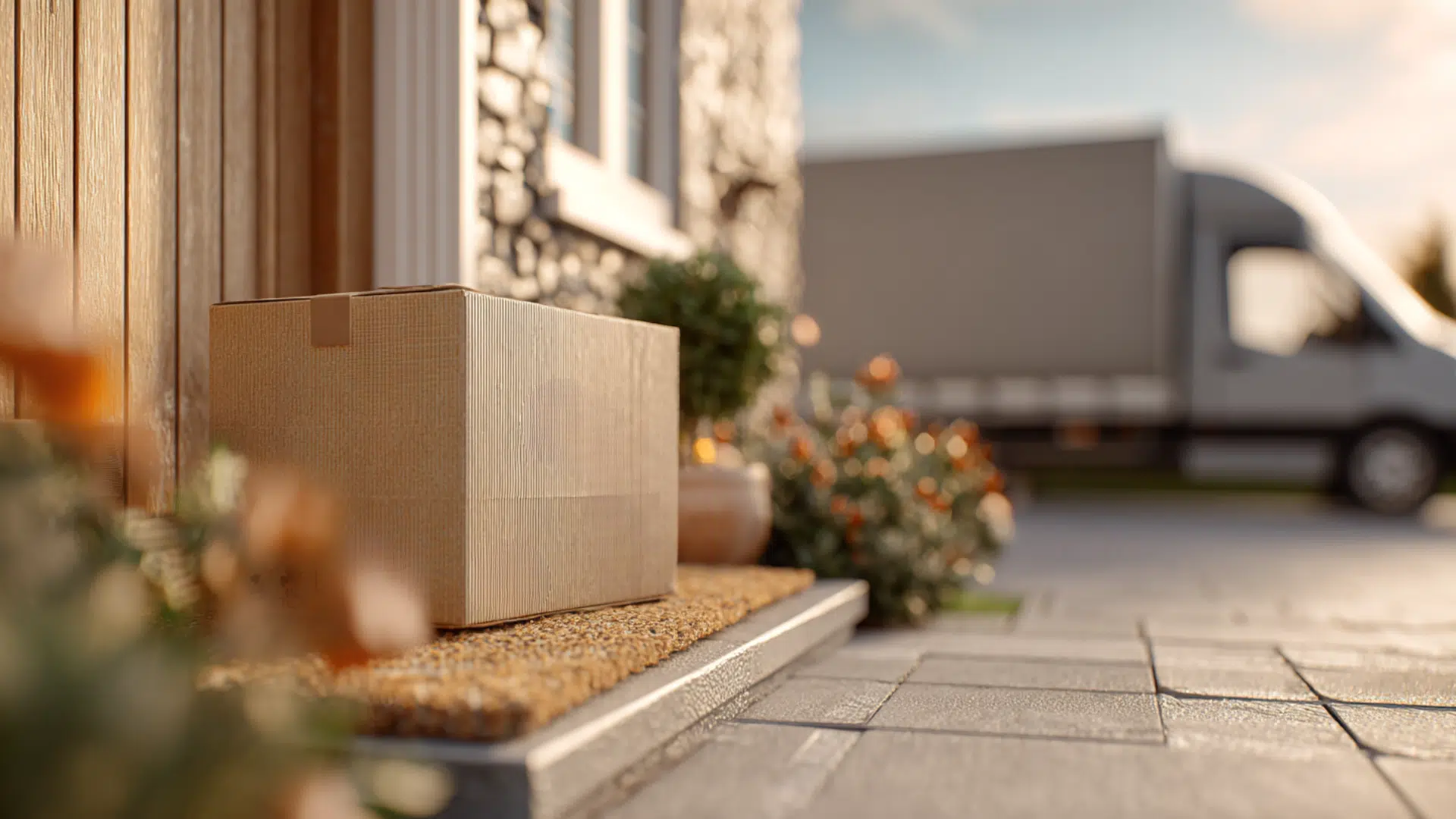
Yes, Harbor Freight ships products ordered through its website straight to your home or business. If you place the order online, it goes through their warehouse system and then out for delivery.
- Online Orders Only: Shipping applies only to items purchased on HarborFreight.com.
- No Store-To-Home Delivery: If you buy something in a physical store, it cannot be shipped to your home later.
- No Buy Online, Pick Up In Store: Their online and store systems run separately, so you can’t switch between them.
Harbor Freight uses centralized warehouses to handle shipping instead of sending items out from local stores. That setup keeps their shipping process consistent, but it also limits flexibility for in-store purchases.
How Harbor Freight Shipping Works?
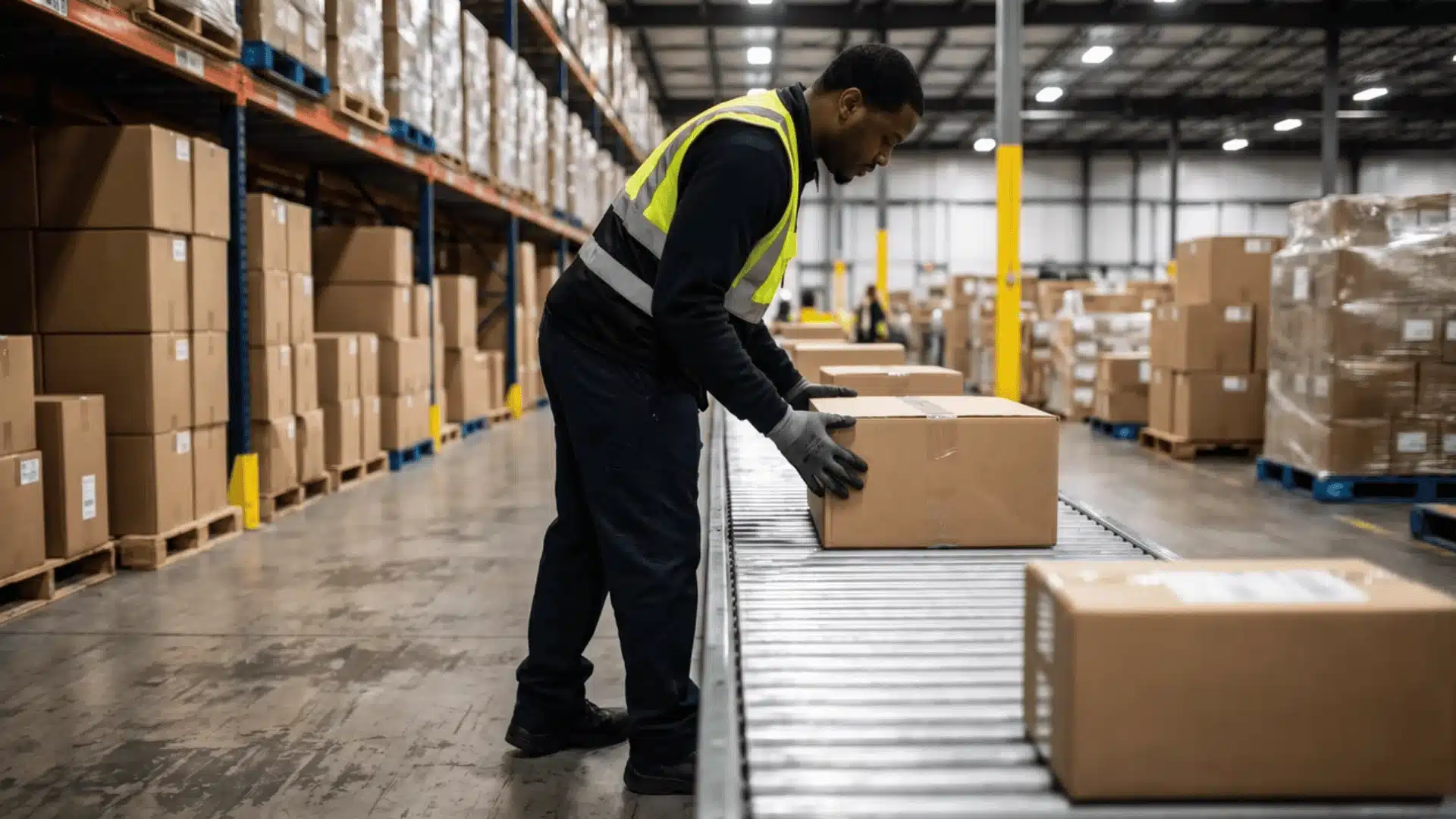
Harbor Freight uses a warehouse-based system for all online orders. Every purchase goes through processing before it ships.
- Order Processing: Orders are packed at a central warehouse, not local stores. This keeps fulfillment consistent but adds a handling step before dispatch.
- Tracking and Confirmation: Once shipped, you receive a confirmation email with tracking details. Tracking starts after the carrier scans the package.
- Carrier Selection: Delivery is handled by UPS, USPS, FedEx, or freight carriers. The system chooses based on size, weight, and destination.
- Split Shipments: Multiple items may ship separately from different warehouses. Because routes differ, delivery dates can vary within the same order.
Because each stage, from warehouse processing to carrier routing, affects timing, even similar orders can arrive on different days.
Shipping Methods Available and When They are Used?
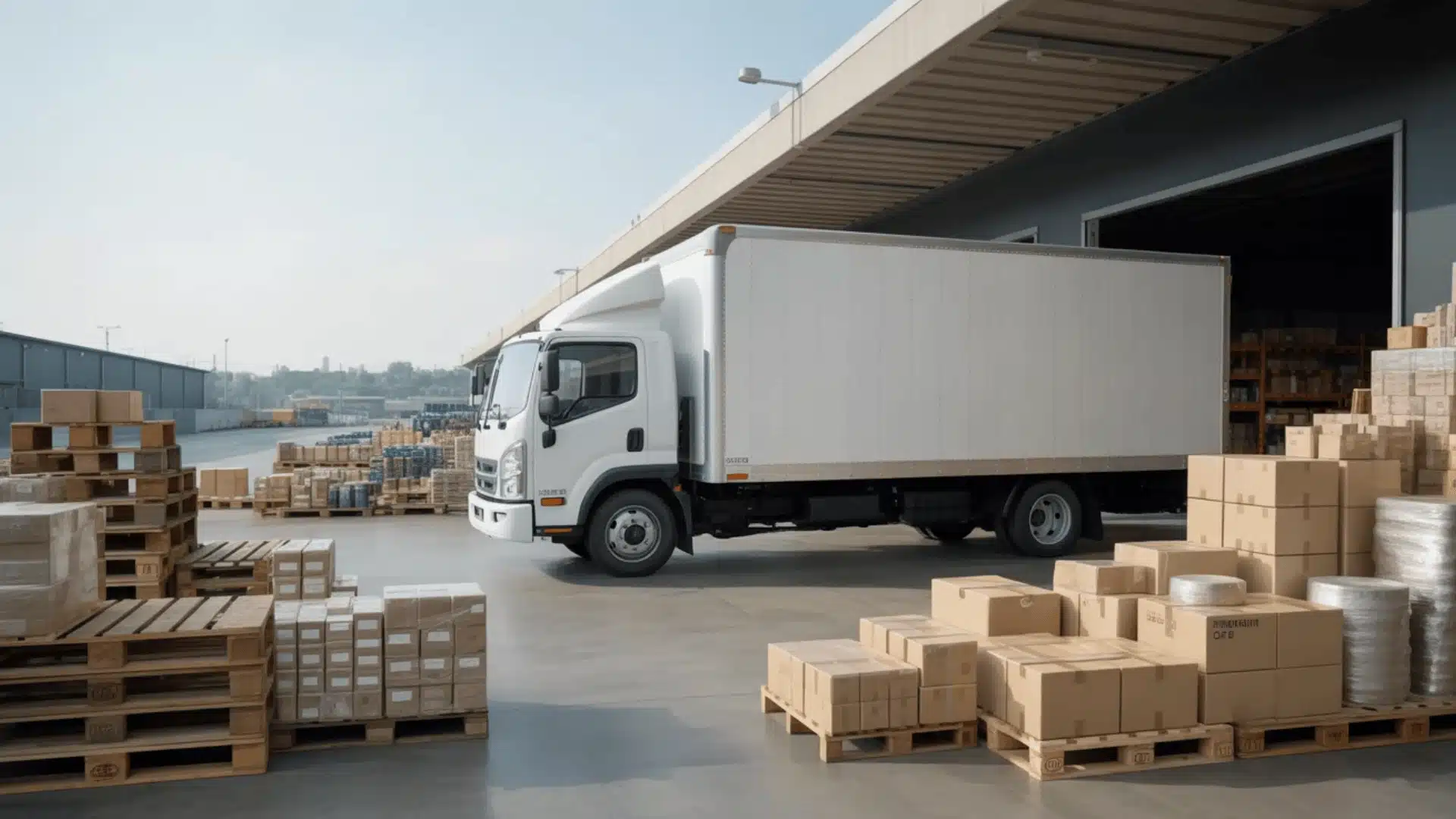
Harbor Freight uses different shipping methods based on the size, weight, and type of item you order. The system automatically assigns the right method, which affects both cost and delivery time.
Standard Shipping (Most Common)
Standard Shipping applies to regular-sized items and typically includes a flat rate. Most orders arrive within 5–7 business days after leaving the warehouse.
This method uses ground transportation through major carriers, which keeps costs lower. Delays can happen due to long shipping distances, warehouse backlogs, weather issues, or peak shopping seasons.
Express Shipping (Faster Option)
Express Shipping is available on qualifying items and shortens delivery to about 2–4 business days. The cost varies depending on package size, weight, and your zip code.
It works through priority handling and faster transit routes, meaning your order moves ahead in the processing line. Not all items qualify, especially oversized or regulated products.
Truck Freight Shipping (Heavy Items)
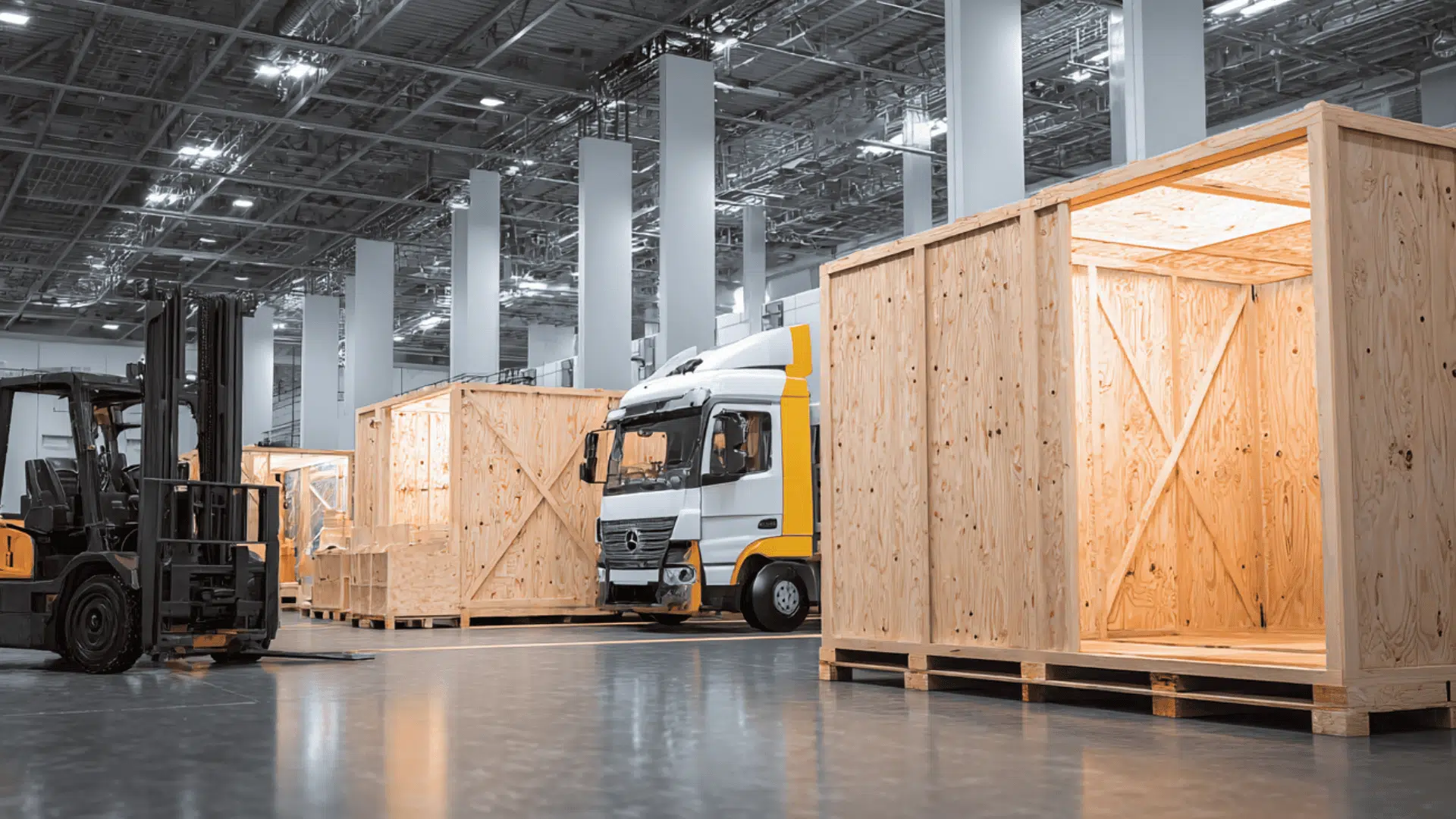
Truck Freight Shipping is used for oversized or heavy products, such as large toolboxes or trailers. These deliveries require a scheduled appointment because they are delivered by a freight carrier.
Because freight shipments require specialized handling and route planning, delivery can take 10–20 business days. Delays may occur if scheduling conflicts arise or if the delivery location has limited access for large trucks.
What Affects Shipping Speed and Delivery Outcomes?
Shipping speed can vary even when two orders look similar on the surface. That’s because multiple moving parts in the logistics chain influence how quickly a package arrives.
- Item Size and Weight: Heavier or oversized items may require freight shipping instead of ground delivery, which increases transit time.
- Distance From Warehouse: Orders traveling farther from the fulfillment center naturally take longer in transit.
- Carrier Routing and Efficiency: Each carrier follows different distribution routes, and delays can occur at sorting hubs or transfer points.
- Order Complexity: Single-item orders usually move faster, while multi-item orders may ship separately from different warehouses.
- Logistics Chain Variability: Every stage, processing, packing, carrier pickup, sorting, and final delivery introduces potential timing differences.
Delivery Outcome: Two customers ordering the same product can receive it on different days due to routing and handling variations.
Common Failure Cases: Delays may result from carrier mishandling, weather disruptions, missed transfers, or partial shipments arriving at different times.
Because several factors work together behind the scenes, small differences in size, location, or routing can noticeably change your final delivery date.
Harbor Shipping Restrictions and Limitations
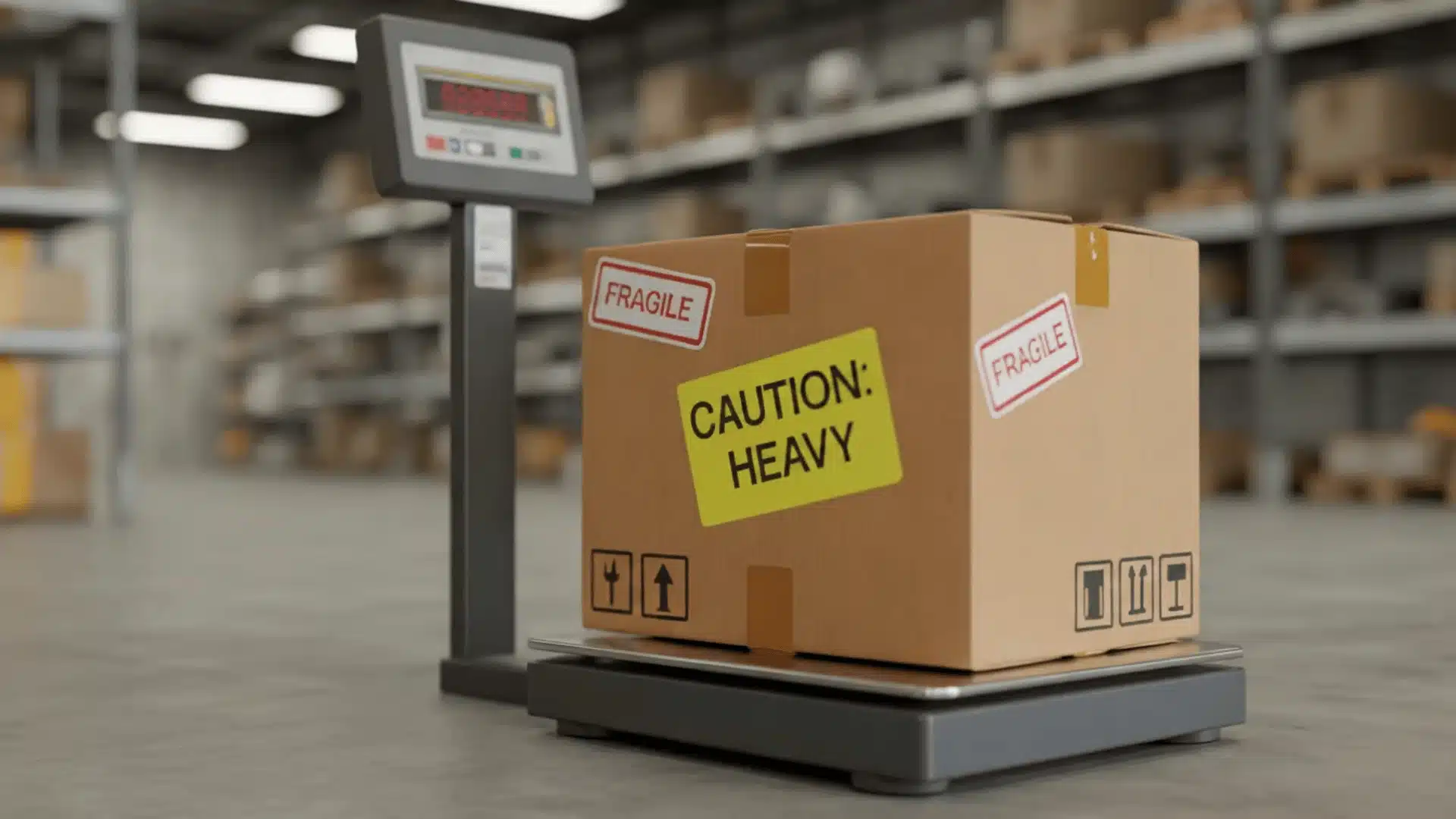
Harbor Freight does not ship to P.O. boxes, APO/FPO addresses, or international locations. Delivery is limited to physical addresses within the 50 U.S. states.
Items over 70 lbs cannot be shipped to Alaska or Hawaii due to transport limitations. This rule applies regardless of the shipping method selected.
Certain gas-powered or hazardous items cannot be shipped by air or express service because of safety regulations. These products may require freight shipping or may not qualify for delivery.
Common Delivery Issues and Why They Occur
Even when an order ships on time, problems can happen during transit because third-party carriers handle the final delivery stage.
- Delivery delays can happen due to weather, routing backlogs, or carrier slowdowns
- Items may arrive damaged after long-distance transport or repeated handling
- Multi-item orders may ship separately and arrive on different days
- Once handed to the carrier, responsibility shifts to their delivery process
- Claims and issue resolution often depend on the carrier, not the warehouse
- Longer routes and multiple transfer points increase the risk of delays or damage
Most delivery problems occur after the package leaves the warehouse and enters the carrier network.
Conclusion
So, does Harbor Freight ship orders to your home? Yes, but the experience depends on shipping method, item size, carrier handling, and delivery location.
You now know what controls timelines, why delays can happen, and which restrictions may apply before you order. That clarity helps you set realistic expectations.
Before placing your next order, review the shipping method and item details carefully. A quick check now can save you time, cost, and frustration later.
Frequently Asked Questions
Can I change my shipping address after placing an order?
Address changes may not be possible after processing begins. Once shipped, modifications usually require contacting the carrier directly for rerouting options.
Does Harbor Freight offer scheduled delivery for standard shipping?
Scheduled delivery is typically only available for freight shipments. Standard and express packages follow carrier routing schedules without appointment options.
Are replacement parts shipped differently from regular products?
Replacement parts usually ship through standard carriers and may qualify for different shipping promotions, but delivery timelines still depend on processing and carrier routing.
What happens if I miss a freight delivery appointment?
Missing a freight appointment can delay delivery and may require rescheduling with the carrier, sometimes resulting in additional redelivery fees.