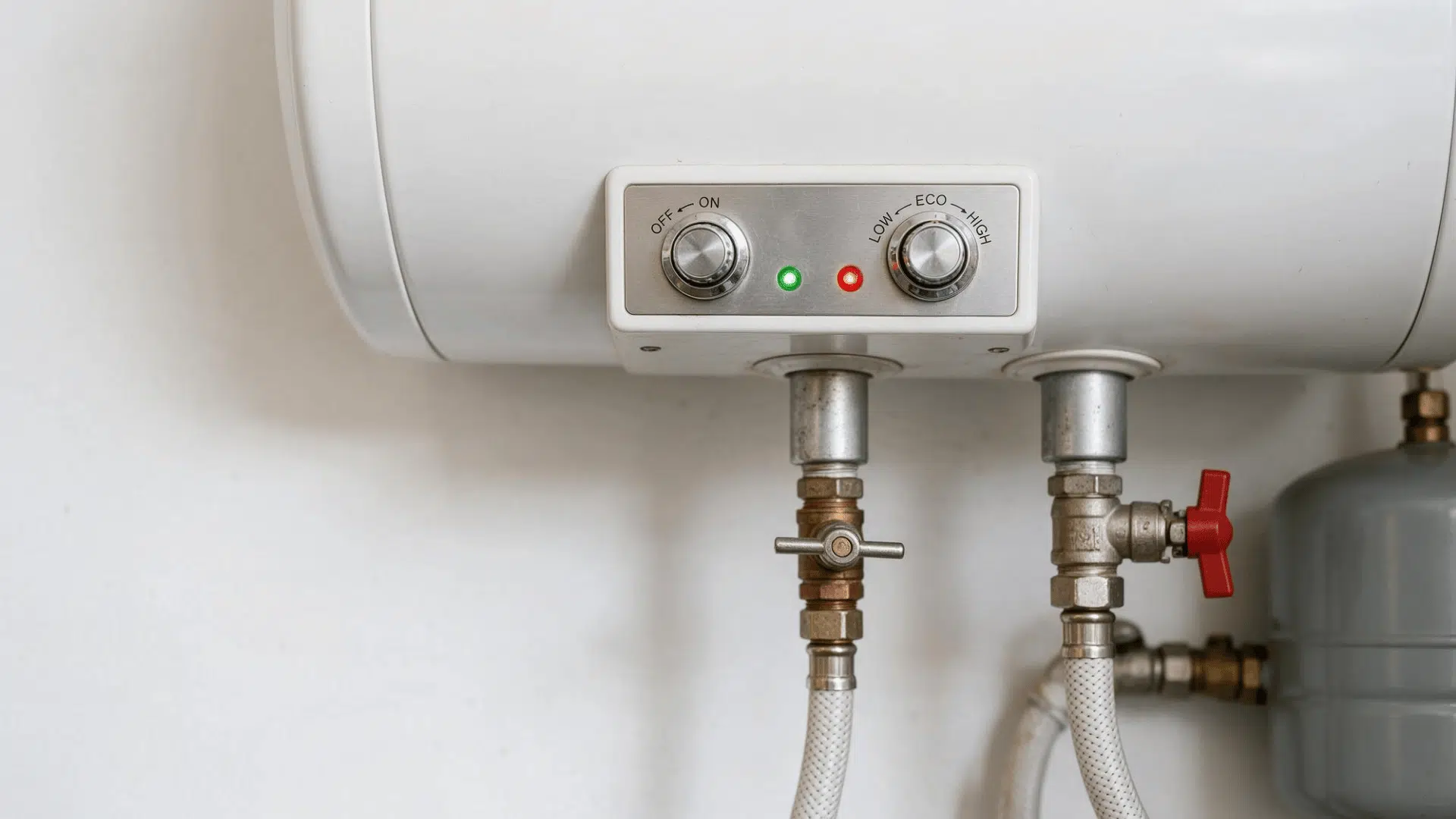
Nothing is more frustrating than turning on the faucet and waiting for hot water that never comes. A heater that once worked normally can suddenly leave you with cold or barely warm water.
These problems can be confusing because they don’t always show up obviously. A small change can leave you questioning what happened and where to begin.
Water heater troubleshooting starts with understanding the situation before making any decisions.
Why Is My Water Heater Not Working?
A water heater may stop working because of a power or fuel issue, a faulty heating part, an ignition problem, or a control that is not working as it should. In some cases, the heater may also struggle when hot water demand is too high.
The exact symptom can help narrow down the cause. Water that stays completely cold can point to a different problem than water that starts hot but cools too soon. Changing temperatures can also suggest a separate issue.
The type of unit matters when troubleshooting a water heater. Electric heaters rely on electrical controls and heating parts. Gas models use burners and ignition systems. Heat pump water heaters work differently from standard electric models, while tankless units can have their own operating problems.
Before checking specific parts, see if the problem affects every hot-water fixture. This simple check can help show if the issue is with the heater or only one faucet or shower.
What to Check Before Troubleshooting a Water Heater
A few simple checks can make water heater troubleshooting easier and safer. They can also help you narrow down the problem before you inspect any parts.
- Check several hot-water fixtures: Test more than one faucet or shower. This shows if the issue affects the whole home or just one fixture.
- Identify the heater type: Note if you have an electric, gas, heat pump, or tankless water heater.
- Find the model number: Keep it handy so you can check the right reset steps, controls, and manufacturer instructions.
- Look for error lights or codes: Write down any code before you reset or change anything.
- Think about recent changes: Consider power outages, plumbing work, setting changes, or heavy hot-water use.
- Look around the unit: Check for visible water, damage, odd sounds, or other changes. Do not open panels yet.
- Watch for safety concerns: Stop DIY checks if you smell gas, see scorched wiring, notice heavy leaking, or find damaged electrical parts.
Common Water Heater Problems by Symptom

The fastest way to find the cause of a water heater problem is to match the issue with what the hot water is doing. No hot water, low heat, and changing temperatures often point to different problems.
1. No Hot Water
If no hot water is available anywhere in the home, the issue likely involves the water heater. If only one faucet or shower is affected, the problem may be with that fixture.
Common causes:
- Electric heater: Power loss, tripped breaker, high-limit control issue, thermostat problem, or failed heating element.
- Gas heater: Pilot, ignition, burner, gas-control, or fuel-supply problem.
- Tankless heater: Power or fuel issue, low flow, safety shutdown, or an error code.
What to check:
- Confirm if the unit has power or fuel.
- Look for visible error codes or warning lights.
- Check the manufacturer’s instructions for basic reset or restart steps.
- Stop troubleshooting if the issue involves damaged wiring, gas concerns, or internal testing.
Avoid opening panels or testing internal parts unless you have the right experience. Electrical and gas-related problems may need professional service.
2. Water Is Not Hot Enough
If the water is warm but does not reach the expected temperature, the heater may be working but not heating properly. The cause can vary depending on the type of unit.
Common causes:
- Electric heater: Low temperature setting, thermostat issue, or a heating element that is not working correctly.
- Gas heater: Burner problem, gas-control issue, or reduced heating performance.
- Tankless heater: Flow issue, error condition, or a system that cannot keep up with demand.
What to check:
- Confirm the temperature setting on the unit.
- Notice if the problem started suddenly or has slowly changed.
- Check if the same temperature issue happens at all hot-water fixtures.
- Compare current performance with how the heater worked before.
A sudden temperature change is more likely to point to a developing problem than a heater that has always produced the same level of heat.
3. Hot Water Runs Out Quickly
If hot water starts normally but disappears sooner than expected, the problem is usually related to capacity, recovery time, or reduced heating performance.
Common causes:
- Electric heater: Lower heating element problem, thermostat issue, or reduced recovery after heavy use.
- Gas heater: Burner performance issue, sediment buildup, or a tank that cannot meet current demand.
- Tankless heater: Flow limitations, incorrect sizing, or difficulty keeping up with demand.
What to check:
- Notice if the problem happens only during heavy hot-water use.
- Compare current water use with past usage.
- Check if the heater has always had this issue or if it recently started.
- Consider if the unit size still matches household needs.
A heater that has always run out quickly may be too small for the home. A heater that recently developed this issue may need further diagnosis.
4. Hot Water Comes and Goes
When hot water changes between hot and cold, the problem may depend on when and how the system is being used. The timing of the temperature change can help narrow down the cause.
Common causes:
- Electric heater: Intermittent thermostat, control, or heating element issue.
- Gas heater: Ignition problem, burner shutdown, or inconsistent fuel supply.
- Tankless heater: Flow changes, error conditions, or system shutdown.
What to check:
- Notice when the temperature changes while you’re using it.
- Check if the problem happens only during high hot-water demand.
- See if the issue affects every fixture or only one.
- Record any error codes or unusual changes from the unit.
The pattern of the temperature change often gives a better clue than the temperature change itself. A problem that appears only sometimes may need a different diagnosis than a constant failure.
5. Water Is Too Hot
Water that becomes hotter than expected can create a safety concern. The cause may involve temperature controls or a problem with how the system regulates heat.
Common causes:
- Electric heater: Faulty thermostat, control issue, or heating element that does not cycle correctly.
- Gas heater: A burner control problem, a thermostat issue, or an incorrect temperature setting.
- Tankless heater: Control problem, incorrect settings, or a mixing issue affecting final water temperature.
What to check:
- Confirm the temperature setting.
- Check if the problem affects all hot-water fixtures.
- Avoid repeated adjustments if the water remains dangerously hot.
- Follow the manufacturer’s guidance for your model.
Persistent overheating should not be ignored. A professional inspection may be needed to reduce the risk of scalding.
6. Water Heater Is Making Strange Noises
Unusual sounds from a water heater do not always mean the unit has failed. The type of noise and when it happens can help point toward the cause.
Common causes:
- Electric heater: Sediment buildup, heating element issues, or normal expansion sounds during heating.
- Gas heater: Sediment buildup, burner problems, or heating-related sounds from the tank.
- Tankless heater: Scale buildup, flow issues, or normal operating sounds from the system.
What to check:
- Notice what the sound is and when it happens.
- Check if the noise occurs only while the heater is running.
- Review the maintenance guidance for your model.
- Get professional help if the noise is sudden, loud, or getting worse.
Strange sounds can signal that the unit needs attention. Ignoring new or worsening noises may let a small issue become a bigger problem.
7. Water Heater Is Leaking
A leaking water heater can come from a small connection issue or a more serious internal problem. Finding where the water starts can help narrow down the cause.
Common causes:
- Electric heater: Loose connections, a faulty drain valve, or tank corrosion.
- Gas heater: Faulty valves, loose fittings, or tank-related damage.
- Tankless heater: Loose connections, worn seals, or damaged internal parts.
What to check:
- Find the source of the water.
- Check if the leak is near a valve, pipe, or fitting.
- Turn off the unit if the leak is serious.
- Contact a professional if the tank itself is leaking.
A small leak may have a simple fix, but water coming from the tank usually points to a larger issue.
How to Reset a Water Heater Safely
A reset can sometimes restore normal operation after a temporary issue. However, it shouldn’t become a repeated fix if the same problem keeps returning.
Reset Area | What to Do | What to Watch For |
|---|---|---|
Before resetting | Check the manual and note any error codes | Follow the correct reset steps for your model. |
After resetting | Give the heater time to restart, then check. | Notice if the same problem returns. |
Electric heater | Use the reset control or follow the model instructions. | Don’t keep resetting it if the issue continues. |
Gas heater | Follow the manufacturer’s reset steps for your unit. | Avoid adjusting gas components. |
Tankless heater | Use the recommended reset process for your model. | Check if the problem comes back. |
Should You Repair or Replace the Water Heater?
After basic water heater troubleshooting, the next step is deciding if repair or replacement makes more sense. The choice depends on the problem, the unit’s condition, and your hot-water needs.
- Type of failure matters: Some issues can be fixed with replaceable parts. A damaged tank may require replacement.
- Problem frequency matters: One repair is different from repeated shutdowns or ongoing issues.
- Check age and condition: Model, warranty, maintenance, and overall condition all matter.
- Consider hot-water demand: A working heater that cannot meet your needs may have a sizing issue.
What Other Water Heater Warning Signs Mean

Some signs don’t stop hot water completely but can still indicate a problem. These clues can help with water heater troubleshooting before the issue becomes more serious.
Warning Sign | What It May Mean | Next Step |
|---|---|---|
Water around heater | Leak, loose fitting, valve, or tank issue | Find the source without opening electrical areas |
Popping or rumbling | Sediment buildup in the tank | Check model maintenance guidance |
Rusty hot water | Corrosion, sediment, or plumbing issue | Compare hot and cold water |
Strange hot-water odor | Water chemistry or tank condition | Check if only hot water smells |
Repeated error code | Model-specific fault | Record the code and check the manual |
When to Call for Professional Help
Some water heater problems go beyond basic checks. Issues involving gas, electricity, leaks, or repeated failures may need professional attention to prevent safety risks and further damage.
- Gas odor near the unit: A leak in the gas supply or connection can create a serious safety risk. Turn off the unit if it’s safe to do so, then contact a professional.
- Breaker keeps tripping: This may happen because of a short circuit, damaged wiring, or a failed electrical part. Repeated resets can worsen the problem.
- Burning smell or damaged wiring: Overheated parts or electrical faults can damage the system. Avoid touching the wiring and arrange a professional inspection.
- Water leaking from the tank: A loose fitting or valve may be repairable, but a leak from the tank itself often points to internal damage.
- Frequent shutdowns: A heater that keeps turning off may have a control, ignition, or safety issue that needs proper diagnosis.
- Water getting dangerously hot: A faulty thermostat, control, or mixing valve can allow temperatures to rise too high and create a scald risk.
- Internal gas or electrical testing is needed: These repairs require special tools and safety steps. A qualified professional should handle them.
Conclusion
Hot water is one of those everyday comforts that often goes unnoticed until something changes. When it does, getting back to a normal routine becomes the main priority.
Water heater troubleshooting can build confidence when your system doesn’t work as expected. With the right approach, reliable hot water can become a simple part of daily life again.
Frequently Asked Questions
How Long Should a Water Heater Last?
Most tank water heaters last about 8–12 years. Lifespan depends on the model, maintenance, water quality, and usage.
Why Does My Water Heater Make Noise When Heating?
Popping or rumbling sounds often come from sediment buildup inside the tank. Other noises may need a closer inspection.
Why Is My Water Heater Leaking From The Bottom?
A bottom leak may come from a valve, connection, or damaged tank. A leaking tank usually requires replacement.
Can a Water Heater Work Without Producing Enough Hot Water?
Yes. Settings, heating problems, high demand, or sediment buildup can reduce hot-water supply.
How Often Should a Water Heater be Maintained?
Maintenance depends on the unit and manufacturer guidance. Regular checks can help spot problems early.