The biggest warehouse risks are often the ones that feel completely normal. A familiar shortcut, a crowded aisle, or one rushed decision can seem harmless until it creates a real safety problem.
You may know the basic rules, but warehouse safety can still feel harder to manage once the floor gets busy.
That is where practical warehouse safety topics become useful. They give you a clearer way to think about the risks around your team without making daily work feel complicated.
What Does Good Warehouse Safety Look Like?
Good safety means identifying and controlling risks before they cause an injury or disrupt daily work.
Clear walkways, stable storage, safe equipment, proper training, and simple reporting procedures help workers complete tasks with fewer hazards.
Safety also goes beyond wearing PPE or asking workers to stay alert. Warehouse layout, equipment maintenance, guardrails, barriers, routine inspections, and management practices all affect how safely people move through the facility.
Strong safety practices can reduce worker injuries, prevent product and equipment damage, and limit delays caused by accidents or unsafe conditions.
To build a safer workplace, teams first need to understand the common warehouse hazards that can put workers and operations at risk.
Common Warehouse Safety Hazards
Warehouse hazards can vary based on the facility layout, equipment, stored products, and daily tasks. Some risks are easy to notice, while others develop through damaged equipment, poor work habits, rushed activity, or changing conditions during busy shifts.
Warehouse Hazard | Where It Commonly Occurs | Main Risk |
|---|---|---|
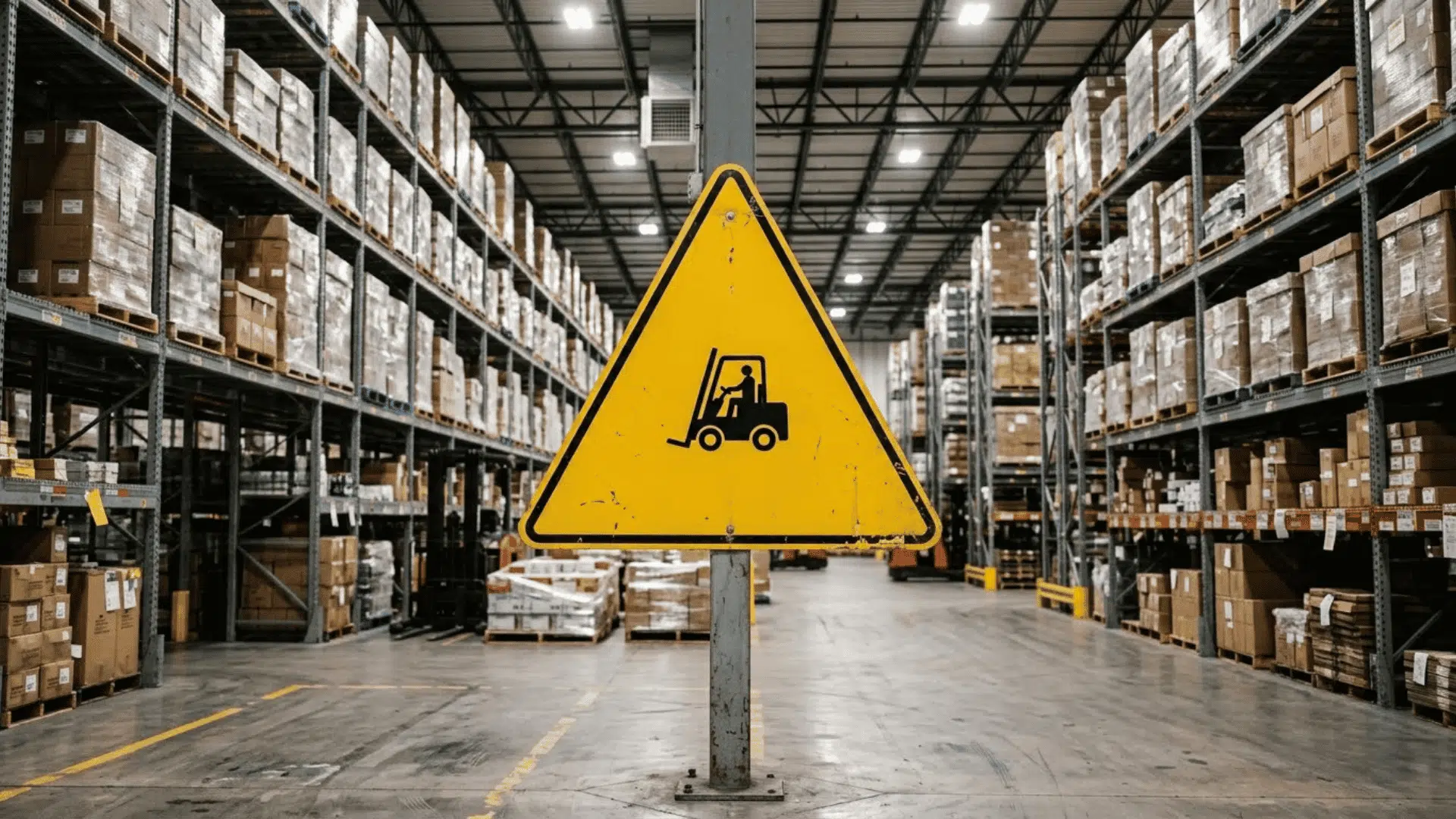
Forklifts and moving equipment | Aisles, docks, intersections | Collisions and struck-by injuries |
Slips and trips | Floors, walkways, docks | Falls and related injuries |
Manual material handling | Picking, packing, loading | Strains and back injuries |
Damaged racks | Storage areas | Falling loads or rack failure |
Unstable pallets and loads | Shelving and staging zones | Falling materials |
Conveyors and machinery | Packing and processing areas | Caught-in injuries |
Loading docks | Trailers and dock edges | Falls and equipment accidents |
Chemicals and batteries | Charging and maintenance areas | Burns, spills, and exposure |
Electrical hazards | Panels, cords, equipment | Shock and fire |
Spotting hazards is only the first step; the next priority is controlling each risk before workers are exposed and checking that those controls remain effective.
Warehouse Safety Best Practices to Reduce Accidents

Strong practices control hazards before workers are exposed. Effective prevention relies on safer layouts, maintained equipment, clear procedures, and proper training, not worker reactions alone.
1. Separate People From Moving Equipment
Traffic planning should also account for forklift size and weight, since larger equipment may need more room to maneuver safely through aisles, turns, and intersections.
- Pedestrian routes: Create dedicated walking paths away from equipment lanes.
- Physical barriers: Separate workers and forklifts with guardrails where practical.
- Controlled intersections: Use marked crossings and stop points in busy areas.
- Blind corners: Install mirrors where operators have limited visibility.
- Traffic patterns: Keep vehicle routes clear and predictable.
- Equipment speeds: Set reasonable speed limits for work areas.
2. Inspect Forklifts and Equipment Before Use
Pre-use inspections can catch equipment problems before they cause an accident. Workers should check components at the start of a shift and report anything that could affect safe operation.
- Tires: Check for wear, damage, or low pressure.
- Brakes: Make sure braking is smooth and responsive.
- Forks: Look for cracks, bends, or visible damage.
- Steering: Confirm the equipment turns and responds correctly.
- Lights and alarms: Test lights, horns, and warning alarms.
- Leaks and damage: Remove unsafe equipment from service rather than passing it to another shift.
3. Store Materials Securely
Stored materials can become serious hazards when products extend into work areas. Safe storage keeps loads stable during both storage and retrieval. When facilities use vertical storage to free floor space, rack capacity, load placement, and safe access still need careful attention.
- Pallet placement: Position pallets evenly and securely on racks.
- Rack limits: Stay within posted load capacities.
- Damaged pallets: Replace broken or weakened pallets promptly.
- Unstable loads: Restack leaning or shifting materials.
- Heavy items: Keep heavier products at lower levels when practical.
- Rack damage: Report impacts, protruding materials, and damaged rack components immediately.
4. Keep Aisles and Work Areas Clear
Continue housekeeping throughout the workday rather than waiting until the end of a shift. Even small objects can create trip hazards or interfere with workers and equipment.
- Spills: Clean liquids as soon as you find them.
- Shrink wrap: Remove loose plastic from floors and aisles.
- Broken pallets: Take damaged wood and debris out of work areas.
- Cords: Keep cables secured and away from walkways.
- Boxes and waste: Prevent materials from collecting in travel paths.
- Exits: Keep emergency exits and access routes clear at all times.
5. Reduce Manual Handling Risks
Many facilities also use automated warehouse systems to reduce manual handling needs and improve control over daily operations.
- Carts: Use wheeled equipment for moving loads over distance.
- Lift tables: Raise products to a practical working height.
- Conveyors: Reduce repeated carrying between work areas.
- Pallet positioners: Bring materials closer to the worker.
- Team lifting: Use additional help for suitable bulky or heavy loads.
- Work positioning: Improve shelf heights, reduce long reaches, and use safe lifting techniques when manual lifting is required.
6. Use Machine Guards and Lockout/Tagout
Conveyors and other machinery may contain moving parts or stored energy even when normal operation stops. Workers need proper safeguards before reaching into equipment.
- Conveyors: Keep guards around moving and pinch-point areas.
- Compactors: Control access to hazardous moving parts.
- Wrapping machines: Keep required guards and barriers in place.
- Clearing jams: Follow approved shutdown procedures before reaching inside.
- Cleaning: Control hazardous energy before cleaning machinery.
- Maintenance: Use required lockout/tagout procedures because switching equipment off alone may not remove stored energy.
7. Make Loading Dock Work Safer
Loading docks bring workers, forklifts, trailers, and elevated edges together in a small area. Consistent controls can reduce falls and loading or unloading accidents. Loading dock conditions during winter also deserve extra attention because weather can affect surfaces, equipment, and freight movement.
- Dock edges: Keep workers and equipment away from unprotected edges.
- Trailer condition: Check floors and trailers before entering.
- Dockboards: Inspect positioning and condition before use.
- Trailer movement: Prevent trailers from moving during loading.
- Lighting: Keep dock and trailer work areas well lit.
- Driver control: Maintain clear communication and use restraints or wheel chocks where required.
8. Control Fire, Electrical, and Chemical Risks
Electrical faults, chemicals, batteries, and fire hazards can affect large areas of a warehouse. These risks require clear access and established procedures workers can follow.
- Electrical panels: Keep required access areas free of stored materials.
- Fire extinguishers: Make sure equipment remains visible and accessible.
- Charging areas: Keep battery charging in designated locations.
- Ventilation: Maintain suitable airflow where fumes may develop.
- Chemical control: Keep containers labeled and follow proper storage procedures.
- Emergencies: Maintain spill procedures and keep emergency exits clear.
9. Use PPE Based on the Actual Task
PPE should match the hazard associated with a particular job. A single rule for every worker may overlook risks that require different protection in different parts of the warehouse.
- Gloves: Select protection based on materials and tasks.
- Eye protection: Use where debris, particles, or chemicals are present.
- Safety footwear: Protect feet from dropped or moving materials.
- High-visibility clothing: Use around forklifts and other vehicles.
- Hearing protection: Provide it in areas with hazardous noise.
- Temperature protection: Use appropriate clothing for hot or cold conditions.
10. Train New and Temporary Workers Properly
New and temporary workers may not know the facility’s restricted areas or operating rules. Clear safety training for industrial operations can help workers understand the hazards, procedures, and responsibilities connected to the work they perform.
- Traffic routes: Explain pedestrian paths and vehicle lanes.
- Restricted zones: Identify areas workers must not enter.
- Emergency exits: Show evacuation routes and exit locations.
- Equipment use: Explain which workers are authorized to operate equipment.
- Reporting: Teach workers how to report hazards and incidents.
- Early supervision: Review job-specific hazards and provide closer oversight during initial shifts.
11. Manage Heat, Cold, and Fatigue
Temperature extremes and fatigue can reduce concentration, reaction time, and physical performance. Risks often increase during long shifts and periods of high seasonal demand.
- Water: Keep drinking water readily available during hot work.
- Rest breaks: Schedule breaks based on working conditions and workload.
- Ventilation: Improve airflow in hot or poorly ventilated areas.
- Acclimatization: Give workers time to adjust to heat exposure.
- Cold conditions: Provide suitable clothing and protection from low temperatures.
- Workload: Manage long shifts, repetitive tasks, and peak-season pressure carefully.
How Should Warehouse Safety Fit Into Each Shift?
Safety should be part of the normal rhythm of every shift, not something workers think about only during scheduled inspections. Small checks before, during, and after work can catch changing conditions before they create larger risks.
Stage | What to Check or Do | Main Purpose |
|---|---|---|
Before the Shift | Equipment, aisles, docks, exits | Catch hazards early |
During the Shift | Spills, rack damage, traffic, unsafe equipment | Control new risks |
Before Breaks or Task Changes | Secure equipment, check conditions, share hazards | Keep transitions safe |
End of Shift | Park equipment, clear areas, record defects | Prepare for handoff |
Weekly or Scheduled Review | Racks, barriers, training, maintenance | Track ongoing issues |
I find that a short handoff check is more effective than relying on memory at the end of a busy shift. Clear updates help the next crew begin work with fewer surprises.
How Often Should Warehouse Safety Be Reviewed?
Review on a regular schedule and whenever working conditions change.
Daily checks can catch immediate hazards, while weekly or monthly reviews help identify patterns that may be missed during normal work.
Reviews should also happen after equipment changes, layout updates, new work processes, near misses, or reported incidents.
Managers can use these reviews to check maintenance records, training needs, open hazards, and corrective actions. Workers should also be encouraged to report unsafe conditions as soon as they appear.
A consistent review process keeps warehouse safety current and helps prevent small problems from becoming larger operational risks.
Practical Warehouse Safety Tips for Everyday Work
Daily safety often depends on small decisions made during routine tasks. Workers can prevent many problems by staying alert, following marked routes, and reacting quickly.
- Keep Emergency Access Clear: Never block emergency exits, extinguishers, eyewash stations, or other safety equipment with pallets, carts, boxes, or equipment.
- Slow Down in Low-Visibility Areas: Reduce speed near blind corners, doorways, rack ends, and intersections where another worker or vehicle may appear suddenly.
- Stay Clear of Unsafe Loads: Never walk beneath raised materials. Avoid damaged pallets, leaning loads, or loads that block your view while moving.
- Use Approved Access Equipment: Use the correct ladder, platform, or lift when reaching elevated areas. Never climb racks, pallets, shelving, or stacked products.
- Report Damage and Near Misses: Speak up after rack impacts, dropped loads, close forklift encounters, or other near misses. Small incidents can reveal larger risks.
- Limit Distractions in Active Areas: Keep phones and other distractions away when working near forklifts, loading docks, machinery, intersections, or busy travel routes.
- Pause When Conditions Change: Stop work when you notice a spill, equipment problem, blocked route, poor lighting, unusual noise, or sudden fatigue. Report the issue before continuing.
Conclusion
A warehouse can look organized and still have risks hiding in plain sight. You may walk the same aisles every day and barely notice how quickly one small problem can turn into a serious incident.
Warehouse safety is easy to underestimate when daily tasks start to feel routine. A blocked path, damaged rack, rushed task, or moving forklift may not seem serious until conditions suddenly change.
Practical warehouse safety topics deserve everyone’s attention on the floor. You don’t need complicated rules to start thinking more carefully about your daily work.
Take a closer look at your workplace today. I would start by noticing the small risks you usually pass without a second thought.
Frequently Asked Questions
How Should Visitors Be Prepared Before Entering a Warehouse?
Visitors should receive basic safety instructions, walking routes, restricted areas, and required protective equipment before entering.
Can Language Barriers Affect Warehouse Safety?
Yes. Provide safety instructions in clear language and a format every worker can understand.
Should Warehouse Contractors Follow the Same Safety Rules?
Yes. Contractors should follow all site-specific safety rules and procedures while working inside the facility.
Why Is First Aid Training Useful in a Warehouse?
First aid training helps workers respond quickly to injuries or medical emergencies before professional help arrives.