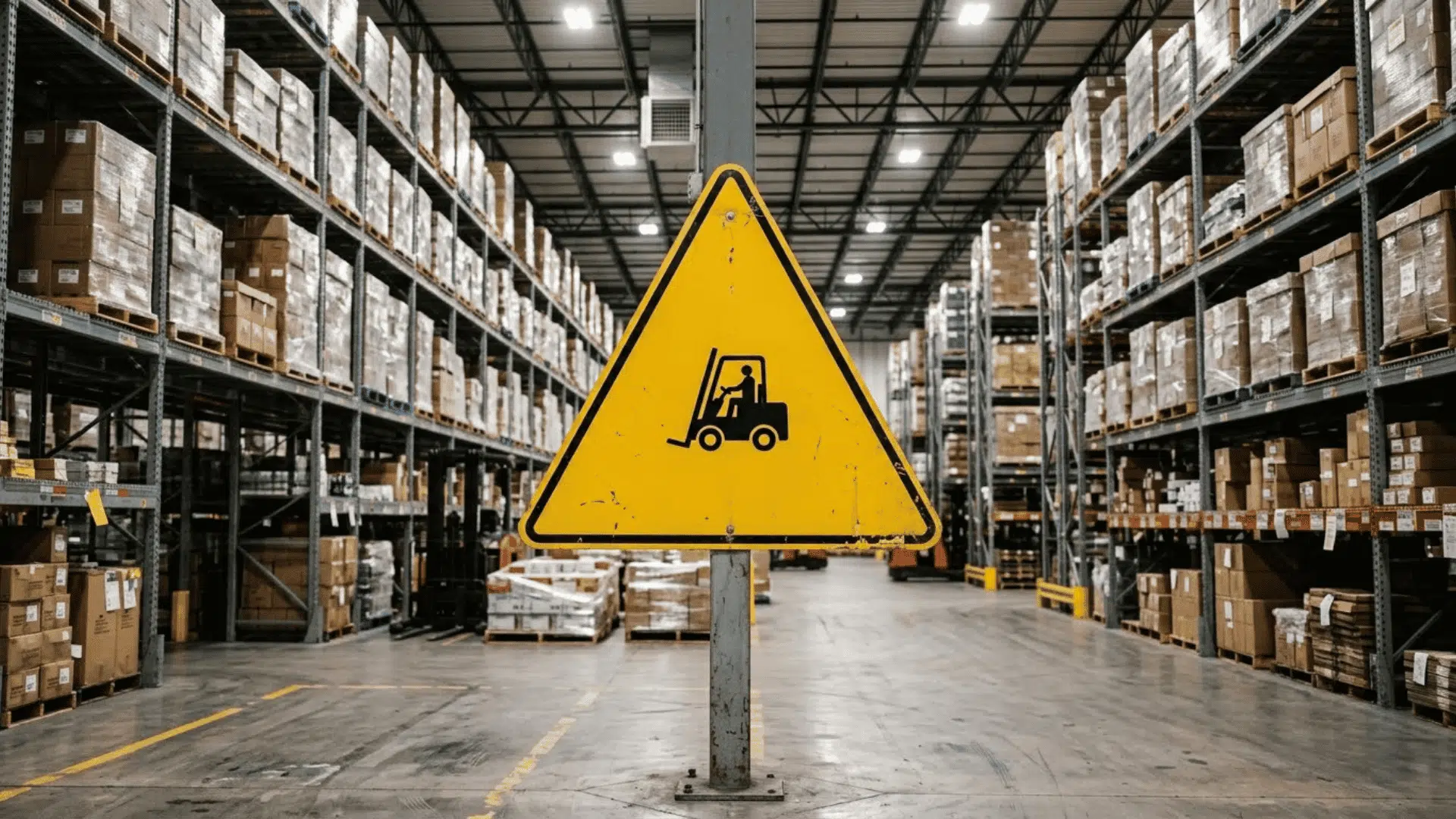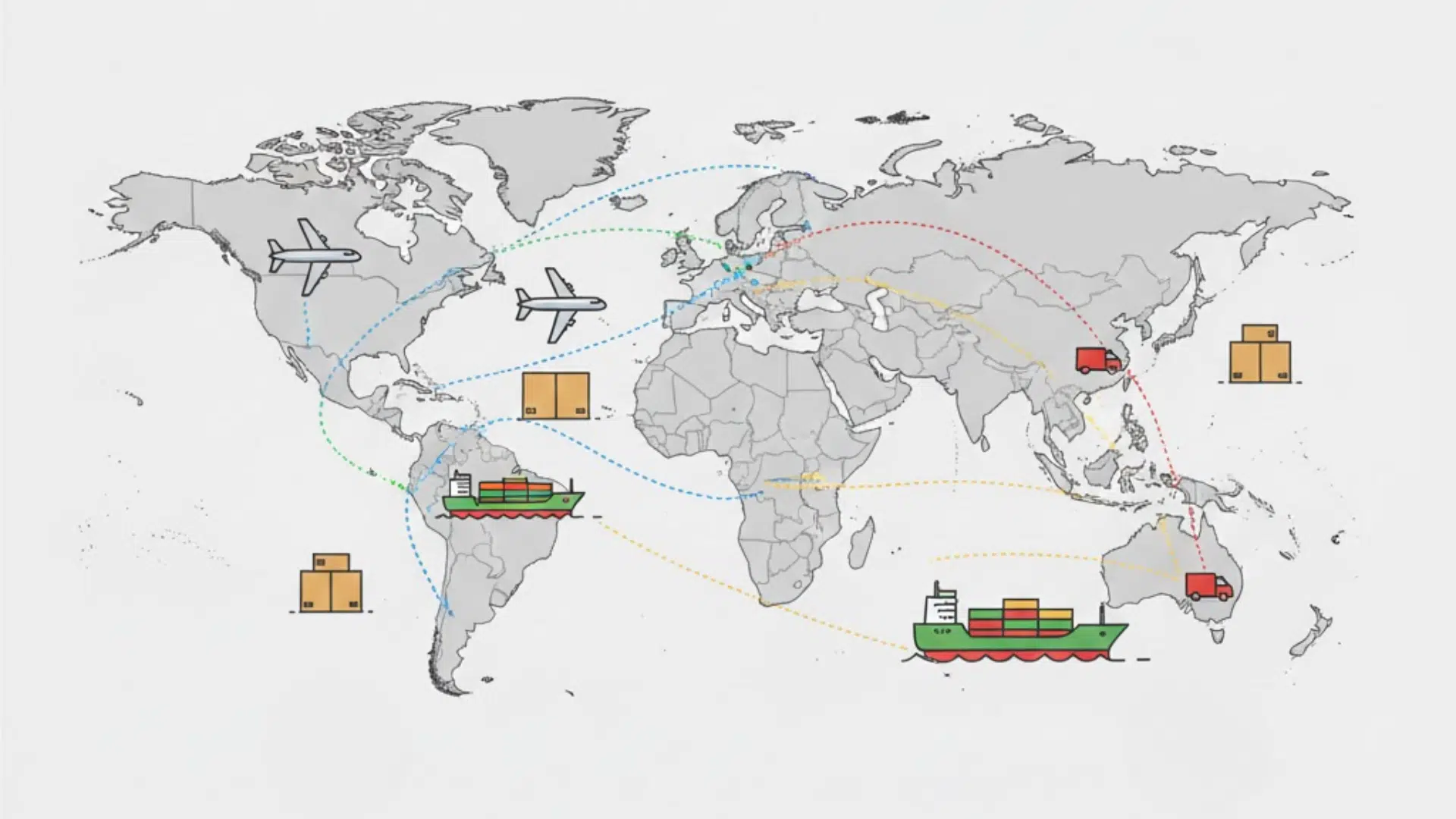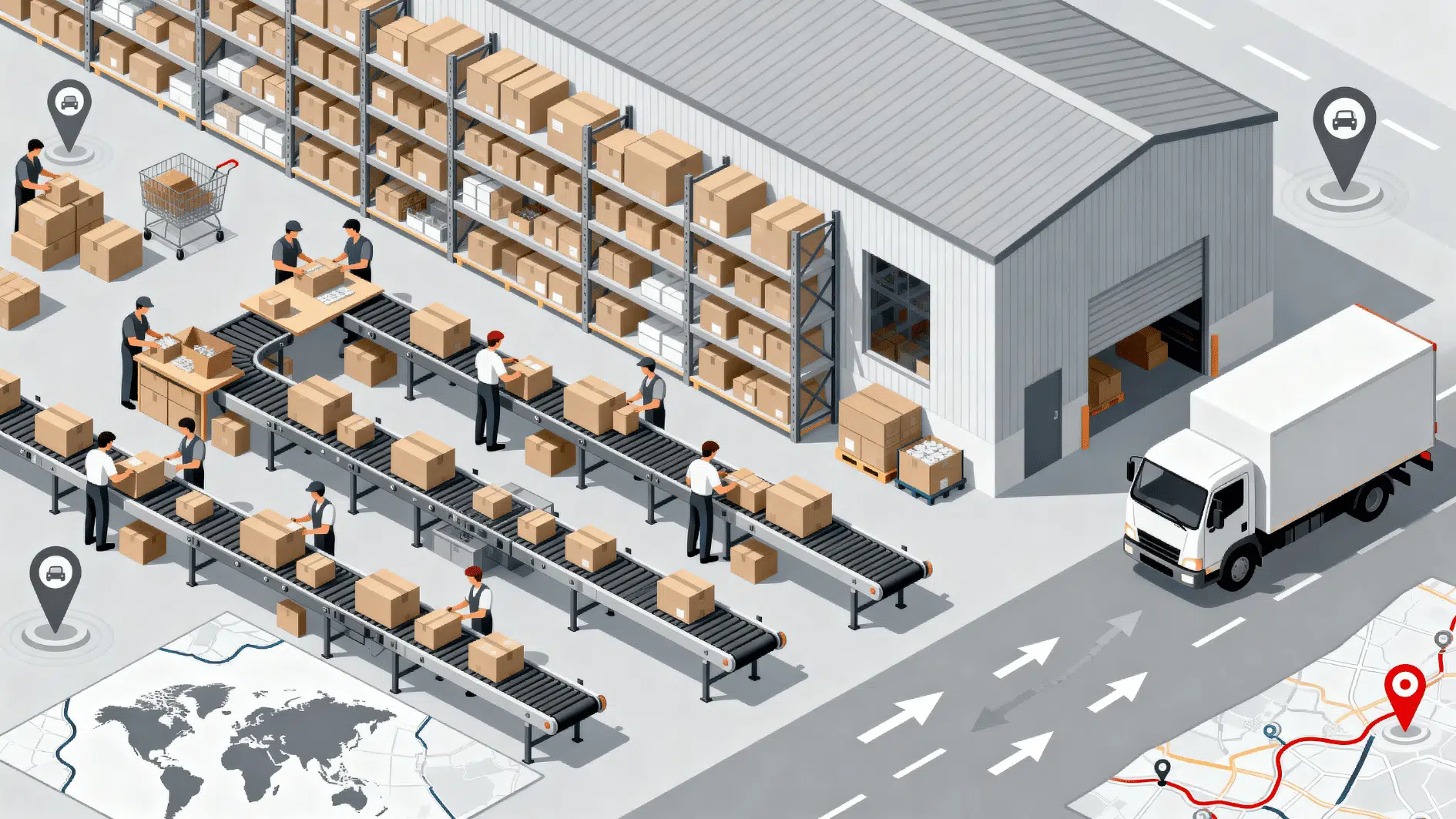
Industrial transport facilities continue operating under demanding safety expectations. Loading yards, maintenance areas, contractor activities, and equipment handling operations place workers in environments where hazard awareness directly affects workforce protection and operational continuity. Supervisors and safety managers across logistics and transport sectors increasingly rely on OSHA compliance course training to improve workforce awareness around inspections, workplace hazards, emergency procedures, and safe operational behavior. Even routine daily tasks can expose workers to elevated risks when safety practices become inconsistent across teams or departments.
Safety Expectations Across Active Transport Facilities
Large transport operations depend heavily on coordination between drivers, maintenance personnel, contractors, dispatch teams, and loading crews. These personnel often work simultaneously around moving vehicles, elevated work platforms, electrical systems, loading docks, and industrial equipment throughout the day. Distribution facilities and transport yards also face operational pressure connected to delivery schedules, equipment availability, and maintenance demands. Safety procedures therefore need to remain practical and clearly understood by all employees.
Employers strengthen workforce awareness through programs such as the OSHA compliance course, that support hazard recognition and regulatory understanding across operational teams. Industrial employers increasingly view workforce safety knowledge as part of operational reliability. Incidents involving falls, struck by hazards, equipment misuse, or unsafe walking surfaces can quickly disrupt productivity while also increasing regulatory exposure and operational downtime.
Training That Supports Hazard Recognition on Site
Operational safety training helps workers make clearer decisions during routine industrial activities. Employees must continuously assess surrounding conditions while carrying out assigned tasks. Maintenance personnel working near energized systems, contractors using power tools in restricted areas, and loading crews operating around heavy vehicle movement all depend on consistent safety procedures that reduce confusion during active operations.
Workers who understand inspection expectations, personal protective equipment requirements, confined space precautions, and reporting procedures are generally better prepared to respond when operational conditions change unexpectedly. A broader understanding of OSHA standards and workplace responsibilities also strengthens communication between departments. This helps support safer day to day coordination across transportation and industrial environments.
Inspection Readiness and Workforce Accountability
Regulatory inspections often place significant pressure on industrial operations because safety failures frequently reveal communication gaps between departments, contractors, supervisors, and frontline personnel. Teams operating around cranes, elevated work surfaces, excavations, or industrial maintenance systems must understand both the physical hazards on site and the reporting procedures tied to OSHA standards.
Workers who understand inspection processes, citation risks, and workplace safety responsibilities are generally better prepared during operational reviews or emergency situations. These employees already understand the reasoning behind established safety procedures. As a result, safety expectations become more integrated into daily operations instead of being viewed as isolated administrative requirements.
OSHA Refresher Training for Changing Industrial Environments

Operational procedures rarely remain unchanged for long periods. Industrial employers regularly introduce new equipment, revised maintenance protocols, contractor rotations, and updated compliance requirements that affect workplace safety expectations across departments. Refresher learning therefore plays an important role in maintaining workforce consistency, especially in facilities where employees operate around lockout tagout procedures, respiratory protection systems, hazardous materials, or emergency response equipment.
Industrial organizations often encourage personnel to take an OSHA refresher course to maintain awareness around hazard communication, hearing conservation, and fire safety. The training also helps workers stay familiar with confined space entry procedures, stop work authority, and broader Safety and Environmental Management Systems requirements. Operational familiarity alone does not always guarantee continued compliance awareness across changing industrial environments.
Operational Coordination During Maintenance and Repair Work
Maintenance shutdowns and repair campaigns frequently introduce elevated operational risk. Temporary work scopes often place multiple teams in confined or restricted operational areas where overlapping activities increase exposure to hazards. Industrial transport operations commonly involve contractors performing electrical repairs, equipment servicing, structural maintenance, or elevated access work while surrounding departments continue supporting active logistics operations nearby.
Supervisors therefore depend heavily on workforce communication, hazard recognition, and procedural consistency to reduce operational confusion during these periods. Even minor misunderstandings involving permit procedures, equipment isolation, or access restrictions can create serious safety consequences. Workers who understand confined space requirements, hazard identification procedures, and emergency response expectations generally contribute more effectively to coordinated maintenance operations where safety decisions must often be made quickly.
Final Thoughts
Industrial transport organizations continue facing operational challenges connected to workforce turnover, contractor coordination, equipment complexity, and regulatory oversight. These conditions increase the importance of maintaining consistent safety standards across all operational levels. Companies investing in OSHA aligned workforce training strengthen operational reliability because employees become more familiar with hazard recognition, reporting expectations, inspection procedures, and safe workplace behavior that directly support daily operations.