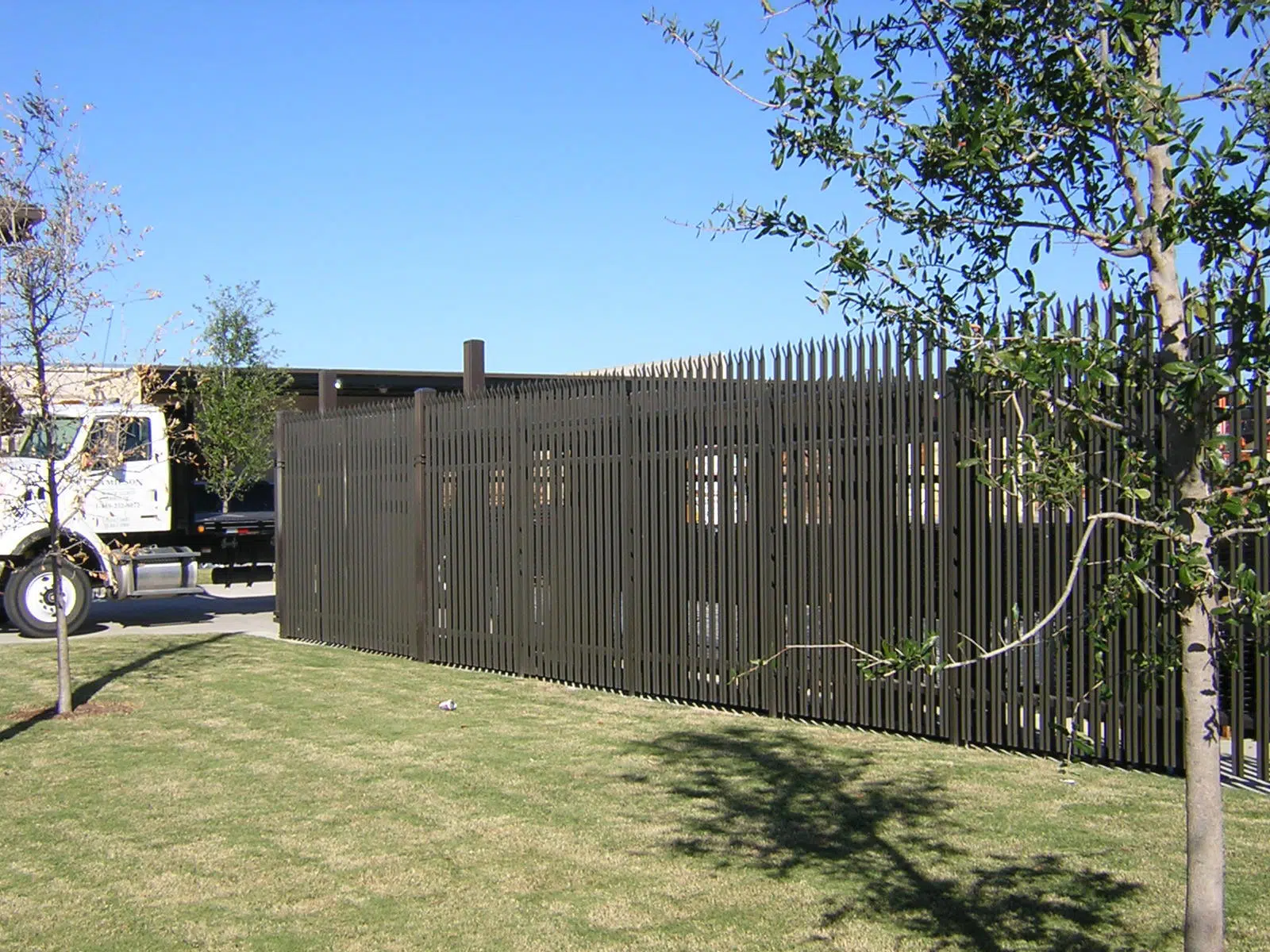
Facility management is more than just maintaining buildings and fixing equipment. Now, it is about designing physically secure, efficient and flexible environments for business stakeholders, employees and visitors. Facility managers have to juggle people, infrastructure, daily operations while keeping everyone safe and compliance with laws / regulations, regardless of whether it is an office campus, warehouse or distribution center, healthcare facility or manufacturing plant.
An important facet of this responsibility is managing access to properties. Identified entry and exit points assist in directing traffic, protecting important assets, and increasing operational efficiency overall. Commercial gates serve to advance these goals as elements of a complete facility management strategy rather than as stand-alone security solutions.
Understanding Modern Facility Management
What Is Facility Management?
Facility management is a type of construction management that coordinates buildings, infrastructure, technology and services used to support the functionality of an organization. It has much broader responsibilities than maintaining the facilities: space planning, security oversight, safety management, and energy efficiency are all part of the job.
Today, a facility manager looks after machines as well as processes that incorporate people, equipment, and infrastructure.
Crucial Goals of Good Facility Management
Efficient facility management emphasizes a few key goals:
- Maintaining safety and security
- Improving operational efficiency
- Meeting regulatory and compliance requirements
- Protecting valuable equipment and property
- Bringing a positive experience to your employees, customers and visitors
These targets all rely on strategic access control across your facility.
Why Controlled Property Access Matters
Managing Daily Traffic Flow
Most commercial properties do have movement during the day, all day. Some of these movements include employees coming to work, visitors coming for meetings, contractors doing maintenance and delivery vehicles transporting goods.
Without organized access points, confusion can maximize delays and reduce productivity. Controlled access systems assist in controlling traffic, promoting a more seamless day-to-day flow.
Reducing Unauthorized Entry
Another crucial aspect of facility management is restricting access to certain places. These data are all before October 2023. Controlled entry points ensure sensitive locations, such as storage yards with valuable inventory or production areas, and employee-only spaces remain less prone to poaching by those seeking easy access in unauthorized ways.
This method increases the security of the entire site and affects service disruptions as a result of visits from unexpected visitors or unauthorized vehicles.
Functions Commercial Gates Provide to Facility Operations
Supporting Perimeter Security
Commercial gates help to some degree establish clear habitats for introduction and exit sites throughout your home. Instead of only using open access, companies are more responsive in tracking movement if they have specific points to access entry.
They are frequently combined with perimeter fencing, surveillance cameras, lighting and access control solutions to enhance a comprehensive security plan. When organizations are considering commercial fences and gates, they often evaluate providers like 78 Fence in conjunction with more expansive conversations about perimeter planning and functional property access solutions.
Improving Vehicle Management
Operational efficiency effect of vehicle traffic
Another thing that helps is an organized point in terms of your entry and exit:
- Direct incoming deliveries
- Reduce congestion during busy hours
- Separate employee and visitor parking
- Enhance circulation on the site
Better vehicle displacement will increase productivity while lessening waiting times.
Protecting Equipment and Assets
Numerous premises hold useful equipment, vehicles owned by the business, stock or specialized equipment.
Limiting vehicle access to material storage yards and operational areas can assist in minimizing the theft, accidental damage, or misuse of your equipment. Access to an organized planning protects assets and supports the efforts of inventory management.
Enhancing Workplace Safety
Safety is still one of the top priorities in facility management.
Several access routes are well defined to separate pedestrian walkways from vehicle traffic, effectively limiting accidents. With organized traffic flow, visibility is increased and the likelihood of conflicts between delivery vehicles, forklifts, employees and visitors is reduced.
Integration with Modern Facility Technologies
Access Control Systems
Digital access technologies are more widely used in facilities today than traditional lock and key systems.
Common access methods include:
- Key cards
- PIN codes
- Mobile credentials
- Biometric authentication
This means you have more control over who can access specific areas while making it easier to manage credentials.
Security Monitoring
Newer access management is integrated into more comprehensive security systems.
These may include:
- CCTV surveillance
- Remote monitoring platforms
- Activity logs
- Incident reporting systems
Along with advanced analytics, these technologies give facility managers greater visibility into property activity and enable quicker responses when outliers happen.
Automation and Smart Management
Robotics continues to revolutionize your facility operations.
Resting of the business application on several platforms of an organization have opened up the common ways to a growing list of systems that now support:
- Scheduled opening and closing times
- Remote operation
- Real-time monitoring
- Data collection for operational analysis
This capability assists the manager in making better decisions while increasing overall efficiency.
Market Geographical with Organized Access Management
Warehouses and Distribution Centers
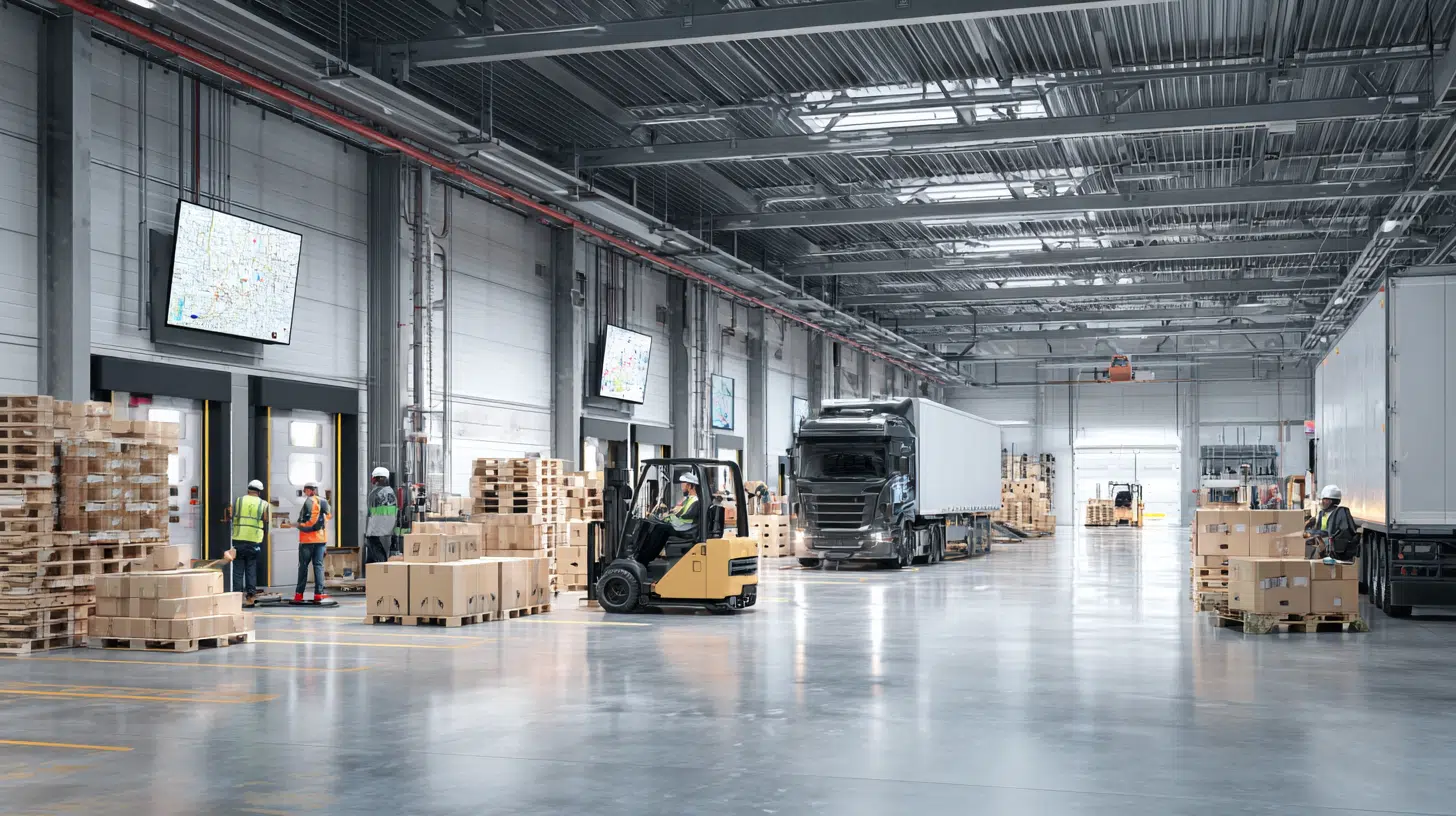
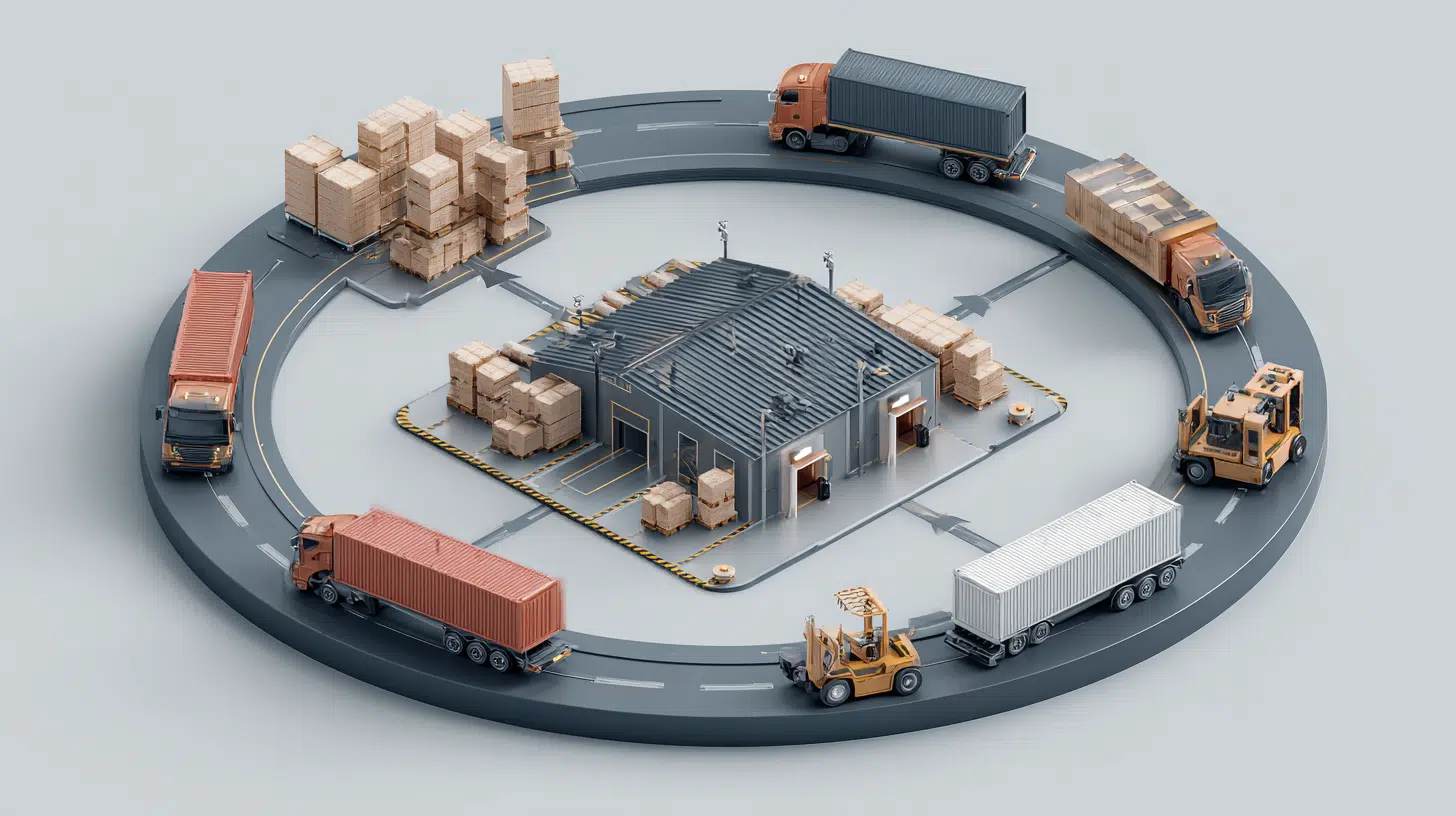
Distribution facilities rely on the movement of freight. Controlled access points assist in synchronizing delivery times, which control truck traffic and minimize wait time associated with cargo transfers at the terminals.
Manufacturing Facilities
There are production machines of sensitive nature, and areas where that needs to be restricted within a manufacturing environment. Controlled access can accommodate supplier visits while safeguarding critical manufacturing.
Office Campuses
Organized employee parking, visitor management and building access control prove advantageous for corporate campuses. Good access systems help enhance the convenience levels and simultaneously improve workplace security.
Healthcare and Educational Facilities
Hospitals, clinics, educational institutions in the form of schools and universities have a lot of traffic every day. Access planning that enables emergency response without hindering the movement of staff, students, patients and visitors.
Retail and Commercial Complexes
Private equity holding out for their investors is all well, but retail centres need to be both customer and operationally attractive. Access points are clearly addressed to provide safe service entrances and loading zones as well as clear employee and customer traffic channels without hindering day-to-day business activities.
Facility Access Planning Best Practices
Assess Traffic Patterns
Each facility has its own operating needs.
Managers should evaluate:
- Peak operating hours
- Delivery schedules
- Emergency vehicle routes
- Employee arrival and departure patterns
This information provides for more efficient access planning.
Balance Security with Convenience
Property should be secured but security should not unnecessarily hold things up. Effective access management enables efficient movement for authorized users while ensuring that necessary security controls are in place.
Schedule Routine Maintenance
Infrastructure upgrades work better with routine maintenance.
Routine inspections should include:
- Cleaning moving components
- Inspecting mechanical systems
- Testing automated equipment
- Addressing wear before failures occur
Preventive maintenance makes sure there are less unpredicted downtimes and the life of the equipment is extended.
Train Staff on Access Procedures
All staff should know the visitor protocols, emergency procedures and how to operate equipment. Policies which are clear and straightforward are more easy to maintain and they enhance both security and operational effectiveness.
Common Challenges Facility Managers Face
Traffic Bottlenecks
In fact, congestion builds up during shift changes or delivery time.
Bottlenecks can be greatly minimized with careful scheduling, dedicated paths of traffic, and more efficient site planning.
Equipment Downtime
Mechanical systems must be maintained to stay trustworthy. During preventive inspections, small problems can be identified before they evolve in costly operational downtimes.
Changing Security Requirements
With the organisation getting bigger, their security requirements change. Facility managers should implement regular access policy, technology, and infrastructure reviews to confirm that they are still equipped to fulfill operational needs.
Emerging Trends in Facility Access Management
AI-Assisted Security Monitoring
AI techniques play a major role in surveillance by alerting to anomalous behaviour, automatic detection of threats, tracking suspicious targets and fast support for operators in taking follow-up actions.
Cloud-Based Access Management
With centralized dashboards, cloud platform enables organizations to manage multiple facilities and provides for a more scalable and easy-to-administer access control solution across various locations.
Sustainability in Facility Infrastructure
The market for facility planning continues to be influenced by sustainability. However, with energy-efficient automation, ruggedized materials and infrastructure planning over several decades, organizations can lower their operating costs while meeting environmental objectives.
Final Thoughts
The new era of facility management goes far beyond keeping physical structures in shape. Here security, traffic management, asset protection and workplace safety must be planned.
Part of an overall plan, which uses technology, regular maintenance and infrastructure design for the purpose of process optimization, commercial gates play a key role in such initiatives. As facilities trend towards smarter management practices, reviewing and enhancing access management plans can optimize operational efficiency now while ensuring long-term site performance as well.