Crepe myrtles have earned a loyal following across the South for good reason. They deliver months of colorful blooms, attractive bark, and dependable performance during hot summers when many other landscape plants struggle. Homeowners appreciate their versatility because they work just as well as a focal point in the front yard as they do lining a driveway or adding color to a backyard gathering space. While they are known for being relatively easy to grow, proper care makes a tremendous difference in how healthy and beautiful they look year after year.
The Beauty and Benefits of a Bold Landscape Performer
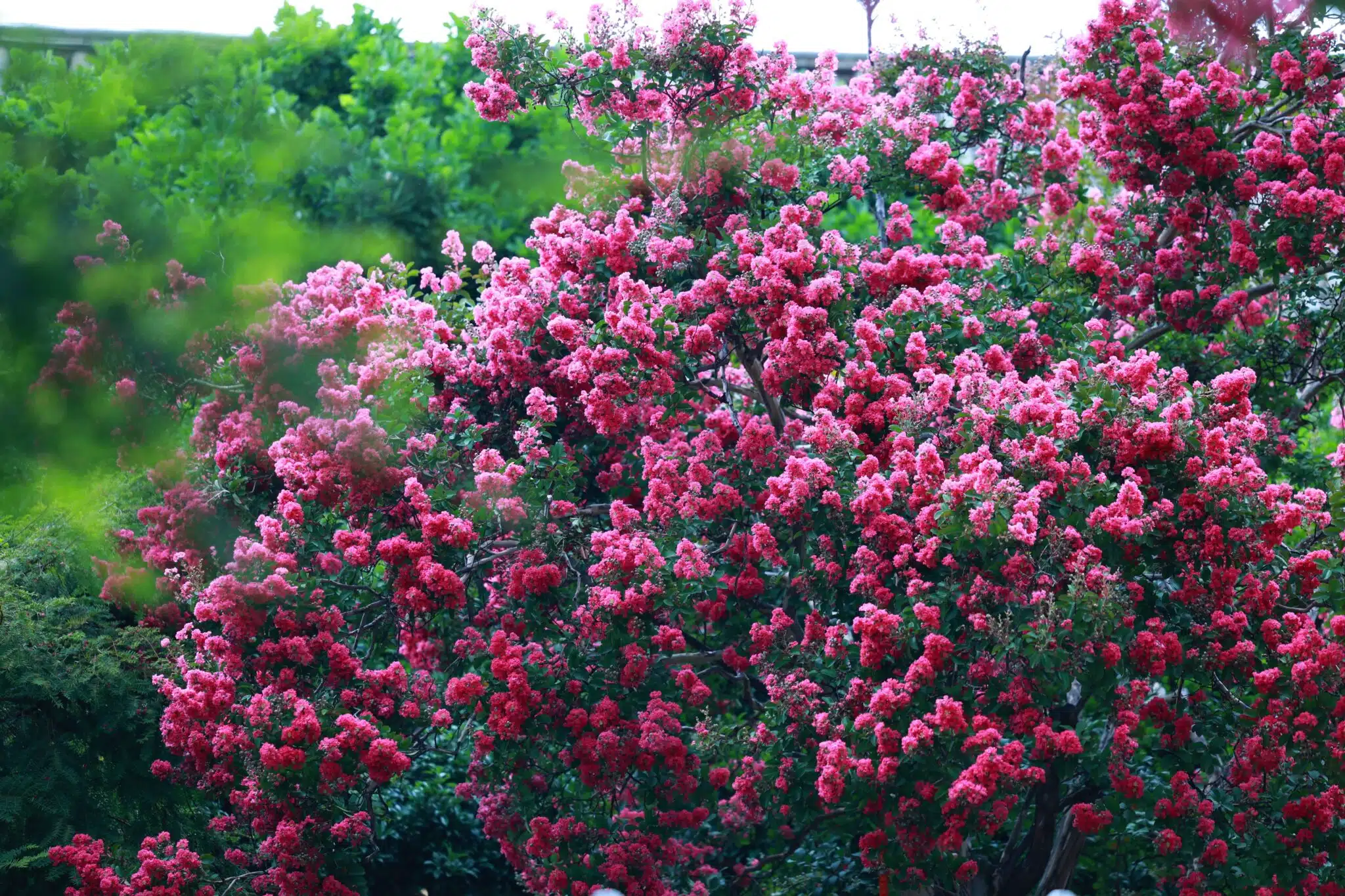
One of the biggest reasons homeowners love Crepe myrtle trees is their ability to provide long-lasting color during the hottest part of the year. Depending on the variety, blooms can appear in shades of pink, white, red, lavender, or deep purple and often remain on display for weeks. Even after flowering ends, many varieties continue to add interest through striking bark and vibrant fall foliage.
Another advantage is their adaptability. Crepe myrtles tolerate heat, humidity, and periods of drought better than many ornamental trees. Once established, they generally require less watering than other landscape favorites. This combination of beauty and resilience makes them a practical choice for homeowners who want a landscape that looks impressive without requiring constant attention.
Their size flexibility also contributes to their popularity. Dwarf varieties fit comfortably into smaller yards, while larger selections can become stunning shade trees. With so many options available, it is easy to find a crepe myrtle that complements almost any property.
Planting for Long-Term Success
Proper planting lays the foundation for years of healthy growth. Crepe myrtles perform best in locations that receive full sun. Six or more hours of direct sunlight each day encourages stronger flowering and healthier overall growth. Trees placed in excessive shade often produce fewer blooms and may become more vulnerable to disease issues.
Soil preparation matters as well. While crepe myrtles tolerate a variety of soil conditions, they prefer well-drained locations. Standing water around the roots can lead to stress and poor performance. Before planting, homeowners should make sure water drains properly from the selected site.
Mulching around the base of the tree helps retain moisture, regulate soil temperatures, and reduce weed competition. However, mulch should never be piled directly against the trunk. A thick mound of mulch can trap moisture and create conditions that encourage pests and disease.
Watering is especially important during the first year after planting. Consistent moisture helps establish a strong root system that supports healthy growth for years to come.
Pruning and Maintenance for Better Growth
Many homeowners make the mistake of over-pruning crepe myrtles. In fact, severe annual cutting has become so common that landscape professionals often refer to it as “crepe murder.” Excessive pruning can create weak growth, reduce the tree’s natural beauty, and increase maintenance needs down the road.
Instead, pruning should focus on removing dead, damaged, or crossing branches. Light thinning improves air circulation and allows sunlight to penetrate the canopy. This approach preserves the tree’s natural form while promoting healthy growth.
Regular inspections can help identify potential problems before they become serious. While crepe myrtles are generally durable, they can occasionally experience issues such as powdery mildew, aphids, or scale insects. Catching these concerns early often makes treatment easier and more effective.
For homeowners interested in boosting curb appeal, maintaining a well-shaped crepe myrtle can make a dramatic difference. Healthy trees with vibrant blooms create an inviting appearance that enhances the overall look of a property and complements other landscape features.
When Professional Help Makes Sense
Although many homeowners enjoy handling basic landscape maintenance themselves, there are situations where professional assistance is worth considering. Large, mature crepe myrtles can become difficult to prune safely without proper equipment and experience. Improper cuts may damage the tree and create long-term structural problems.
Professional landscapers and certified arborists understand how different crepe myrtle varieties grow and can recommend maintenance practices tailored to specific conditions. They can also identify pest issues, soil problems, and disease concerns that may not be obvious to the average homeowner.
Hiring professionals can be especially valuable when planting multiple trees as part of a larger landscape project. Proper spacing, site selection, and variety selection all influence long-term performance. Expert guidance helps homeowners avoid costly mistakes and achieve a more polished result.
Many property owners also choose professional maintenance services because they save time. Instead of spending weekends trimming, inspecting, and troubleshooting landscape issues, homeowners can focus on enjoying the finished product.
Choosing the Right Variety for Your Yard
Not all crepe myrtles are created equal. Some stay under ten feet tall, while others can reach heights exceeding twenty feet. Choosing the right variety prevents future problems and reduces the need for excessive pruning.
Before purchasing a tree, homeowners should consider mature height, bloom color, and available space. Planting a large-growing variety beneath utility lines or too close to a home often creates maintenance headaches later.
Local nurseries and landscape professionals can recommend varieties that perform well in the region and match the homeowner’s design goals. Taking the time to select the right tree often leads to better results and lower maintenance requirements over the life of the landscape.
Crepe myrtles remain one of the most dependable and attractive landscape trees available to homeowners. With proper planting, sensible pruning, and occasional professional guidance, they can provide years of vibrant color and lasting beauty while enhancing the overall appearance of a property.