The first moving quote always feels like the number.
You get the estimate, stare at it for a minute, maybe compare it with two others, and start building the whole move around that figure. Truck, container, movers, maybe car shipping. Big-ticket stuff. Easy to see.
Then the other costs start showing up.
Not dramatic costs. Annoying ones. Airport parking. Another hotel night. Fast food again because the pans are packed. A rideshare from the rental counter. A pet fee. A new phone charger because the real one is buried in a box labeled “misc.” That’s how a move gets more expensive without any single charge feeling unreasonable.
Travel Plans Are Where Budgets Start Leaking
The moving company handles the boxes. You still have to move the people.
That sounds obvious until the week gets messy. One person has to stay behind for the final walkthrough. Someone else needs to fly ahead to pick up keys, meet the internet installer, or get the kids registered for school. The dog can’t travel in the moving truck, the car is packed too tightly for a comfortable drive, and suddenly the “simple” move has turned into a small travel itinerary.
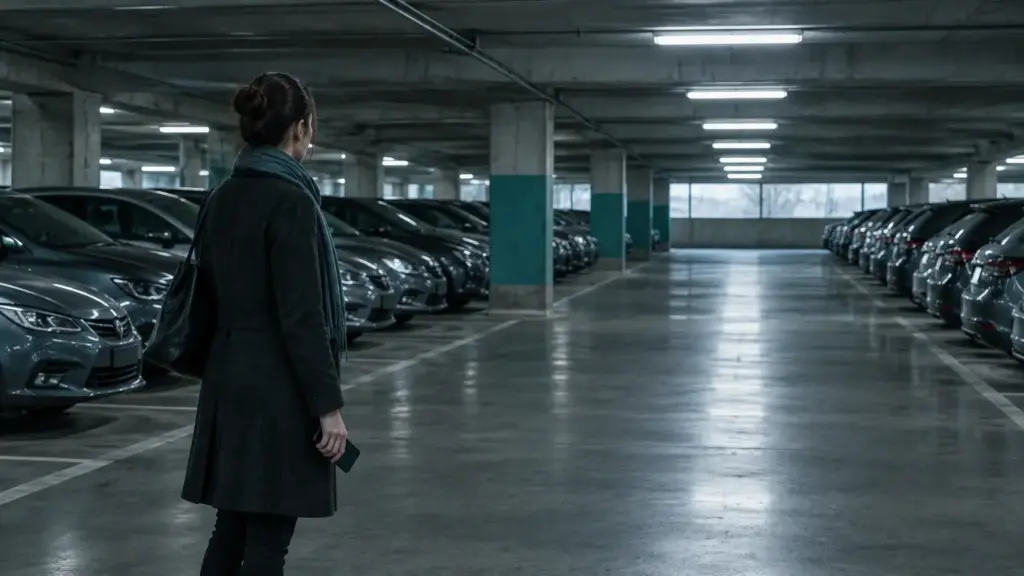
A family leaving Minnesota, for example, might price out two rideshares, a friend drop-off, a rental car return, and off-site parking near MSP before deciding what to do with the car while they handle the first leg of the move. The cheapest option on paper may not be the easiest one at 5:30 a.m. with luggage, snacks, a stroller, and one child asking where the tablet charger went.
Flights have their own little traps. The fare looks fine, then the real trip adds checked bags, seat selection, pet fees, airport food, and maybe early boarding so the family can sit together. None of those are luxury purchases. They’re the kind of choices people make when they’re already tired and trying not to turn moving day into a second job.
Driving can look cheaper, but only if you count it too lightly. Gas is the number everyone writes down. Wear on the car, tolls, parking, snacks, roadside supplies, oil changes, and another night in a hotel tend to stay fuzzy. The IRS standard mileage rates are a useful reminder that a long drive costs more than whatever shows up on the pump screen.
The better way to plan is to separate the belongings trip from the people trip. Where are the boxes going? Fine. Now ask a different question: where are the humans, pets, cars, medications, laptops, and keys going every day between move-out and move-in? That second map is where the hidden costs live.
The Awkward Gap Costs More Than People Expect

The worst part of a cross-country move is often the gap.
You’re out of the old place, but the new place isn’t ready in a usable way. Maybe the closing is at noon, but the truck can’t unload until the next morning. Maybe the apartment building only allows move-ins from 9 to 4 on weekdays. Maybe the container arrives on Friday, but the keys don’t. Nothing is “wrong,” exactly. The timing just doesn’t line up.
That gap is expensive because it forces temporary decisions. A hotel room. Then another one. Dinner out because the kitchen is empty. Breakfast out because the coffee maker is in a box somewhere on the highway. Laundry because everyone packed for two days and the move is now on day four.
This is where people get caught by optimism. They plan around the best version of the schedule: truck arrives, keys work, elevator is free, kids are patient, weather behaves. A better plan assumes at least one piece will be annoying. Jack Cooper’s cross-country moving guide gets at this broader reality: long-distance moving is not just transportation, it’s timing, handoffs, and backup plans.
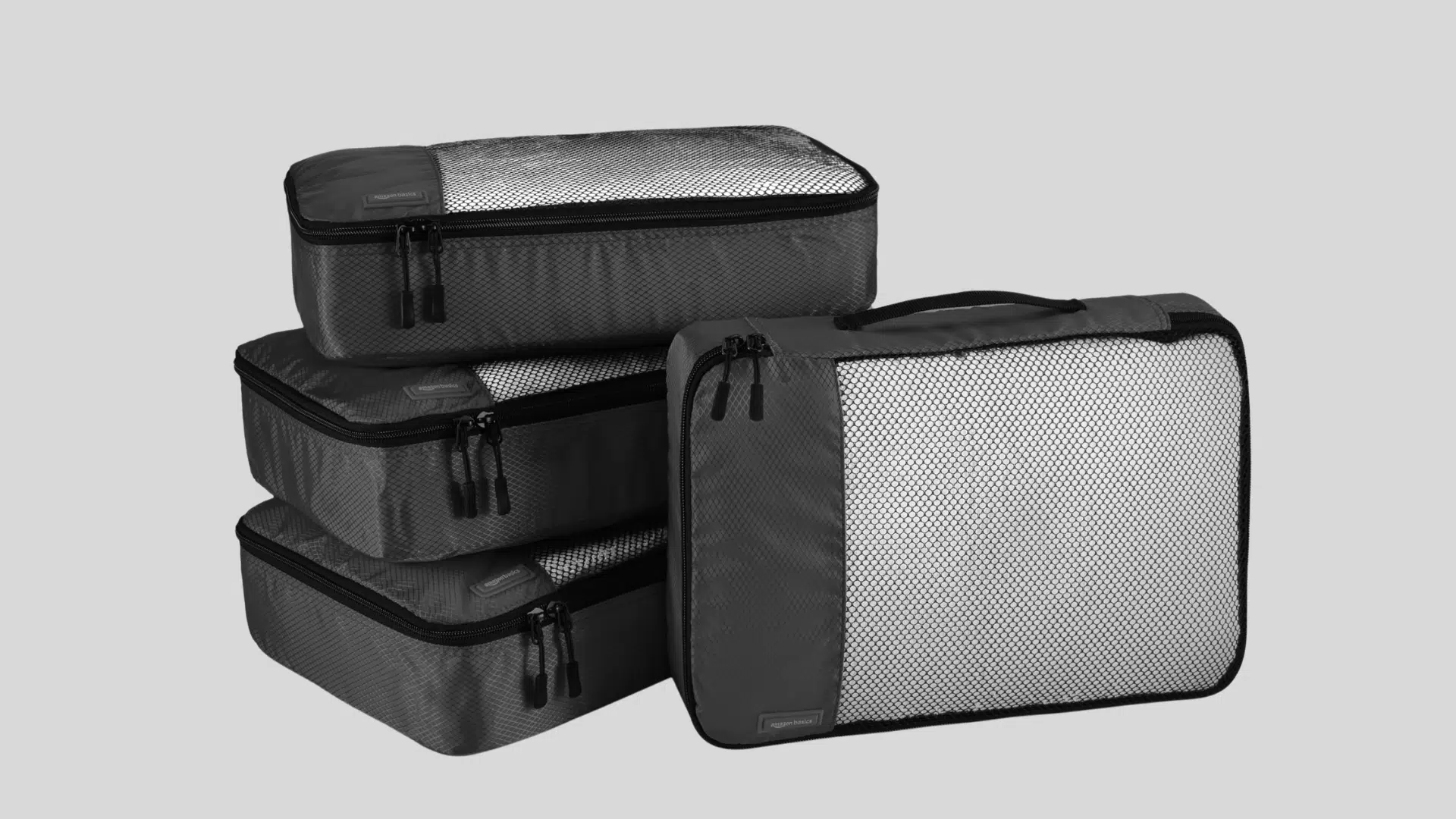
A small “delay kit” helps more than people think. Not a cute overnight bag. A real one. Two days of clothes. Medicine. Chargers. Pet food. Paperwork. Work laptop. A few snacks that don’t melt in the car. Something for kids to do that doesn’t require Wi-Fi. Basic toiletries that are not packed in the bathroom box at the back of the truck.
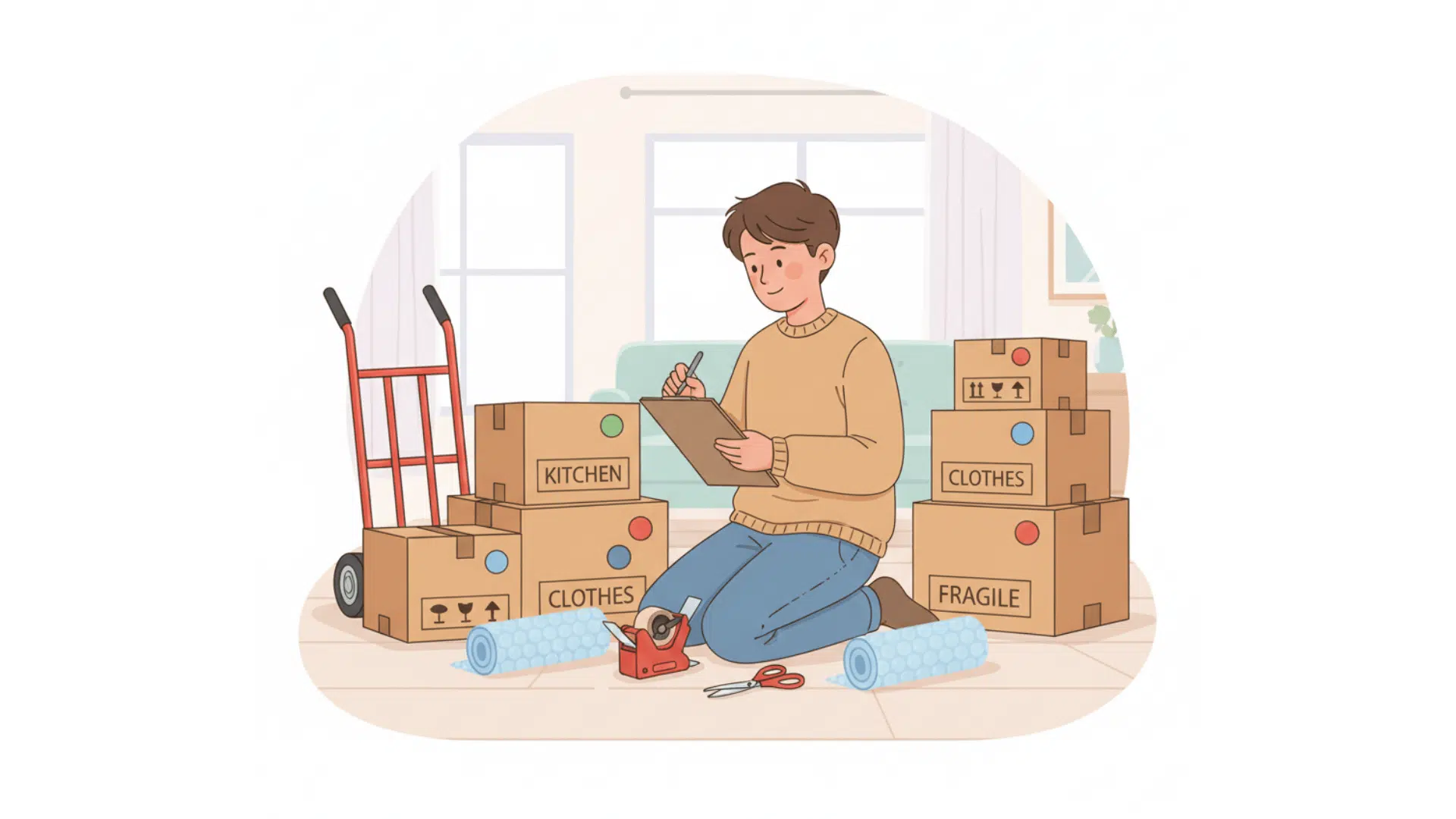
The same goes for supplies. People buy boxes, tape, and maybe bubble wrap, then discover the missing items late: mattress covers, scissors, stretch wrap, labels, zip bags for screws, trash bags, cleaning wipes, a cheap toolkit. A solid moving supplies checklist can save the kind of last-minute shopping trip where every small item suddenly costs more because you need it right now.
Food deserves a real line in the budget, too. Moving week is not the week most people cook responsibly. The fridge gets emptied. The pots are packed. Nobody wants to hunt for a grocery store after eight hours of driving. Build in takeout money without guilt. The problem is not buying pizza on the floor of the new living room. The problem is pretending you won’t.
Cars Can Change the Whole Shape of the Move
A car decision can quietly redraw the whole budget.
Driving your own car across the country feels straightforward. You already own it. You need it at the new place. Why pay someone else to move it? Sometimes that logic holds. Sometimes it falls apart after you add three hotel nights, meals, missed work, tolls, fatigue, and the fact that not every family wants to spend 1,600 miles arguing over whose turn it is to pick the podcast.
Shipping a car has a more visible price, which makes it easier to judge. Driving has a softer price, which makes it easier to underestimate. The fair comparison is not shipping versus gas. It’s shipping versus the whole drive. Jack Cooper’s guide to shipping a car cross-country is useful because it treats vehicle transport as part of the moving plan, not as an extra thought tacked on after everything else is booked.
The two-car household gets even trickier. If both cars are driven, do both adults lose travel days? If one person flies, where does the second car go? If one car arrives later, can the family manage school drop-offs, grocery runs, hardware-store trips, and work errands with one vehicle? These are boring questions. They are also the questions that decide whether a move feels controlled or chaotic.
Rental cars can be another surprise. The daily rate is rarely the full bill. Airport fees, insurance decisions, child seats, toll devices, fuel rules, and one-way charges can all change the total. A neighborhood rental location may cost less than the airport counter, but only if the ride there doesn’t erase the savings.
Pets add another layer. Airlines have carrier rules, fees, and temperature restrictions, and security takes time. TSA’s guidance for traveling with small pets is worth checking before assuming the airport part will be quick. A nervous dog, a crowded line, and a tight connection can turn a neat plan into a very long morning.
Protection costs also belong in the same conversation. If something is delayed, lost, or damaged, the replacement costs often show up as travel costs first: another hotel night, another dinner out, another temporary purchase because the thing you need is unavailable. The Federal Motor Carrier Safety Administration explains mover liability options through its liability protection guidance, and it’s worth reading before choosing the cheapest coverage just to keep the quote down.
Some convenience costs are worth paying. A hotel closer to the new place. A direct flight instead of a cheaper connection with a pet. Car shipping instead of a brutal drive. Extra baggage instead of mailing essentials and hoping they arrive. The point is not to avoid every added cost. It’s to choose the ones that prevent bigger headaches.
Wrap-Up Takeaway
The hidden travel costs of a cross-country move are not mysterious. They hide because they happen around the move instead of inside the moving quote. Getting people, pets, cars, keys, luggage, food, and basic supplies from one home to the next takes its own budget. The smartest movers leave room for the messy middle: the hotel night, the airport decision, the delayed truck, the rental car, the dinner nobody planned to buy. A clean spreadsheet is nice, but a realistic one is better. Today, add a separate “travel friction” line to your moving budget and fill it with the costs that could appear before your first normal night in the new home.