Every year, millions of people fall ill after consuming contaminated food. While many cases resolve on their own within a day or two, some symptoms of foodborne illness signal something far more serious — and dismissing them can lead to dangerous complications. Knowing which warning signs demand attention could be the difference between a swift recovery and a medical emergency.
The Early Warning Signs
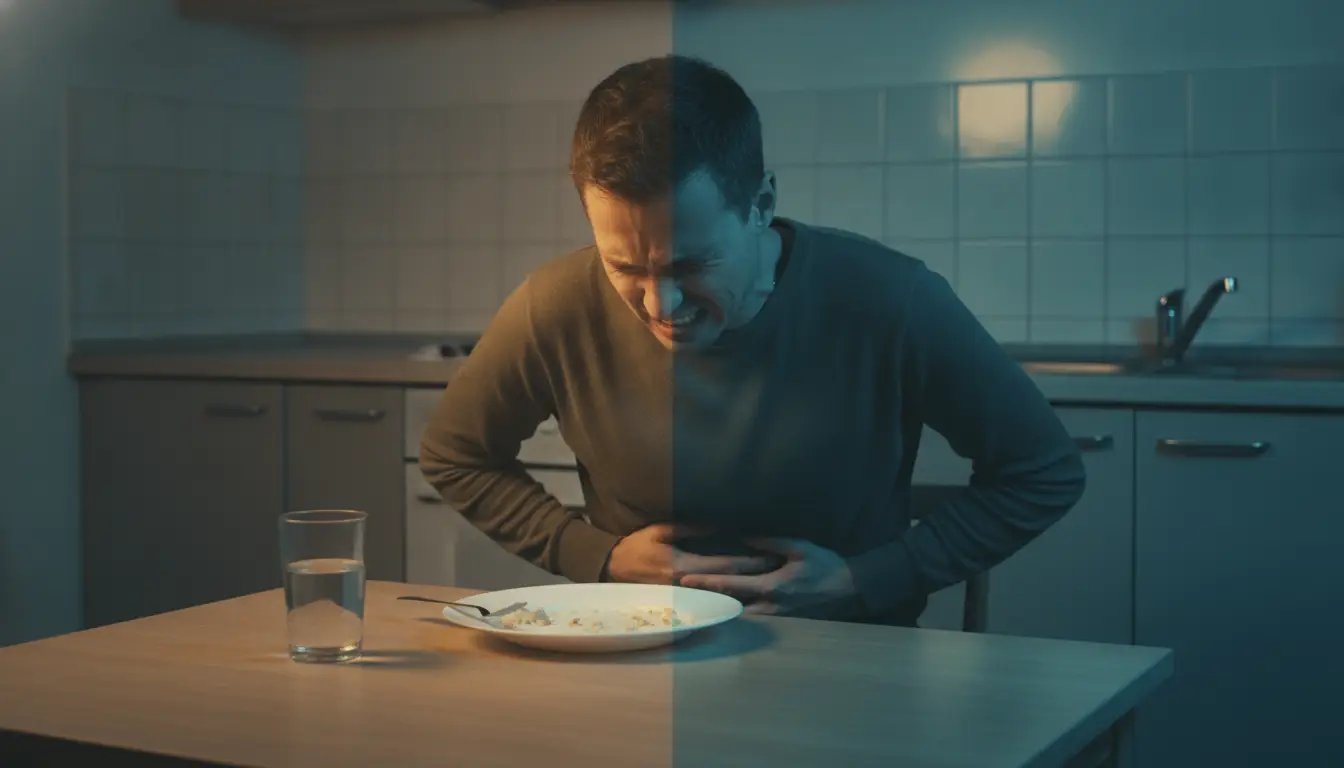
Foodborne illness or food poisoning typically begins with nausea, stomach cramps, and a general feeling of being unwell. These early symptoms can appear anywhere from 30 minutes to several days after eating contaminated food, depending on the pathogen involved — and in some cases, such as listeriosis, symptoms may not show up for a few weeks.
Mild nausea and a single bout of vomiting might not be cause for alarm, but when these symptoms escalate quickly or persist beyond 24 hours, your body is telling you that something more than a minor upset is at play. Pay close attention to how rapidly your condition changes — a sudden onset of violent vomiting, for instance, could indicate a bacterial toxin such as Staphylococcus aureus or Bacillus cereus, both of which require careful monitoring.
Persistent Vomiting and Diarrhoea
Occasional digestive upset is one thing, but repeated vomiting and diarrhoea that drag on are worth taking seriously — particularly if you’re struggling to keep fluids down. NHS guidance suggests contacting 111 if vomiting lasts more than two days or diarrhoea persists beyond a week, but the more urgent trigger is any sign that you’re becoming dehydrated.
The primary danger here is dehydration, which can set in surprisingly fast, particularly in young children, the elderly, and those with compromised immune systems.
Watch for signs of dehydration alongside your gastrointestinal symptoms: a dry mouth, dark-coloured urine, dizziness when standing, and a noticeable drop in urination frequency. If you cannot keep fluids down for more than a few hours, seek medical help without delay. Severe dehydration can damage the kidneys and, in extreme cases, become life-threatening.
Blood in Vomit or Stool
Blood in your diarrhoea, bleeding from your bottom, vomiting blood, or vomit that looks like coffee grounds — none of these are things to shrug off. They can point to a more serious infection or bleeding somewhere in the digestive tract, and they need to be assessed urgently. Pathogens like E. coli O157:H7, Salmonella, and Shigella can damage the lining of the intestines, and certain E. coli strains are particularly nasty because they can trigger haemolytic uraemic syndrome (HUS), a condition that attacks the kidneys and can become life-threatening. If you notice any blood, get in touch with a healthcare professional sharpish.
High Fever
Running a slight temperature when you’re poorly is par for the course — it’s just your immune system doing its thing. But if your fever climbs above roughly 38.5–39°C (101–102°F) alongside other food poisoning symptoms, that’s a sign the infection could be more serious. Nasties like Listeria and Salmonella are known for causing high fevers, and listeriosis is particularly dangerous for pregnant women, newborns, older adults over 65, and anyone whose immune system isn’t firing on all cylinders.
If paracetamol barely makes a dent and the fever hangs around for more than a couple of days, don’t just soldier on. Get it checked out. A persistent high temperature may signal a more severe infection that needs proper medical attention.
Neurological Symptoms
Now, this is where things get properly scary. Blurred or double vision, tingling in your hands and feet, muscle weakness, and trouble swallowing or getting your words out — these are hallmarks of botulism, a rare but extremely dangerous illness caused by toxins from Clostridium botulinum.
Botulism is a genuine medical emergency. The toxin goes after your nervous system and can cause paralysis and respiratory failure if it’s not treated. If you or someone you’re with develops neurological symptoms after eating — particularly after tucking into home-canned, fermented, or poorly stored food — ring 999 or get to A&E straight away. No ifs, no buts.
Who Is Most at Risk?
Anyone can get food poisoning, but some groups are far more likely to end up seriously ill. Pregnant women, little ones under five, older adults, and people with compromised immune systems all face a higher risk. For these groups, even moderate-looking symptoms should be checked by a GP sooner rather than later — it’s always better to be safe than sorry.
Understanding who’s at risk is a massive part of prevention. If you work in food service, hospitality, or a care setting, completing online food safety awareness training gives you the solid grounding you need to handle, store, and prepare food properly — and to protect the people who are most vulnerable.
When to Seek Emergency Help
You should seek urgent medical attention if you experience any of the following alongside suspected food poisoning:
- Bloody stools or vomit
- A fever exceeding 38.5°C that lasts more than two days
- Signs of severe dehydration, including confusion or fainting
- Neurological symptoms such as blurred vision, muscle weakness, or difficulty speaking
- Symptoms that show no improvement after three days
- Any severe symptoms in a high-risk individual, particularly a young child, elderly person, or pregnant woman
Diarrhoea lasting more than three days, vomiting that prevents you keeping fluids down, worsening dehydration, blood in diarrhoea, vomiting blood, or neurological symptoms all need urgent medical advice.
Prevention Starts with Awareness
Most foodborne illnesses are entirely preventable. Proper hand hygiene, thorough cooking, correct refrigeration temperatures, and avoiding cross-contamination are the cornerstones of food safety. Yet one area of prevention that is frequently overlooked is allergen management. While not a traditional “foodborne illness” in the bacterial or viral sense, allergic reactions to food can produce symptoms that are every bit as dangerous — including anaphylaxis, which can be fatal within minutes.
For anyone involved in preparing or serving food, online food allergen training is an essential step in understanding how to identify, communicate, and manage allergen risks effectively. With food allergies on the rise globally, this knowledge has never been more important.
Don’t Gamble with Your Health
It can be tempting to ride out food poisoning at home, and in many mild cases, rest and rehydration are all that is needed. But the symptoms outlined above are your body’s way of sounding an alarm. Ignoring them doesn’t make you resilient — it puts you at genuine risk.
Stay informed, practise safe food handling, and never hesitate to seek medical advice when something feels wrong. Foodborne illness is common, but its most serious consequences are almost always avoidable when people take the right precautions and act quickly at the first sign of danger.