By Julian Tillotson, Founder & CEO, INDIRAP
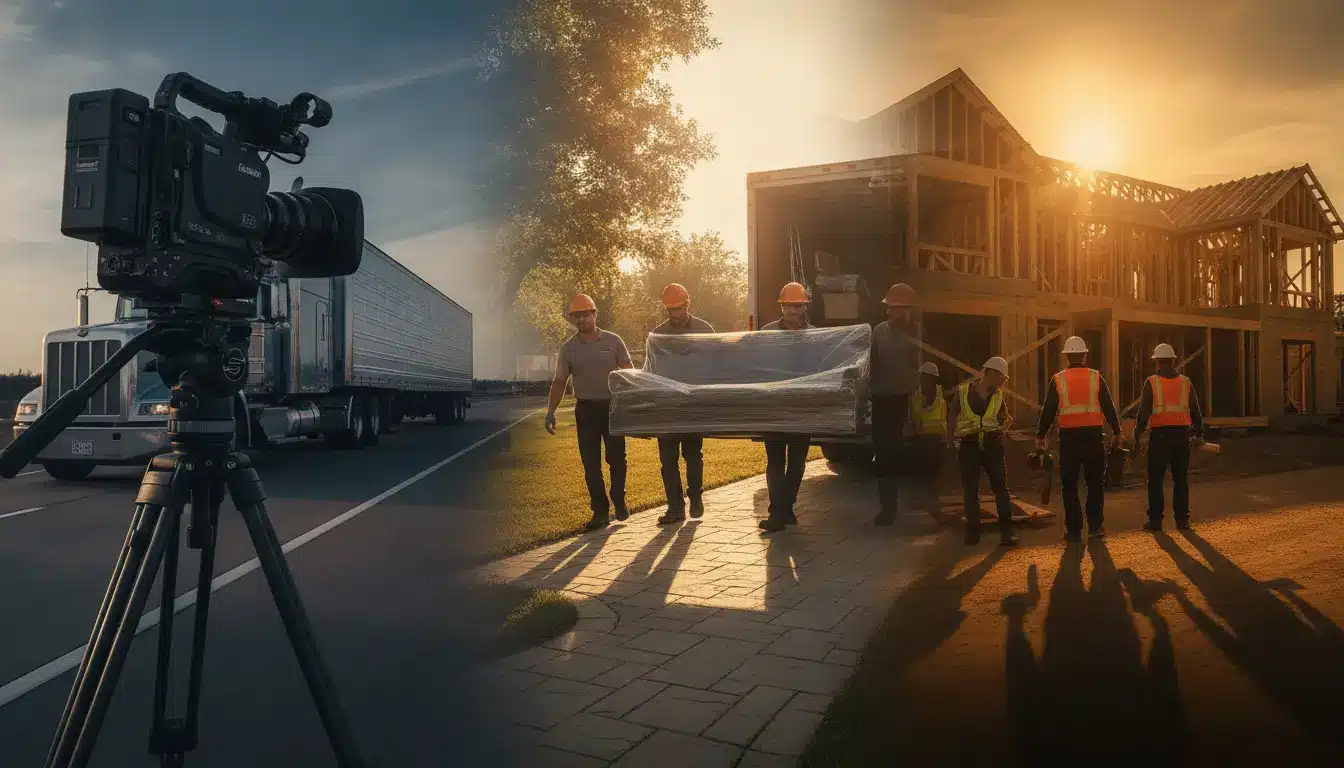
Freight, moving, and home-building may seem like three completely different industries. One transports cargo across the country, another helps families relocate, and the third builds the homes those families eventually move into. Despite their differences, all three industries are experiencing the same major marketing transformation—and for the same reason.
Each of these businesses asks customers to place tremendous trust in them. Whether it’s a shipment critical to a supply chain, every personal belonging a family owns, or the largest financial investment of someone’s life, buyers need confidence before making a decision.
For decades, companies earned that trust through referrals, directories, personal relationships, and competitive pricing. Today, that process begins online, and increasingly, it begins with video.
What Has Changed?
Video marketing isn’t new, but several major shifts have transformed it from an optional marketing tool into an essential business asset.
Buying Decisions Now Happen Online
Across freight, moving, and home-building, customers research companieslong before making contact. They compare businesses, watch videos, read reviews, and build shortlists directly from their smartphones.
By the time someone requests a quote, much of the buying decision has already been made.
Your online content—especially video—is doing much of the selling before your sales team ever gets involved.
Video Production Is More Affordable
Professional video production has become dramatically more efficient.
Rather than investing in a single promotional video every few years, companies can now capture enough footage in one production day to create an entire library of marketing assets.
This transforms video from a one-time expense into a long-term investment.
Distribution Has Become Smarter
Modern advertising platforms allow businesses to place highly targeted video content in front of very specific audiences.
Whether targeting logistics managers, homeowners planning a move, or families searching for new construction communities, companies can now reach the right audience without wasting marketing budget.
Search Engines Reward Video
Google increasingly prioritizes video-rich content in search results.
AI-powered search platforms also rely on structured video content and transcripts when generating answers.
Businesses with a strong video library are becoming more visible than competitors relying solely on written content.
Why These Industries Are Embracing Video
Although freight, moving, and home-building serve different markets, they share several important characteristics that make video especially effective.
Trust Is Everything
Customers naturally worry about damaged freight, lost belongings, or construction delays.
Written promises help.
The video proves those promises.
Showing employees, equipment, facilities, and work processes creates credibility much faster than written marketing copy.
Their Work Is Highly Visual

Many of the services these businesses provide are difficult to explain through text alone.
Whether demonstrating warehouse operations, professional packing techniques, or quality craftsmanship on a construction site, video allows prospects to see the work rather than imagine it.
They Need to Stand Out
From the customer’s perspective, many companies appear nearly identical.
Video allows businesses to highlight their culture, professionalism, attention to detail, and customer experience in ways that traditional marketing cannot.
Recruitment Has Become Marketing
Finding qualified drivers, movers, warehouse workers, and skilled tradespeople has become one of the biggest business challenges.
Recruitment videos showcasing company culture, equipment, career opportunities, and employee experiences consistently outperform traditional job advertisements.
Freight and Logistics: Demonstrating Capability Before the First Conversation
Shippers often evaluate transportation providers long before requesting a proposal.
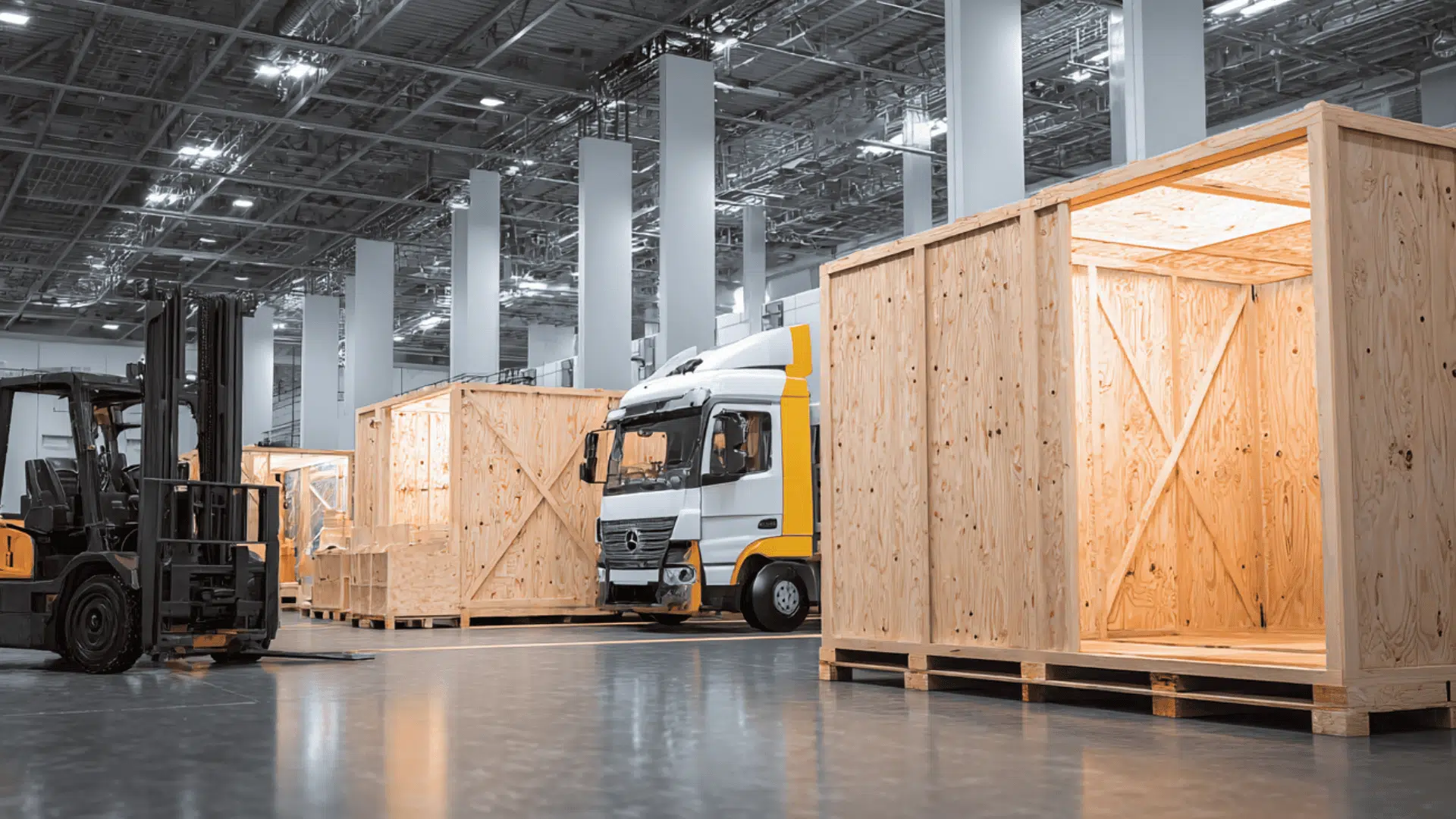
Facility tours, fleet showcases, technology demonstrations, and safety videos provide tangible proof of operational capability.
Recruitment is another major opportunity.
Videos featuring drivers, dispatch teams, equipment, and workplace culture help logistics companies attract better candidates while strengthening employer branding.
Short educational videos also support longer sales cycles by answering common procurement questions before meetings even begin.
Moving Companies: Building Trust Through Transparency
Few industries face greater customer skepticism than moving services.
Customers often worry about damaged belongings, unexpected charges, and unreliable service.
Video helps eliminate these concerns.
Showing professional packing techniques, careful loading procedures, transparent pricing explanations, and real customer testimonials transforms uncertainty into confidence.
Moving companies also have a unique advantage:
Their work naturally creates engaging visual content that performs well across social media platforms.
Home Builders: Making the Construction Journey Visible
Building a home is one of life’s biggest financial and emotional investments.
Buyers spend months researching builders before signing contracts.
Video allows construction companies to educate and reassure buyers throughout that journey.
Popular content includes:
- Model home tours
- Construction progress updates
- Craftsmanship showcases
- Buyer education videos
- Community and neighborhood tours
Developers also benefit from video through apartment lease-up campaigns, amenity tours, and neighborhood showcases.
What Video-First Actually Means
Many businesses mistakenly believe that becoming “video-first” simply means producing a better commercial.
In reality, successful companies focus on building a complete content library rather than creating isolated marketing videos.
A single production day can generate:
- Brand overview videos
- Process explainers
- Customer testimonials
- Recruiting videos
- Social media clips
- Sales enablement content
Working with an experienced Commercial video production companyhelps businesses plan this content strategically, ensuring every video supports a specific stage of the customer journey while maximizing the value of every production day.
Instead of constantly creating new content from scratch, companies develop a library of reusable assets that supports sales, marketing, recruiting, and customer education throughout the year.
Where to Start
For businesses in freight, moving, or home-building, five foundational videos deliver the greatest impact:
- A company or capability overview
- A process explainer
- Customer testimonial videos
- A recruiting video
- Short-form social media content
Capturing these assets together significantly reduces production costs while creating consistent messaging across every marketing channel.
Measuring Success
Like any marketing investment, video should be measured using meaningful business metrics.
Key performance indicators include:
- Watch-through rate
- Lead quality
- Sales cycle length
- Recruitment applications
- Cost per finished asset
Tracking these metrics demonstrates the long-term value of a video-first marketing strategy.
Final Thoughts
Freight, moving, and home-building companies have traditionally relied on referrals, pricing, and personal relationships to generate business.
Today’s buyers make much of their decision long before speaking with a sales representative.
Businesses that showcase their people, processes, and expertise through video are earning more trust, generating higher-quality leads, and staying ahead of competitors who continue relying solely on traditional marketing.
About the Author
Julian Tillotson is the Founder and CEO of INDIRAP, a full-service video production and creative strategy agency. Since 2013, INDIRAP has produced more than 20,000 videos for over 900 brands across more than 40 industries, including logistics, real estate, construction, and commercial services.