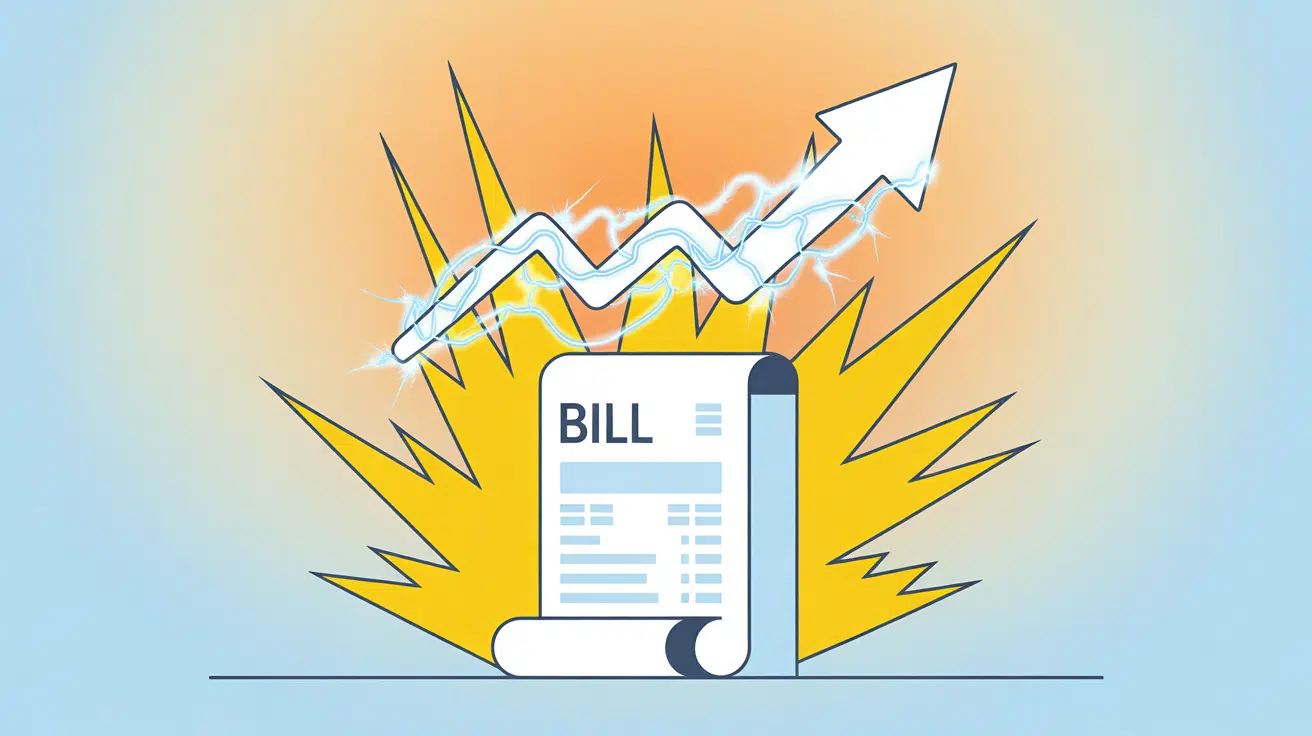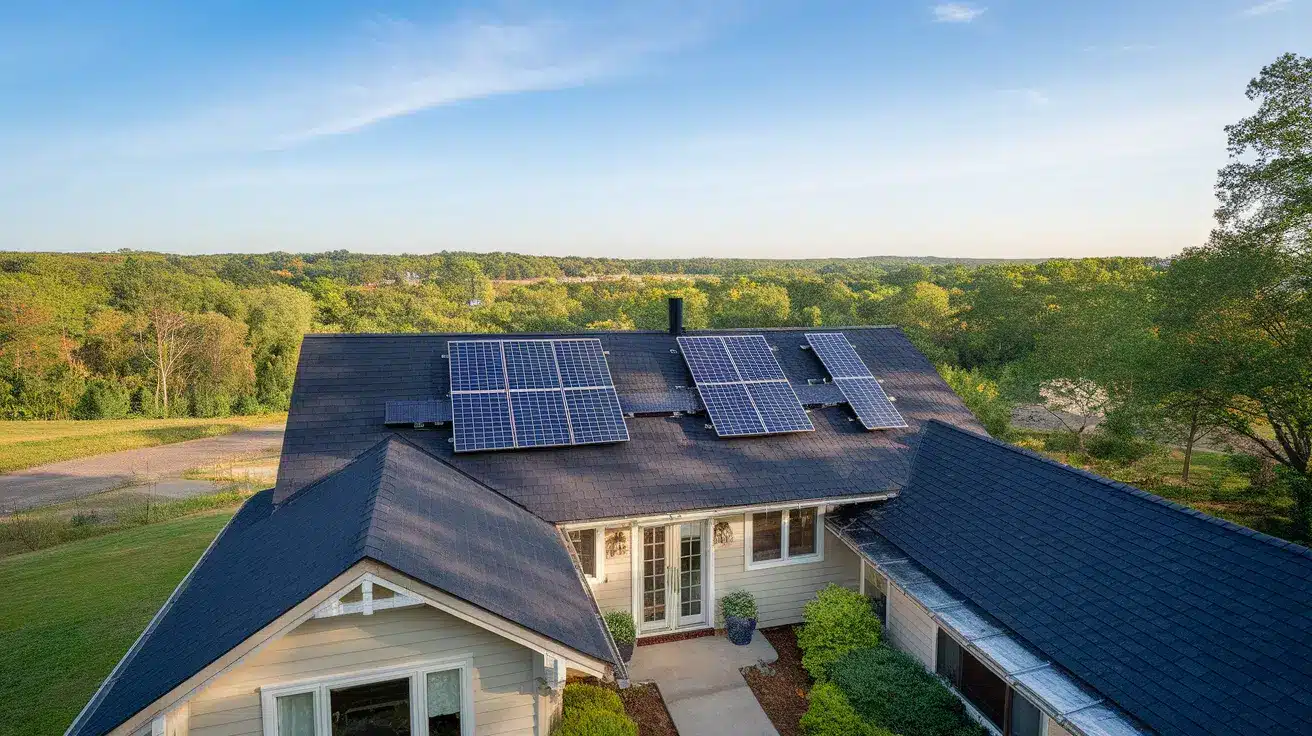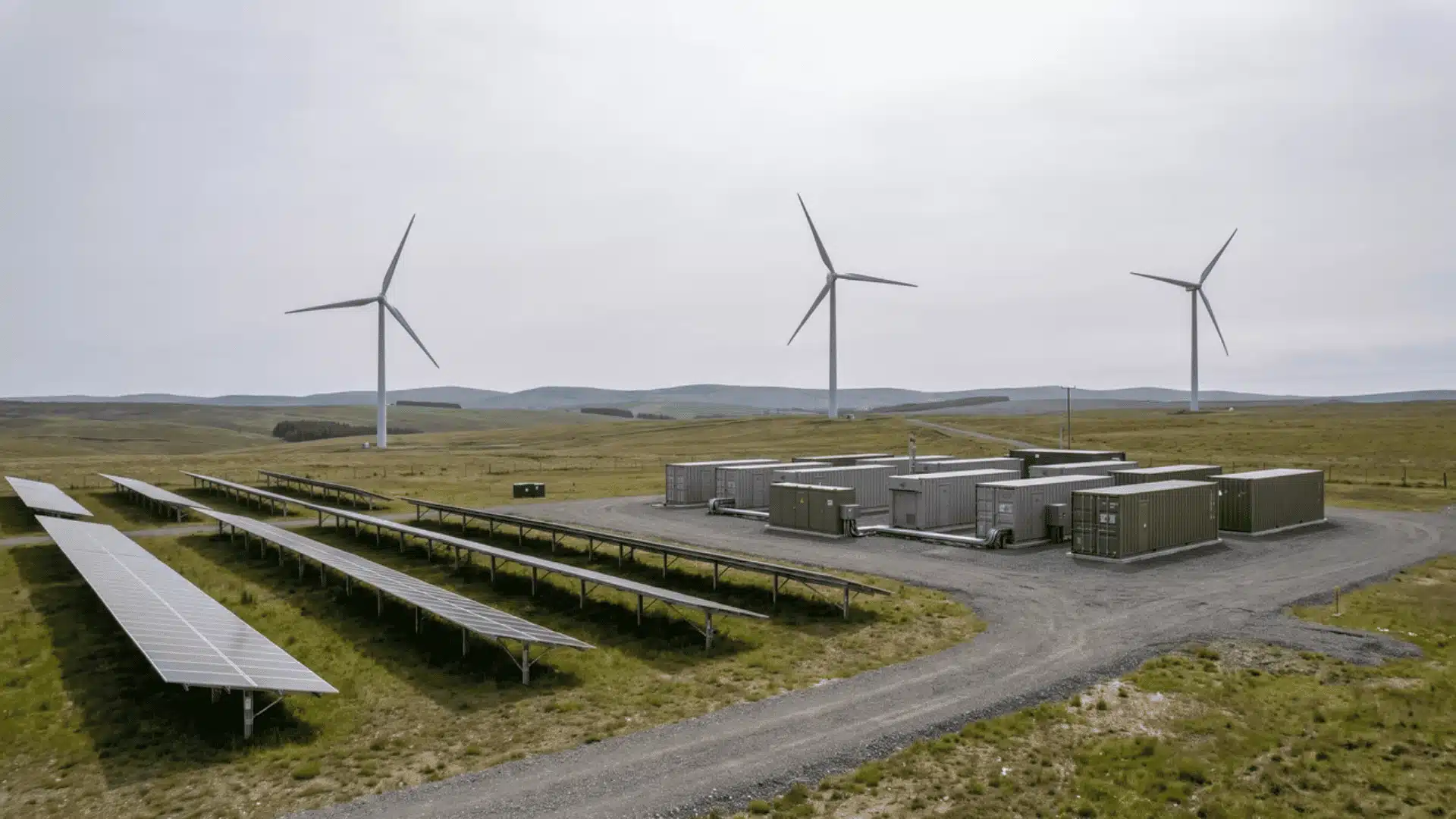
Electricity from solar panels and wind turbines does not always arrive when people need it most. I think this is one of the biggest challenges in building a cleaner energy system.
Sunny afternoons and windy nights can produce more power than the grid can use, while demand often rises when renewable generation slows. Renewable energy storage helps bridge this gap by saving excess energy and supplying it later when electricity is needed.
From large power grids to home battery systems, storage plays an important role in making renewable energy more reliable. Understanding how it works also makes it easier to see why it is becoming increasingly important.
What Is Renewable Energy Storage?
Renewable energy storage is the process of storing excess electricity generated by renewable sources such as solar and wind so it can be used later when energy production decreases or demand increases.
It helps make renewable electricity available when it is needed most, making renewable energy more reliable.
Instead of generating new electricity, storage systems capture surplus energy and store it in different forms until it is needed. Renewable energy storage technologies use different methods to store energy.
Batteries store chemical energy, pumped hydro stores energy by moving water to a higher elevation, thermal systems store heat, mechanical systems store physical energy, and hydrogen systems convert electricity into hydrogen fuel.
Although some energy is lost during storage and release, renewable energy storage improves grid reliability and supports greater use of clean energy.
How Does Renewable Energy Storage Work?
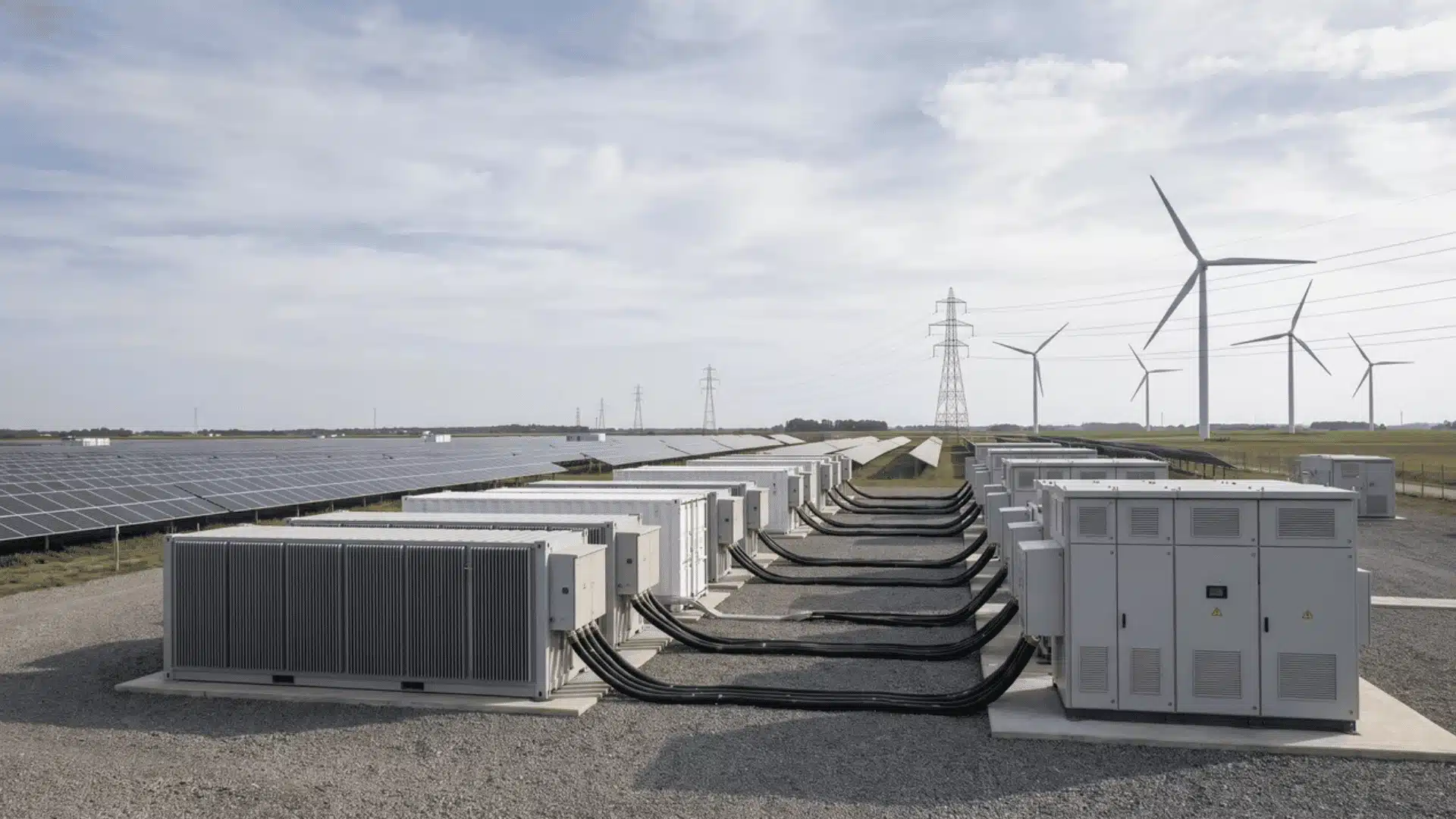
Renewable energy storage follows three main stages: charging, storing, and discharging. It captures extra energy when renewable production is high, keeps it available, and releases it when electricity is needed.
| Stage | How It Works | Example |
|---|---|---|
| Charging | Captures excess renewable electricity when generation exceeds demand. | Solar panels and wind turbines send extra electricity to storage systems. |
| Storing | Converts electricity into a stored form until it is needed. | Batteries store chemical energy, while pumped hydro stores energy using elevated water. |
| Discharging | Releases stored energy when renewable generation drops or demand increases. | Stored electricity powers homes, businesses, and the grid during low solar or wind output. |
These three stages allow renewable energy storage to shift electricity from times of surplus to times of higher demand. This helps improve the reliability and availability of renewable energy across different applications.
What Affects Renewable Energy Storage Performance?
Renewable energy storage performance depends on several factors that affect how much energy can be saved, stored, and used later. These factors influence the efficiency and reliability of storage systems.
- Energy Losses: Some energy is lost during charging, storage, and discharge due to system inefficiency.
- Storage Duration: The available storage time depends on the technology, design, and storage conditions.
- Response Time: Different renewable energy storage systems release energy at different speeds. Batteries and flywheels respond almost instantly, while other technologies are better suited for longer-duration energy delivery.
These performance factors help determine which renewable energy storage technology is most suitable for different energy needs and applications.
What Types of Renewable Energy Storage Are Used?
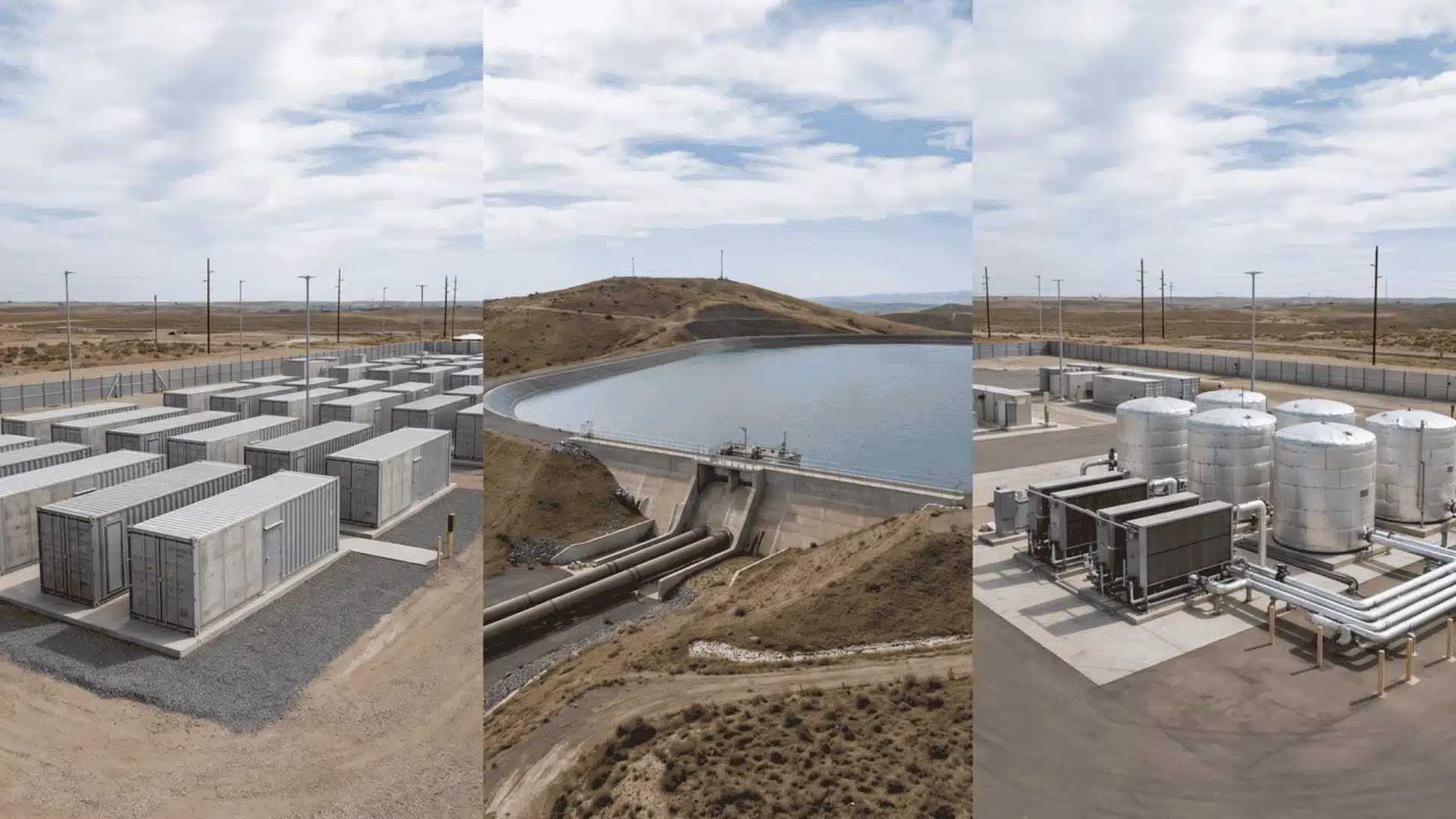
Renewable energy storage encompasses various technologies that store energy for later use. Each method has different strengths based on storage duration, capacity, response speed, location, and project needs.
1. Battery Storage
Batteries are a common renewable energy storage option because they respond quickly and can be used in homes, businesses, and grid systems.
Lithium-ion batteries are the most widely used battery technology because they provide high efficiency and fast response times for short-duration storage.
Flow batteries use liquid electrolytes to provide longer storage by expanding tank capacity. Battery storage faces challenges such as degradation, material requirements, safety risks, and recycling difficulties over time.
2. Pumped Hydroelectric Storage
Pumped hydro stores extra energy by moving water to a higher reservoir, then releases it through turbines to generate electricity when needed.
It supports large-scale, long-duration storage and helps stabilize the grid, but requires suitable locations, water supply, and major infrastructure.
3. Thermal Energy Storage
Thermal storage stores renewable energy as heat, using materials such as molten salt or water, when excess power is available.
The stored heat can later be used directly or converted back into electricity, depending on insulation and conversion efficiency.
4. Mechanical Energy Storage
Mechanical storage converts electricity into physical energy that can be stored and released later when power is needed.
Flywheels offer quick, short-term responses, while compressed-air storage supports longer storage. Performance depends on duration, space, speed, and infrastructure needs.
5. Hydrogen Energy Storage
Hydrogen storage converts renewable electricity into fuel by splitting water into hydrogen and oxygen through electrolysis.
Stored hydrogen enables long-duration energy storage and can later be used to generate electricity, but conversion steps cause energy losses.
No single renewable energy storage technology fits every situation. The best option depends on how much energy needs to be stored, how long it must remain available, and where the system will operate.
Grid-Scale vs Residential Renewable Energy Storage
Renewable energy storage is used at both utility and residential levels. Grid-scale systems support the electricity network, while residential systems help homeowners store and manage renewable energy for everyday use.
| Grid-Scale Energy Storage | Residential Energy Storage |
|---|---|
| Supports the electricity grid by storing and supplying large amounts of renewable energy. | Stores renewable electricity for individual homes and small buildings. |
| Uses technologies such as utility-scale batteries and pumped hydro storage. | Commonly uses home battery systems paired with solar panels. |
| Helps balance electricity supply and demand across the grid. | Provides backup power and reduces reliance on grid electricity. |
The choice between grid-scale and residential renewable energy storage depends on the size of the energy system, the amount of electricity needed, and the intended use.
Both play an important role in improving the reliability of renewable energy.
Why Is Renewable Energy Storage Important?
Renewable energy storage helps match changing renewable power generation with ongoing electricity demand. Solar and wind output can rise or fall with weather and time of day, but electricity is needed continuously.
By storing excess energy and releasing it later, storage keeps more renewable power available when generation decreases.
It also reduces renewable energy curtailment by storing excess electricity during periods of high production and supports a steadier power supply as demand increases.
In addition, energy storage helps maintain grid stability by responding to changes in electricity supply and demand.
Together, these benefits make renewable energy more reliable and support greater use of clean electricity across homes, businesses, and power grids.
What Are the Challenges of Renewable Energy Storage?
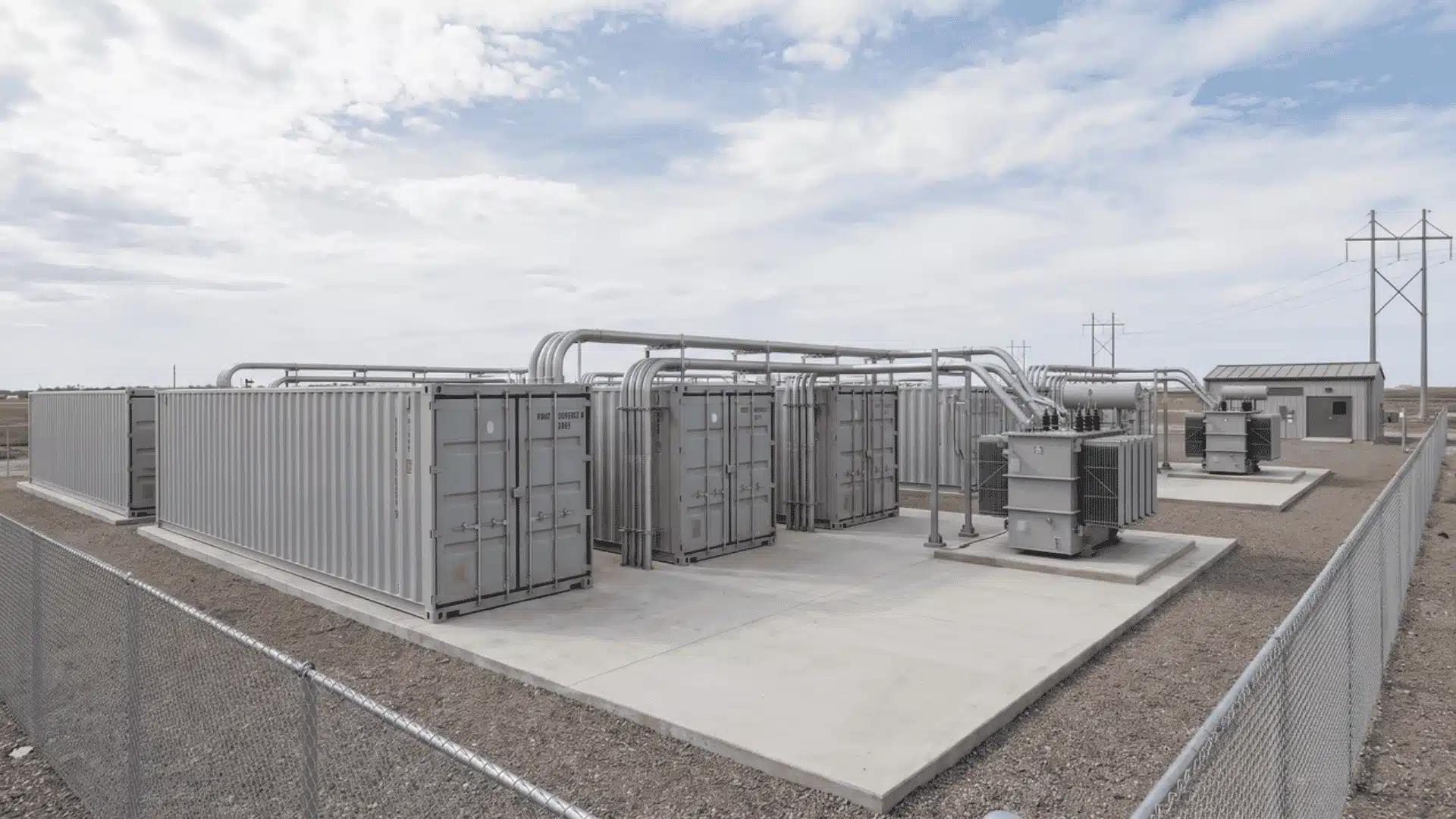
Renewable energy storage improves the reliability of solar and wind power, but every storage technology has limitations. Factors like cost, efficiency, lifespan, and location all affect which system works best.
- Choosing the Right Technology: Each storage technology is designed for different storage durations, capacities, response times, and project requirements. No single solution works for every application.
- Energy Losses: All storage systems lose some energy during charging, storage, and discharge. Round-trip efficiency measures how much of the stored energy can be recovered.
- Cost and Lifespan: Storage systems require investment for equipment, installation, maintenance, and future replacements. Battery systems also lose capacity after repeated charging cycles.
- Material and Resource Requirements: Some technologies depend on critical minerals, while others require water resources or suitable natural conditions to operate effectively.
- Location and Infrastructure: Large-scale storage systems, such as pumped hydro and compressed air storage, require suitable locations and supporting infrastructure, limiting where they can be built.
Choosing a renewable energy storage system involves balancing performance, cost, and practical requirements. Understanding these challenges helps identify the most suitable storage solution for different energy needs.
Wrapping Up
Renewable energy storage plays an important role in making solar and wind power more dependable by storing excess electricity for later use.
Different storage technologies have different strengths, so the best option depends on factors such as cost, storage duration, location, and energy needs.
I believe storage will continue to support the growth of clean energy as new technologies improve and electricity demand changes over time.
Understanding its benefits and limitations makes it easier to see how renewable energy can provide a more reliable power supply. Do you have questions or thoughts about renewable energy storage?
Share them in the comments; I’d love to hear your perspective.
Frequently Asked Questions
What is renewable energy storage?
Renewable energy storage saves extra electricity produced by sources like solar and wind so it can be used later. It stores power when renewable generation is high and releases it when production drops, helping balance electricity supply and demand.
What are the five main types of renewable energy storage?
The five main types of renewable energy storage are battery storage, pumped hydro storage, thermal storage, mechanical storage, and hydrogen storage. Each method stores energy differently and supports different needs, from quick grid response to long-duration energy storage.
Why is renewable energy storage needed?
Renewable energy storage is needed because solar and wind power production changes with weather and time. Storage captures excess electricity when renewable generation is high and provides power when production falls, helping maintain a more stable and reliable energy supply.
Can renewable energy storage work without batteries?
Yes. Batteries are only one type of renewable energy storage. Other options include pumped hydro, thermal storage, compressed air, flywheels, and hydrogen systems. The best choice depends on factors like storage duration, location, capacity, and how quickly energy needs to be available.