Fuel represents one of the highest operating costs for fleets, yet it remains surprisingly opaque for many operators managing day-to-day logistics and long-term budgeting decisions.
Most fleet managers recognize they are overspending on fuel, but fewer can consistently trace exactly where inefficiencies occur or identify the operational drivers behind those rising costs.
Fleet fuel management solutions aim to close this visibility gap, but the category is often misunderstood because it encompasses several tools that address distinct operational problems.
What Is a Fleet Fuel Management Solution?
A fleet fuel management solution is any system, hardware, software, or combination that captures, centralizes, and acts on fuel consumption data across your vehicles and equipment.
The category spans physical dispensing hardware at your own fuel site, all the way to software platforms that pull data from telematics and fuel card transactions.
What makes something a fuel management solution is that it specifically tracks fuel. Not maintenance. Not routing. Not tolls.
The other variable is how your fleet is fueled. If drivers fill up at retail pumps, your solution needs to work at the point of purchase. If you run an on-site tank, you need hardware at the dispenser.
If you do both, you need a system that handles both, or two that talk to each other.
Types of Fleet Fuel Management Solutions
Not every fuel management solution works the same way. That reflects the fact that fleets fuel differently and need different kinds of data to make decisions.
There are three structural categories. The right one depends on where and how fuel enters your operation, not on which vendor has the best dashboard.
Software-Only and Telematics-Integrated Platforms
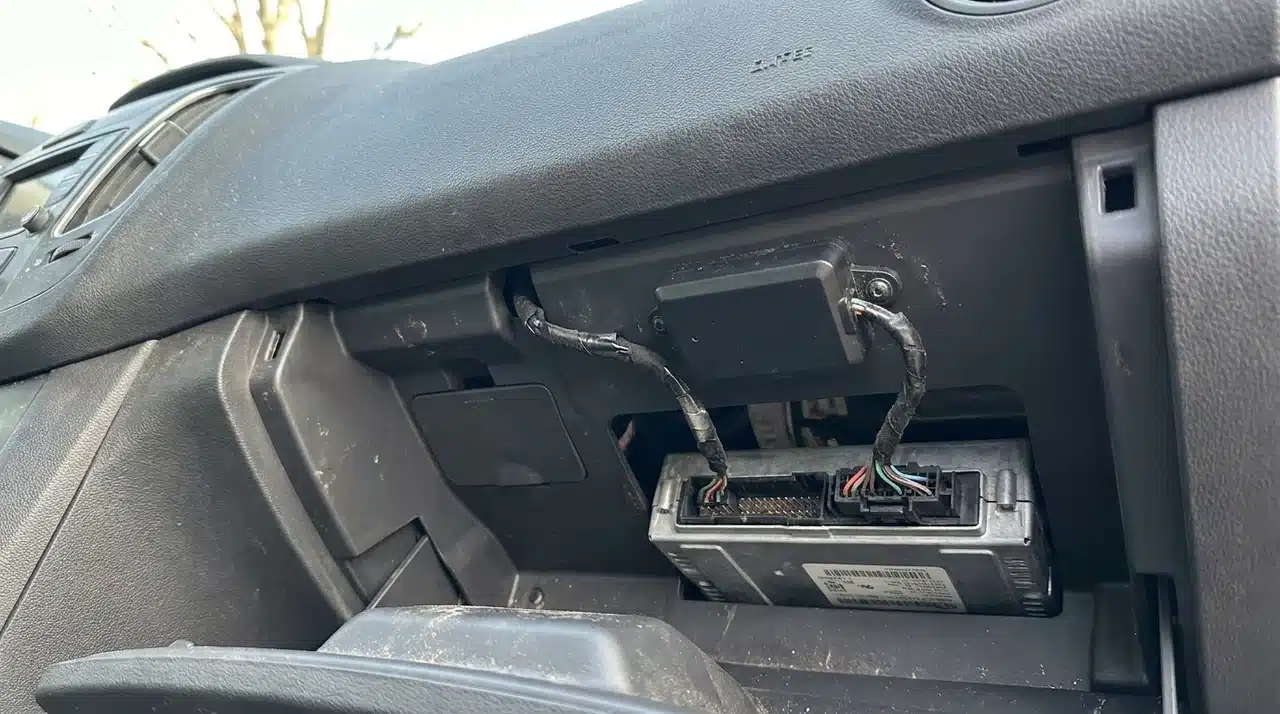
These systems pull fuel data directly from telematics and GPS devices already installed in vehicles across the fleet network. They connect fuel usage with real driving behavior like routes, idling, and acceleration patterns.
This makes fuel consumption easier to interpret because every change is tied to actual driving activity instead of isolated numbers alone. It helps managers understand efficiency trends across vehicles and driver behavior.
These platforms dominate the category. The names below show up most often in fleet operations at scale:
- Fleetio: Combines fuel tracking with maintenance scheduling, inspections, and vehicle operating costs in a single fleet management platform.
- Motive: Uses AI-powered telematics to connect fuel usage with GPS tracking, driver behavior, idling, and safety data.
- Geotab: Enterprise telematics platform that monitors fuel consumption, engine health, vehicle utilization, and route efficiency.
- Samsara: Connected operations platform that identifies fuel waste through real-time data on idling, speeding, harsh driving, and route performance.
These platforms are best suited for fleets that already use telematics and want deeper insights into fuel efficiency and driver performance.
On-Site Hardware-Software Systems
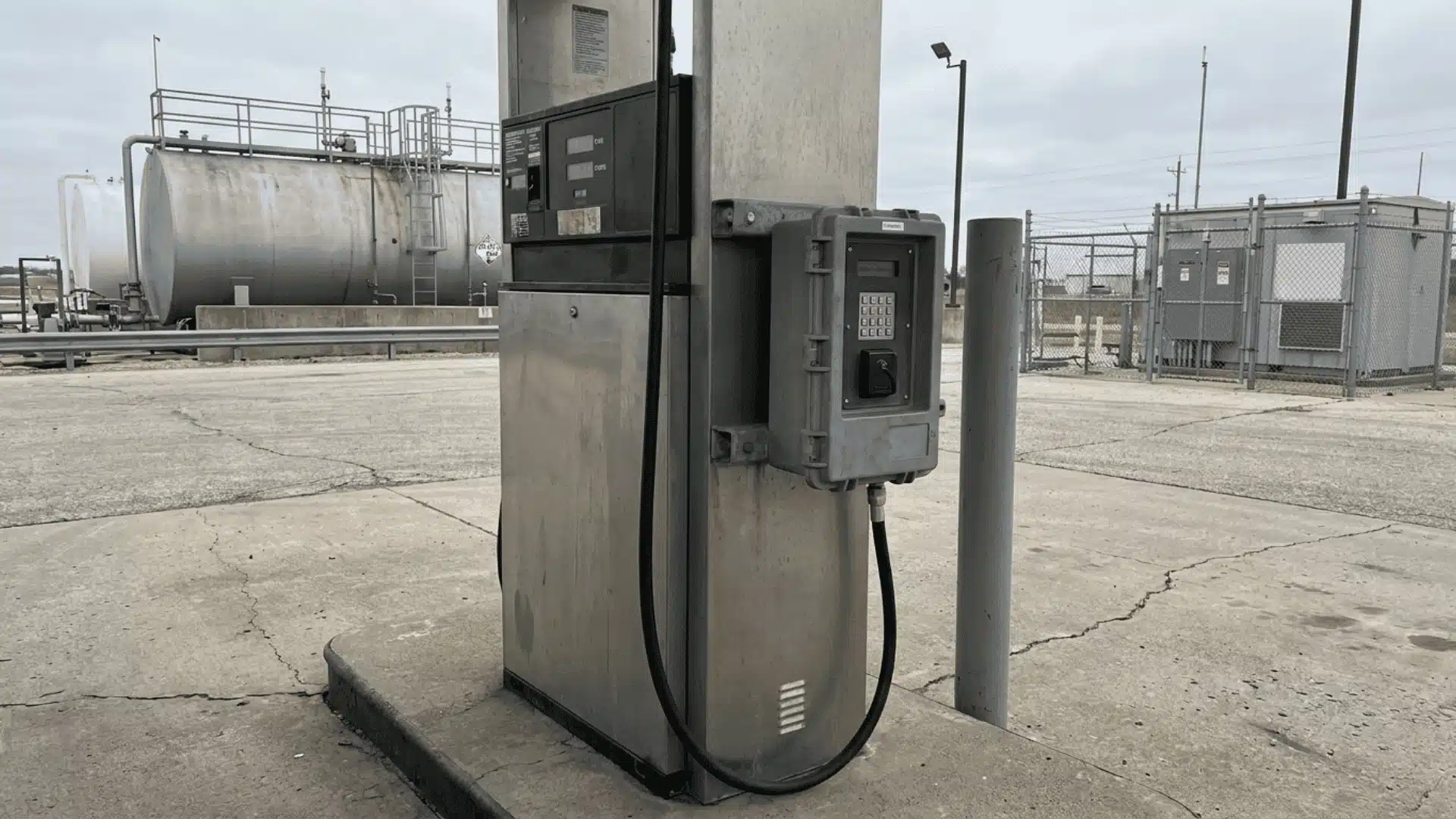
These systems manage fuel dispensing through controlled hardware installed at fueling points within fleet depots or storage locations. Drivers must authenticate before fueling, and every transaction is automatically logged.
This setup provides structured control over fuel usage by linking each fuel event to a specific driver and vehicle. It also enables monitoring of tank levels and controlled access rules.
Some well-known on-site fuel management providers include:
- Veeder-Root: Provides fuel tank monitoring, leak detection, inventory tracking, and dispensing records for on-site fuel storage.
- FuelForce: Controls access to fuel dispensers, records every fueling event, and generates detailed fuel usage reports.
- Piusi Systems: Offers fuel-dispensing hardware and software that track fuel withdrawals, manage user permissions, and monitor tank inventory.
These systems work best for fleets that fuel vehicles at company-owned depots or private storage facilities.
Fuel Card Programs
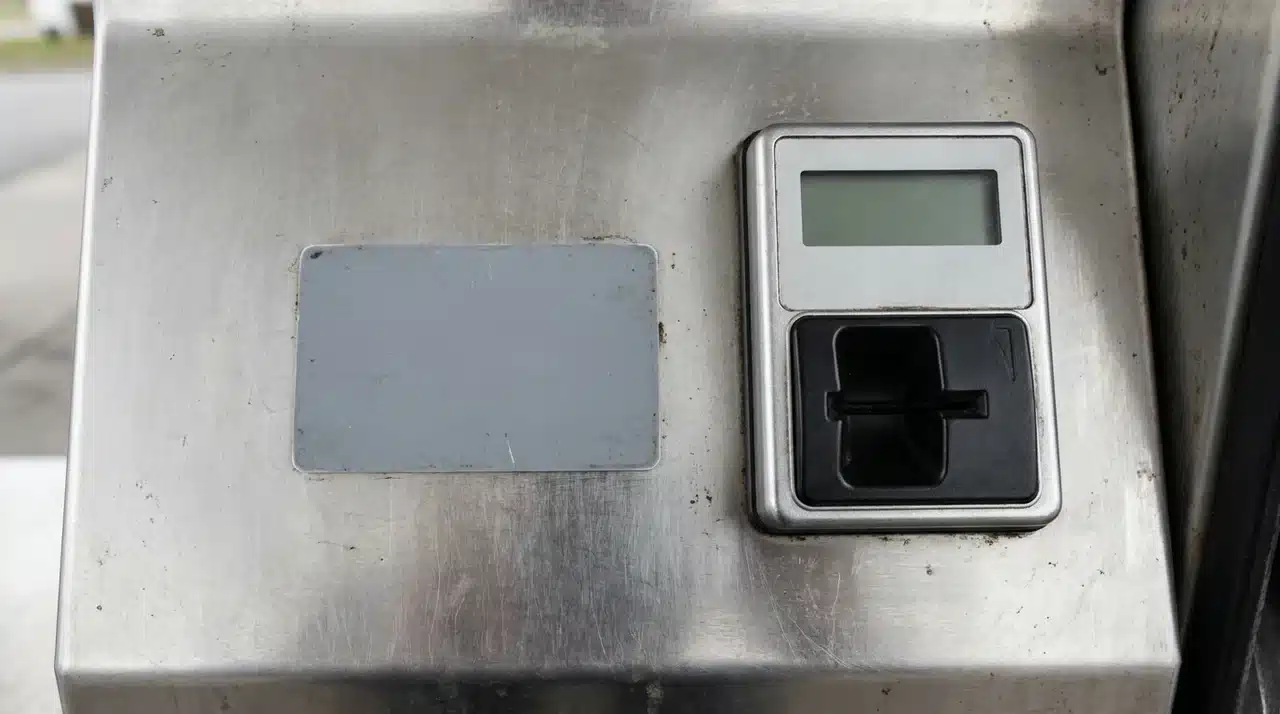
Fuel card systems allow drivers to purchase fuel at approved stations using centralized fleet payment cards across locations. These programs do not require hardware installation and are quick to deploy.
They provide transaction-based visibility showing where, when, and how much fuel was purchased by each driver or vehicle. This makes cost tracking easier across distributed fleets.
Here are a few fleet fuel card solutions you may come across:
- AtoB: Fleet fuel card with spending controls, real-time transaction tracking, and access to a large nationwide fueling network.
- WEX: Fleet payment platform offering fuel cards, fraud protection, purchase controls, and detailed expense reporting.
- Shell Fleet Cards: Fuel card program accepted at Shell and partner stations with purchase controls, reporting tools, and fleet expense management features.
Fuel card programs are a practical choice for fleets that primarily fuel at retail stations and need better control over fuel spending.
How Each Solution Type Performs in Practice
Fleet fuel management solutions vary in how they capture, interpret, and control fuel usage across operations, and these differences directly affect visibility into costs and behavior patterns.
Telematics focuses on driving behavior and efficiency, fuel cards track transactions only, and on-site systems control dispensing, meaning each solution delivers a different level of operational insight and limitation.
| Solution Type | What It Does | Where It Falls Short |
|---|---|---|
| Telematics-Integrated Platforms | Tracks efficiency by vehicle, driver, and route. Strong for diagnosing problems and correcting behavior. | Fleets without existing hardware pay an added cost before the software delivers anything. |
| On-Site Tank Systems | Controls fueling before it happens. Unauthorized draws get blocked, and every dispensing event is logged. | Retail fueling is completely invisible; a driver at a public pump doesn’t appear anywhere. |
| Fuel Card Programs | Fastest to deploy, no hardware or installation needed. | Data stops at the transaction. You see that fuel was bought, not how efficiently it was used. |
No single system provides complete coverage across all fueling environments, so the right choice depends on whether the priority is control, visibility, or operational simplicity.
How Fleet Fuel Management Solutions Reduce Fuel Costs
Tracking fuel spend alone doesn’t reduce costs. What actually drives savings is closing the gap between when an issue occurs and when it is detected. Here’s what makes that possible:
- Normalization does the heavy lifting: Your platform adjusts consumption data for route, load, and idle time to produce an expected rate per vehicle. Drift from that rate is the signal, not raw consumption volume.
- Without it, high consumption is just noise: A loaded truck on a hilly route burns more. That’s expected. A vehicle burning above its expected rate for its actual conditions, that’s worth investigating.
- Fragmented data breaks the chain: A card transaction without a linked vehicle ID is just a spend record. Connecting cards to telematics is what makes per-asset efficiency data possible.
- Reporting frequency determines what you can do: Weekly data gives you a record to review. Real-time alerts give you a window to act before the problem compounds.
The difference between a system that saves money and one that just tracks it usually comes down to that last point: how quickly the right person sees the right signal.
Matching the Right Solution to Your Fleet
Selecting the right fleet fuel management solution depends primarily on where fueling actually happens, since location determines what can be tracked, controlled, and reported effectively across operations.
| Fleet Situation | Recommended Solution | Why It Fits |
|---|---|---|
| Retail fuel | Telematics-integrated platform, fuel card program, or a combined setup | Tracks fuel purchases at retail stations and links spending to specific vehicles for better visibility. |
| Private fuel sites | On-site hardware-software system | Controls fuel dispensing, records every fueling event, and creates a complete transaction history at the pump. |
| Mixed fueling model | Hybrid setup or integrated platform | Combines retail fuel purchases with on-site dispensing data in a single system for complete reporting. |
| Interstate operations | IFTA-ready fuel management system | Tracks fuel purchases and mileage across jurisdictions to simplify accurate quarterly IFTA reporting. |
Choosing the solution category first simplifies every later decision, from feature comparison to vendor selection and long-term cost evaluation.
Wrapping Up
Fuel costs don’t shrink because you’re watching them. They shrink because the right system puts the right signal in front of the right person, fast enough for them to act on it.
Fleet fuel management solutions give you that, but only when the system matches how your fleet actually operates.
On-site fueling, retail pumping, and interstate routes- each one changes what you need. The underlying principle stays the same: better data, faster decisions, less waste.
If you’re ready to stop guessing where your fuel budget is going, the next step is to identify which solution category fits your operation and shortlist from there.
Frequently Asked Questions
What is the difference between a fuel card and a fuel management system?
Fuel cards control purchasing behavior by restricting where and how drivers can buy fuel and setting spending limits per transaction or per period. Fuel management systems go further by tracking vehicle-level efficiency and performance data over time.
Do small fleets need fleet fuel management software?
Fleet size is less important than visibility into fuel usage. Even small fleets lose money when they cannot track per-vehicle efficiency, route-based consumption, or driver behavior consistently across operations.
Can fleet fuel management systems detect fuel theft?
Yes, but detection depends on system type. On-site systems prevent unauthorized dispensing, telematics flag abnormal consumption patterns, while fuel cards only record purchases without linking usage to actual vehicle performance.
What is IFTA, and how does it relate to fleet fuel management?
IFTA is a quarterly tax reporting system for interstate fleets based on fuel purchased and miles driven per jurisdiction. Fuel management platforms automate this reporting by consolidating fuel and mileage data accurately.