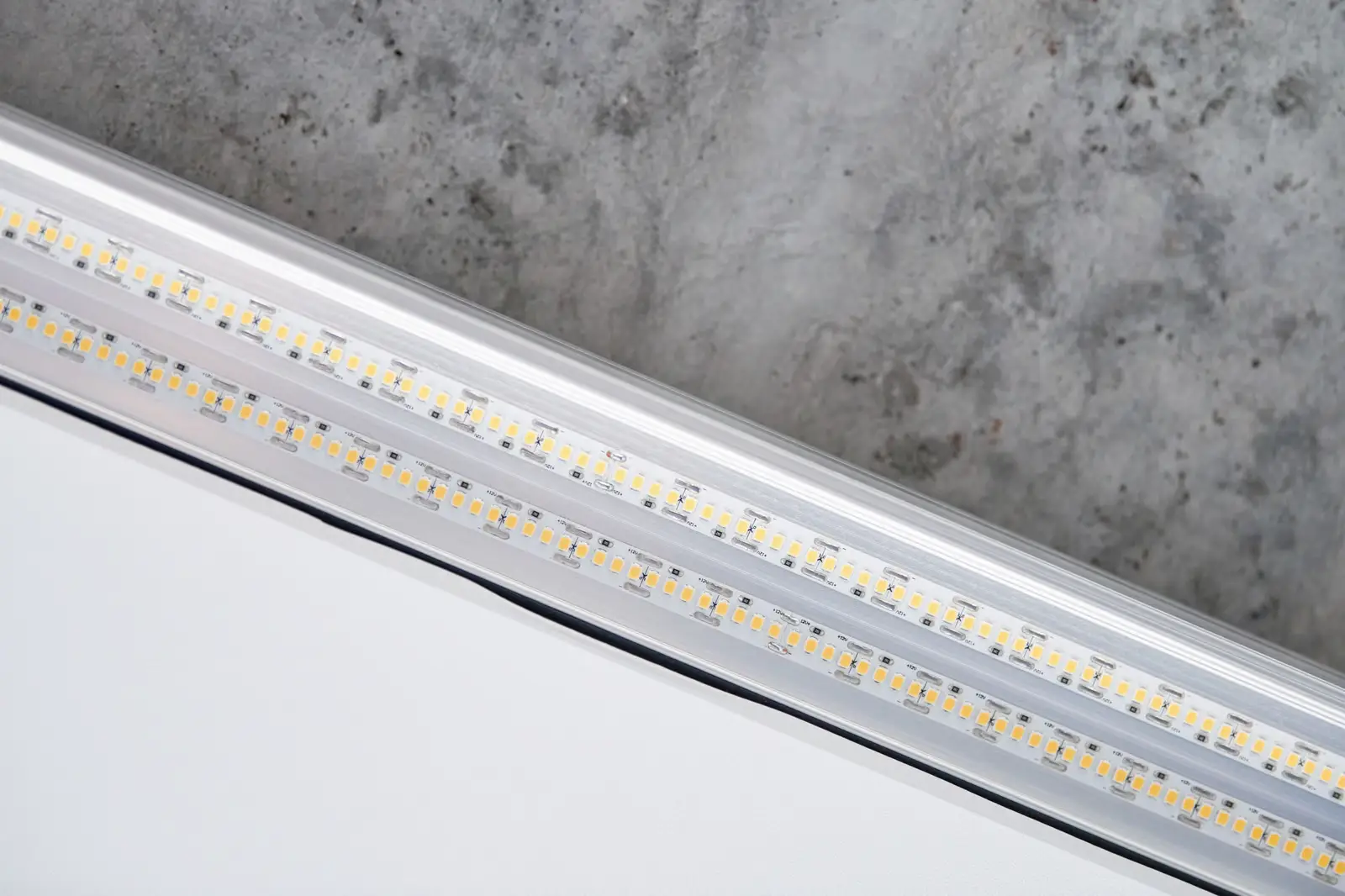
Creating beautiful, modern home lighting has never been more accessible. Thanks to the massive popularity of flexible led strip lights, anyone can add stunning ambient glows under kitchen cabinets, behind TV screens, or along dark hallways. However, many enthusiastic homeowners make a critical, frustrating mistake when they first buy a led light strip. They unroll the flexible tape, peel off the adhesive backing, and stick it directly to a bare wall, painted wooden shelf, or cabinet surface.
Within just a few weeks, the consequences of this shortcut become obvious. The tape begins to sag and peel away due to temperature shifts. When turned on, the harsh glare reveals ugly, uneven dots of light rather than a smooth glow. Even worse, the expensive LEDs start to dim or burn out unexpectedly fast.
Fortunately, there is a simple, professional secret that solves all of these problems at once. Utilizing a dedicated aluminum channel is the single most effective way to upgrade a basic led light into a premium, eye-catching linear led fixture. Whether you want to add subtle accent lighting to your living room or undertake large-scale lighting projects, understanding how to implement led profiles will completely revolutionize the way you use strip lights throughout your living space.
What Exactly Is an LED Aluminium Profile?
Before diving into the practical benefits, let’s demystify the terminology used in the lighting industry. When searching for options online, you will likely encounter a variety of names: led aluminum profile, led aluminum channels, led channel, or led extrusions. Do not let this technical jargon confuse you. Whether a supplier spells it with a single “l” or a double “l” (led aluminium versus led aluminum), all of these phrases refer to the exact same incredibly helpful component.
At its core, an aluminum profile is a specialized, protective metal track designed to house and enhance your flexible led tape. But how exactly are these structural elements made? The manufacturing process is highly precise. Raw aluminum alloy is subjected to precise heat treatment to ensure structural durability and resistance to wear. From there, the heated metal is pushed through a custom-shaped extrusion die. This tool molds the metal into a specific cross sectional profile, resulting in highly durable aluminum extrusions.
A complete, ready-to-install assembly consists of a few essential parts. First, you have the raw aluminum channel which forms the physical body of the track. Second, you have a clip-in plastic cover, commonly known as a diffuser. Finally, you use plastic or metal end caps to seal the open left and right edges. Together, these pieces form a sleek, unified housing that protects the delicate components inside while turning raw, industrial-looking light strips into finished decorative features.
3 Crucial Reasons Why You Need an Aluminum Profile
Why should you spend a little extra room in your budget for a metal housing when you can technically stick a bare light strip straight onto a surface? To answer this, let’s look at the features, advantages, and real-world benefits.
Benefit 1: Masterful Thermal Management
The single biggest enemy of semi-conductor lighting is heat. While it is true that LEDs are incredibly efficient compared to old-school incandescent bulbs, they still generate a localized thermal load. This heat concentrates directly on the miniature pcb board that forms the backbone of the strip. If this heat has nowhere to go, the delicate light-emitting diodes will rapidly overheat, lose their color consistency, and degrade prematurely.
This is where advanced thermal management becomes absolutely essential. Aluminum is a material world-renowned for its exceptionally good thermal conductivity, especially compared with wood or plasterboard, which can trap heat instead of releasing it efficiently. When you install your lighting inside a metal track, the aluminum channel acts as a passive heat sink, drawing heat away from the LED chips and spreading it across a larger surface area. It works continuously to pull warmth away from the diodes and dissipate heat safely into the surrounding air. Providing an efficient pathway for heat dissipation ensures that your lights operate at their optimal temperature, protecting your financial investment and helping the strips last thousands of hours longer while reducing replacement frequency.
Benefit 2: Ultimate Structural Protection
A bare, exposed strip of light is highly vulnerable to everyday household hazards. In a kitchen, airborne cooking grease, steam, and moisture can easily seep into the open circuitry. In a low-level hallway setup or wardrobe, a stray vacuum cleaner, a curious pet, or a cleaning cloth can effortlessly rip or tear the delicate flexible tape.
Metal profiles safeguard led strip lights by creating an impenetrable physical barrier against the outside world. Because the tracks are made from treated metals, they boast remarkable corrosion resistance. They will not rust, warp, or discolor, making them perfectly safe to deploy in challenging, humid environments like family bathrooms, indoor laundry areas, or damp basements.
Benefit 3: Flawless, Professional Aesthetics
Staring directly at the raw, uncovered diodes of a powerful light strip can cause intense eye strain and produce harsh, distracting glare. It looks unrefined, resembling a commercial warehouse rather than a cozy, modern home. A profile completely elevates the final lighting effect in any room.
By selecting the right clip-on cover, you can easily control how the light is distributed. If you choose an opal diffuser, the milky white material provides superb light diffusion, scattering the beams to form an entirely seamless, unbroken linear lighting effect. It completely eliminates individual hotspots, resulting in a smooth, uniform light that looks incredibly high-end. On the other hand, if you are installing lights in a workshop, garage, or office where raw utility matters more than soft mood lighting, you can install a transparent diffuser. This clear cover shields the electronics from dust while still allowing for maximum brightness.
Main Types of LED Profiles and How to Choose the Right One
Every single home renovation project presents a unique set of architectural challenges. Because of this, manufacturers produce these tracks in various shapes and different shapes to suit virtually any creative vision. When organizing your upcoming lighting projects, you will generally choose from three primary categories of profiles.
Surface Mounted Profiles
For the everyday DIY enthusiast, surface mounted profiles represent the most practical and accessible choice on the market. As the descriptive name implies, these tracks sit directly flat against the chosen surface. They do not require you to cut complicated channels into your walls, ceilings, or furniture. Instead, you simply mount them straight onto the underside of kitchen cabinets, inside wardrobes, or along the undersides of shelves. They are highly versatile, fast to put up, and ideal for adding quick, high-impact illumination to any room.
Recessed Profiles
If your goal is a ultra-minimalist, sleek aesthetic where the lighting hardware completely disappears into the architecture, recessed aluminum profiles are the gold standard. To properly install recessed led profiles, you or your contractor must carve or cut a precise slot, groove, or channel directly into the mounting surface—whether that is drywall, timber cabinetry, or ceiling panels.
Once placed inside the groove, the edges of the recessed profiles sit completely flush with the surrounding material. Only the flat, glowing face of the diffuser remains visible to the eye. This integrated style creates clean, striking lines of light that look like they were custom-engineered by a high-end luxury architect.
Corner Profiles
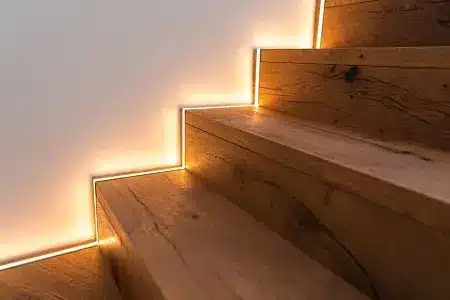
When you need to project light outward at a specific angle, standard flat profiles won’t cut it. That is where corner profiles shine. Featuring a unique 45-degree triangular cross-section, these tracks fit snugly into the structural joints where two surfaces meet. They are ideal for positioning in the right angle between a wall and a ceiling, inside the deep corners of display cabinets, or under the front lip of stairs to safely illuminate the steps below.
Finding the Perfect Fit for Your Project
When planning out your home’s layout, sourcing premium components from trusted suppliers is the key to achieving a flawless finish. You can easily explore a wide variety of dimensions and styles by browsing a comprehensive range of LED aluminum profile solutions designed to match any design requirement. Choosing the right supplier gives you access to the specific shapes you need, including options for custom lengths that prevent unsightly gaps in large-scale office lighting designs or extensive living room makeovers.
Technical Compatibility: Matching Profiles With Your LED Strips
Before you hit the buy button on a batch of metal tracks, you must verify that your chosen profile and your light strips are technically compatible. Failing to check these minor details can lead to major headaches during the assembly phase.
The very first question you need to answer is: how much space do you have inside the metal channel? Flexible LED tapes come in several standard widths, typically ranging from 8mm up to 12mm or wider for heavy-duty dual-strip options. You must meticulously check the internal channel width of your perfect aluminum channels to ensure your strip can sit completely flat on the bottom without its edges curling up or pinching against the metal walls.
Secondly, pay close attention to the specific type of LED technology you intend to use. Traditional SMD (Surface Mounted Diode) strips have noticeable gaps between each individual lighting chip. If you place a sparse SMD strip inside a very shallow profile, you might still see faint, individual dots of light through the cover.
If you desire an absolutely flawless, dot-free neon look, you should pair your profile with cob led strips. A cob strip (Chip on Board) utilizes hundreds of tiny, microscopic diodes packed tightly together under a continuous, uniform layer of phosphor coating. When you place a high-density COB tape inside a high-quality aluminum housing, the light blends together instantly. The result is a breathtaking, solid beam of light with zero gaps or shadows.
Finally, consider your desired color temperature. Warm, golden white tones (2700K – 3000K) create a cozy, relaxing atmosphere perfect for bedrooms and living spaces, while cool, crisp white tones (4000K – 6000K) are fantastic for task-heavy environments like kitchens or study areas. The depth and shape of your aluminum housing can subtly influence how this colored light disperses across a room, making technical compatibility a crucial component of your overall lighting plan.
Upgrade Your Space and Enjoy Long-Lasting Efficiency
Taking the time to pair your linear lighting with high-quality aluminum tracks is a home improvement choice that pays massive dividends in both long-term visual beauty and structural durability. It represents the crucial boundary between an average, messy DIY attempt and a gorgeous, magazine-worthy home upgrade.
Beyond the obvious aesthetic improvements, utilizing these profiles directly supports the overall energy efficiency of your home. This means your setup remains highly energy efficient, drawing minimal power while delivering bright, beautiful illumination for decades to come.
Whether you are executing a minor weekend update under your kitchen cabinets or designing extensive layouts with specialized customized services, incorporating aluminum profiles is the ultimate way to achieve professional-tier lighting on a sensible DIY budget. Take your time, measure carefully, select the right shapes for your space, and enjoy the transformative power of premium linear lighting in your home!