It’s hard to ignore how unpredictable the weather has become in recent years. Storms, heatwaves, flooding, and record rainfall are happening with increasing frequency, and they don’t wait for anyone to finish their morning coffee. For homeowners today, the stakes are higher: a home’s design can mean the difference between staying safe and facing costly damage. Weather-conscious design has shifted from being a luxury or a niche concern to a practical necessity. Every choice, from doors and roofs to insulation and drainage, can protect your property, reduce energy costs, and make daily life more comfortable.
Living in a city like Tampa highlights this reality. Hurricanes, sudden downpours, and intense humidity are part of the seasonal rhythm, so residents have little room for error in design and material choices. Weather-conscious design means thinking ahead, anticipating challenges, and integrating solutions that work proactively rather than reactively.
Hurricane-Rated Doors
Front doors and entry points are your home’s first line of defense during extreme storms. Choosing reinforced doors ensures that wind, debris, and water don’t breach the interior, and it directly affects your family’s safety and peace of mind. A well-selected entryway reduces the risk of costly damage while also influencing insurance premiums and long-term resilience.
Nowadays, homeowners are increasingly prioritizing hurricane-rated doors in Tampa because these systems are tested for high wind speeds and impact resistance. These doors do more than just survive storms, as they prevent structural compromise, protect interior finishes, and allow residents to feel secure knowing that the home can withstand severe weather.
Elevated Foundations and Flood-Resistant Materials
Rising waters and unpredictable flooding have made elevated foundations standard in many new developments. Homes are being built higher off the ground, using flood-resistant materials such as concrete, pressure-treated wood, and moisture-resistant insulation to prevent damage from heavy rain or storm surges.
Beyond the foundation itself, homeowners are increasingly integrating flooring, walls, and structural components that can tolerate occasional water exposure. When combined with smart landscaping and drainage planning, flood-resistant design creates a property that is both functional and resilient, no matter how severe the next storm may be.
Roof Design
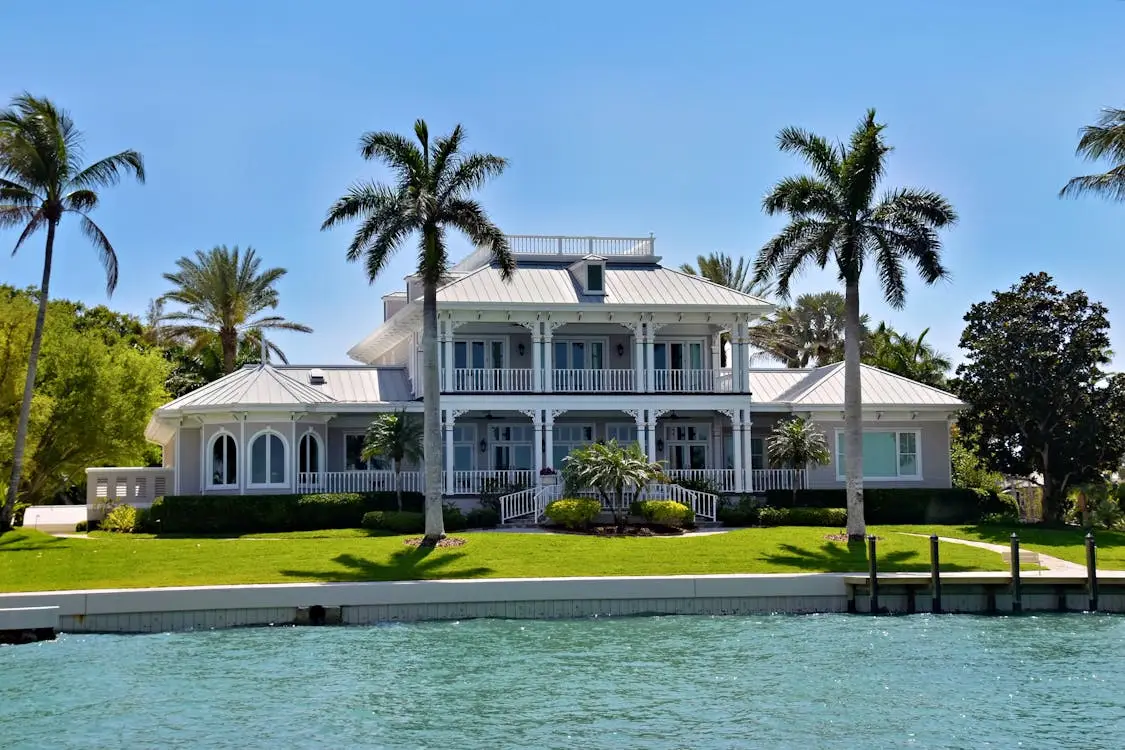
Modern roof design has evolved to handle more than just sun and rain. Architects and builders are now considering heavier rainfall, wind uplift, and, in colder regions, snow accumulation patterns when designing roofs. Pitch, materials, and reinforcement are all tailored to meet the environmental pressures unique to each region.
A roof that performs under extreme conditions prevents interior damage, reduces energy loss, and ensures that insulation, ceilings, and other interior components remain intact. Metal roofs, reinforced shingles, and carefully engineered trusses are examples of solutions that balance durability with aesthetics. In effect, roof design has become both a protective measure and a long-term investment, helping homeowners avoid costly repairs while enhancing everyday comfort.
Exterior Cladding Choices
The materials that cover a home’s exterior protect the structure from the elements. Wind, sun, and moisture exposure all influence the lifespan and performance of siding, stucco, brick, or composite materials. Selecting cladding with regional conditions in mind can prevent warping, fading, and structural weakening.
For homeowners in areas with high heat, intense sun exposure, or coastal humidity, durable cladding options also contribute to indoor comfort by moderating temperatures and reducing moisture penetration. Functional cladding integrates with insulation and roofing to create a unified barrier against weather, supporting both energy efficiency and long-term durability.
Passive Cooling and Heating Features
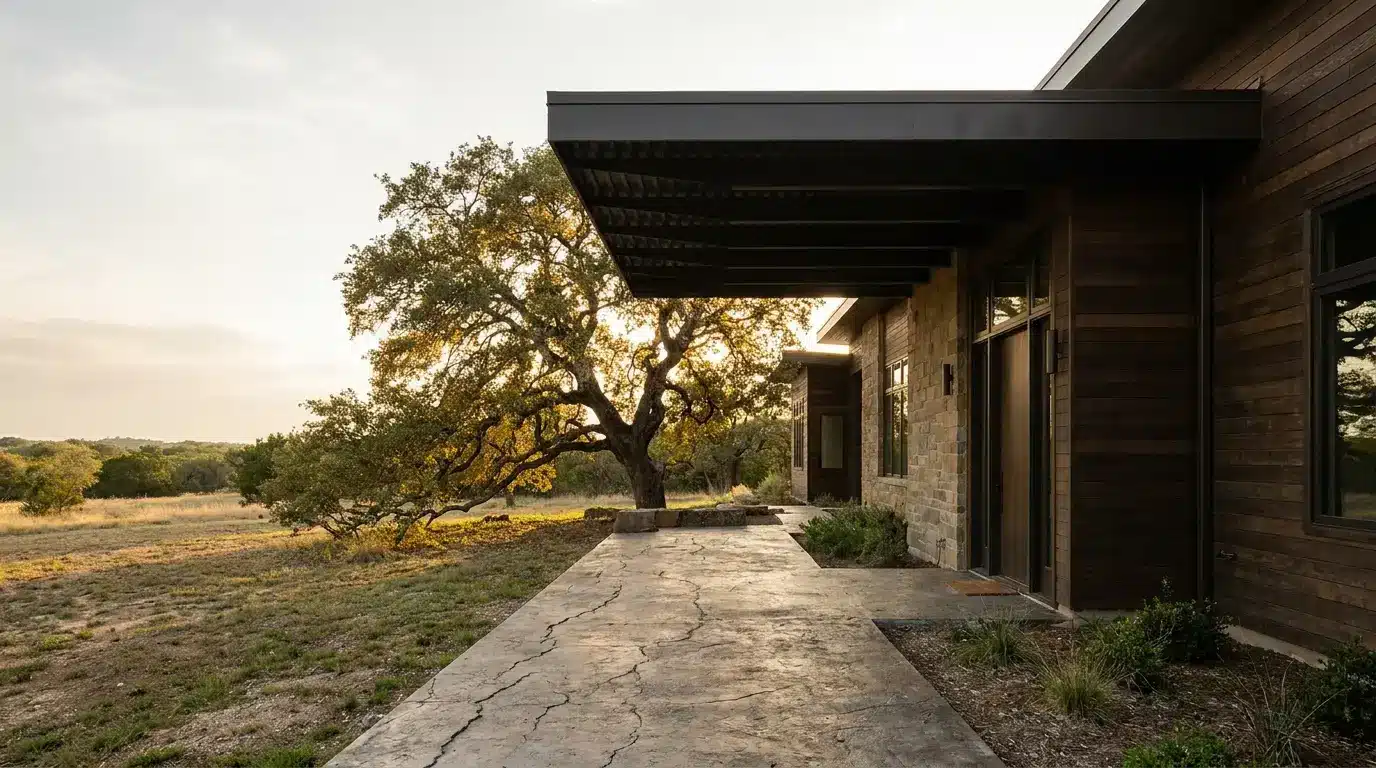
Extreme temperatures are another challenge for modern homes. Designers are incorporating passive solutions, like shade structures, overhangs, orientation for airflow, and thermal mass materials, to help regulate indoor climate without relying solely on energy-intensive HVAC systems.
Strategic placement of windows, ventilation, and trees can cool living spaces naturally, while materials like stone or concrete absorb and slowly release heat to stabilize temperatures. Even roof overhangs that block afternoon sun or landscaping that funnels breezes can significantly impact comfort and efficiency.
Energy-Efficient Insulation and Sealing
Homes designed with weather in mind often prioritize insulation and sealing to maintain a comfortable indoor environment year-round. Properly installed insulation reduces heat gain in summer and heat loss in winter, while high-quality sealing prevents drafts and moisture intrusion. Together, these elements create stable indoor temperatures, reduce energy consumption, and protect interior finishes from damage caused by fluctuating conditions.
Modern materials, such as spray foam, reflective barriers, and moisture-resistant insulation, give homeowners the ability to optimize comfort without increasing energy costs. Insulation placement in walls, attics, and crawl spaces, combined with proper sealing around windows and doors, ensures that the benefits of weather-conscious design are maximized.
Rainwater Harvesting and Sustainable Drainage
Integrating rainwater collection and drainage systems into home design is becoming a standard part of weather-conscious landscaping. Harvesting rainwater supports irrigation needs, while well-designed drainage prevents water from pooling around foundations and minimizes soil erosion.
Systems such as rain barrels, permeable paving, and swales allow homeowners to manage water efficiently while also supporting environmental sustainability. Collecting and redirecting rainwater ensures that outdoor areas remain functional even during heavy storms and reduces dependency on municipal water for irrigation.
Weather-Resilient Garage Doors and Entry Points
Garage doors, shutters, and other entryways are critical points of vulnerability during storms. Modern weather-conscious design emphasizes strength and resilience so that these areas can withstand wind, water, and debris. Reinforced doors and impact-resistant shutters provide homeowners with both security and protection from extreme weather events.
Investing in resilient entry points helps maintain the overall integrity of the home while also reducing insurance costs and potential repair expenses. Functional designs incorporate durable materials and tested engineering to ensure doors operate reliably under stress.
Snow Guards, Ice Shields, and Roof Venting
In colder climates, snow and ice accumulation can create structural and safety concerns. Homes now incorporate snow guards, ice shields, and optimized roof venting to manage the additional load and prevent damage. These features protect roofing materials, reduce ice dam formation, and allow safe water runoff during seasonal changes.
Properly engineered roof systems allow both the structure and interior of the home to remain secure. Roof venting balances attic temperatures, preventing condensation and mold growth, while snow guards distribute the weight of snow safely.
Smart Home Climate Systems
Smart home systems can monitor temperature, humidity, and weather conditions, adjusting HVAC settings automatically to maintain comfort and efficiency. They enable homeowners to respond to changing environmental conditions without constant manual intervention.
Integrated sensors, programmable thermostats, and automated climate controls make homes more responsive and energy-efficient. Smart systems can detect when windows are open, adjust airflow based on occupancy, and even coordinate with solar or geothermal energy sources. For residents, this means greater control, comfort, and protection regardless of seasonal or sudden weather changes.
Each design decision enhances safety, comfort, and long-term durability. Homeowners who incorporate these strategies create spaces that are better prepared for unpredictable conditions, reduce energy consumption, and provide peace of mind.