A better job, a spot at your dream school, a romantic opportunity, or the pursuit of a new (and hopefully more exciting) life are good reasons to move to a new city. Whatever yours is, the outcome is the same: you’ll be moving within the next few months.
Now, how do you do this without blowing up your savings?
Moving is ranked among life’s most stressful events, and it usually takes a serious bite out of your savings. Recent estimates suggest that a local move can cost anywhere from $1,000 to $3,000, while a long-distance move may set you back between $3,000 and $10,000.
The final price tag depends on several factors, including distance, the services you need, and whether you hire professional movers or tackle the heavy lifting yourself. In this guide, we’ll break down the costs of moving to a new city and share practical ways to keep expenses under control, so you can settle into your new home without draining your savings.
Factors That Influence Your Move Budget
For the purpose of today’s exercise, we’ll discuss a full house move. We’re talking about packing everything from your old location, including furniture, maybe some appliances, books, clothes, etc. In this case, your budget hangs on three major factors: volume, distance, and labor.

https://unsplash.com/photos/a-calculator-pen-and-money-on-a-table-X4VwfPzy_2o
Volume and weight dictate your baseline because movers charge by the pound or cubic foot. That’s why packing and moving a three-bedroom house costs drastically more than a one-bedroom apartment.
Now, let’s break everything down into the two main cost drivers:
The New Location
The distance between your old and new locations, and whether you hire professionals or do it yourself, makes the difference between a $3,000 move and a $10,000 one. But the location itself also affects your budget.
Everything changes with a new location: rent, local and state taxes, public transportation costs, entertainment, and the cost of daily life. For instance, if you’re moving from New York City to Philadelphia, this is considered a massive financial win. Not so much the other way around.
Housing alone is one of the biggest advantages of relocating to Philly. Browsing rooms to rent in Philadelphia makes it easy to see how much further your housing budget can stretch compared with New York City. A monthly rent of around $2,000 that might only secure a studio in NYC could instead get you a spacious one- or two-bedroom apartment in a desirable Philadelphia neighborhood.
How to Stay on Budget
Distance is the biggest factor affecting moving costs, but the amount you bring, your route, and the type of move also shape the final bill. If relocating closer isn’t an option, consider downsizing your belongings instead. Donate unused clothes and part with old appliances that may cost less to replace than to transport.
And, even if the move turns out a bit pricey, if life at the new location is more affordable, you should be able to recover quickly. So, make sure to consider all the facts and choose your new location.
The Actual Move

https://unsplash.com/photos/a-man-unloading-furniture-from-the-back-of-a-moving-truck-rEqEQK_DFJE
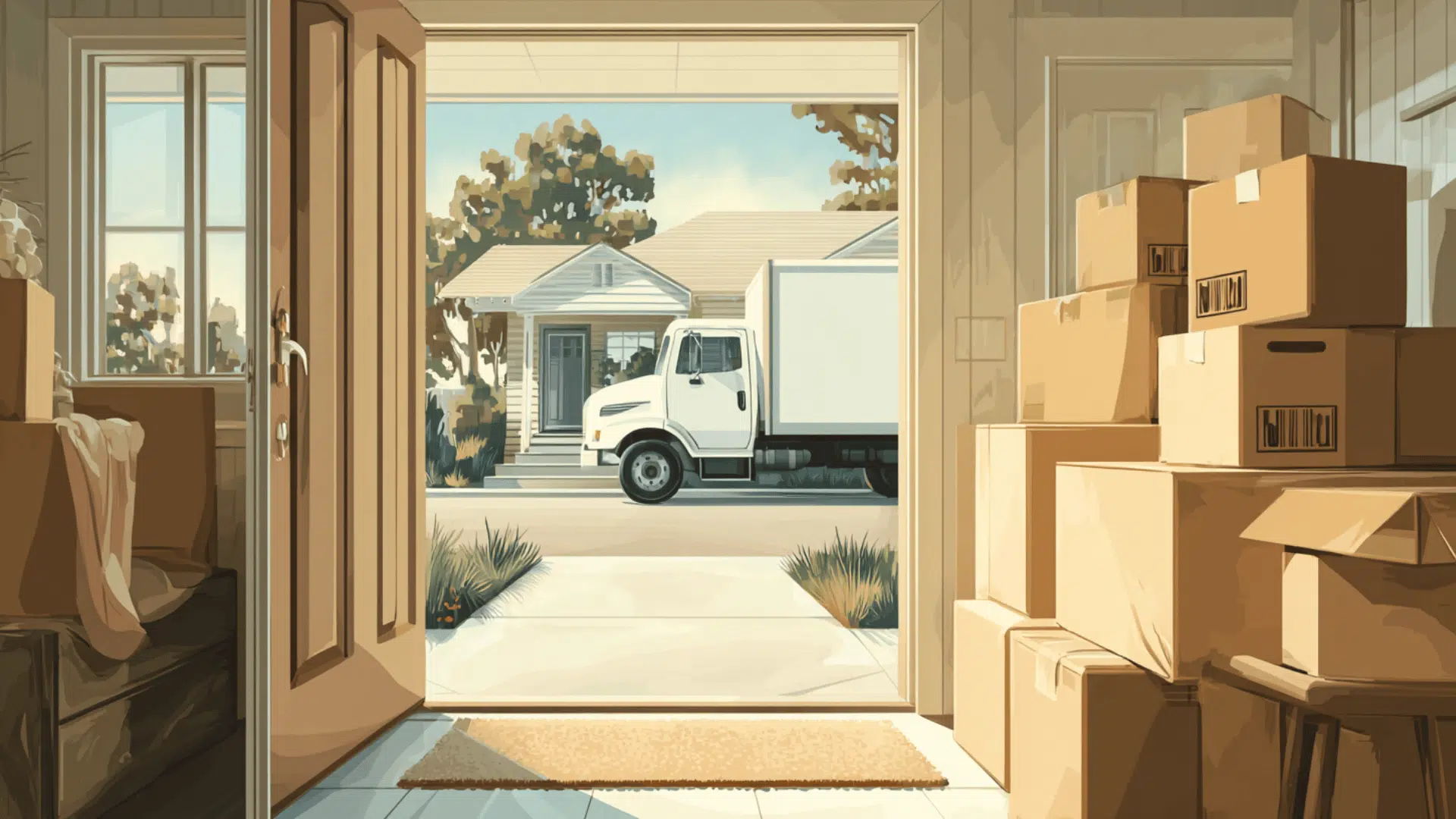
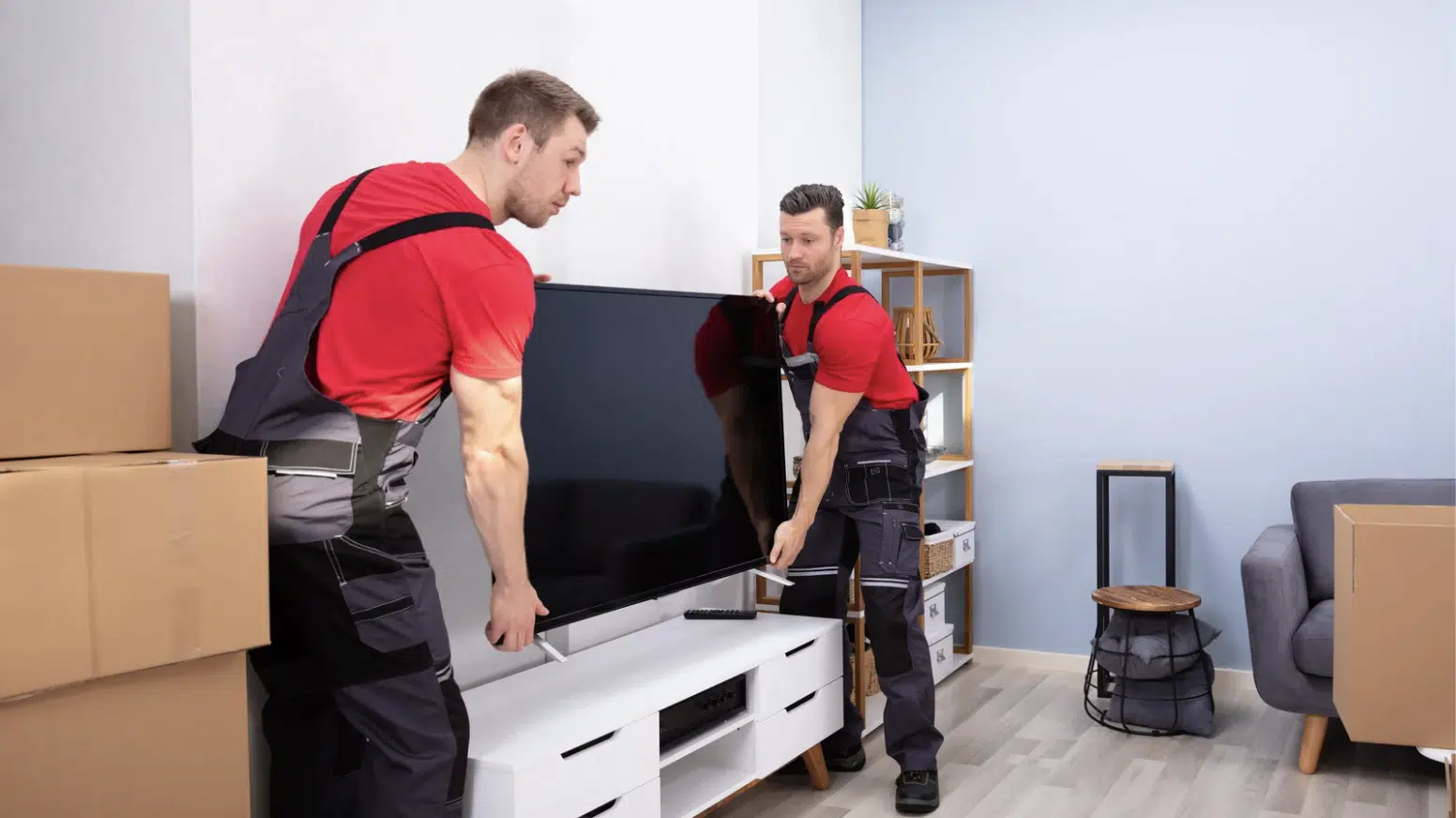
Once you know the location, you can decide how you’ll move your belongings. The three most common options are: rent a truck (DIY), a moving container company (they drop the container, you load it, they drive it, and you unload it), or a full-service mover.
The option you choose here creates the largest price variance, and here’s why (the superior limit is for a cross-country move):
- DIY Truck Rental (Penske, U-Haul): $1,500 to $4,900
- Moving Containers (PODS, U-Pack): $3,000 to $5,800
- Full-Service Movers: $4,500 to $13,000+ for a standard 2 to 4 bedroom home
Be careful: the mover’s initial quote doesn’t include a bunch of hidden costs that drive the price up at the first “bump in the road.” Here are a few examples:
- Long-Carry Fees: $75 to $500+ for the distance from the parking spot to your new door
- Stair and Elevator Fees: Usually a flat surcharge of $100 to $300
- Storage-in-Transit (SIT): If the company has to store your goods
As a side note, if the company has to store your items in its own warehouse, you’ll incur charges for storage and a second delivery fee.
How to Stay on Budget
The obvious budget-friendly option for relocation is a DIY truck rental. However, it’s also the most physically grueling since you’re not only loading and unloading, but also driving the truck. The middle ground is the moving container (no truck-driving), but you need a legal place for the container to sit at both ends.
Also, do your research and understand all the hidden fees, costs, and physical tolls that come with each type of move.
Happy Relocation!
Moving involves a wide range of emotions, but a change of scenery and a couple of new friends later, you’ll be glad you dared to take this step. Just take your time, do your research, and plan every stage to make sure both you and your savings make it safely to the new location.