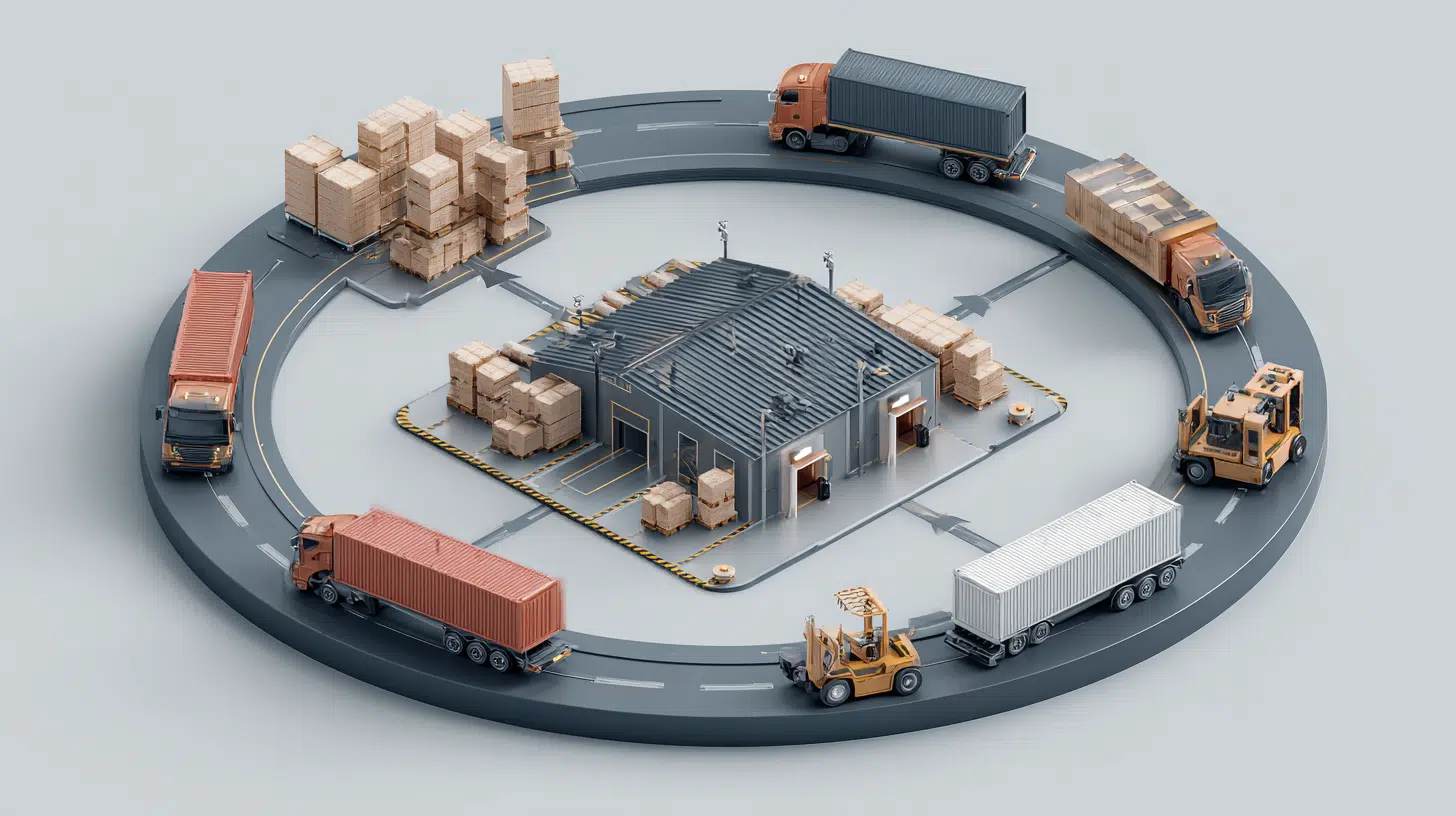
Vehicle manufacturers operate in an environment where product complexity, customization demands, and supply chain volatility are increasing year over year. The ability to generate accurate, fast quotes for highly configurable vehicles and components is critical not only for sales teams but also for downstream operations, from production planning to delivery. Traditional quoting systems often struggle to handle this level of complexity, resulting in delays, errors, and bottlenecks across the supply chain.
Configure, Price, Quote (CPQ) software has emerged as a strategic tool to address these challenges, automating product configuration, pricing logic, and approval workflows while ensuring that sales data flows seamlessly into manufacturing and logistics systems. Automotive component manufacturers implementing discrete manufacturing CPQ solutions can generate accurate quotes for complex, configurable parts in minutes rather than days, reducing bottlenecks upstream of logistics providers. This article explores how CPQ software streamlines the supply chain for vehicle manufacturers and why it is becoming essential in the modern automotive industry.
The Quoting Challenges in Vehicle Manufacturing
Vehicle manufacturing is inherently complex, with thousands of parts, multiple configurations, and dynamic pricing based on market conditions, customer preferences, and supplier contracts. Sales teams often rely on spreadsheets, manual calculations, and fragmented systems to generate quotes, which can lead to errors, delays, and inconsistent pricing across dealers and distributors.
Key challenges include:
- Complex product configurations — Vehicles can be customized with engines, features, add-ons, and digital integrations, making manual quoting prone to mistakes.
- Inconsistent pricing — Different sales teams or regions may apply different pricing rules, leading to margin erosion or customer dissatisfaction.
- Slow approval cycles — Engineering and finance sign-offs for complex configurations can take days, delaying order conversion.
- Disconnected data — Sales data often does not flow smoothly into production planning, inventory management, or logistics systems, causing bottlenecks downstream.
- Margin leaks — Manual processes can result in inaccurate pricing, missed upsells, or overlooked cost inputs, reducing profitability.
These challenges create friction not only in the sales process but also in the broader supply chain, as inaccurate or delayed quotes can lead to production delays, inventory mismatches, and delivery issues.
How CPQ Software Addresses These Challenges
CPQ software automates and standardizes the entire configure, price, quote process, ensuring that sales teams can generate accurate, compliant quotes quickly while maintaining consistency across the organization. By embedding configuration rules, pricing logic, and approval workflows into a single system, CPQ reduces the manual effort required to quote complex vehicle configurations and components.
Key capabilities of CPQ for vehicle manufacturers include:
- Automated product configuration — CPQ enforces rules to ensure that selected parts and features are compatible and valid for the specific vehicle model.
- Dynamic pricing — CPQ applies pricing rules based on market conditions, customer type, and volume, ensuring consistent and accurate pricing across all quotes.
- Approval workflows — CPQ automates the approval process for complex configurations, reducing delays and ensuring compliance with internal policies.
- Integration with ERP and CRM — CPQ systems integrate with enterprise systems to ensure that sales data flows seamlessly into production, inventory, and logistics planning.
- Visual product configuration — CPQ platforms often include 2D or 3D visual tools that allow customers and sales teams to see the configured vehicle in real-time.
These capabilities enable vehicle manufacturers to quote faster, reduce errors, and ensure that sales data is accurate and up-to-date for downstream operations.
Streamlining the Supply Chain with CPQ
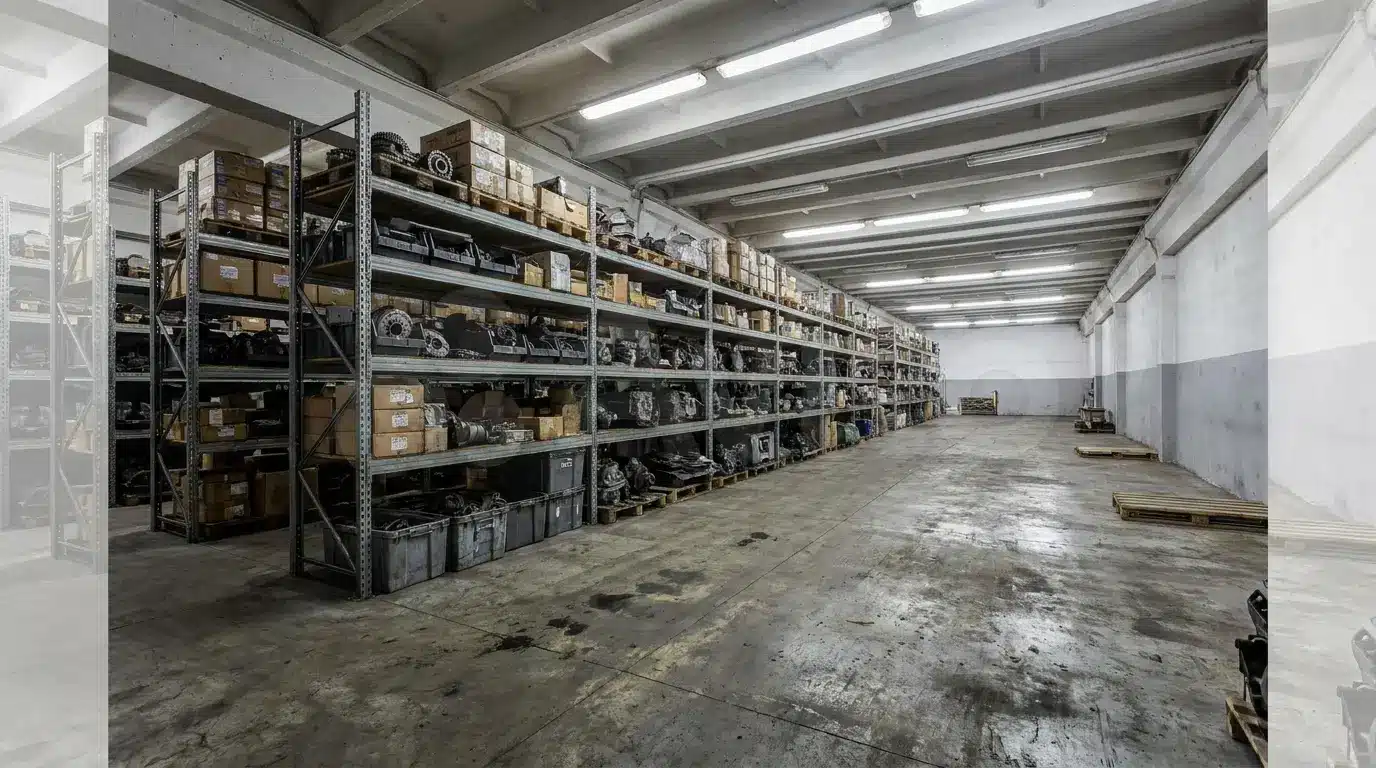
One of the most significant benefits of CPQ software is its impact on the supply chain, as accurate and timely quotes directly influence production planning, inventory management, and delivery timelines. By automating the quoting process, CPQ ensures that sales data is accurate and ready for integration with manufacturing and logistics systems, reducing the risk of delays or mismatches.
CPQ benefits for the supply chain include:
- Faster order processing — Accurate quotes are generated quickly, allowing orders to be processed and sent to production without delays.
- Improved production planning — CPQ data ensures that production teams have accurate information on vehicle configurations, parts, and quantities, reducing the risk of errors in production planning.
- Optimized inventory management — CPQ integrates with inventory systems to ensure that parts and components are available for the configured vehicle, reducing the risk of stockouts or overstocking.
- Reduced delivery delays — Accurate quotes and seamless data flow into logistics systems ensure that delivery timelines are realistic and achievable.
- Better supplier coordination — CPQ data can be shared with suppliers to ensure that parts and components are ordered and delivered in time for production.
These benefits make CPQ a critical tool for vehicle manufacturers looking to improve supply chain efficiency, reduce delays, and enhance customer satisfaction.
Real-World Impact of CPQ in Vehicle Manufacturing
Vehicle manufacturers that have implemented CPQ software report significant improvements in sales speed, accuracy, and supply chain performance. For example, specialty vehicle manufacturers and aftermarket product sellers have reduced quote generation time by 50% or more, while also eliminating errors that previously led to production delays and delivery issues.
Real-world impacts include:
- Reduced sales cycle — CPQ enables sales teams to generate quotes in minutes rather than days, accelerating deal closure and order conversion.
- Higher accuracy — Automated configuration and pricing rules reduce errors, ensuring that orders are correct and production plans are reliable.
- Improved customer experience — Customers receive accurate quotes and realistic delivery timelines, improving trust and satisfaction.
- Better margin control — CPQ ensures that pricing is consistent and accurate, reducing the risk of margin leaks and lost profitability.
- Enhanced collaboration — CPQ enables seamless collaboration between sales, engineering, and production teams, ensuring that all stakeholders have access to accurate data.
These impacts demonstrate the value of CPQ as a strategic tool for vehicle manufacturers looking to improve sales performance, operational efficiency, and supply chain coordination.
Implementing CPQ in Your Vehicle Manufacturing Business
Implementing CPQ software requires careful planning, including selecting the right solution, integrating with existing systems, and training sales and operations teams. Organizations should focus on choosing a CPQ platform that supports complex product configurations, integrates with ERP and CRM systems, and provides visual configuration tools for customers and sales teams.
Key steps for CPQ implementation include:
- Identify pain points — Determine which aspects of the quoting process are most time-consuming, error-prone, or costly.
- Select the right CPQ solution — Choose a platform that supports complex configurations, dynamic pricing, and integration with enterprise systems.
- Integrate with existing systems — Ensure that CPQ integrates seamlessly with ERP, CRM, and logistics systems to enable smooth data flow.
- Train teams — Provide training for sales, engineering, and operations teams to ensure they understand how to use CPQ effectively.
- Monitor performance — Track key metrics such as quote generation time, order accuracy, and delivery timelines to measure CPQ impact.
By following these steps, vehicle manufacturers can implement CPQ successfully, ensuring that the technology delivers tangible improvements in sales performance, operational efficiency, and supply chain coordination.
The Future of CPQ in Vehicle Manufacturing
As vehicle manufacturing continues to evolve, CPQ software will become even more integral to the supply chain, enabling faster, more accurate quoting and seamless integration with production, inventory, and logistics systems. The next wave of innovation will focus on predictive analytics, AI-driven configuration, and real-time price optimization, further enhancing the value of CPQ for vehicle manufacturers.
Emerging trends in CPQ for vehicle manufacturing include:
- AI-driven configuration — AI models that suggest optimal configurations based on customer preferences, market trends, and production constraints.
- Real-time price optimization — CPQ systems that adjust pricing dynamically based on market conditions, inventory levels, and supplier costs.
- Predictive supply chain insights — CPQ platforms that provide insights into production capacity, inventory availability, and delivery timelines.
- Deeper ERP and CRM integration — CPQ systems that integrate more closely with enterprise systems, enabling seamless data flow and real-time visibility.
- Enhanced customer collaboration — CPQ platforms that enable customers to interact with visual configuration tools and receive instant quotes and delivery timelines.
As these trends evolve, vehicle manufacturers that invest in CPQ will gain a significant competitive advantage in speed, accuracy, and supply chain efficiency, positioning themselves as leaders in the future of intelligent vehicle manufacturing.