A fleet can look well managed on paper and still have safety gaps hiding in daily operations. A missed inspection, distracted driver, or delayed repair can quickly turn into a costly problem.
That is why a clear fleet safety program matters. It gives everyone, from drivers to managers, a shared set of rules for safer vehicles, better driving habits, and faster action when something goes wrong.
I’ve found that the strongest programs are practical, easy to follow, and built around real risks. A good starting point can also save time when creating policies, training drivers, and setting safety goals for your fleet.
What Is a Fleet Safety Program?
A fleet safety program is a structured system for managing driver behavior, vehicle condition, and everyday safety risks across a fleet.
It can apply to different types of vehicles, including company-owned vehicles, commercial trucks operated by full truckload carriers, delivery vans, service fleets, government fleets, and employee-owned or rented vehicles used for business purposes.
It is not a policy you write once and file away. It is also not a single technology that solves every problem. The program stays active as long as the fleet operates. The main risks usually fall into two groups:
- Behavioral Risk: Covers actions such as speeding, distraction, harsh braking, and unsafe driving habits.
- Mechanical Risk: Covers problems with tires, brakes, inspections, maintenance, and overall vehicle condition.
Those risks need different responses, but both affect the same outcome. Transportation incidents accounted for 36.8% of all fatal occupational injuriesin the United States in 2023, showing how serious work-related transportation risks can become.
Poor control can also lead to more crashes, higher liability, compliance issues, vehicle downtime, and added operating costs.
A strong program gives the business a consistent way to identify risks early, respond appropriately, and keep safety standards clear across daily fleet operations.
What to Set Up Before Building Your Program
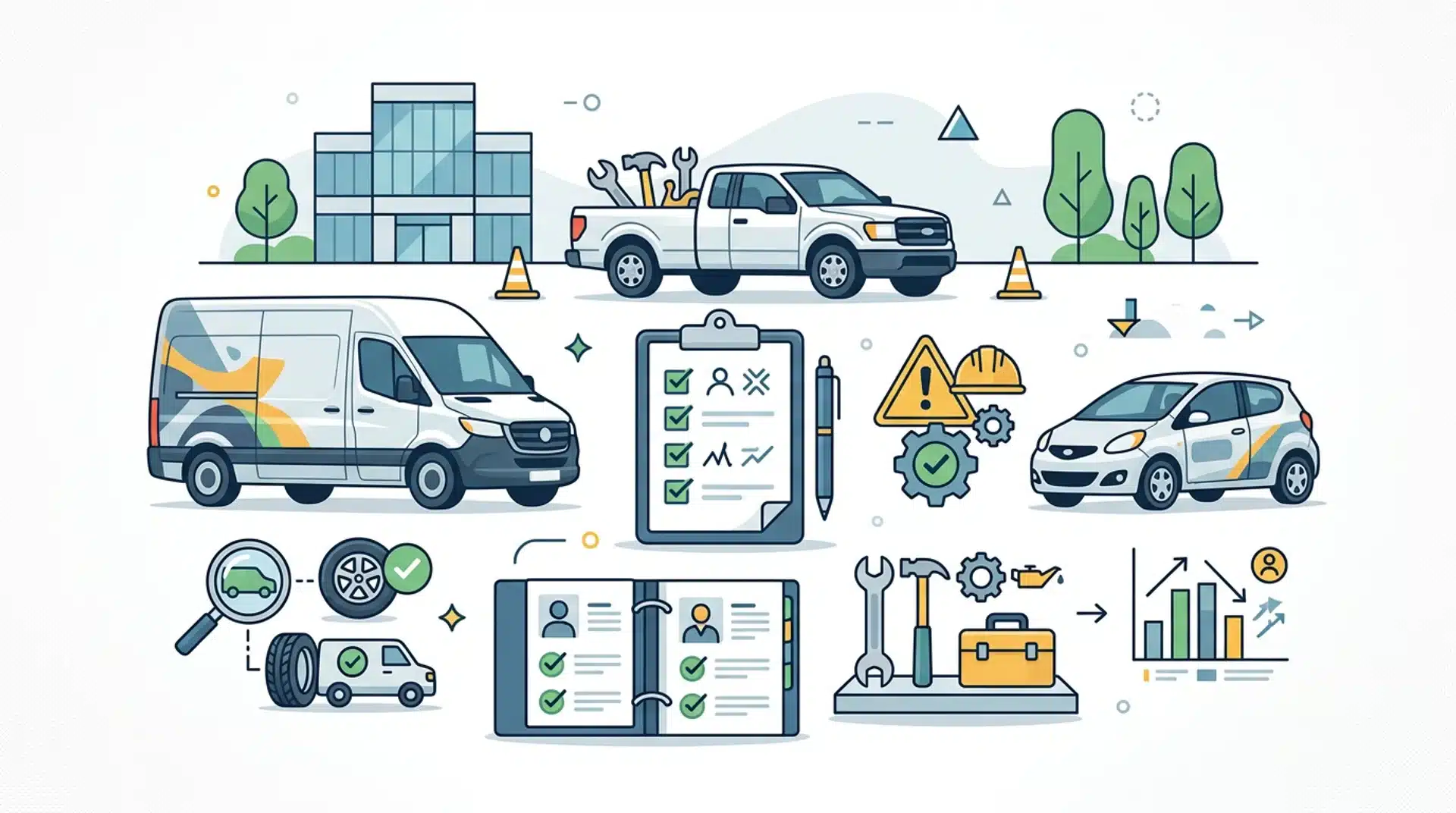
In my experience, an effective fleet safety program starts with clear ownership, driver visibility, and an accurate view of existing risks before creating policies or adding technology.
Get Supervisors Actively Involved
Executive support helps set the direction, but supervisors are the ones who shape how safety rules work day-to-day.
If one manager overlooks violations while another enforces every rule, drivers quickly notice. I’ve seen safety programs lose trust when people feel the rules depend on who is watching.
The strongest programs are the ones where leaders show support through everyday actions, not just a written policy sitting in a file.
Identify Everyone Who Drives
Do not limit your driver list to full-time fleet employees or long-haul truck drivers; occasional drivers can create the same liability when they use company vehicles for deliveries, errands, or client visits.
Create a complete driver inventory before the program begins.
This helps prevent unscreened drivers from becoming an overlooked source of risk.
Establish Your Risk Baseline
Before setting priorities, look at what is already happening in your fleet. Review current motor vehicle records, recent crashes, violations, and other incident data. Look for patterns that show where exposure is highest.
Your program should reflect those real conditions instead of copying a generic template. A clear baseline also gives you something useful to measure against later, making it easier to see where safety performance is improving.
What are the Core Components of a Fleet Safety Program?
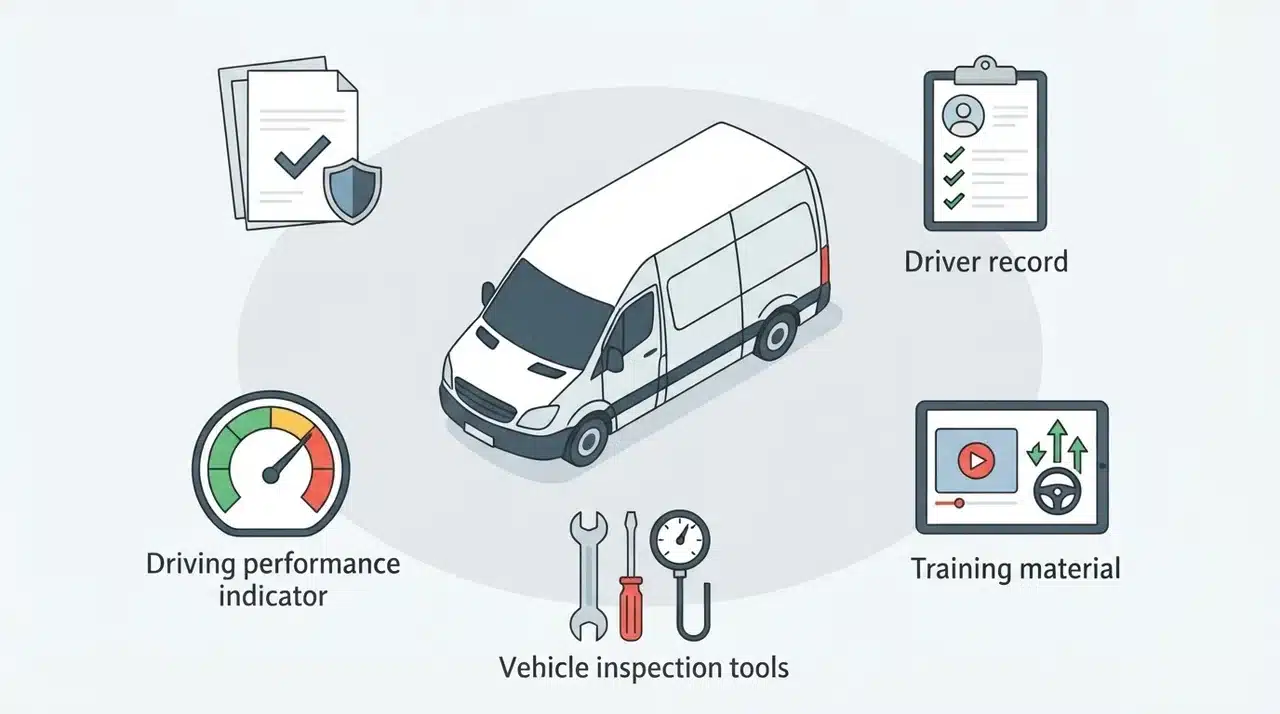
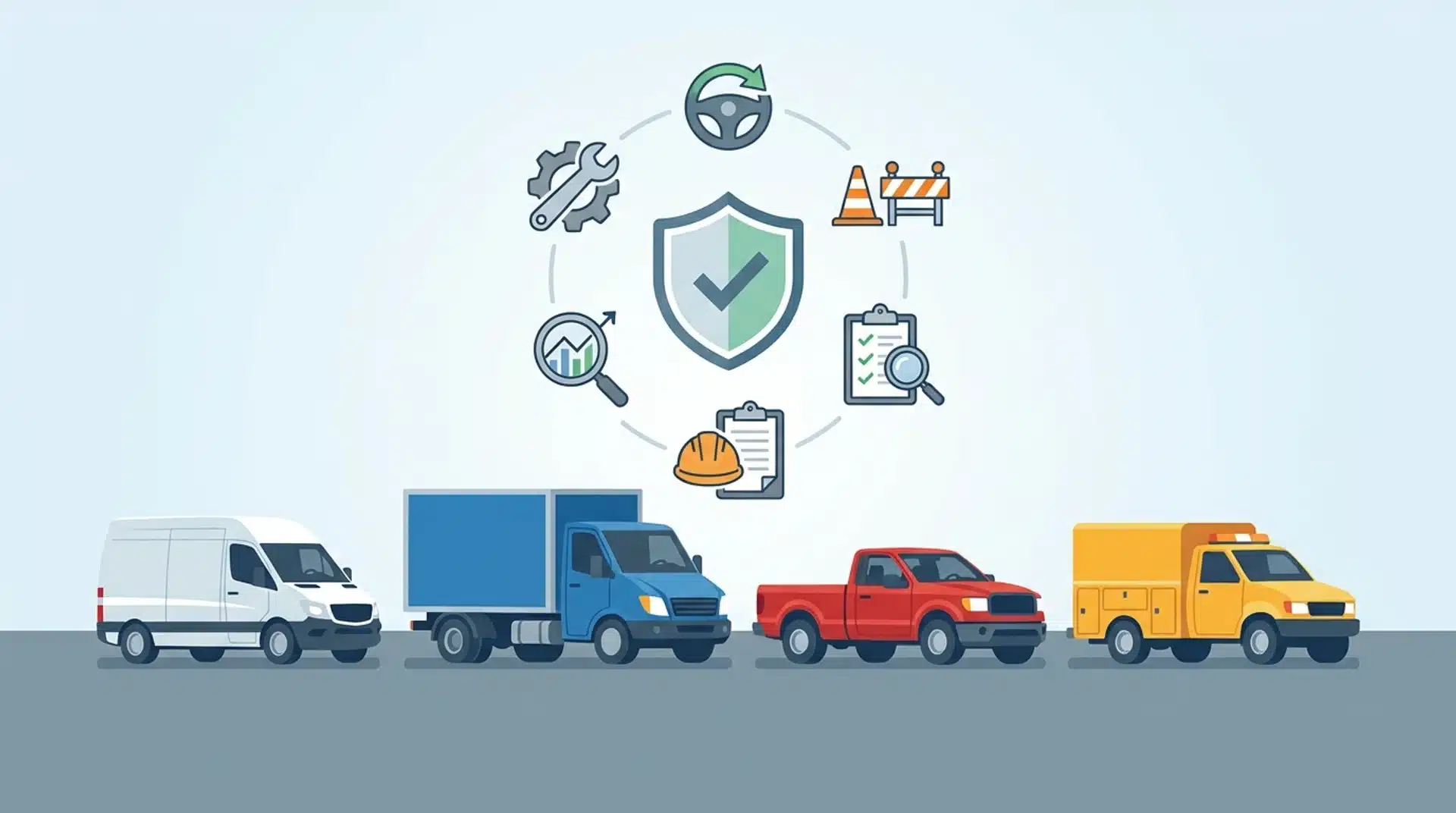
The six core components are written policies, driver screening, driver training, vehicle maintenance, incident response, and performance monitoring.
Their value depends on how well they work together. Screening and policies set the baseline. Training builds skills. Maintenance reduces mechanical risk. Monitoring shows where behavior still needs attention.
1. Written Policies and Driver Rules
Written policies set clear expectations before a driver gets behind the wheel. They should cover:
- seat belt use
- speeding, distracted driving
- mobile phones
- incident reporting
- company vehicle use
The wording should be direct and easy to follow. Drivers should not have to guess what a rule means or when it applies.
Clear policies also give managers a consistent standard when correcting unsafe behavior. Drivers should receive these rules during onboarding and confirm they understand them.
2. Driver Screening and Onboarding
Screening helps identify risk before someone starts driving a company vehicle. This usually includes:
- motor vehicle record (MVR) checks
- driving history reviews
- license and fleet safety certification verification
- background checks
- drug and alcohol screening where required.
The goal is to make sure drivers meet company and regulatory requirements before they join the fleet.
But screening shouldn’t be a one-time step after hiring. Licenses expire, records change, and new violations can appear over time. Regular re-screening helps you catch those changes before they become bigger issues.
3. Driver Training Programs
Training gives drivers the skills needed to follow company safety standards. Programs may include:
- defensive driving
- fatigue awareness
- severe weather driving
- safe following distances
- hazard recognition
- cargo securement
- distracted driving prevention
Training should continue beyond onboarding. Use incident history and telematics data to provide event-based coaching and address specific risks, such as speeding or harsh braking.
This keeps training focused on actual driving behavior and helps correct issues as they appear.
4. Vehicle Maintenance Protocols
Vehicle maintenance addresses risks that driver training alone cannot fix. A driver can follow every safety rule and still be put at risk by a mechanical issue that was missed or ignored.
That’s why regular checks need to cover areas like:
- Daily inspections, including pre-trip and post-trip checks
- Driver vehicle inspection reports (DVIRs)
- Brake inspections
- Tire monitoring
- Fluid checks
- Lighting inspections
Help identify issues early. Scheduled preventive maintenance covers problems that may not appear during a quick inspection. Drivers should also know how to report defects and when to take a vehicle out of service for repairs.
5. Incident Response and Corrective Action
A fleet safety program should have a clear process for handling accidents, near misses, and safety violations. Quick reporting and proper investigation help identify what happened and prevent similar issues in the future.
- The response may include
- reviewing incident details
- checking driver behavior or vehicle condition
- providing corrective actions such as coaching, retraining, or maintenance repairs.
Tracking incidents over time helps fleets spot recurring risks and improve safety practices.
6. Performance Monitoring and Coaching
Performance monitoring connects the other parts of the program. Tools like SambaSafety can help identify at-risk drivers through speeding, harsh braking, and other performance data
When an event is recorded, a manager should review the details and speak with the driver. The discussion should focus on what happened, why it happened, and what needs to change.
Monitoring should continue after coaching. If the behavior improves, the response may have worked. If it continues, the manager may need to look at training gaps, route pressure, workload, or another cause.
This creates a closed feedback loop. Monitoring only records behavior, coaching gives feedback without building skills, and training without monitoring cannot show whether anything changed.
Fleet Safety Program Template Resources
A ready-made template can save time when you are creating your own fleet safety program. The following resources provide useful starting points for building clear policies and procedures.
- AFLA: Provides a fleet safety policy template covering driver qualifications, distracted driving, vehicle use, technology, insurance, and emergency procedures.
- Template.net: Offers an editable fleet safety policy template with sections for driver requirements, vehicle maintenance, accident reporting, and safety rules.
- MapTrack: Provides fleet safety templates covering safety policies, fatigue management, incident reporting, and program reviews.
Use these resources as starting points, then adjust the policies to match your vehicles, drivers, operations, and applicable requirements. Review the final policy regularly to keep it aligned with your fleet’s needs.
How Do You Know If a Fleet Safety Program is Working?
A fleet safety program can be active without actually reducing risk. The best way to judge its performance is to track both the safety actions your team takes and the results that follow.
OSHA recommends using both leading and lagging indicators when evaluating a safety program.
- Track Safety Actions: Monitor training completion, coaching, vehicle inspections, preventive maintenance, reported hazards, and corrective actions. These leading indicators show whether key safety activities are taking place.
- Measure Safety Outcomes: Review crashes, injuries, incident severity, and related costs. These lagging indicators show what has already happened and help measure safety results over time.
- Compare Results Over Time: Start with your own baseline and track changes in key measures. Looking at trends can show whether the program is meeting its safety goals and where problems continue.
- Act on the Findings: Use the results to identify recurring problems and decide what needs to change. This could mean updating policies, providing additional training, improving maintenance, or giving drivers targeted coaching.
Regular evaluation keeps the program from becoming a set of rules that simply sits on paper.
OSHA recommends evaluating safety programs periodically, at least annually, and making changes when problems, incidents, or operational changes show an update is needed.
Common Fleet Safety Program Mistakes
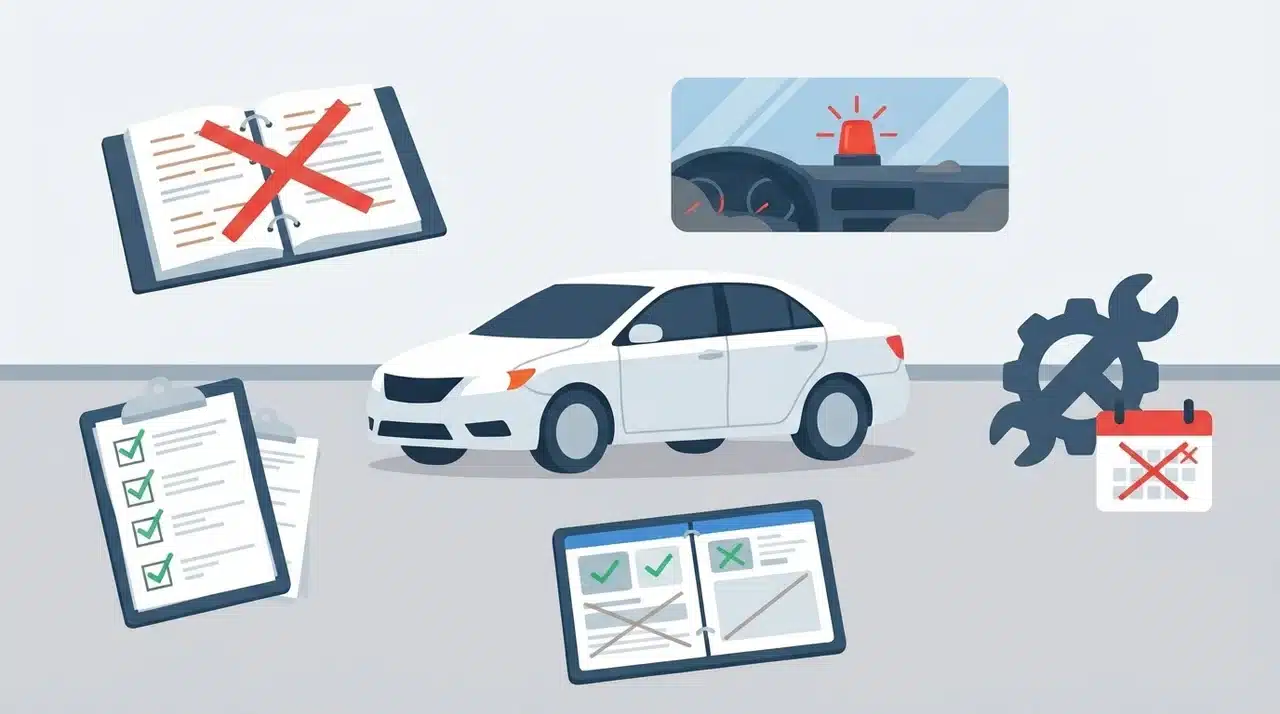
Small gaps can weaken a fleet safety program over time. Clear policies, regular training, consistent enforcement, and routine reviews can help prevent these problems.
- Using a Generic Policy: A policy should reflect your fleet, drivers, vehicles, and operating risks.
- Skipping Refresher Training: Drivers may need ongoing training when risks, vehicles, or job duties change.
- Ignoring Safety Data: Review telematics, incident reports, and other safety data, then act on recurring problems.
- Neglecting Vehicle Maintenance: Missed inspections and delayed repairs can increase vehicle-related safety risks.
- Unclear Responsibilities: Assign clear responsibility for training, maintenance, reporting, coaching, and program reviews.
Regular reviews can help identify gaps before they become larger problems. Update the program when your fleet, operations, risks, or applicable requirements change, or when new safety concerns arise in daily operations.
Closing Thoughts
A strong fleet safety program does more than place safety rules in a document. It gives your team a clear way to screen drivers, maintain vehicles, manage incidents, provide training, and track safety results.
The best programs also change when your fleet, drivers, routes, or risks change. Start with the areas that need the most attention, assign clear responsibilities, and review your results regularly.
I’d also recommend keeping your policy simple enough for every driver and manager to understand and follow. Have you created a fleet safety program for your organization? Share what you included in the comments.
Frequently Asked Questions
How Can Fleet Safety Programs Reduce Insurance Costs?
A strong safety program can help reduce crashes and claims, which may support better insurance outcomes, although savings depend on the insurer and fleet’s risk profile.
What Should a Fleet Safety Policy Include?
A fleet safety policy should address driver qualifications, vehicle use, distracted driving, inspections, maintenance, training, accident reporting, and safety responsibilities.
How Often Should Fleet Drivers Receive Safety Training?
Training should continue beyond initial onboarding, with refresher or targeted training provided when driving risks, vehicle types, job duties, or incident patterns show a need.
What is the Difference Between a Fleet Safety Program and a Fleet Safety Policy?
A fleet safety policy sets specific rules and expectations, while a fleet safety program is the broader system covering policies, training, maintenance, monitoring, and corrective actions.