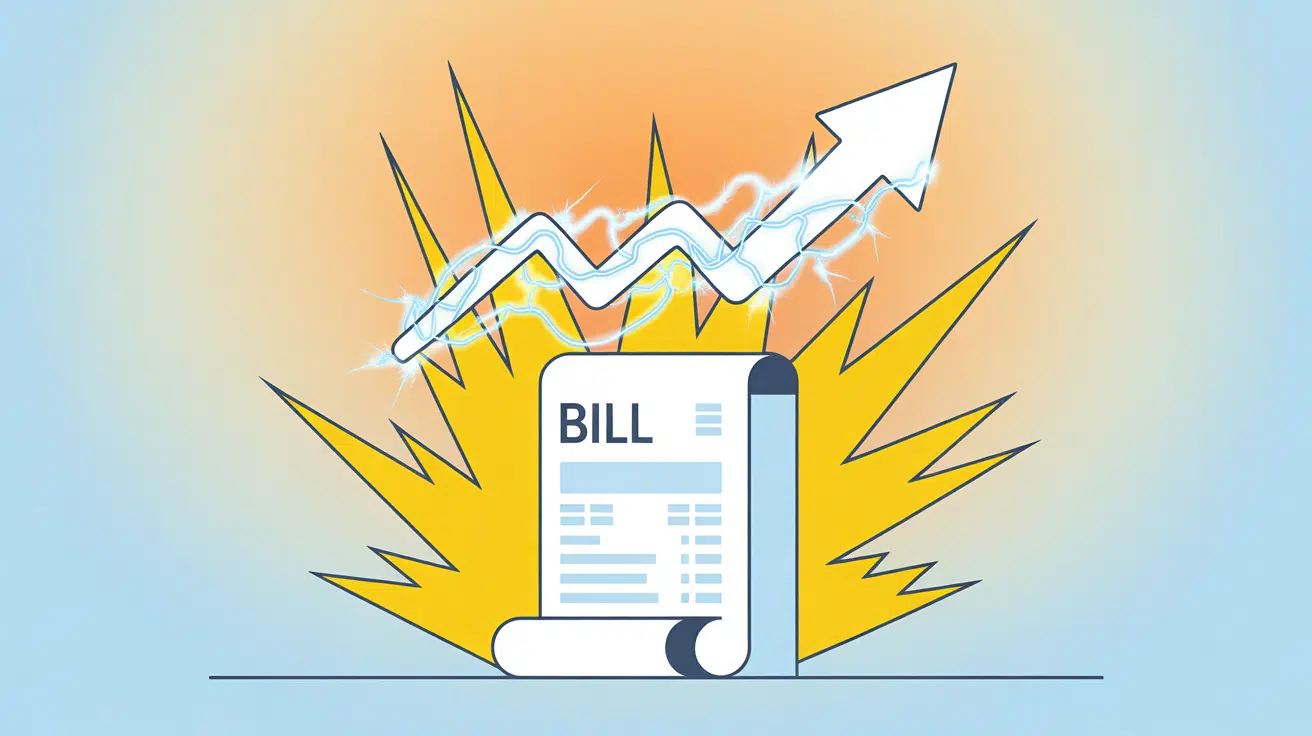
I know how frustrating it is to watch your electric bill climb even when nothing at home feels different.
Most people reach for the easy fixes first, like turning off a few lights, but those barely touch what’s really driving the cost.
Real energy-saving tips start by figuring out which systems eat up the most power, then working down from there instead of guessing.
Once you know where your money is actually going, you can prioritize changes that show up on your next bill instead of ones that just feel productive.
Here’s where most of that spending starts.
What Runs Up Your Electric Bill the Most?
Your HVAC system is usually the largest source of household electricity use, with heating and cooling together accounting for 52% of a home utility bill.
Air conditioners, furnaces, and heat pumps can run for long periods, particularly during extreme weather. Other major contributors include:
- Water heating: Keeping water hot for showers, laundry, and everyday household use can represent 14%-18% of the utility bill.
- Clothes dryers: Dryers use substantial electricity to produce heat, making frequent laundry cycles surprisingly expensive.
- Refrigerators: A refrigerator runs around the clock, creating a steady demand even when other appliances are switched off.
- Lighting: Older bulbs and lights left running for extended periods can gradually increase overall electricity use.
Best Energy Saving Tips for Your Home
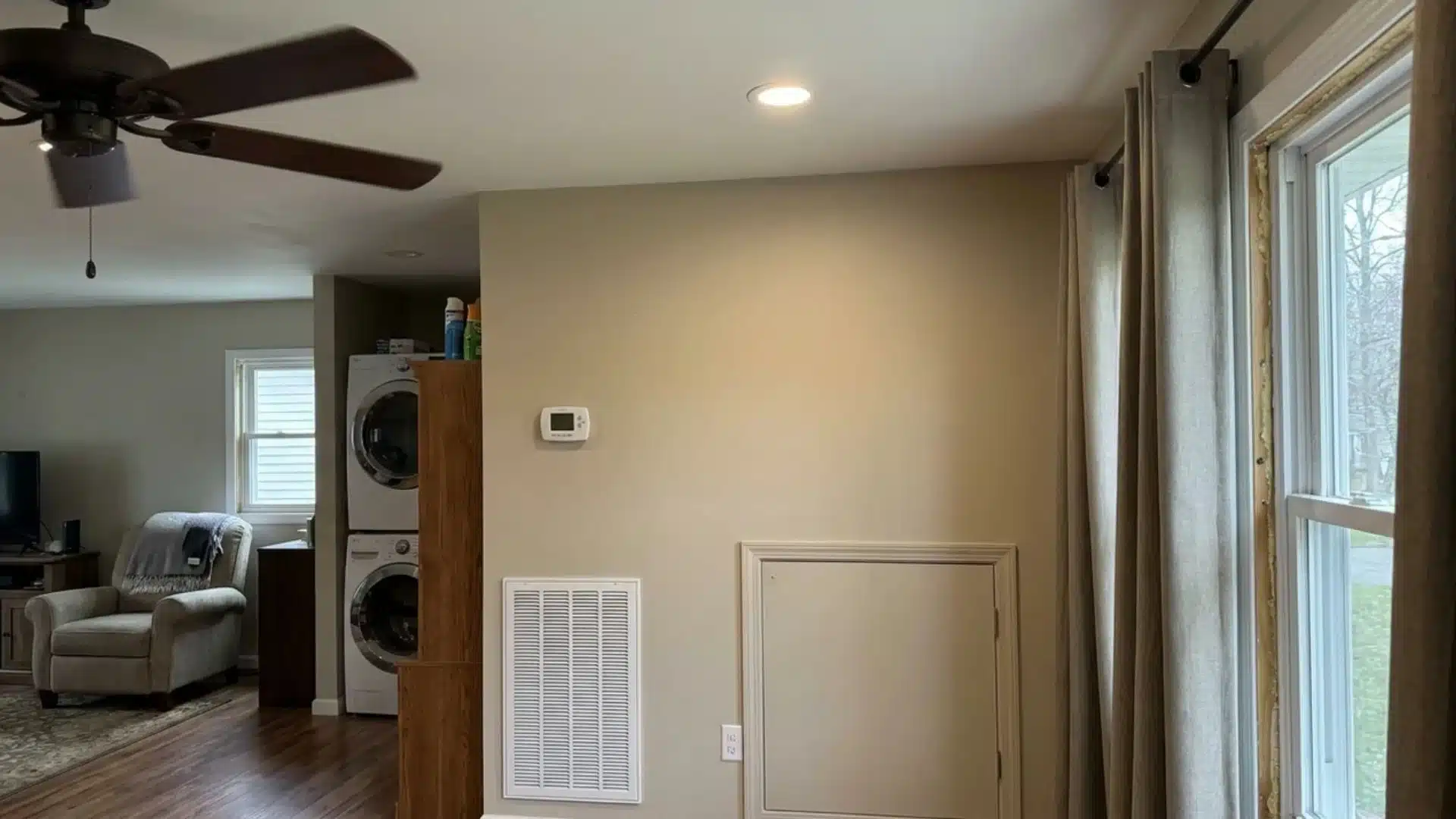
The most useful approach is to work through your home by system. Start with heating and cooling, then address appliances, lighting, water heating, and everyday electricity use.
1. Adjust Your Thermostat
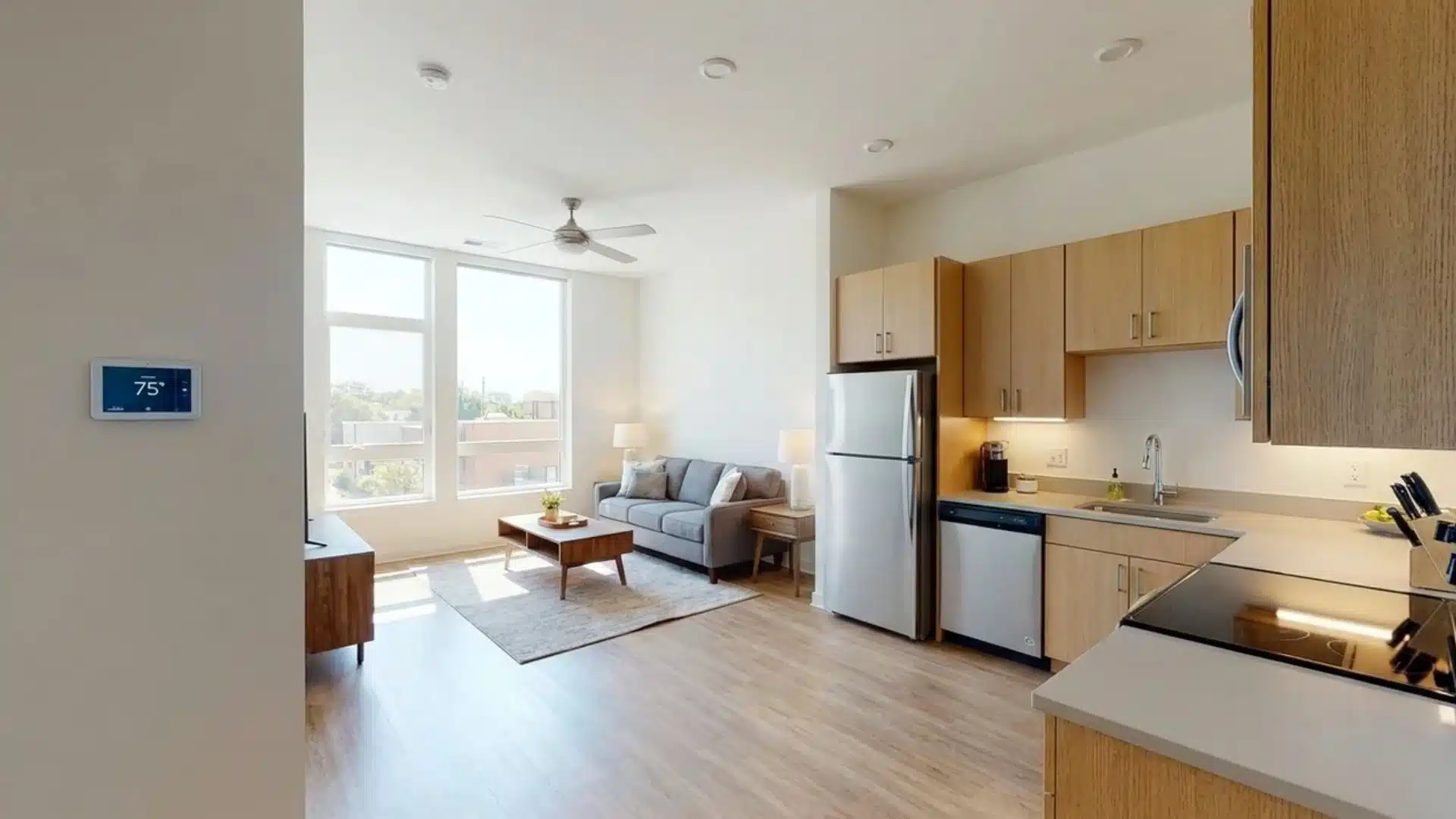
Set your thermostat to 68°F when you’re home and awake, and 78°F during summer cooling, then push it back another 7–10°F for the 8 hours you’re asleep or away.
According to the U.S. Department of Energy’s estimates, this saves roughly 1% on heating or cooling costs for every degree adjusted over an 8-hour period, adding up to about 8% in annual savings.
A programmable or smart thermostat automates this schedule so you’re not resetting it by hand twice a day.
2. Maintain Your Furnace or HVAC System
Check your HVAC filter monthly during heavy-use months and replace it at least every 90 days.
A clogged filter forces your system to work harder and can raise energy consumption by 5 to 15 percent, according to Department of Energy guidance.
Pair filter changes with an annual professional tune-up before peak heating or cooling season to catch issues before they compound.
If you’re not sure what your tune-up schedule should look like, a right HVAC maintenance plan lays out the specifics by system type.
3. Seal Drafty Windows and Doors
Check for drafts around window and door frames using a lit incense stick on a windy day.
Visible smoke movement marks a leak, and walking the perimeter of each room slowly will help you catch spots that aren’t obvious just standing near them.
Seal gaps with caulk or weatherstripping, and add door sweeps to exterior doors to close the gap at the threshold, which is often the largest opening in a doorway.
If drafts keep coming back no matter how much you seal, the windows themselves may be the real problem.
Compare today’s energy-efficient window options before investing more in caulk alone. Recheck these seals once a year, since caulk and weatherstripping wear down and shrink with age and temperature swings.
4. Seal Exposed Ductwork
Inspect accessible ductwork in the attic, basement, or crawlspace for visible gaps or disconnected joints, paying close attention to spots where sections meet or ducts pass through framing.
Seal joints with mastic sealant or metal foil tape rather than standard duct tape, which dries out and loosens within a few years.
For ducts running through unconditioned spaces, adding insulation afterward provides another layer of protection against loss.
5. Use Ceiling Fans Strategically
Replace bulbs in fixtures used more than 2 hours a day first, since that’s where differences in electricity use and bulb lifespan show up fastest on your bill and in fewer replacements.
Look for ENERGY STAR certification when choosing replacements.
It’s the label the Department of Energy uses to indicate a bulb meets efficiency and lifespan standards, making it a reliable shortcut when comparing similar-looking bulbs.
6. Switch to LED Bulbs
Replace bulbs in fixtures used more than 2 hours a day first, since that’s where differences in electricity use and bulb lifespan show up fastest on your bill and in fewer replacements.
Look for ENERGY STAR certification when choosing replacements.
It’s the label the Department of Energy uses to indicate a bulb meets efficiency and lifespan standards, making it a reliable shortcut when comparing similar-looking bulbs.
7. Turn Off Unused Lights
Turning off lights in empty rooms does save electricity, although the impact is usually smaller than reducing heating, cooling, or standby power consumption elsewhere.
Make it a simple household habit rather than your primary energy strategy. There is little reason to illuminate rooms that nobody currently occupies.
8. Cut Phantom Power From Electronics
Group entertainment electronics such as your TV, soundbar, streaming box, and console on a single power strip and switch it off when not in use.
A smart power strip can also cut power automatically after a set idle period.
Prioritize devices with an external charger or power brick left plugged in overnight, since these can stay in standby mode even when nothing is charging. Phone, tablet, and laptop chargers are easy to forget behind furniture.
9. Use Motion Sensors or Timers
Motion sensors can automatically switch lights off when rooms become unoccupied, reducing electricity use from lights left on after someone leaves.
Timers work well for lighting that follows predictable schedules, such as outdoor fixtures, because they provide automatic control without requiring someone to remember every switch.
10. Wash Clothes With Cold Water
Heating water adds energy demand to every laundry cycle, so using cold water for suitable loads can reduce electricity or fuel consumption without changing the cleaning process.
Cold-water washing works particularly well for everyday clothing that does not require high-temperature cleaning.
Always follow garment-care instructions when selecting the appropriate wash temperature.
11. Air-Dry Clothes and Dishes
Clothes dryers use energy to generate heat and continuously move air through the drum, making them a significant electricity user during repeated household laundry cycles.
Use a clothesline or drying rack when practical, and choose an air-dry dishwasher setting where available.
Both changes reduce energy used for electrically generated heat.
12. Run Full Appliance Loads
Washing machines and dishwashers consume energy during each operating cycle, so running fuller loads can reduce the number of cycles required each week.
Avoid overloading the appliance, however, because tightly packed loads may clean poorly.
Aim for full but practical loads that allow water and detergent to circulate properly.
13. Clean Appliance Vents and Exhausts
Dust and buildup around refrigerator vents or clothes-dryer exhaust areas can restrict airflow, potentially making motors and other components work harder during normal operation.
Check these areas periodically and carefully remove accessible buildup.
Keeping airflow paths clear helps appliances operate without unnecessary resistance caused by accumulated dust or debris.
14. Reduce Unnecessary Water Heating
Set your water heater to 120°F. The Department of Energy recommends this warm setting to prevent bacterial growth while avoiding the higher standby losses of factory settings, often 140°F or higher.
Insulate the first few feet of hot and cold water pipe near the tank for a small additional benefit.
Consider an insulating jacket for older water heaters without built-in insulation suited to the tank’s age.
15. Improve Insulation and Air Sealing
Smart building insulation slows heat transfer between your home’s interior and the outdoors, helping rooms maintain their temperature without constantly relying on heating or cooling equipment.
Prioritize obvious gaps and poorly insulated areas rather than making isolated improvements. A professional energy audit can identify less visible areas where additional work may provide greater savings.
16. Use Ceiling Fans Strategically
Switch the small toggle on your ceiling fan’s base to change which way the blades spin.
Counterclockwise rotation pushes cool air straight down in summer, which lets you raise the thermostat a few degrees without losing comfort.
Clockwise rotation on the lowest speed pulls warm air off the ceiling and pushes it back into the room during winter.
Used this way, a ceiling fan can help you save up to 15% on winter energy bills and up to 30% on summer energy bills, according to the Department of Energy.
The fan cools skin through moving air, not the room itself, so turn it off whenever you leave the space. Running it in an empty room only adds to your bill without any benefit.
Common Mistakes That Cancel Out Energy Savings
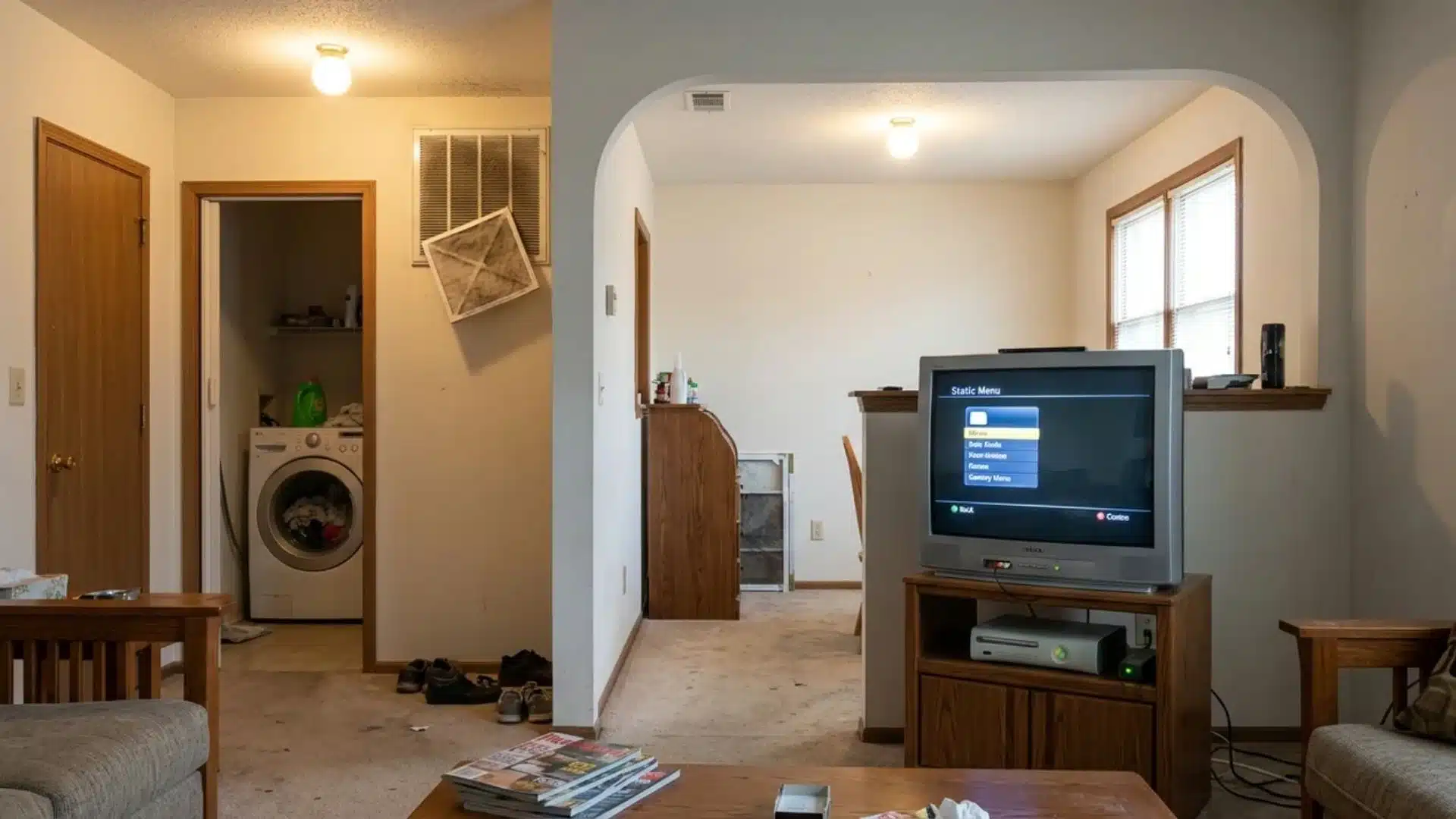
A few habits quietly undo the savings above if you’re not careful:
- Focusing only on small habits: Turning off lights helps, but it will not compensate for inefficient heating, cooling, or major air leaks. Address the larger energy users first.
- Assuming switched-off electronics use no power: TVs, game consoles, chargers, and other devices can still draw small amounts of electricity while in standby mode.
- Sealing only one obvious draft: Fixing a single window or door gap may have little effect when other leaks remain throughout the home.
- Running appliances inefficiently: Partial laundry or dishwasher loads, heated drying cycles, and unnecessarily long wash cycles can increase energy use without providing much additional benefit.
- Ignoring maintenance: Dirty filters, blocked vents, and dusty appliance components can make equipment work harder. Regular cleaning and maintenance help systems operate more efficiently.
- Expecting immediate proof: Energy use naturally changes from day to day. Judging a change from one bill or a few days of readings can give you a misleading result.
How to Confirm the Changes are Working?
A single day of energy use cannot tell you whether your changes made a meaningful difference. Daily consumption shifts with weather, occupancy, cooking, laundry, and appliance use.
Compare a full billing cycle before and after making changes.
Similar weather and household routines make the comparison more useful and give you a clearer picture of actual energy use.
If consumption levels off after the first few changes, revisit the biggest energy users before adding more minor habits.
HVAC settings, air leaks, water heating, and standby power deserve another look.
Conclusion
The best energy-saving tips work when you focus on the parts of your home that use the most power first.
Thermostat settings, HVAC care, air leaks, ductwork, water heating, and insulation usually matter more than small habits alone.
After that, changes like LED bulbs, full appliance loads, cold water washing, and smart power strips can add steady savings over time.
The key is to test changes across a full billing cycle, not just one day. Your weather, routine, and appliance use all affect the result.
Planning to lower your next energy bill? Start with one big system this week, then build smaller habits around it.
Frequently Asked Questions
What wastes the most energy in a house?
Heating and cooling typically account for a large share of household energy use, followed by water heating and major appliances. Small habits, such as leaving lights on, generally have less impact. Starting with HVAC settings, air leakage, and insulation usually makes more sense.
Does turning off lights really save energy?
Yes, turning off lights reduces electricity use, but the savings are usually modest compared with heating and cooling. Switching older bulbs to LEDs makes the difference larger because LEDs require substantially less electricity for the same lighting task.
What are simple ways to save energy at home?
Start with thermostat adjustments, LED lighting, full laundry and dishwasher loads, cold-water washing, and reducing standby power. These changes require little effort or money. For larger savings, address drafts, insulation, and heating or cooling efficiency after those habits become routine.