Pharmaceutical companies use water constantly, yet its importance often becomes clear only when a test result raises a question. It can be a raw material, ingredient, cleaning medium, or part of an analytical process. USP standards help define its required quality, while testing provides evidence that a water system is doing its job.
What USP Standards Do
USP standards give pharmaceutical manufacturers recognized specifications and guidance for water used in production and testing. General Chapter <1231>, Water for Pharmaceutical Purposes, covers water used as a raw material, inactive ingredient, vehicle, solvent, and cleaning resource.
Clear-looking water is not necessarily acceptable pharmaceutical water. Ionic impurities, organic material, microorganisms, and bacterial endotoxins can matter depending on where the water is used. USP also connects testing with methods such as Water Conductivity <645> and Total Organic Carbon <643>.
Purified Water and Water for Injection Are Not Interchangeable
One important distinction is between Purified Water and Water for Injection, or WFI. They are both pharmaceutical waters, yet they are not interchangeable.
Purified Water is used in many nonparenteral applications, including certain manufacturing and cleaning activities. WFI is intended where endotoxin control is critical, including preparation of parenteral products. USP describes WFI as water purified by distillation or an equivalent or superior process for removing chemicals and microorganisms.
Why Water Testing Gets More Complicated Than Expected
This is the part many companies discover only after looking for a laboratory. Pharmaceutical water testing is not one universal test with one universal bottle.
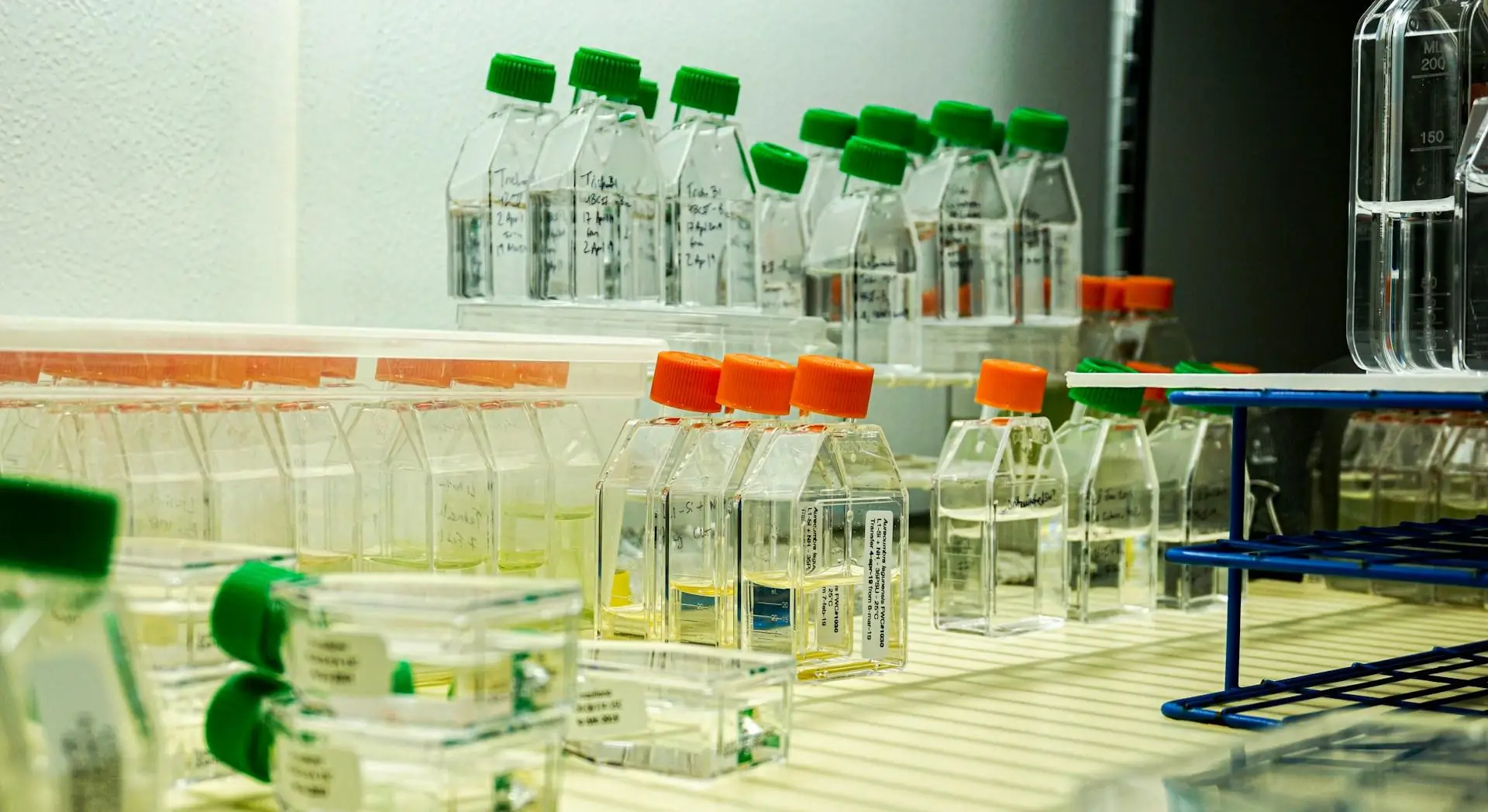
Depending on the water and intended use, testing can involve conductivity, total organic carbon, microbiological attributes, bacterial endotoxins, and other parameters. Sampling matters too. USP guidance says tested water needs to represent the water actually used in production when measurements are not performed online.
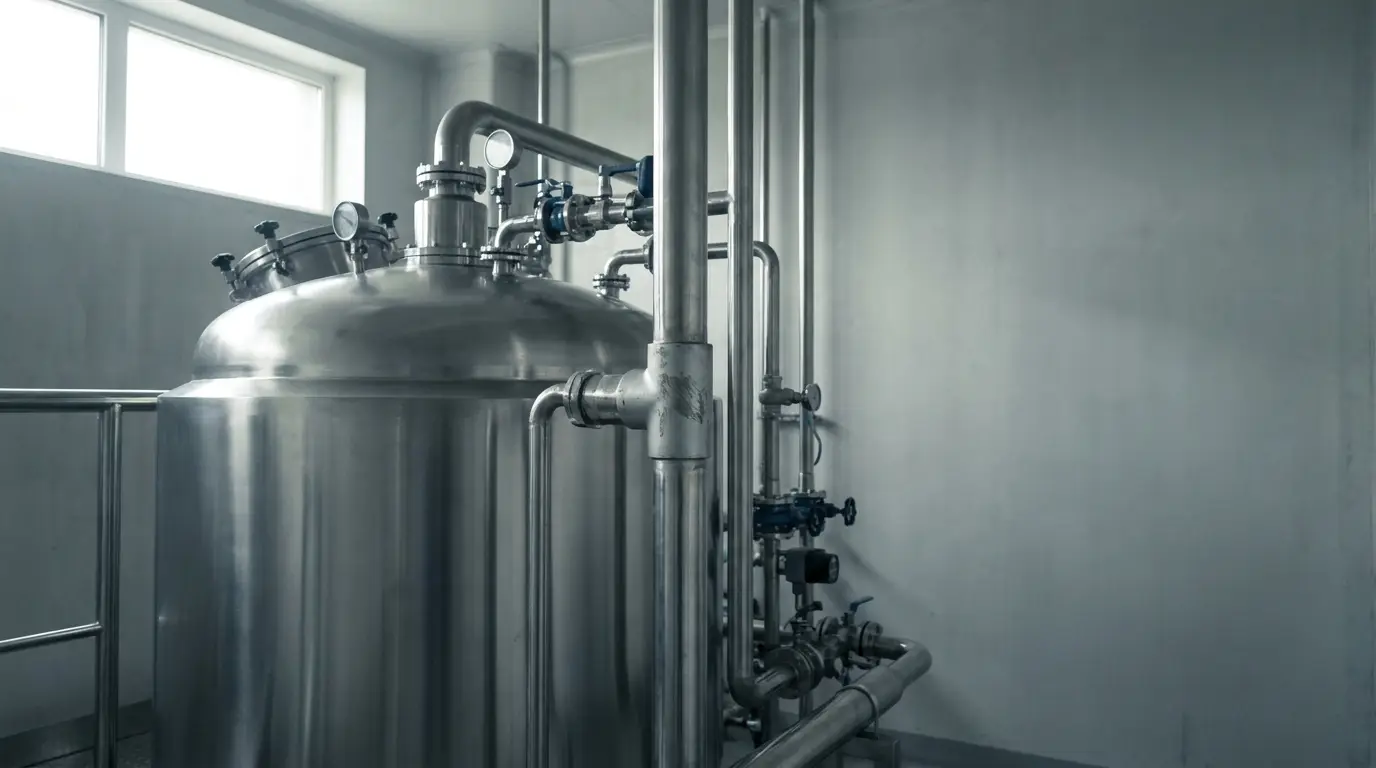
Then there is the water system itself. Purification equipment, storage tanks, piping, sanitization, and points of use can all influence results. This is why pharmaceutical water testing calls for more than an instrument and a technician. The laboratory needs appropriate methods, quality controls, sample handling procedures, a Safety Program, and people who understand the results in a pharmaceutical setting.
Where Choosing the Wrong Lab Starts Costing Money
The cheapest laboratory quote can look attractive as another budget line. The trouble starts when the report creates questions instead of answers.
A lab focused on drinking water, wastewater, or general environmental samples may be excellent at its core work and still not be right for pharmaceutical water. Pharmaceutical projects can require specific methods, documentation, traceability, reporting, and technical conversations that general water testing may not demand.
When something goes wrong, costs can multiply quickly. A questionable result may lead to repeat sampling, another analysis, an investigation, delayed production decisions, or extra work for quality assurance staff. If an auditor asks how a result was generated, the lab needs to support its method and documentation.
What a Capable Pharmaceutical Water Lab Should Bring
A good laboratory should discuss your requirements before the sample arrives. That conversation can reveal whether its capabilities match the work you need.
Look for a laboratory that can answer practical questions about:
- USP methods being used for your specific water type
- Sample containers, collection, preservation, and holding requirements
- Chemical and microbiological testing capabilities
- Quality controls and reporting practices
- Accreditation and documented laboratory procedures
- Technical support when results are unexpected
For companies looking for this type of analytical support, IAS America provides industrial laboratory testing services that can support pharmaceutical and other regulated applications. The point is not simply finding a lab that can test water. It is finding one that understands why the test is being performed and what happens after the report reaches your quality team.
Why Good Testing Pays Off Later
Pharmaceutical water testing is ultimately about confidence. A reliable result gives manufacturers evidence that their water system is producing and distributing water that meets requirements for its use.
It also gives quality teams something valuable during investigations: a defensible record. When sampling, analysis, documentation, and reporting are handled correctly, there is less uncertainty during review.
That matters when a result is reviewed later, during a deviation investigation, audit, or process change. A laboratory that can explain its methods and provide documentation gives your team a record and fewer loose ends when someone asks where the result came from and whether it can be trusted.
For pharmaceutical companies, that makes laboratory selection part of quality management rather than a simple purchasing decision. The goal is not just to receive a passing grade. It is to receive a result you can understand, document, and stand behind when it matters.